TAN FAMILY HOUSE – Bečej
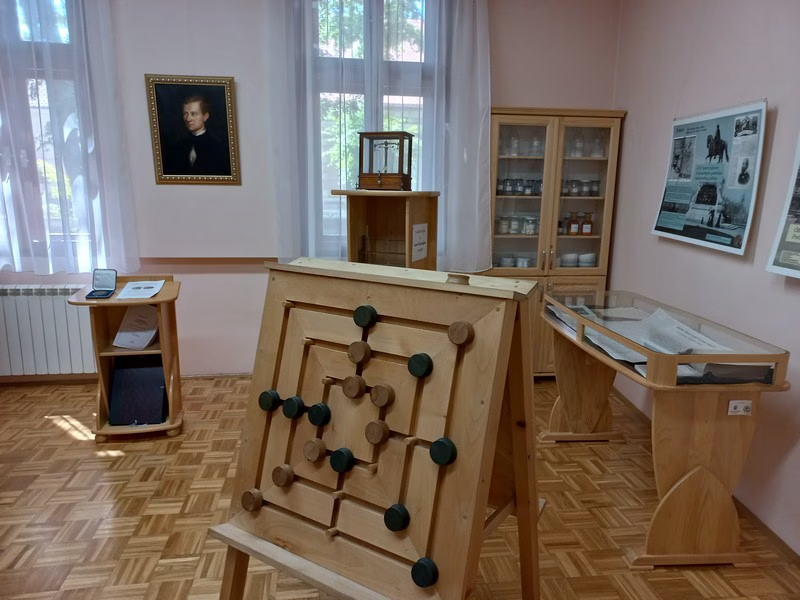
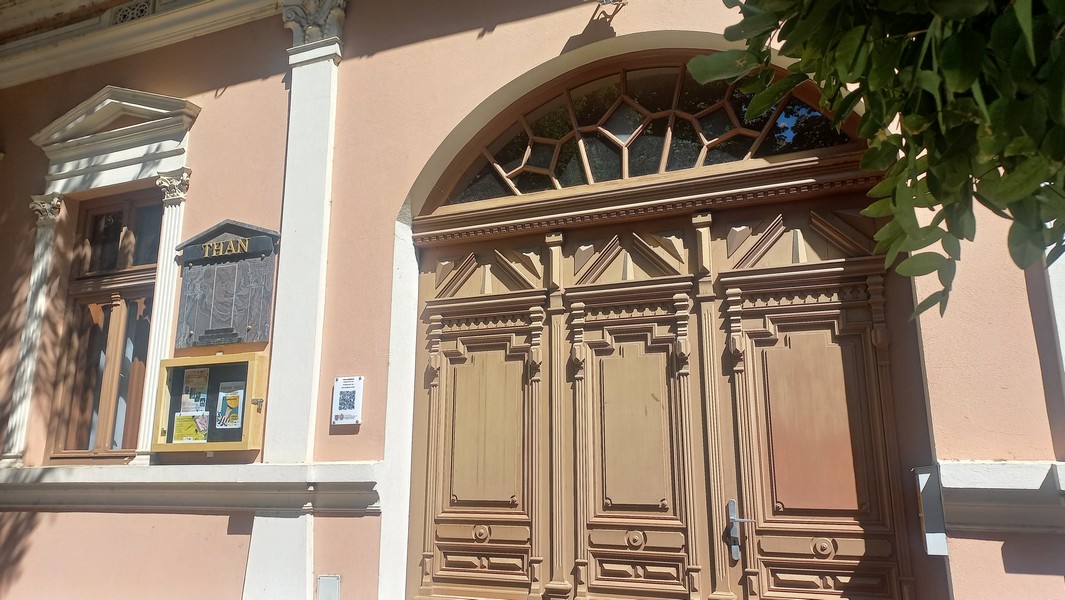
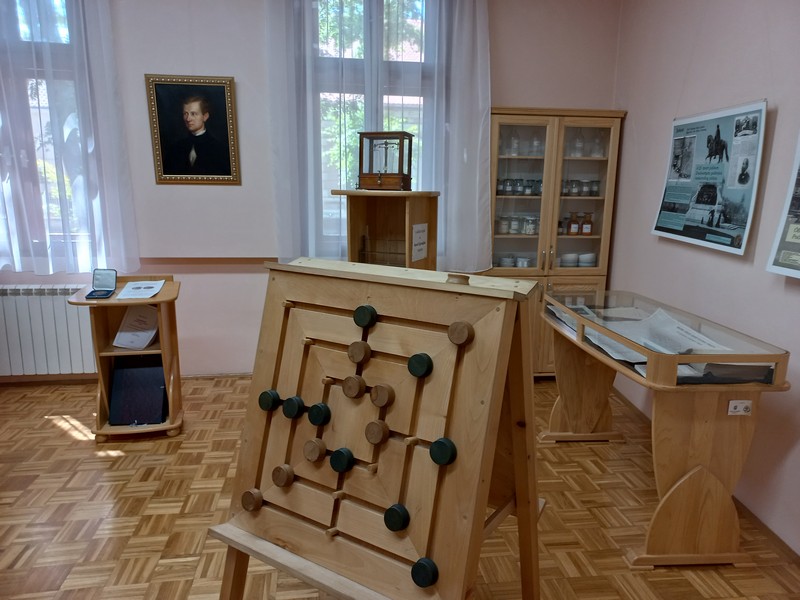
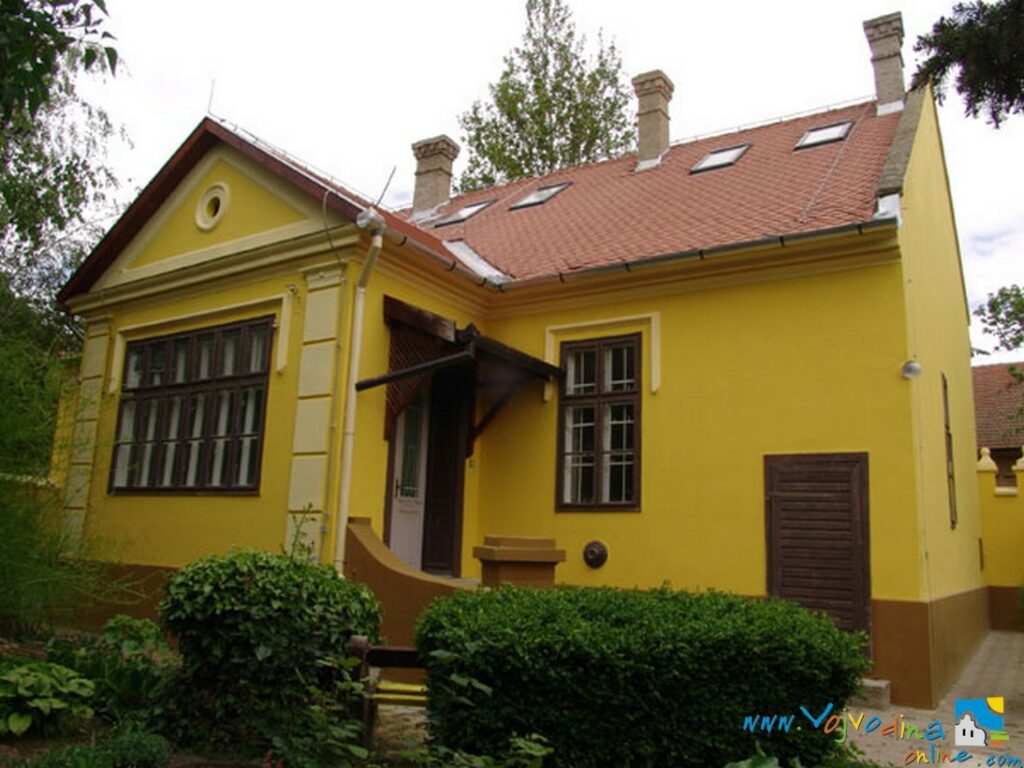
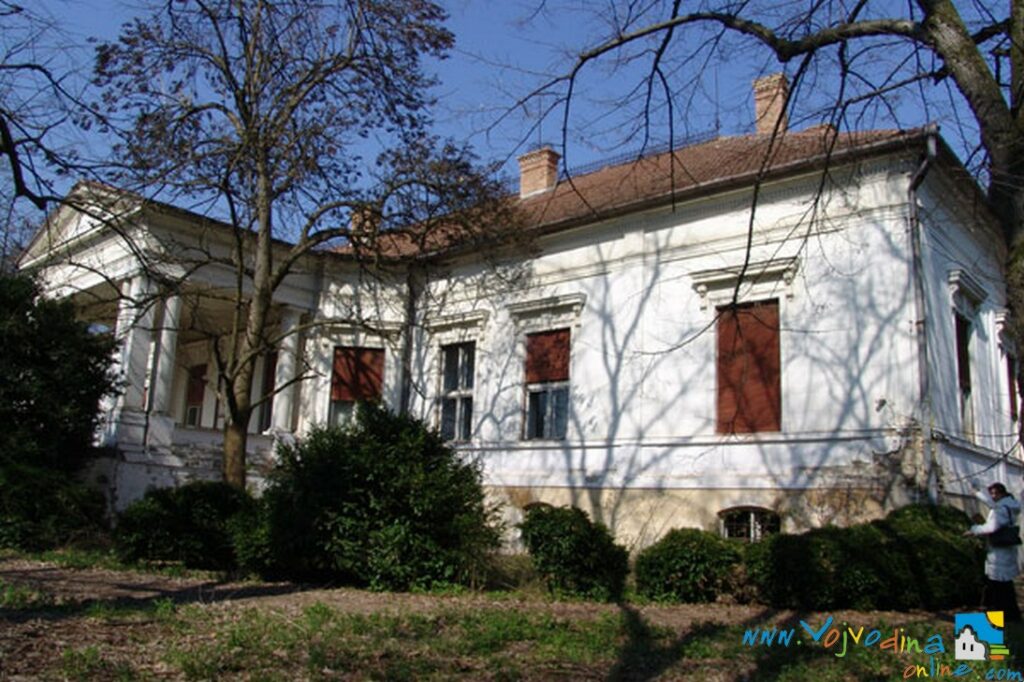
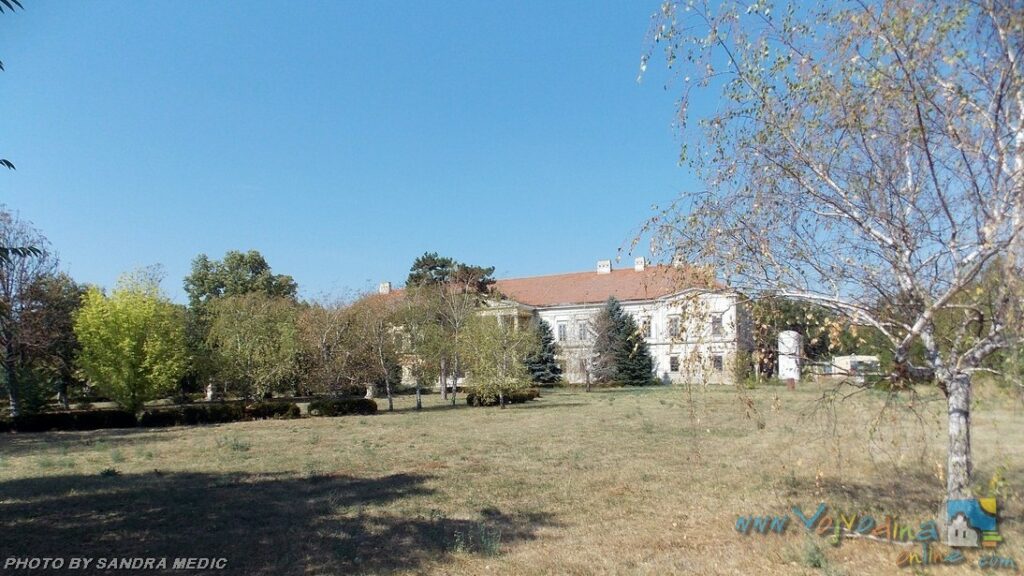
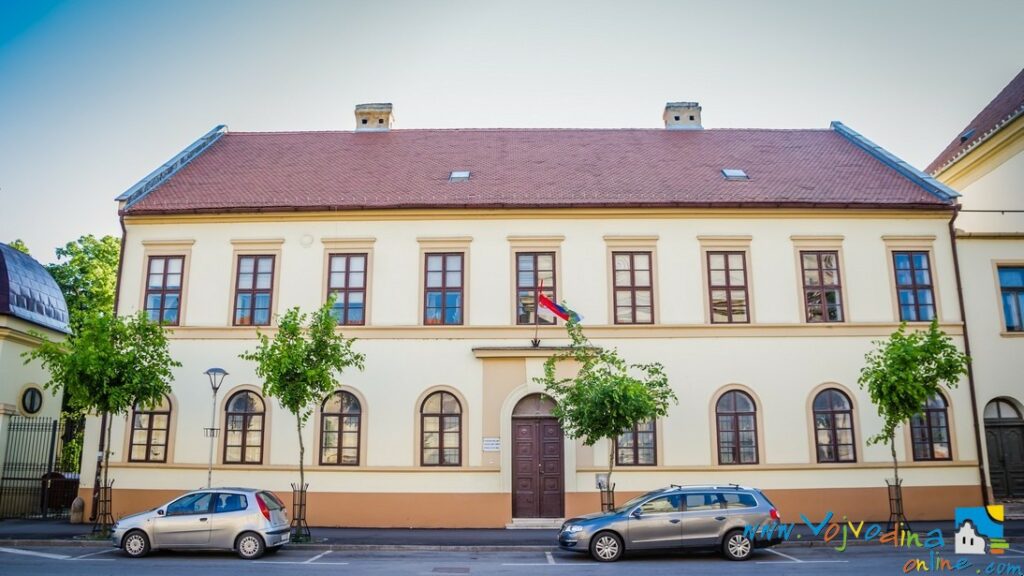
At the beginning of present-day Braće Tan Street, at house numbers 5–7, on the right-hand side when approaching the town centre, stands the Tan family house. It was the birthplace of the renowned brothers Károly Tan and Mór Than. The Government of the Republic of Serbia has recently designated the house as a cultural monument.
The Tan family moved to Bečej in 1826 from the interior of the then Austro-Hungarian Empire. Their father, János Tan, was a senior military administrative clerk attached to the district administration, near which the family initially lived, while their mother, Ottilia Széchenyi Schrott, devoted herself to raising the children. The family had ten children, of whom Mór was the second and Károly the fifth.
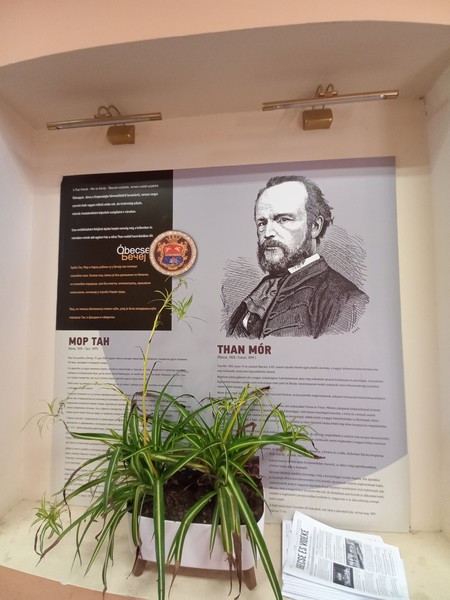
Mór Than was born in Bečej in 1828. He completed his primary education in his home town. The appearance of the school, which stood on the site of the present-day department store, can be seen in old postcards. After completing primary school, he continued his education in Kalocsa, Hungary, where he successfully completed his secondary education. He then moved to Pest, where he studied law, a particularly popular academic discipline at the time. However, even during this period, he began to recognise his natural inclination towards painting.
Alongside his legal studies, he began painting, and his first teacher was the painter Miklós Barabás. Having recognised his artistic talent, he decided to move to Vienna and devote himself entirely to painting. His teacher in Vienna was the renowned Reichl Nukpelniesel, under whose influence he embraced the principles of the Viennese school of painting and remained committed to academic painting throughout his life.
He became particularly well known for his depictions of historical and religious scenes, as well as for his portraits. For a period, he served as director of the Picture Gallery of the National Museum in Pest. As a painter and lifelong traveller, he frequently changed his place of residence.
Due to health problems, he travelled to Italy in 1897 with his wife, Karolina Paganini, and their daughter, Irma. He died in Trieste on 11 March 1899, aged 71.
Among his surviving works in the territory of Vojvodina are the main altar painting, The Assumption of the Virgin Mary, and Saint Joseph with the Infant Christ in His Arms, both housed in the Roman Catholic church in the centre of Bečej. The Upper Town Church contains his paintings Saint Anthony with Christ and The Dormition of the Mother of God, while The Last Judgement is located in the cemetery chapel. The main altarpiece of the Roman Catholic cemetery chapel depicts Saint Michael the Archangel.
The church in Srbobran houses the painting Saint Thomas and All the Saints, while Saint Joseph with Christ is preserved in Mali Iđoš. The City Museum in Subotica holds a portrait of Maria Theresa, while the Museum of Vojvodina houses An Unknown Hungarian Magnate. The City Museum in Sombor preserves the portrait Queen Elisabeth.
One of Mór Than’s significant works in Vojvodina is Portrait of Sava Tekelija, held at the Gallery of Matica srpska. It is the largest portrait by this artist in the territory of Vojvodina. The Roman Catholic parish in Bečej also holds a preparatory study for the painting Christ on the Mount of Olives, while the full-sized version of the work is kept in Pest.
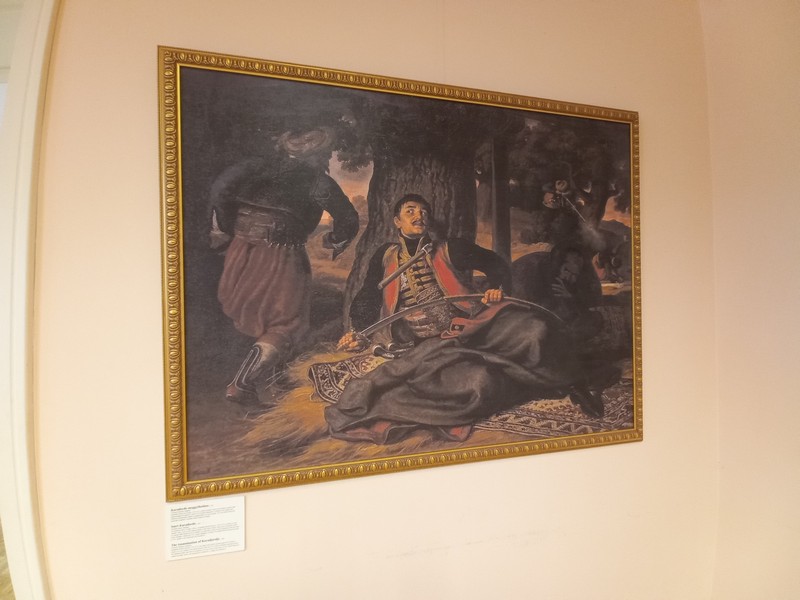
The painting The Conquest of the Homeland, created in 1870, was lost in a fire during the First World War. Mór Than attracted international attention at the 1867 World’s Fair with his work Fata Morgana.
Károly Tan was born in 1834. Like his older brother, he attended primary school in Bečej, after which he began training as a pharmacist. He completed his studies in chemistry in Heidelberg. From 1862 onwards, he held a professorship at a university in Budapest.
During the following years, he devoted himself entirely to scientific research. He became one of the best-known chemists of his time, making scientific discoveries that were ahead of contemporary knowledge in certain fields. One chemical composition associated with mineral waters bears his name.
A recognised and respected scientist, he was a founder and president of the Hungarian Academy of Sciences, as well as the founder and driving force behind the journal Hungarian Chemistry. He also established the first Institute of Chemistry at the University of Pest. He was made an honorary citizen of Bečej, and a pharmacy in the town also bore his name for a period. Throughout his career, he received several awards in recognition of his contributions to chemistry. He died in Pest in 1908.
Visits:
Visits to the building are available by prior arrangement only. Advance booking is compulsory.
Attractions
-

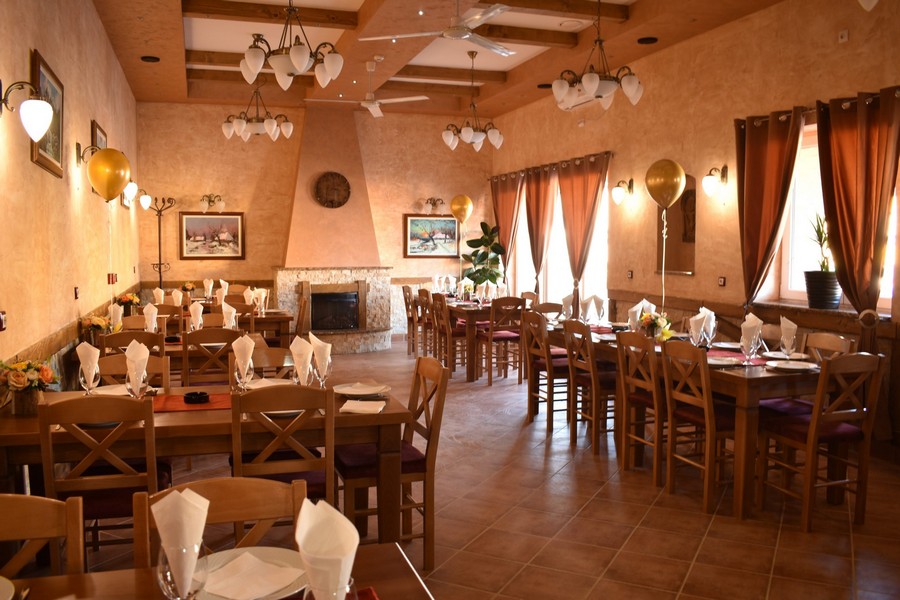
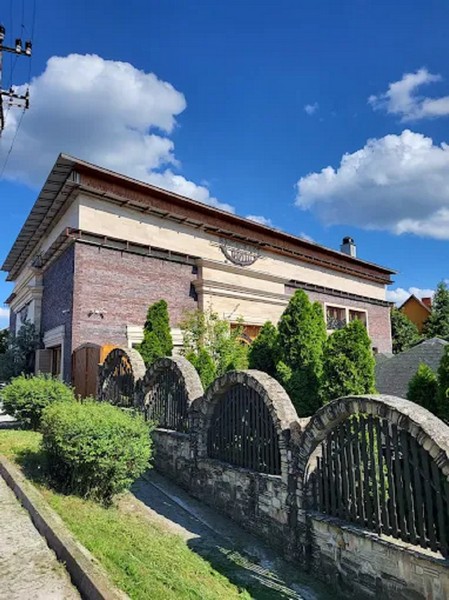
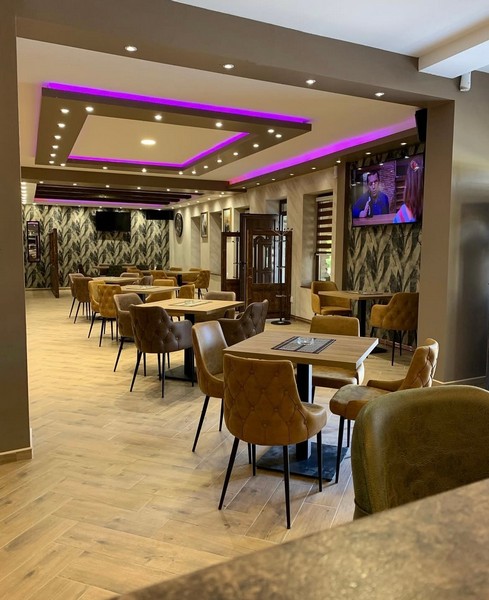
”DUKAT” RESTAURANT – Odžaci
“Dukat” Restaurant offers a unique atmosphere with an elegant and sophisticated setting, ideal for all kinds of celebrations, enjoying traditional dishes and experiencing first-class hospitality....
Read more -
”NIŠ” RESTAURANT – Bogojevo
“Niš” Restaurant in Bogojevo is a place where delicious food, warm hospitality and a welcoming atmosphere come together to create an authentic dining experience. Photographs...
Read more -
”MOJ ZAVIČAJ 89” RESTAURANT – Bački Gračac
”Moj Zavičaj 89” Restaurant is a place where traditional ambience, warm hospitality and a love of good food come together. Its welcoming atmosphere provides guests...
Read more -
”TRI LIPE” RESTAURANT – Odžaci
”Tri Lipe” Restaurant is a place where traditional home-style cooking, quality food and a welcoming atmosphere come together to create a truly memorable dining experience....
Read more -

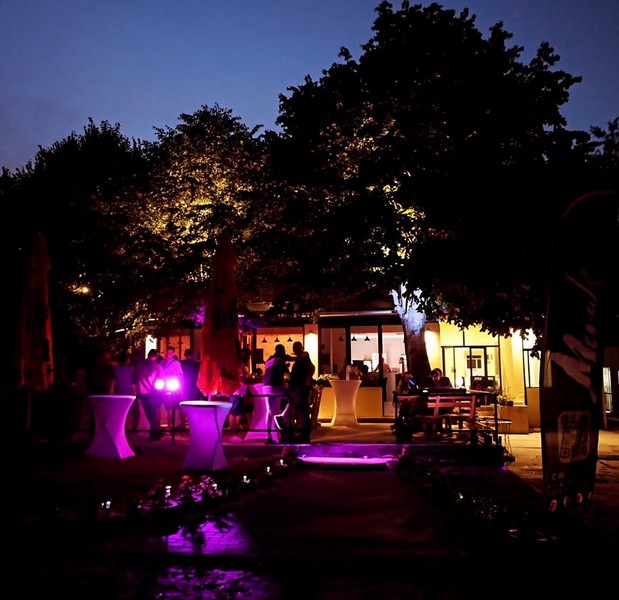
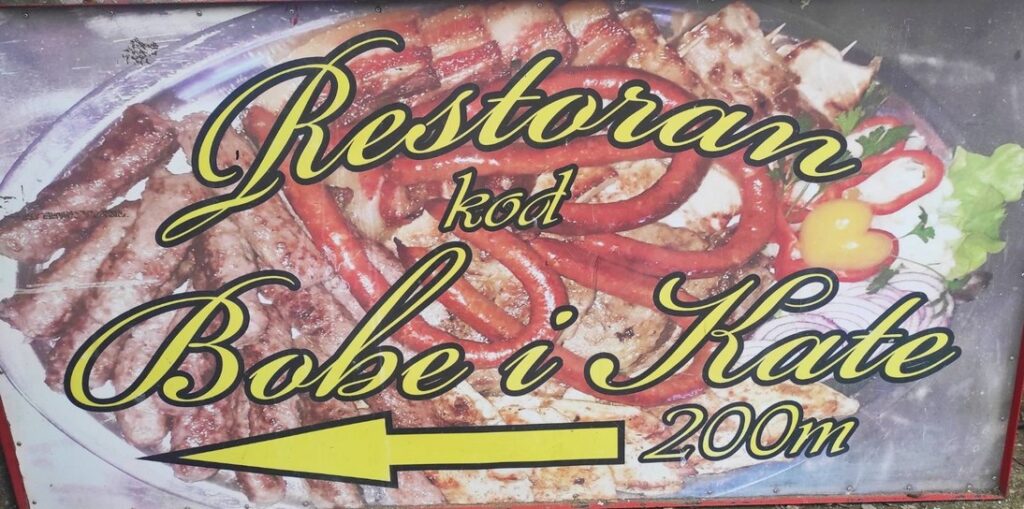
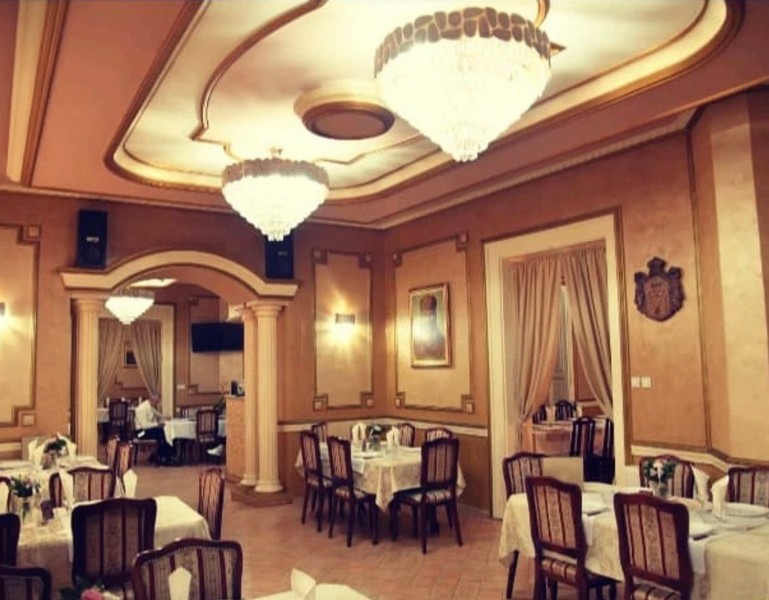
”KOD BOBE I KATE” RESTAURANT – Lalić
Looking for a traditional Serbian restaurant in Odžaci? You’ve come to the right place! The restaurant offers a wide selection of local specialities, prepared according...
Read more -
”CAR” RESTAURANT – Odžaci
”Car” Restaurant specialises in traditional Serbian and international cuisine. Its menu includes grilled specialities, a selection of fish (carp, trout, zander and sea bass), veal...
Read more
-

SPOMENIK PRIRODE „STABLA HRASTA LUŽNJAKA NA PALIĆU“ – Palić
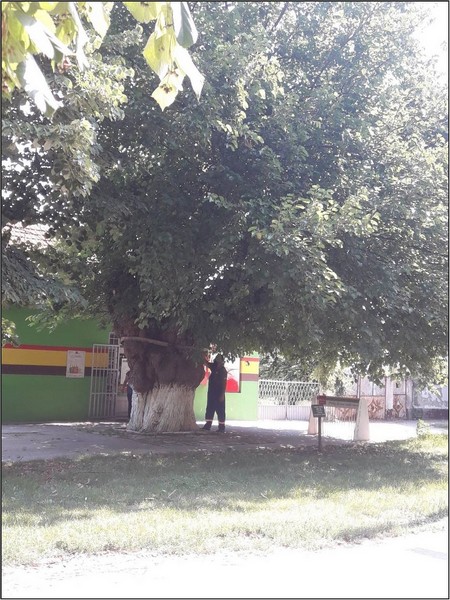
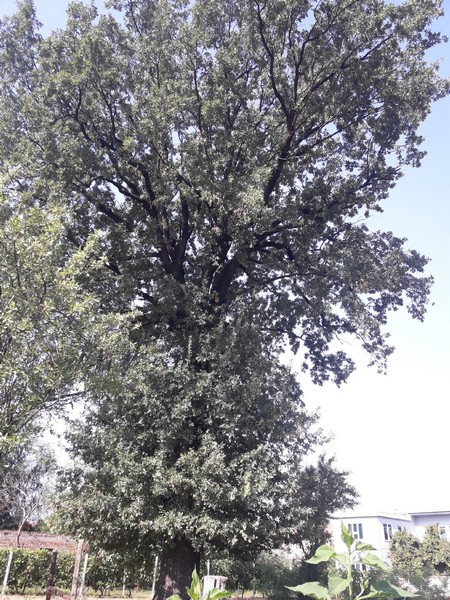
Spomenik prirode „Stabla hrasta lužnjaka na Paliću“ je zaštićeno područje III kategorije koje čini 31 vekovno stablo u ulicama Bele Bartoka, Petefi Šandora i na...
Read more -
PARK PRIRODE „PALIĆ“ – Palić
Park prirode „Palić“ obuhvata plitko nizijsko jezero Palić, Veliki park i istoimeno naselje. Ovaj prostor predstavlja neraskidiv spoj bogate prirodne baštine i vrednog kulturno-istorijskog nasleđa...
Read more -
“KANJIŠKI JARAŠI” LANDSCAPE OF OUTSTANDING FEATURES – Subotica
The Landscape of Outstanding Features “Kanjiški jaraši” is located in the far north of Vojvodina, in the north-eastern part of Bačka, within the municipality of...
Read more -
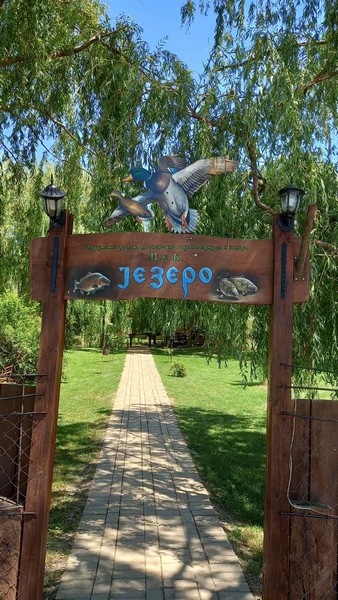
”JEZERO” CREPAJA ECOLOGICAL GARDEN – Crepaja
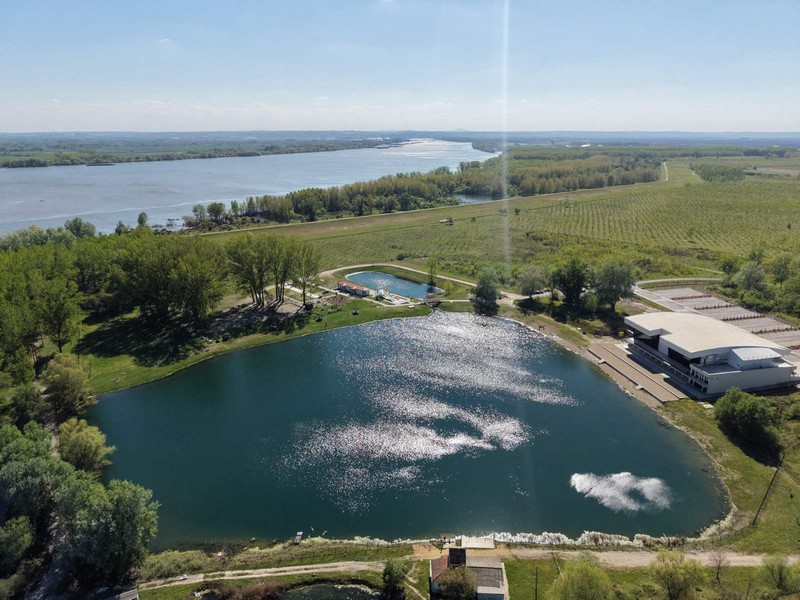
In the heart of Banat, in the village of Crepaja, lies an oasis of peace and nature – the ”Jezero” Ecological Garden. Once a brickwork,...
Read more -
”PROVALA” LAKE – Vajska
Located 14 km from Bač and 1 km from the settlement of Vajska, Provala Lake was formed in 1926 when the Danube breached an embankment...
Read more -

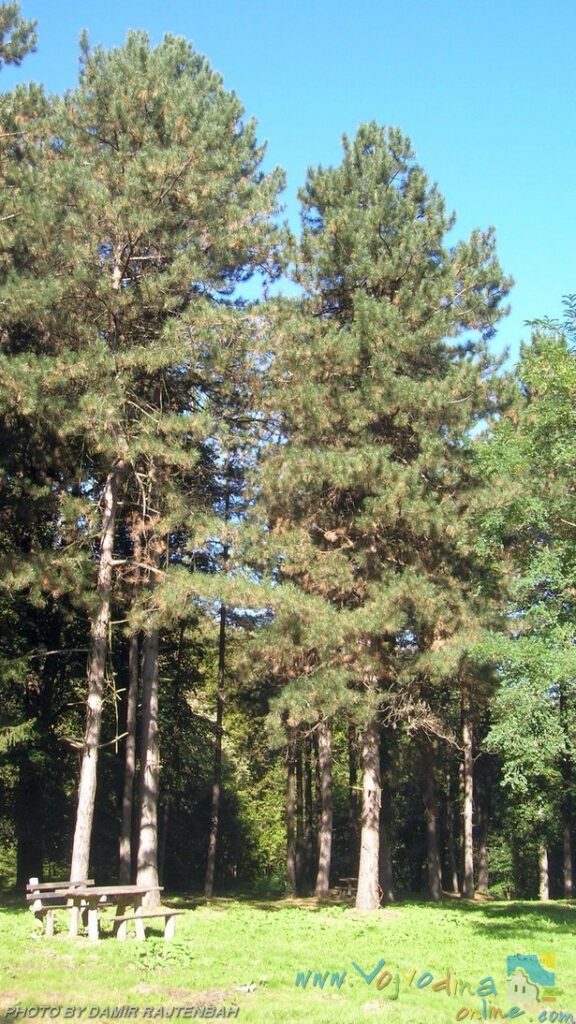
THE PICNIC GROUND ZMAJEVAC – Fruška Gora
It is situated in the National park of Fruška Gora, on the road from Iriški Venac to Crveni Čot. Zmajevac is known because you have...
Read more

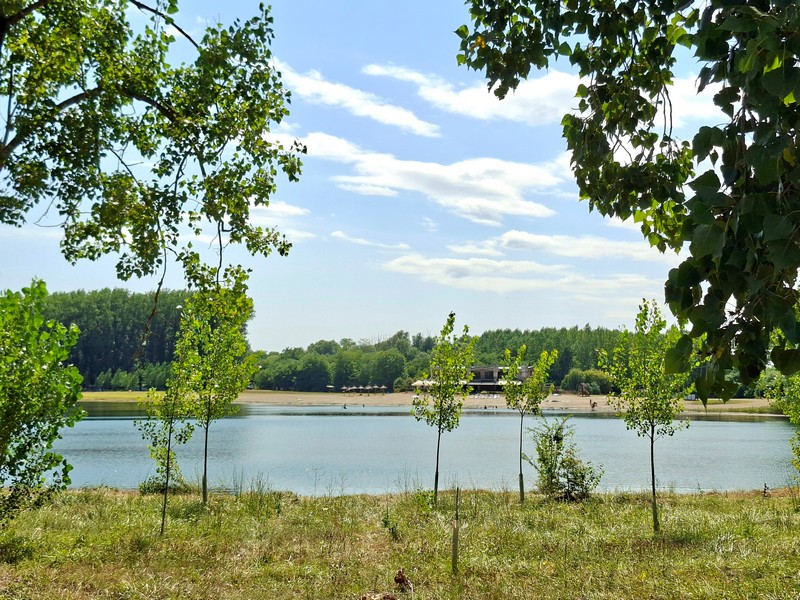
-
BAGER – Bačka Palanka
“Bager” is a cultural and educational centre that hosts a variety of events and activities, including events such as the “Golden Cauldron” cooking competition, children’s...
Read more -
MOTORBOAT RIDE THROUGH KOVILJSKO – PETROVARADINSKI RIT – Kovilj
Motorboat rides through the Koviljsko–Petrovaradinski Rit Special Nature Reserve are organized by Vojvodina šume in cooperation with the Kovilj Eco-Centre. Each tour is announced 7...
Read more -
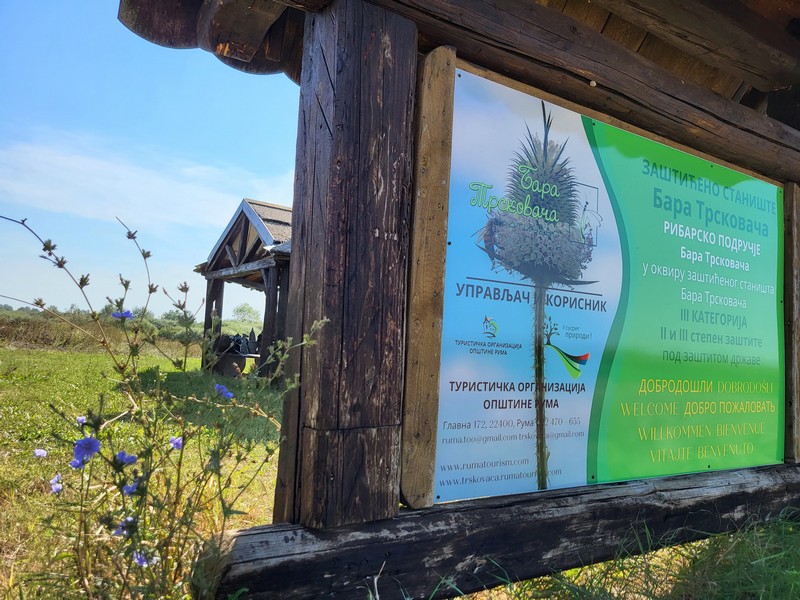
TRSKOVAČA MARSH- Platičevo
Trskovača Marsh is located on the outskirts of the village of Platičevo, in the southern part of the municipality of Ruma. It was placed under...
Read more -

NATURE PARK “STARA TISA”
Nature Park “STARA TISA” near Biserno ostrvo (Pearl Island) covers an area of 391 ha, of which 6% is in protect mode II (the second)...
Read more -
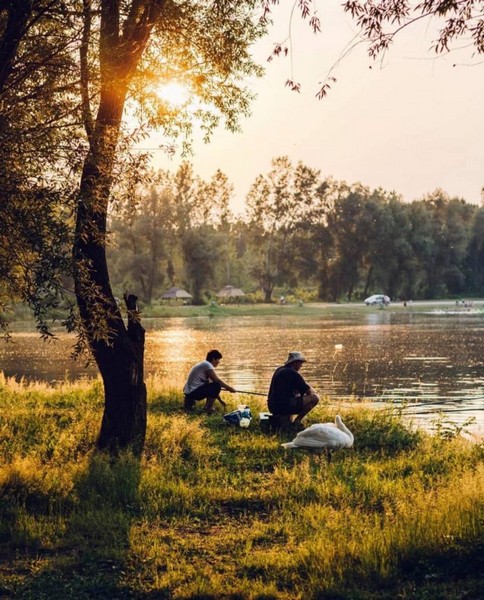
BEACH IN ADA – Ada
The beach in Ada is shallow and sandy, and is perhaps the most beautiful beach on the river Tisa. On its territory there is the...
Read more -
SAND BEACH ON THE DANUBE RIVER – Beočin
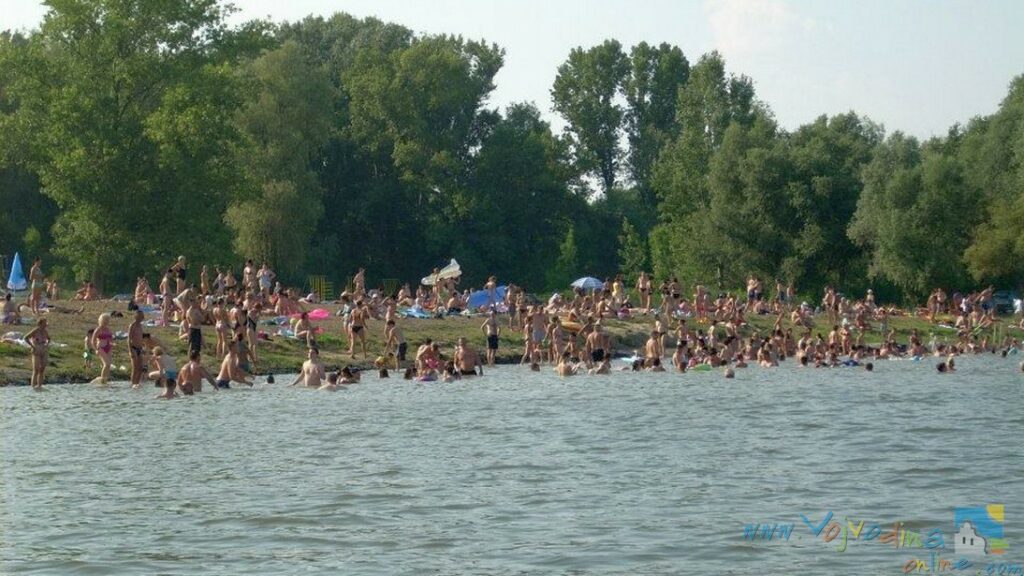
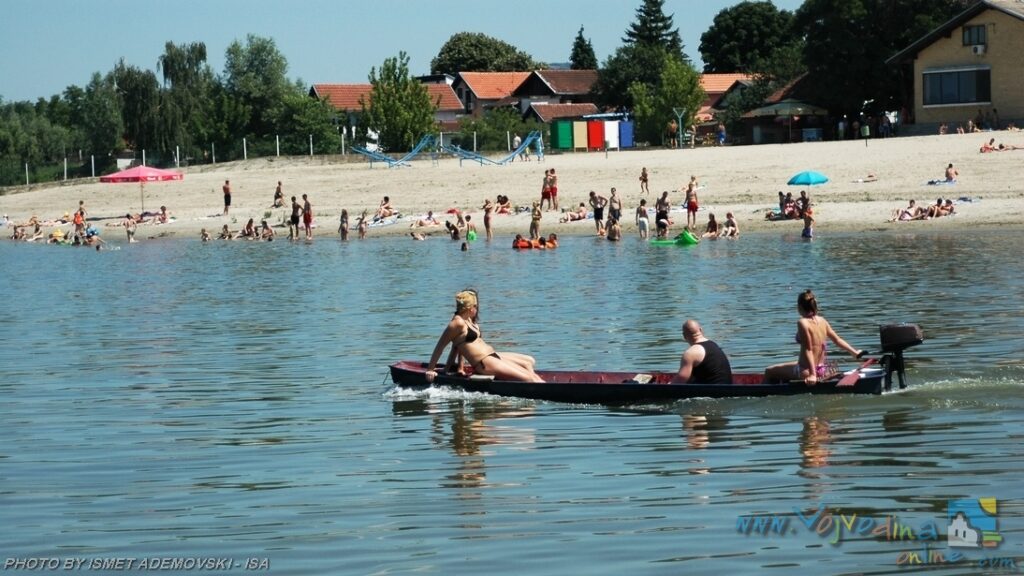
The beach near Karaš in Beočin is one of the most beautiful sand beaches along the whole Danube in Serbia. It is nicely decorated space...
Read more

-
“МIZNAH” HOTEL – Zobnatica
Within the Zobnatica Tourist and Congress Center, Miznah Hotel & Resorts, together with the Castle Terlei, offers 30 fully equipped accommodation units with a total...
Read more -
JUNAKOVIĆ SPA – Apatin
Located in the far north-west of Vojvodina, 4.5 kilometres from Apatin and the Danube, on the very edge of a beautiful forest, Junaković Spa is...
Read more -
“MASTER” CONGRESS CENTRE – Novi Sad
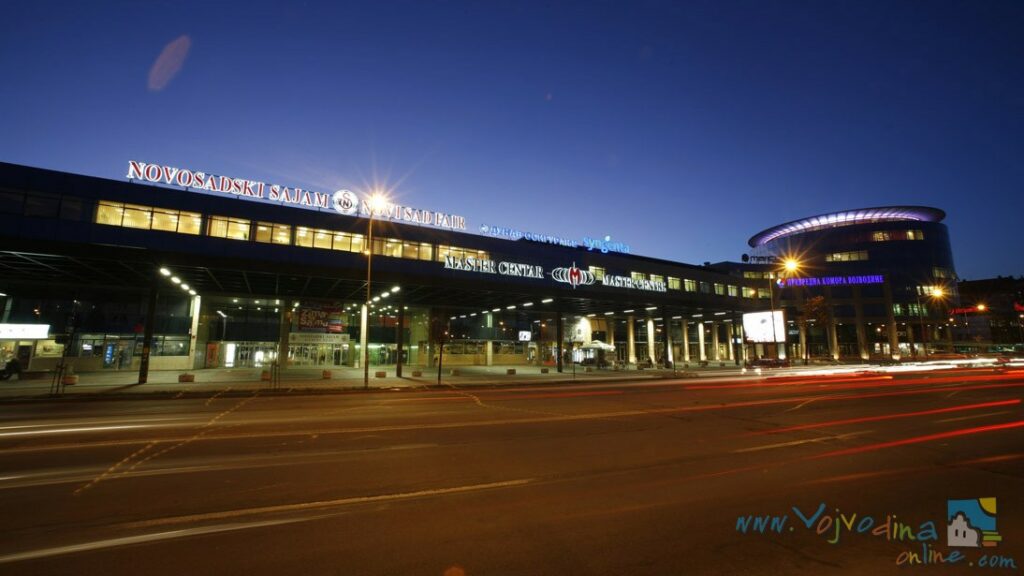
The “Master” Congress Centre is a prestigious venue located within the Novi Sad Fair complex, enabling highly professional organization of congresses, conferences, symposiums, seminars, promotions,...
Read more
-
ANTERO FARMSTEAD – Temerin
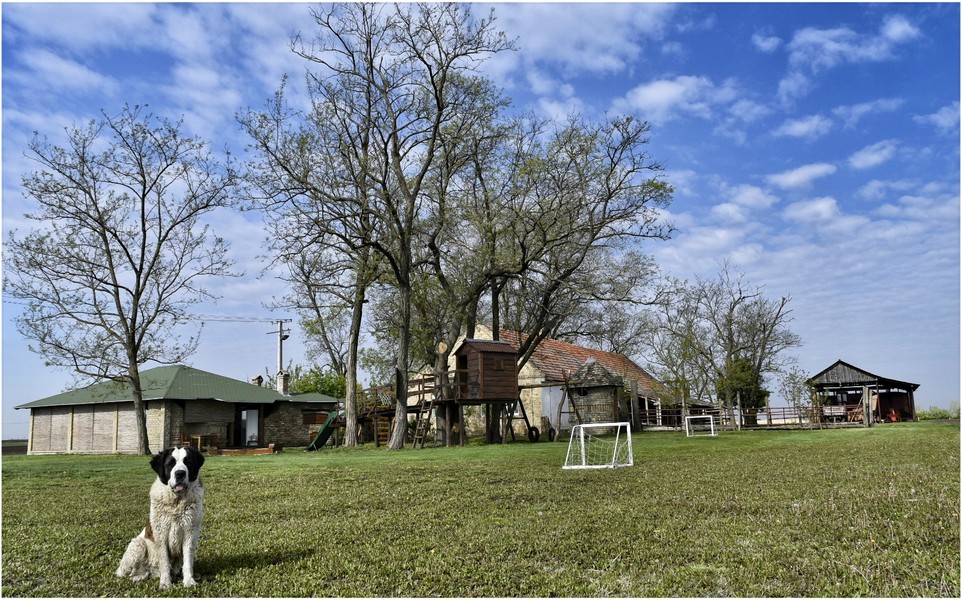
Antero Farmstead is a family-owned farmstead with a history spanning more than 60 years. It has been welcoming visitors as a tourist destination for the...
Read more -
GRANGE “NAŠ SALAŠ” – Sombor
Farm “Nas salas” is located in a farm village Gradina, 5 km from Sombor, next to the bicycle route “Pannonian route of peace”, in the...
Read more -
SALAŠ NA OBALI JEZERA (LAKE SHORE FARMSTEAD) – Тemerin
Located in the Temerin area, in the immediate vicinity of the Jegrička Nature Park, Lake Shore Farmstead offers an authentic yet well-maintained rural retreat, where...
Read more -
“KOD MOG ĐOKE” FARMSTEAD – Mramorak
The traditional farmstead is located in the settlement of Leanka, near Mramorak, approximately 30 km from Kovin, in a pleasant woodland setting. It offers full-board...
Read more -
”KOŠ” FARMSTEAD – Sterijino
Koš Farmstead is located in the village of Sterijino, 10 km from Ada. It promotes rural tourism and organises day trips packed with activities for...
Read more -
GRANGE MALI PARK – Gladnoš
Grange Mali Park farm is located on Gladnoš, near the main road M-22.1 (old road Belgrade – Novi Sad). In addition to an interestingly landscaped...
Read more

-
NATURE PARK “STARA TISA”
Nature Park “STARA TISA” near Biserno ostrvo (Pearl Island) covers an area of 391 ha, of which 6% is in protect mode II (the second)...
Read more -
“TIKVARA” NATURE PARK – Bačka Palanka
Tikvara Nature Park is situated along the left bank of the Danube, extending from river kilometre 1,297 to kilometre 1,305. The protected area is dominated...
Read more -
OLD PARK IN VELIKI GAJ
The Old Park in Veliki Gaj dates back to the 18th century and is an important natural heritage site. Covering an area of around 5...
Read more -
“DAMASKIN” CASTLE – Hajdučica
A century-old—or perhaps even two-centuries-old—park with several truly rare trees, a castle at its center, and a lake known as the “Ribnjak,” (‘Fishpond’) stand as...
Read more -
NATURE PARK “BEGEČKA JAMA” – Begeč
In the alluvial plain of the Danube along its left bank, in the area called Begečka Ada (Begeč ait), 18 km west of Novi Sad,...
Read more -
PALIĆ NATURE PARK – Palić
The Palić Nature Park includes Palić Lake and a part of the settlement of Palić. The Park comprises natural values (Palić lake, the park, and...
Read more
-
KARAŠ RIVER – Bela Crkva
The Karaš River (Romanian: Caraș) rises in Romania and flows into the Danube–Tisa–Danube Canal (DTD) between Dupljaja and Grebenac. From there, its onward course towards...
Read more -
”JEZERO” CREPAJA ECOLOGICAL GARDEN – Crepaja
In the heart of Banat, in the village of Crepaja, lies an oasis of peace and nature – the ”Jezero” Ecological Garden. Once a brickwork,...
Read more -
”PROVALA” LAKE – Vajska
Located 14 km from Bač and 1 km from the settlement of Vajska, Provala Lake was formed in 1926 when the Danube breached an embankment...
Read more -
“KRALJEVAC” LAKE – Deliblato
Kraljevac Lake is located west of Deliblato. The lake’s distinctive feature is its floating islands. Also known as Deliblato Lake, it is one of the...
Read more -
“ŠLJUNKARA” LAKE – Kovin
The Šljunkara recreational area is situated just 2.5 km from Kovin, nestled within a beautiful belt of woodland, and is a favourite leisure destination among...
Read more -

MEĐEŠ LAKE – Šatrinci
The lake is rich in fish species such as zander, Prussian carp, grass carp, common carp, and various whitefish species, making it a well-known destination...
Read more

-
PEDESTRIAN AND CYCLING INSPECTION TRAIL – Kula
This route starts in Kula and continues through Crvenka and Sivac. In Kula, the trail is 3.3 km long, while sections are currently under development...
Read more -
EUROVELO 11 – Novi Bečej
The cycling route extends from Norway to Greece, with a total length of 6,000 kilometres, while the section passing through Novi Bečej is 79 km...
Read more -
”ZMAJEV TRAG” CYCLING TRAIL – Rakovac
This route extends from the quarry in Rakovac to Old Rakovac, with a total length of 2 km and an estimated duration of 7–10 minutes....
Read more -
CYCLING TRAIL – Kikinda
This 8 km cycling trail is located in the municipality of Kikinda and runs from Kikinda to the village of Nakovo. The estimated duration of...
Read more -
”JULIŠKA” CYCLING TRAIL – Beočin
The cycling trail is over 1 km in length (1.1 km) and represents the first officially developed downhill trail in Serbia. It offers all key...
Read more -
ČEŠKO SELO TRAIL – Bela Crkva
This trail runs through Bela Crkva, Crvena Crkva, and Češko Selo. The route is 10 km long in one direction, with an estimated duration of...
Read more
-
”DUKAT” RESTAURANT – Odžaci
“Dukat” Restaurant offers a unique atmosphere with an elegant and sophisticated setting, ideal for all kinds of celebrations, enjoying traditional dishes and experiencing first-class hospitality....
Read more -
”NIŠ” RESTAURANT – Bogojevo
“Niš” Restaurant in Bogojevo is a place where delicious food, warm hospitality and a welcoming atmosphere come together to create an authentic dining experience. Photographs...
Read more -
”MOJ ZAVIČAJ 89” RESTAURANT – Bački Gračac
”Moj Zavičaj 89” Restaurant is a place where traditional ambience, warm hospitality and a love of good food come together. Its welcoming atmosphere provides guests...
Read more -
”TRI LIPE” RESTAURANT – Odžaci
”Tri Lipe” Restaurant is a place where traditional home-style cooking, quality food and a welcoming atmosphere come together to create a truly memorable dining experience....
Read more -
”KOD BOBE I KATE” RESTAURANT – Lalić
Looking for a traditional Serbian restaurant in Odžaci? You’ve come to the right place! The restaurant offers a wide selection of local specialities, prepared according...
Read more -
”CAR” RESTAURANT – Odžaci
”Car” Restaurant specialises in traditional Serbian and international cuisine. Its menu includes grilled specialities, a selection of fish (carp, trout, zander and sea bass), veal...
Read more
-
PERIŠKIĆ BEEKEEPING HOUSEHOLD – Bački Monoštor
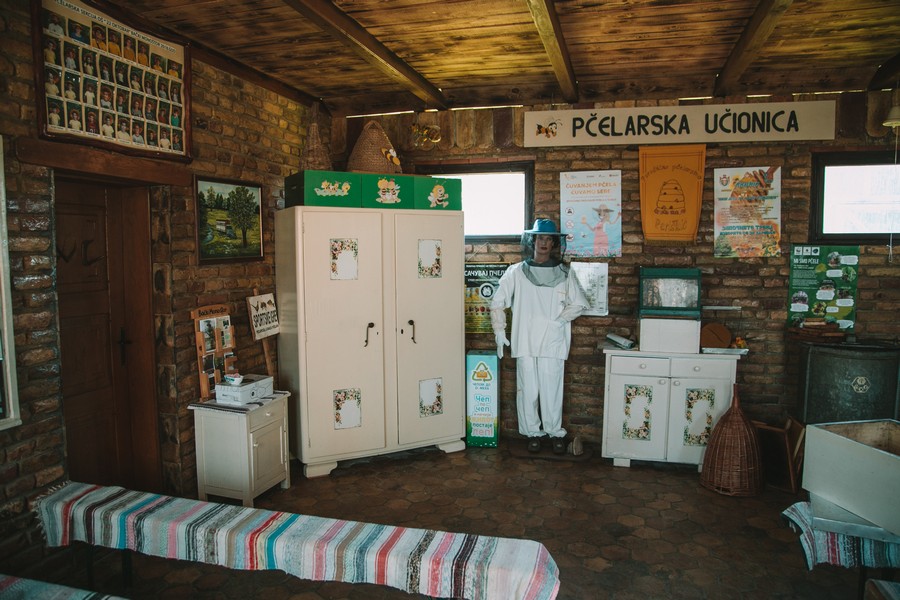
The Periškić Beekeeping Education Centre in Bački Monoštor offers a unique opportunity for visitors to discover the world of bees, traditional beekeeping and the importance...
Read more -
ANTERO FARMSTEAD – Temerin
Antero Farmstead is a family-owned farmstead with a history spanning more than 60 years. It has been welcoming visitors as a tourist destination for the...
Read more -

THE KRIVAC HOUSEHOLD
The Krivac agritourism farm is located in the eponymous settlement, which stretches from Sremski Karlovci to Banstol, at the meeting point of Mt. Fruška Gora...
Read more -
SALAŠ NA OBALI JEZERA (LAKE SHORE FARMSTEAD) – Тemerin
Located in the Temerin area, in the immediate vicinity of the Jegrička Nature Park, Lake Shore Farmstead offers an authentic yet well-maintained rural retreat, where...
Read more -
JAN ČAPELA ETHNO HOUSE – Selenča
Built in 1914, this house has since been transformed into a Slovak ethno-house. The owner, Jan Čapelja, inherited it from his family, and it was...
Read more -
“KOD MOG ĐOKE” FARMSTEAD – Mramorak
The traditional farmstead is located in the settlement of Leanka, near Mramorak, approximately 30 km from Kovin, in a pleasant woodland setting. It offers full-board...
Read more

-
BEOČIN MONASTERY – Beočin
Beočin Monastery, with its church dedicated to the Feast of the Ascension of Christ, is located on the edge of Fruška Gora in the village...
Read more -
RAKOVAC MONASTERY – Rakovac
Rakovac Monastery is located on the northern slopes of Fruška Gora, along the Rakovački stream, about ten kilometers from Novi Sad. The monastery is first...
Read more -
RAVANICA MONASTERY – Vrdnik
Ravanica Monastery – Vrdnik, with its church originally dedicated to St. John the Baptist and today to the Ascension, is mentioned in documents from 1566–1569....
Read more -
VELIKA REMETA MONASTERY – Velika Remeta
VELIKA REMETA MONASTERY, with its church dedicated to St. Demetrius, is traditionally linked to King Dragutin, but it more likely originated at the end of...
Read more -
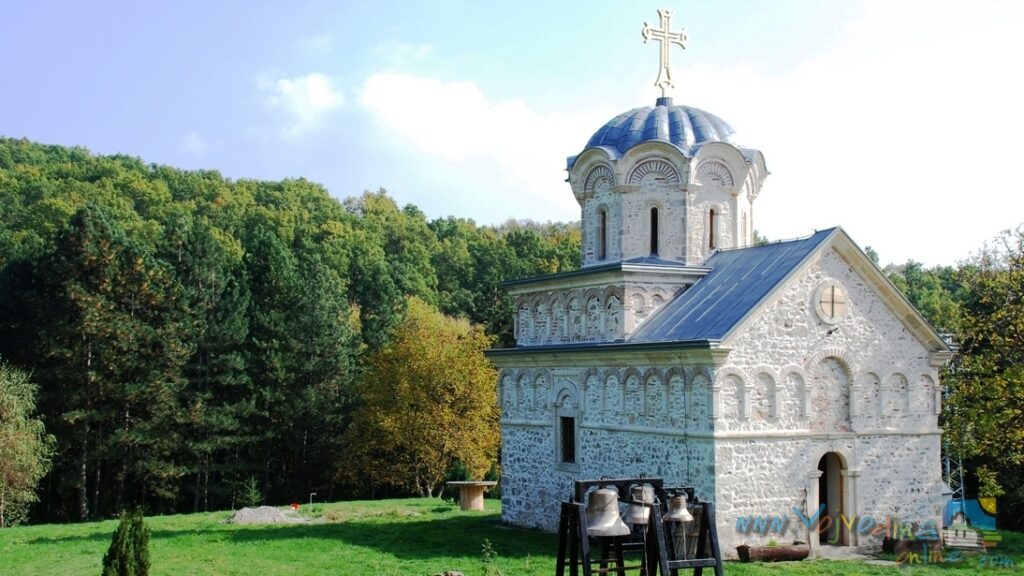
STARO HOPOVO MONASTERY – Irig
Staro Hopovo Monastery is situated in the eastern part of Fruška Gora mountains, 2 km away from the Monastery Novo Hopovo. According to tradition, was...
Read more -
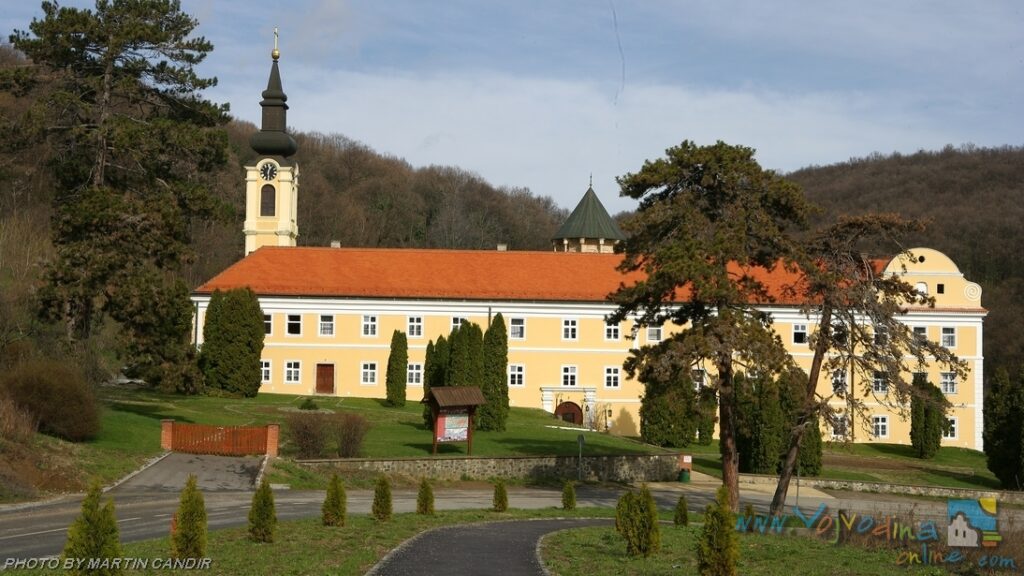
NOVO HOPOVO MONASTERY – Irig
NOVO HOPOVO MONASTERY, with its Church of St. Nicholas, represents the most significant sacred building of its era in this region in terms of architectural...
Read more
-
APATIN SYNAGOGUE – APATIN
Once the relatively small Jewish community in Apatin had achieved sufficient economic prosperity to finance the construction of a purpose-built place of worship, funds were...
Read more -
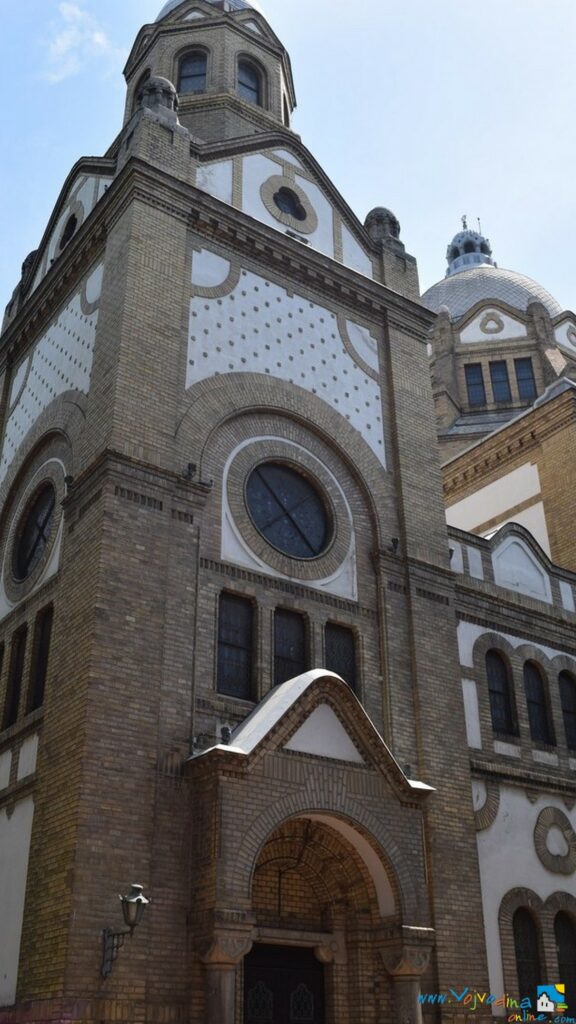
SYNAGOGUE – Novi Sad
Synagogue with the church parish and the former Jewish school is situated in Jewish Street. It was built in 1909, in the style of Hungarian...
Read more -
SMALL SYNAGOGUE – Subotica
The buildings of the Jewish Community houses the small synagogue at the ground floor. Originally it was a winter synagogue. It is nicely decorated with...
Read more -
SYNAGOGUE – Subotica
For its Synagogue, Subotica’s Jewish Community chose the design that won second prize in the Szeged synagogue architectural competition, thus making Subotica a home to...
Read more -
SYNAGOGUE – Vrbas
Before the World War II, there was a beautiful synagogue in Vrbas. It was destroyed during the war, and, nowadays, it can be seen only...
Read more

-
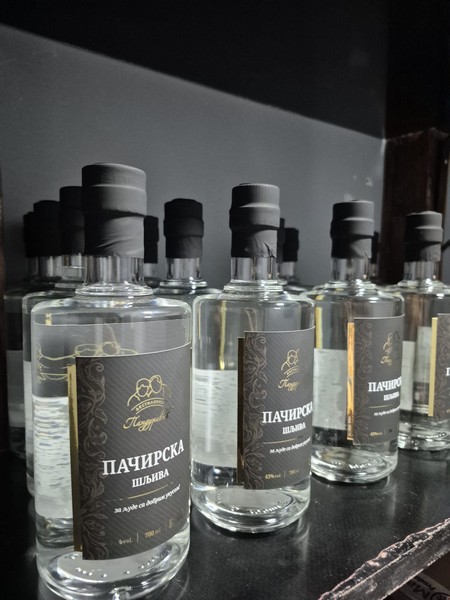
PANDUREVIĆ DISTILLERY – Pačir
“Pandurević” distillery is located in northern Serbia, in the village of Pačir, municipality of Bačka Topola. It produces traditionally made, authentic homemade rakijas (fruits brandies),...
Read more -
PUB “LIBEERI” – Inđija
Brewery LIBEERI is the first producer of domestic craft beer in the municipality of Indjija. The production plant with a capacity of 1,000 litres of...
Read more -
RESTAURANT & PUB “THE CAMELOT” – Novi Sad
The restaurant and the beer hall “The Camelot” offers breakfast, lunch, dinner, deserts, brand new kinds of beer ( light, red and dark), as well...
Read more -
THE PUB “LAZINO TELE” – Novi Sad
The pub is situated in the heart of Novi Sad, on only a few minutes of the Sloboda square and Zmaj Jovina street. Nice place...
Read more

-
WINERY “DRAGIĆ” – Riđica
Winery complex and vineyards are located in Riđica, close to the Hungarian border on the old road from Belgrade to Budapest, which have always been...
Read more -
CHARDA “BRUNAI” – Kupusina
Carda (Tavern) “Brunai” was built on the site of the former winter harbor for the boats. Carda is situated on the bank of the Monostor...
Read more -
NATIONAL HOUSE “SOKAČE” – Novi Sad
‘Sokače “is a place that will move you into slightly forgotten time, in Serbia of the twenties of the last century. Taverns at that time...
Read more -
CLUB-RESTAURANT “ŽAL ZA MLADOST” – Novi Sad
Serbian national restaurant “Zal za mladost” (Grief over Youth) was opened in 1995 and it represents the time from the end of the 19th and...
Read more
-
RUTHENIAN NATIONAL THEATRE “PETRO RIZNIČ ÐAÐA” – Ruski Krstur
The Ruthenian National Theatre “Đađa” was established in 1971 as the Amateur Ruthenian Theatre “Đađa,” with two stages: one in Ruski Krstur and one in...
Read more -
CULTURAL CENTRE – Kovin
The Cultural Centre is the main hub of cultural events in the Municipality of Kovin. We are the only institution in South Banat whose program...
Read more -
CULTURAL CENTRE – Kula
There is the amateur theatre, folk dance and art group in the cultural centre. Opening hours: weekdays from 7:00 AM to 3:00 PM.
Read more -
CULTURAL CENTER – Sivac
The Folklore Ensemble of the Cultural Center has been active for more than half a century, and its performances and achievements continue to shine like...
Read more
-
MUHAJIR MOSQUE – Subotica
This Muhajir Mosque is the first Islamic building that was built on the main road from Sofia to Budapest in the last two centuries (2008)....
Read more
-
KARAŠ RIVER – Bela Crkva
The Karaš River (Romanian: Caraș) rises in Romania and flows into the Danube–Tisa–Danube Canal (DTD) between Dupljaja and Grebenac. From there, its onward course towards...
Read more -
MOTORBOAT RIDE THROUGH KOVILJSKO – PETROVARADINSKI RIT – Kovilj
Motorboat rides through the Koviljsko–Petrovaradinski Rit Special Nature Reserve are organized by Vojvodina šume in cooperation with the Kovilj Eco-Centre. Each tour is announced 7...
Read more -
CANOE ADVENTURE THROUGH “KOVILJSKO-PETROVARADINSKI RIT”
Canoeing starts in Čortanovci and leads through beautiful wild swamps and promises an adventure full of surprises. There are 3 canoes with 5 seats, and...
Read more -
SAILING ON THE WATER – Palić
Information and reservations: Klub zadrugara “Dudaš” (+381 (0)64 127 2443) Agencija “Jedro” (+381 (0)69 288 6721)
Read more -
THE BEACH “RAJ” – Gaj
The geographical position of the beach Raj is at the same time it’s best recommendation. It’s enough to say that this beach is assigned by...
Read more -
KAYAK CLUB “VAL” – Sremska Mitrovica
The sport centre on water – Kayak club “Val” on 800 m2 with a gym, warehouse for boats and oars and with the disco club.
Read more
-
”DUKAT” RESTAURANT – Odžaci
“Dukat” Restaurant offers a unique atmosphere with an elegant and sophisticated setting, ideal for all kinds of celebrations, enjoying traditional dishes and experiencing first-class hospitality....
Read more -
”NIŠ” RESTAURANT – Bogojevo
“Niš” Restaurant in Bogojevo is a place where delicious food, warm hospitality and a welcoming atmosphere come together to create an authentic dining experience. Photographs...
Read more -
”MOJ ZAVIČAJ 89” RESTAURANT – Bački Gračac
”Moj Zavičaj 89” Restaurant is a place where traditional ambience, warm hospitality and a love of good food come together. Its welcoming atmosphere provides guests...
Read more -
”TRI LIPE” RESTAURANT – Odžaci
”Tri Lipe” Restaurant is a place where traditional home-style cooking, quality food and a welcoming atmosphere come together to create a truly memorable dining experience....
Read more -
”KOD BOBE I KATE” RESTAURANT – Lalić
Looking for a traditional Serbian restaurant in Odžaci? You’ve come to the right place! The restaurant offers a wide selection of local specialities, prepared according...
Read more -
”CAR” RESTAURANT – Odžaci
”Car” Restaurant specialises in traditional Serbian and international cuisine. Its menu includes grilled specialities, a selection of fish (carp, trout, zander and sea bass), veal...
Read more
-
ZOBNATICA – Zobnatica
Zobnatica is situated 5 km north of Bačka Topola. It is a tourist complex with a long-standing tradition and a diverse range of attractions. It...
Read more -
THE HUNTING GROUND “SREM – MAČVA” – Sremska Mitrovica
The hunting society “Sremska Mitrovica”, with the headquarters in Sremska Mitrovica, manages the hunting area “Srem – Mačva” on the surface of 68.866 ha, while...
Read more -
THE HUNTING GROUND “SRPSKI MILETIĆ” – Srpski Miletić
The hunting ground “Srpski Miletić” is situated near the fishing pond of the same name and it’s very specific because of that in hunting and...
Read more -
HUNTING GROUND VAROŠKI RIT – Kikinda
Hunting association “Kikinda” from Kikinda, managed hunting ground “Varoški rit” total area of 30.529 ha, of which hunting area includes 25.000 ha. The hunting ground...
Read more -
HUBERTUS – Ada
It is a specialized object for hunting tourism with all the additional contents. The accommodation capacity is 20 beds. Within the object there is also...
Read more -
HUNTING GROUND “KOŠTANAC” – Nova Crnja
It is located in the municipality of Nova Crnja, with total area of 27,287 ha, of which hunting area covers 25.336 ha. Game hunting offer:...
Read more
-
FEEDING SITE – Titel
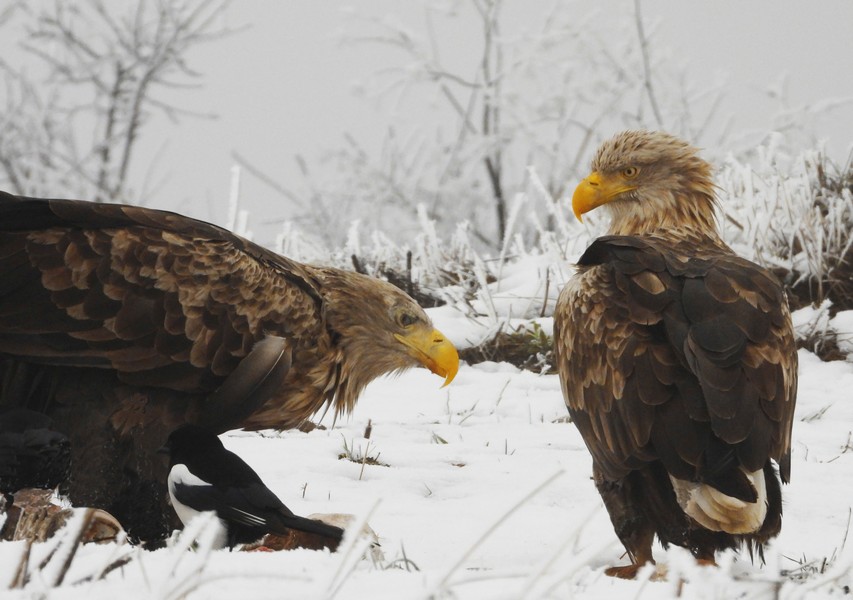
Face to Face with an Eagle To help provide food for scavenging birds and birds of prey during the winter months, the Titelski Breg Nature...
Read more -
”JEZERO” CREPAJA ECOLOGICAL GARDEN – Crepaja
In the heart of Banat, in the village of Crepaja, lies an oasis of peace and nature – the ”Jezero” Ecological Garden. Once a brickwork,...
Read more -
NATURE PARK “STARA TISA”
Nature Park “STARA TISA” near Biserno ostrvo (Pearl Island) covers an area of 391 ha, of which 6% is in protect mode II (the second)...
Read more -
THE FISH POND – Bečej
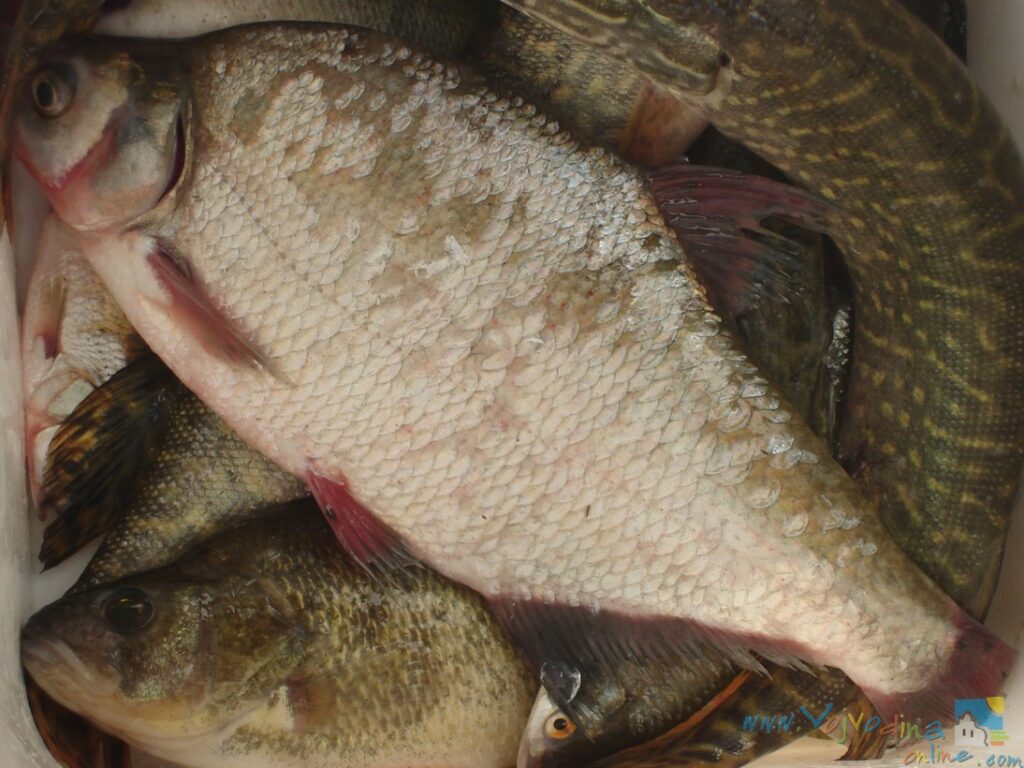
The Fish Pond Bečej was found in1968. It was built near the road Bečej – Bačko Gradište, and covers the surface of 650 ha. The...
Read more -
“DELIBLATSKA PEŠČARA” (DELIBLATO SANDS) SPECIAL NATURE RESERVE
In the south-eastern part of the Pannonian Plain, in Banat, lies the largest continental sand area in Europe, covering nearly 35,000 hectares. Elliptical in shape,...
Read more -
”OBEDSKA BARA” SPECIAL NATURE RESERVE
The Obedska Bara Special Nature Reserve is a world-famous wetland area which, throughout its long history, has served as a true refuge for wildlife, as...
Read more


-
TRSKOVAČA MARSH- Platičevo
Trskovača Marsh is located on the outskirts of the village of Platičevo, in the southern part of the municipality of Ruma. It was placed under...
Read more -
BOATING ALONG DANUBE AND ITS BACKWATERS
The trip includes: Srem breakfast on the pontoon on the Danube in Čortanovcima, boating from Cortanovci below beščanskog bridge to Krcedinska ade, ade tour, lunch...
Read more -
“CARSKA BARA” SPECIAL NATURE RESERVE
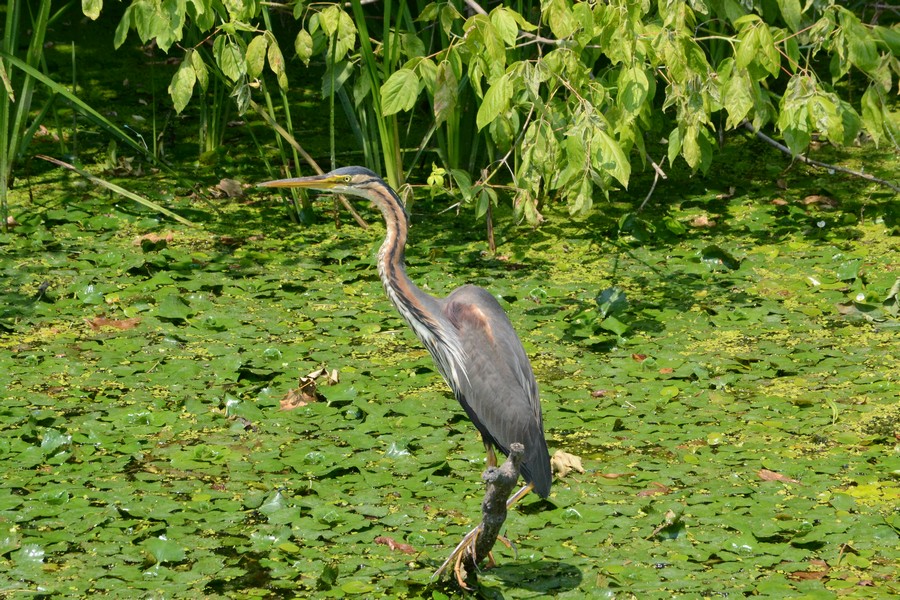
The ”Carska Bara” Special Nature Reserve is situated on the alluvial plain of the Begej and Tisa rivers, in the immediate vicinity of major roads...
Read more
-
„TERRA“ MUSEUM – Kikinda
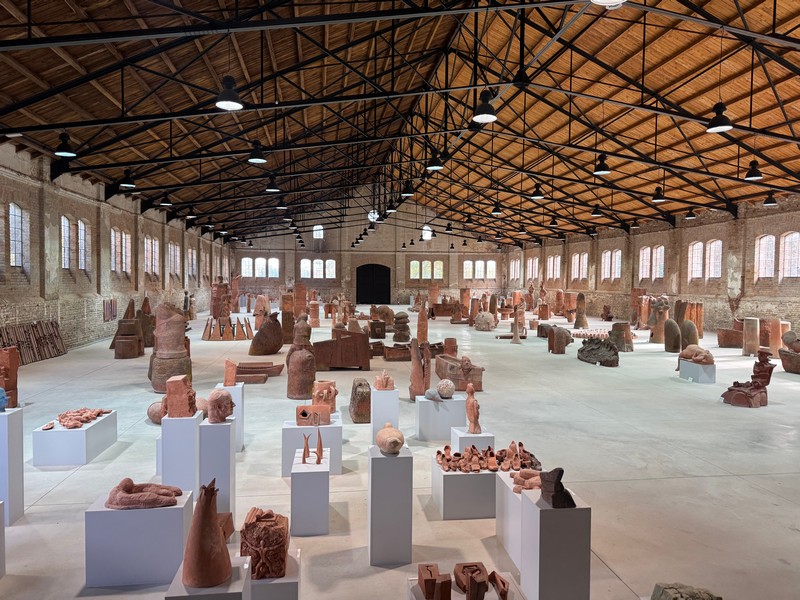
The Terra Museum in Kikinda opened in December 2017 in the former riding hall of the Kikinda military barracks. Its establishment fulfilled a long-standing vision...
Read more -
SPACE MUSEUM – Petrovaradin
The first technical museum in Novi Sad, and the first museum in the region dedicated to space, opened its doors on 1 December 2023 at...
Read more -
JAN ČAPELA ETHNO HOUSE – Selenča
Built in 1914, this house has since been transformed into a Slovak ethno-house. The owner, Jan Čapelja, inherited it from his family, and it was...
Read more -
ETHNO MUSEUM EXHIBITION OF DANUBE GERMANS – Аpatin
This sacred building was constructed in a pseudo-Romanesque style between 1931 and 1933 and was the largest Catholic church built in the Bačka region between...
Read more -
ŠOKCI HERITAGE HOUSE – Vajska
Located in the small village of Vajska, within the Municipality of Bač, the house was restored and officially opened on 14 July 2019. Its opening...
Read more


-
WINERY “VUCIJI PODRUM”- Sombor
“Vučji podrum” from Sombor, is a young family winery founded in 2012. by Vuk Vujko, B.Sc. In engineering of fruit growing and wine producing, combined...
Read more -
WINERY “DRAGIĆ” – Riđica
Winery complex and vineyards are located in Riđica, close to the Hungarian border on the old road from Belgrade to Budapest, which have always been...
Read more -
WINERY “AVEN” – Indjija
The small family winery Aven was opened in 2019 in Indjija. It is equipped with modern technology and comfortably packed in the family house in...
Read more -
WINERY “VINARTOS” – Becej
Winery “Vinartos” is located in Becej in the Central Potiska river wine-growing region. Vinartos Winery is a small family winery that is a combination of...
Read more


-
BLANDAŠ PARK WALKING TRAIL – Kikinda
The Blandaš Park walking trail starts in Kikinda, with access from Branka Vujina Street. The route is 1 km long, with an estimated walking time...
Read more -
OLD LAKE WALKING TRAIL – Kikinda
This walking trail runs through Kikinda and is just 1 km long, with an estimated walking time of 30 minutes. The trail consists of both...
Read more -
ZAGAJIČKA BRDA HIKING TRAIL – Bela Crkva
The Zagajička Brda Educational Walking Trail is located within the Deliblato Sands Special Nature Reserve, along the Grebenac route. The trail is between 6 and...
Read more -
PEŠAČKA STAZA MALI PESAK – Bela Crkva
Ova edukativna staza se nalazi u predelu izuzetnih odlika Karaš – Nera, u dužini od 5km i procenjeno vreme trajanja je 2.5h. Staza nije označena,...
Read more -
THE PICNIC GROUND ZMAJEVAC – Fruška Gora
It is situated in the National park of Fruška Gora, on the road from Iriški Venac to Crveni Čot. Zmajevac is known because you have...
Read more -
”OBEDSKA BARA” SPECIAL NATURE RESERVE
The Obedska Bara Special Nature Reserve is a world-famous wetland area which, throughout its long history, has served as a true refuge for wildlife, as...
Read more
-
NATURE PARK “STARA TISA”
Nature Park “STARA TISA” near Biserno ostrvo (Pearl Island) covers an area of 391 ha, of which 6% is in protect mode II (the second)...
Read more -
BEACH IN ADA – Ada
The beach in Ada is shallow and sandy, and is perhaps the most beautiful beach on the river Tisa. On its territory there is the...
Read more -
„RITOVI DONjEG POTISJA“ SPECIAL NATURE RESERVE
The “Ritovi Donjeg Potisja” Special Nature Reserve is located in the central part of Vojvodina, along both the left and right banks of the Tisa...
Read more
-
JAN ČAPELA ETHNO HOUSE – Selenča
Built in 1914, this house has since been transformed into a Slovak ethno-house. The owner, Jan Čapelja, inherited it from his family, and it was...
Read more -
HERITAGE HOUSE – Ada
The Heritage House offers a glimpse into the traditional way of life of previous generations. Guests can take part in a variety of activities, including...
Read more -

ETHNO HOUSE “BAKIN SPOMENAR” – Bezdan
Within the association “BAKIN SPOMENAR” in Bezdan, which was established on May 16, 2022, there is an Ethno House carrying the same name. It is...
Read more -
ETHNO HOUSE “KOD TAŠTE” – VRDNIK
The traditional Ethno House “KOD TAŠTE”, a rural tourism establishment, is situated in a peaceful part of Vrdnik, 2.4 km from the thermal spa. The...
Read more -
ŠOKAČKA ETHNO HOUSE – Bački Breg
In the 250 m² ethno house, there are objects from the 18th century, as well as colourful “šokački” costumes with over 800 clothing items. In...
Read more


-
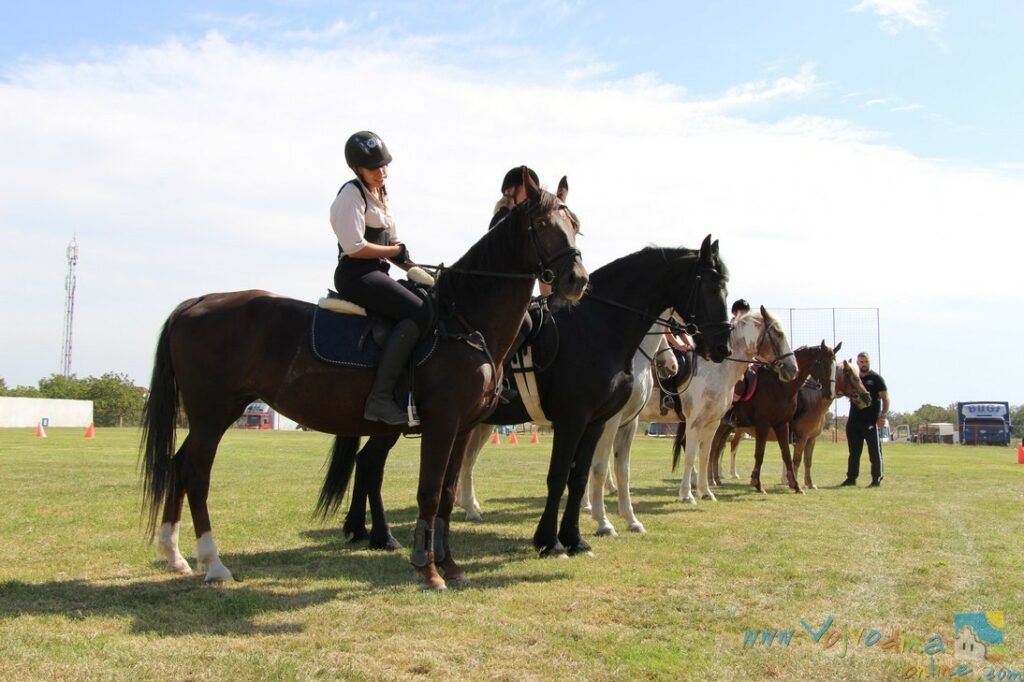
“KARAĐORĐEVO” STUD FARM AND MUSEUM – Karađorđevo
The renowned Karađorđevo Stud Farm is situated in the south-western part of Bačka and was established as early as 1885. Initially, Nonius horses were bred...
Read more -
ZOBNATICA – Zobnatica
Zobnatica is situated 5 km north of Bačka Topola. It is a tourist complex with a long-standing tradition and a diverse range of attractions. It...
Read more -
“KELEBIJA” STUD FARM – Kelebija
At the northernmost point of Serbia, right at the border crossing and only a few minutes’ drive from the center of Subotica, lies the well-known...
Read more -
“MAMBO” EQUESTRIAN CLUB – Šakotinac
They organize walks as well as horseback riding for adults and children.
Read more -
“MIRELA” EQUESTRIAN CLUB – Belegiš
Equestrian Club Mirela is located 20 km from Belgrade and features 20 stalls built according to all European standards for horse breeding and care. The...
Read more -
”BUNFORD” STUD FARM – Subotica
In a pleasant and relaxing atmosphere, guests are offered the opportunity to experience the spirit of local tradition through a variety of activities. Visitors can...
Read more
-
“KRALJEVAC” SPECIAL NATURE RESERVE
The ‘Kraljevac’ Special Nature Reserve extends across an area that was once part of the Pannonian Sea, where wind activity formed a loess terrace into which the...
Read more -
“DELIBLATSKA PEŠČARA” (DELIBLATO SANDS) SPECIAL NATURE RESERVE
In the south-eastern part of the Pannonian Plain, in Banat, lies the largest continental sand area in Europe, covering nearly 35,000 hectares. Elliptical in shape,...
Read more -
”OBEDSKA BARA” SPECIAL NATURE RESERVE
The Obedska Bara Special Nature Reserve is a world-famous wetland area which, throughout its long history, has served as a true refuge for wildlife, as...
Read more -
„RITOVI DONjEG POTISJA“ SPECIAL NATURE RESERVE
The “Ritovi Donjeg Potisja” Special Nature Reserve is located in the central part of Vojvodina, along both the left and right banks of the Tisa...
Read more -
“KOVILJSKO-PETROVARADINSKI RIT” SPECIAL NATURE RESERVE
ILocated in the vicinity of Novi Sad, the Koviljsko-petrovaradinski rit Special Nature Reserve is a complex of marshland, wetland and forest ecosystems, supporting numerous biological...
Read more -
“SLANO KOPOVO” SPECIAL NATURE RESERVE – Novi Bečej
Slano Kopovo is one of the last remaining preserved saline marshes in Vojvodina. It was designated a Special Nature Reserve in 2001. It is an...
Read more


-
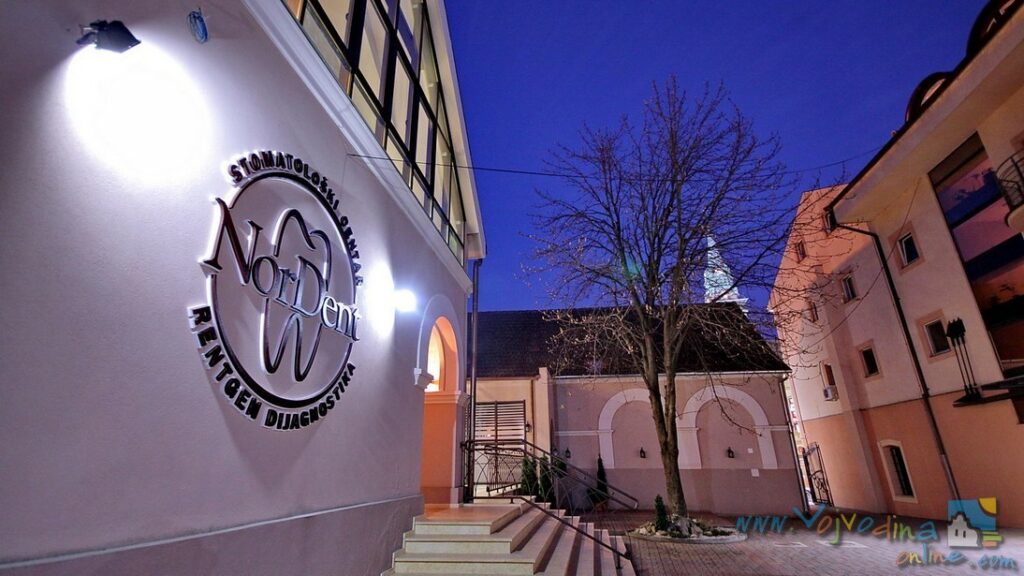
DENTAL CENTER NORDENT – Subotica
According to the modern global trends Dental Center “NorDent” belongs to the leading centres of “dental tourism” in Serbia. A vast net of trained and...
Read more
-
„TERRA“ MUSEUM – Kikinda
The Terra Museum in Kikinda opened in December 2017 in the former riding hall of the Kikinda military barracks. Its establishment fulfilled a long-standing vision...
Read more -
SPACE MUSEUM – Petrovaradin
The first technical museum in Novi Sad, and the first museum in the region dedicated to space, opened its doors on 1 December 2023 at...
Read more -
ŠOKCI HERITAGE HOUSE – Vajska
Located in the small village of Vajska, within the Municipality of Bač, the house was restored and officially opened on 14 July 2019. Its opening...
Read more -
ETHNO MUSEUM EXHIBITION OF DANUBE GERMANS – Аpatin
This sacred building was constructed in a pseudo-Romanesque style between 1931 and 1933 and was the largest Catholic church built in the Bačka region between...
Read more -
LOCAL MUSEUM “PRIGREVICA” – Prigrevica
The Local Museum, featuring exhibits from Lika and Banija, is housed within the Cultural Center. It represents the historical, ethnological, and sociological aspects of the...
Read more -
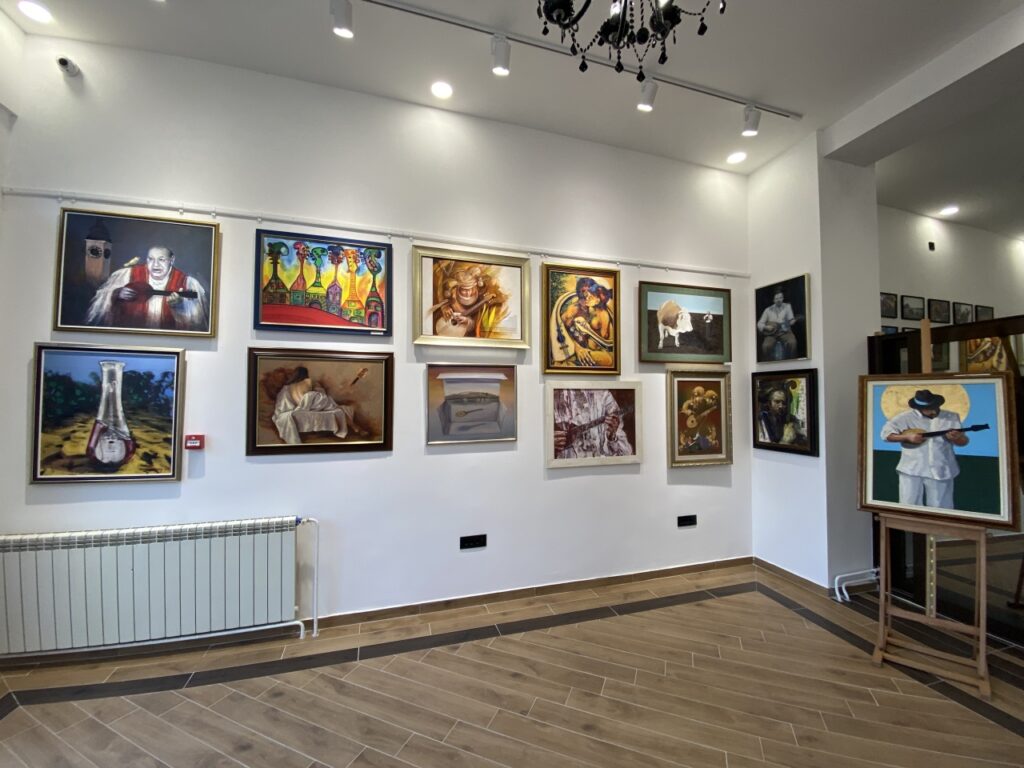
TAMBURICA FEST MUSEUM – NOVI SAD
Novi Sad has in recent years gained a new museum dedicated to “her majesty” – the tamburica. In celebration of the city’s title as European...
Read more

-
VINARIUM WINERY – Banoštor
Vinarium is a relatively young winery, established in 2009. It is located in the Srem village of Banoštor, one of the oldest settlements in the...
Read more -
WINERY “VUCIJI PODRUM”- Sombor
“Vučji podrum” from Sombor, is a young family winery founded in 2012. by Vuk Vujko, B.Sc. In engineering of fruit growing and wine producing, combined...
Read more -
WINERY “DRAGIĆ” – Riđica
Winery complex and vineyards are located in Riđica, close to the Hungarian border on the old road from Belgrade to Budapest, which have always been...
Read more -
WINE MANUFACTURE SPASIĆ – Novi Slankamen
Winery and distillery Manufaktura Spasić, founded in 1999, is located in Novi Slankamen, in Jovana Dučića Street no. 6. Somewhere between the Danube and the...
Read more -
WINERY “AVEN” – Indjija
The small family winery Aven was opened in 2019 in Indjija. It is equipped with modern technology and comfortably packed in the family house in...
Read more -
WINERY “VINARTOS” – Becej
Winery “Vinartos” is located in Becej in the Central Potiska river wine-growing region. Vinartos Winery is a small family winery that is a combination of...
Read more

-
“TERMAL” SPA AND REHABILITATION CENTER – Vrdnik
For more than four decades, Termal Spa in Vrdnik has combined the healing properties of its natural thermal water with the expertise of a highly...
Read more -
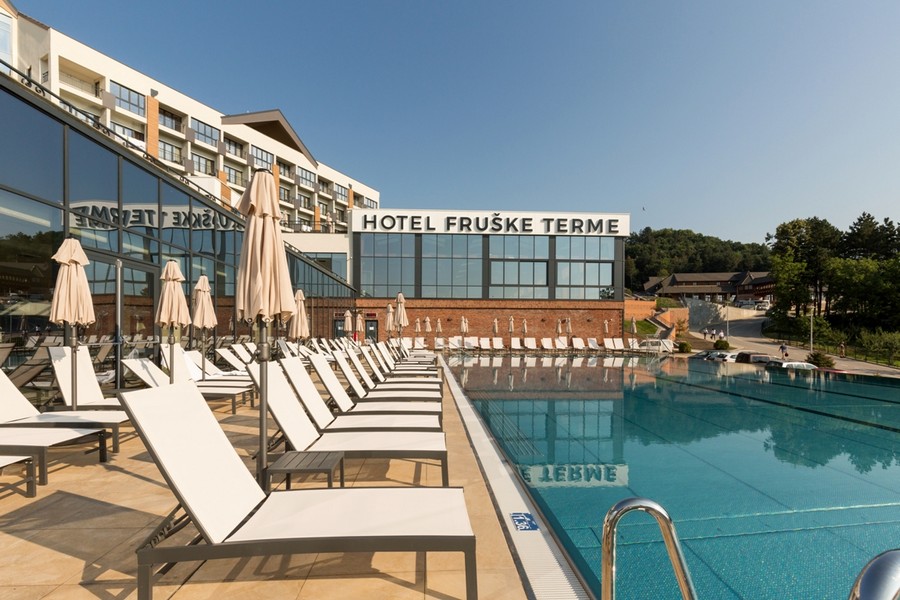
FRUŠKE TERME HOTEL AND SPA – Vrdnik
Nestled on the slopes of Fruška Gora, Fruške Terme is a luxury hotel and spa complex operated by Promont Group d.o.o., which also owns Hotel...
Read more -
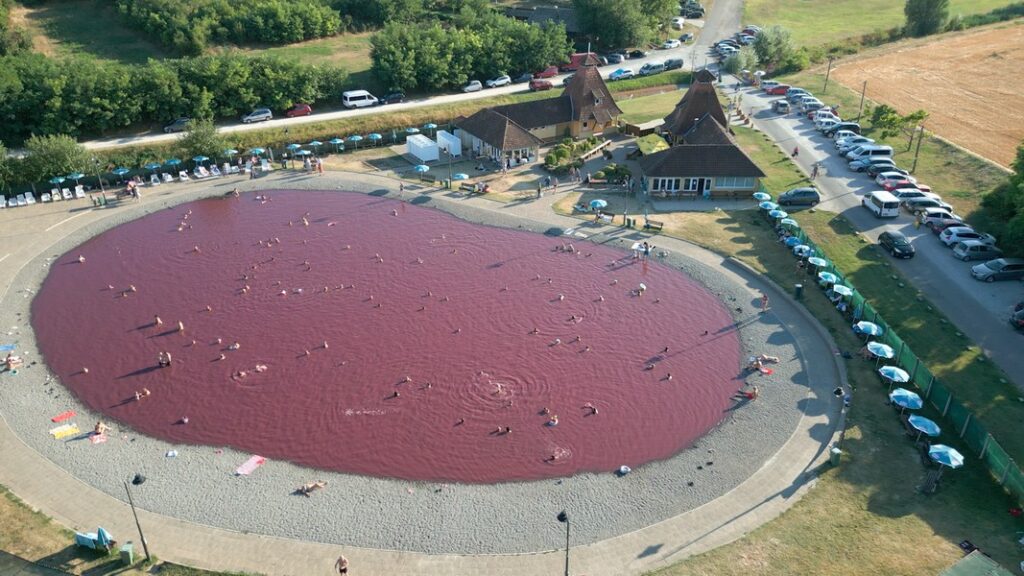
PAČIR THERMAL SPA – Pačir
The medicinal thermal water of Pačir rises to the surface from a depth of 1,400 metres. At the source itself, the water reaches a temperature...
Read more -
JUNAKOVIĆ SPA – Apatin
Located in the far north-west of Vojvodina, 4.5 kilometres from Apatin and the Danube, on the very edge of a beautiful forest, Junaković Spa is...
Read more -
SPA KANJIŽA – Kanjiža
Over more than nine decades, the spa “Kanjiža” has developed into a modern Institute for Rehabilitation. It offers the hospitality to those who need rest,...
Read more -
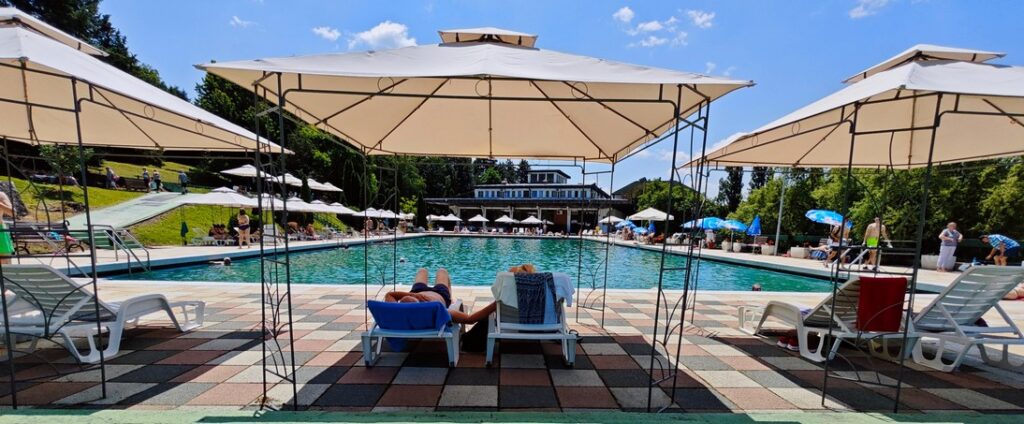
TERMAL POOL – Palić
nearby the Men’s Strand 50 m from the lake Outdoor thermal pool showers / WC changing rooms Water is thermal and healing (sodium hydro-carbonate-sulphide-iodine water)....
Read more
-
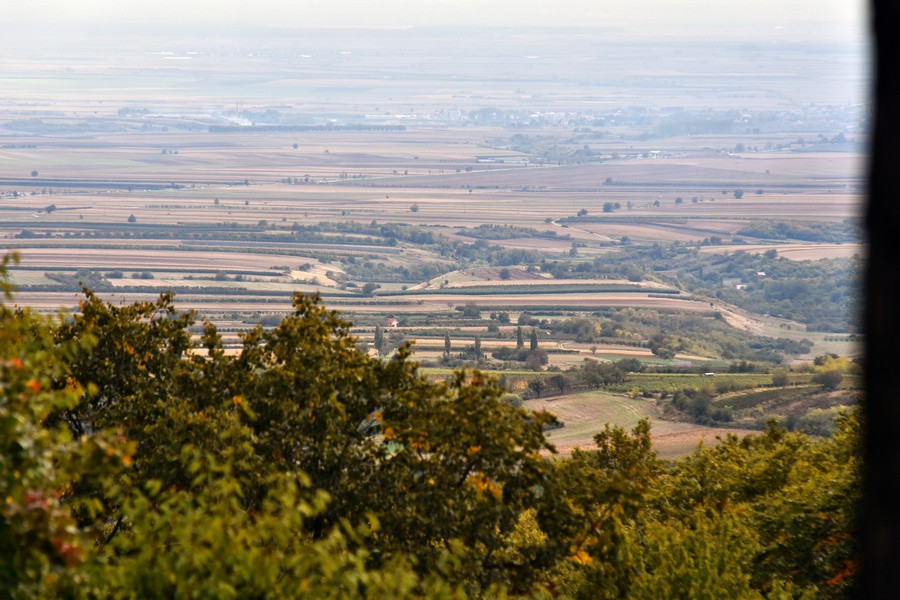
“FRUŠKA GORA” NATIONAL PARK
The name of the National Park derives from the name of the mountain of the same name. The term Fruška Gora contains, in its adjectival...
Read more
-
BAKAJIN GALLERY–ATELIER – Sremski Karlovci
The Bakajin Gallery-Atelier is located in the small town of Sremski Karlovci, the centre of the Eparchy of Srem, surrounded by monasteries on Fruška Gora....
Read more -
“SEZAN ART” GALLERY – Novi Sad
Opening Hours: Monday–Friday: 10:00 AM – 1:00 PM and 4:00 PM – 8:00 PM Saturday: 10:00 AM – 2:00 PM Sunday: Closed
Read more -
“JOVAN POPOVIĆ” GALLERY – Opovo
The “Jovan Popović” Gallery in Opovo is a specialized institution where exhibitions of various types are held, ranging from museum exhibits to works of contemporary...
Read more -
CULTURAL CENTRE – Kovin
The Cultural Centre is the main hub of cultural events in the Municipality of Kovin. We are the only institution in South Banat whose program...
Read more -
CULTURAL CENTRE – Kula
There is the amateur theatre, folk dance and art group in the cultural centre. Opening hours: weekdays from 7:00 AM to 3:00 PM.
Read more

-
TRSKOVAČA MARSH- Platičevo
Trskovača Marsh is located on the outskirts of the village of Platičevo, in the southern part of the municipality of Ruma. It was placed under...
Read more -
MEĐEŠ LAKE – Šatrinci
The lake is rich in fish species such as zander, Prussian carp, grass carp, common carp, and various whitefish species, making it a well-known destination...
Read more -
“ŠLJUNKARA” LAKE – Kovin
The Šljunkara recreational area is situated just 2.5 km from Kovin, nestled within a beautiful belt of woodland, and is a favourite leisure destination among...
Read more -
KRIVAJA LAKE – Krivaja
Krivaja is located 14 km west of Bačka Topola. The settlement resembles a park-like area, with gently rolling, wooded green spaces. It is a popular...
Read more -
BEACH IN ADA – Ada
The beach in Ada is shallow and sandy, and is perhaps the most beautiful beach on the river Tisa. On its territory there is the...
Read more -
SAVA LAKE – Panonija
Panonija is an oasis of peace, offering opportunities for relaxation and walking, as well as sports and recreation thanks to numerous sports grounds. Near the...
Read more
-
FRUŠKE TERME HOTEL AND SPA – Vrdnik
Nestled on the slopes of Fruška Gora, Fruške Terme is a luxury hotel and spa complex operated by Promont Group d.o.o., which also owns Hotel...
Read more -
PAČIR THERMAL SPA – Pačir
The medicinal thermal water of Pačir rises to the surface from a depth of 1,400 metres. At the source itself, the water reaches a temperature...
Read more -
JUNAKOVIĆ SPA – Apatin
Located in the far north-west of Vojvodina, 4.5 kilometres from Apatin and the Danube, on the very edge of a beautiful forest, Junaković Spa is...
Read more -
“PETROLAND” AQUA PARK – Bački Petrovac
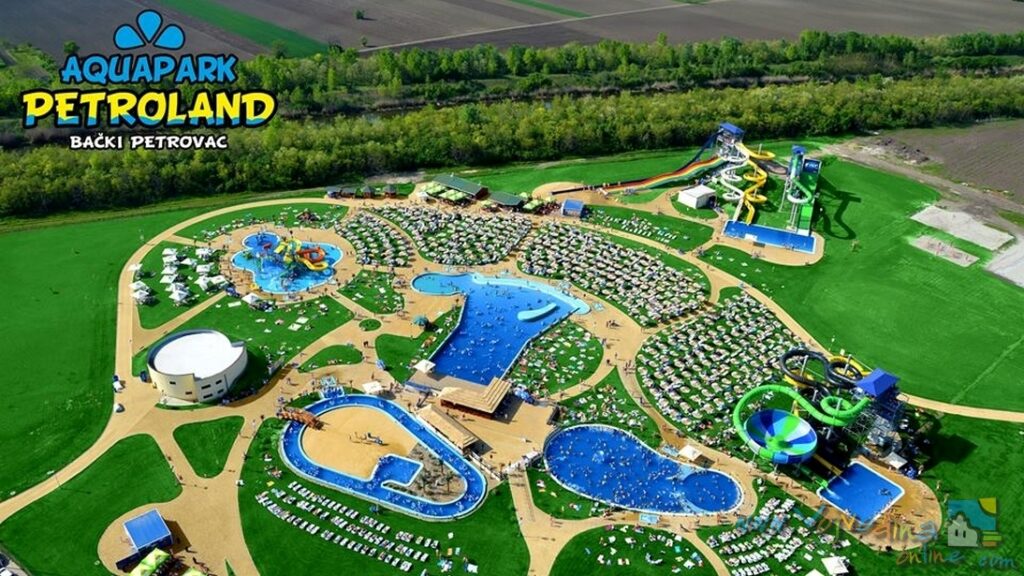
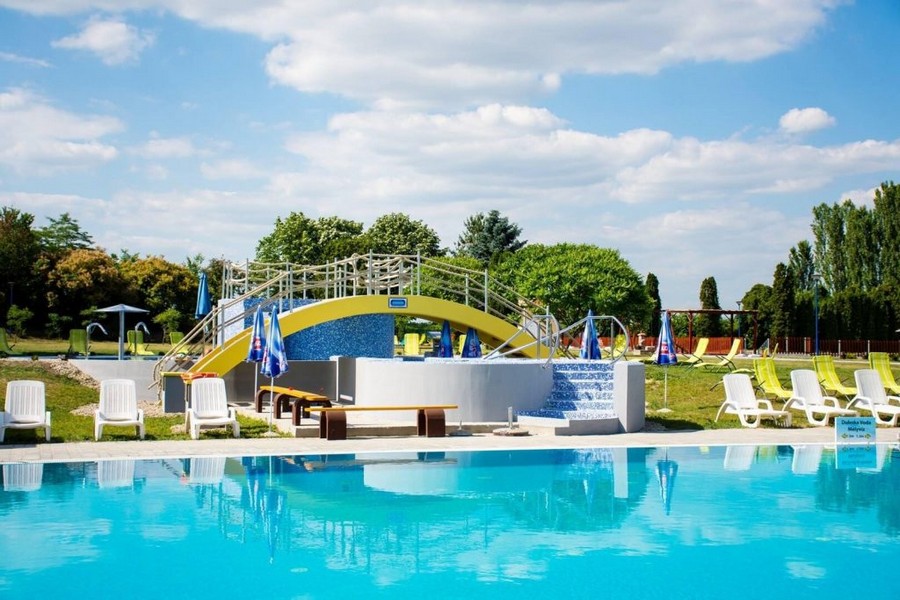
PETROLAND AQUA PARK is the largest tourist and leisure attraction of its kind ever built in Serbia, covering an area of 8 hectares. It is...
Read more -
“PROZIVKA” INDOOR SWIMMING POOL – Subotica
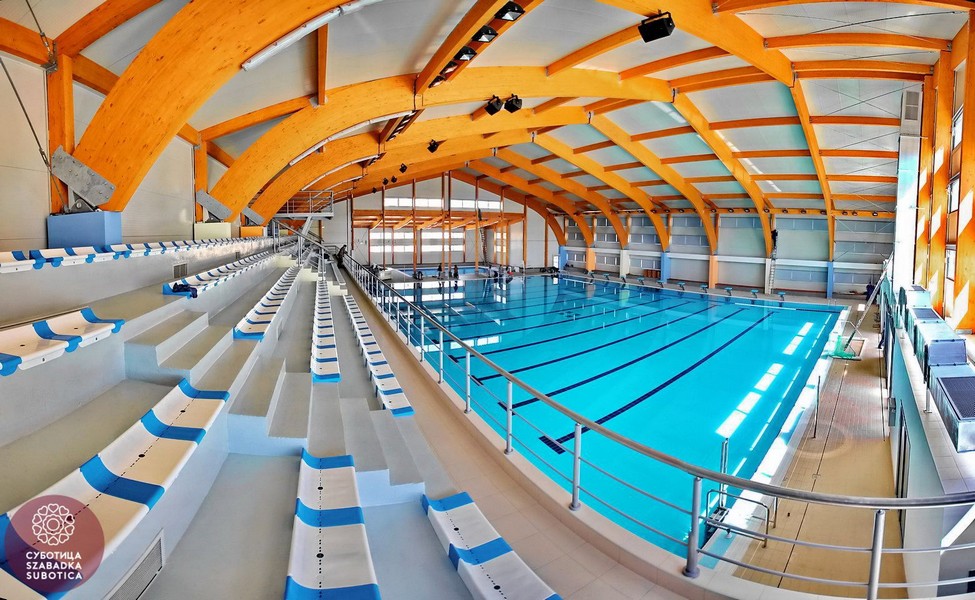
There are two pools within the complex: a larger pool measuring 33 × 25 × 2 metres, and a smaller pool measuring 10 × 10...
Read more -
LOTUS SPA CENTRE – Bačka Palanka
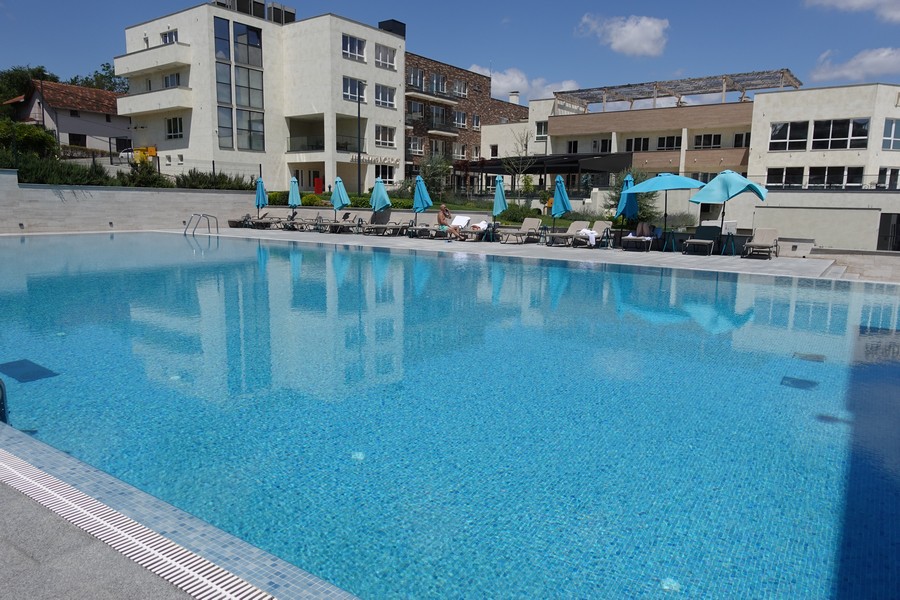
LOTUS Spa Centre in Bačka Palanka has been operating since 2013 and offers the following facilities and services:
Read more

-
”NORDIC RESORT” SWIMMING POOLS – Sremska Kamenica
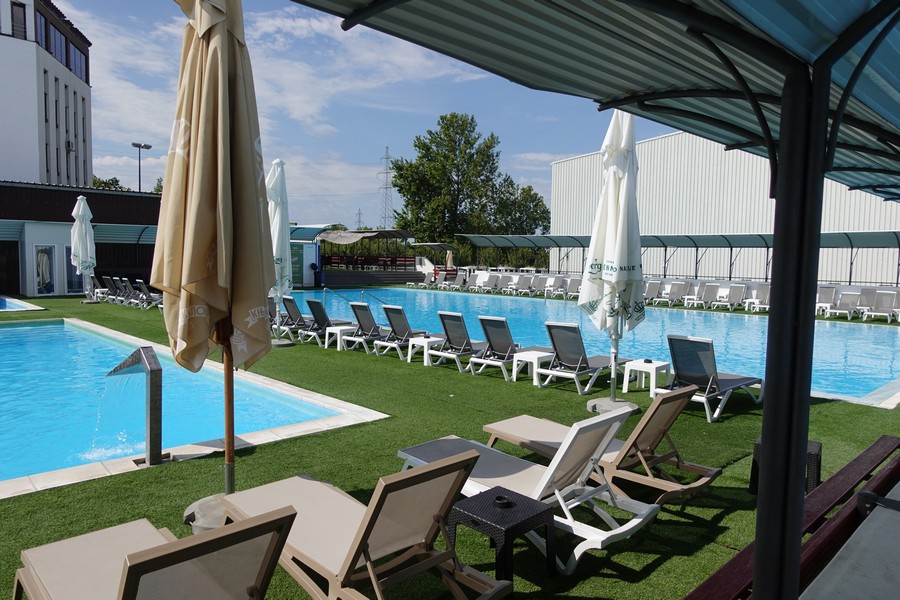
Nordic Resort offers both outdoor and indoor swimming pools, along with a steam bath, sauna, salt room, and tepidarium. Outdoor Pools Indoor Pools Opening hours:...
Read more -
”SOLE MIO” HOTEL SWIMMING POOLS – Novi Sad
Hotel Sole Mio offers both indoor and outdoor swimming pool complexes, as well as a Finnish sauna, mild sauna, steam bath, heated benches, and a...
Read more -
SPORTS CENTER SWIMMING POOLS – Futog
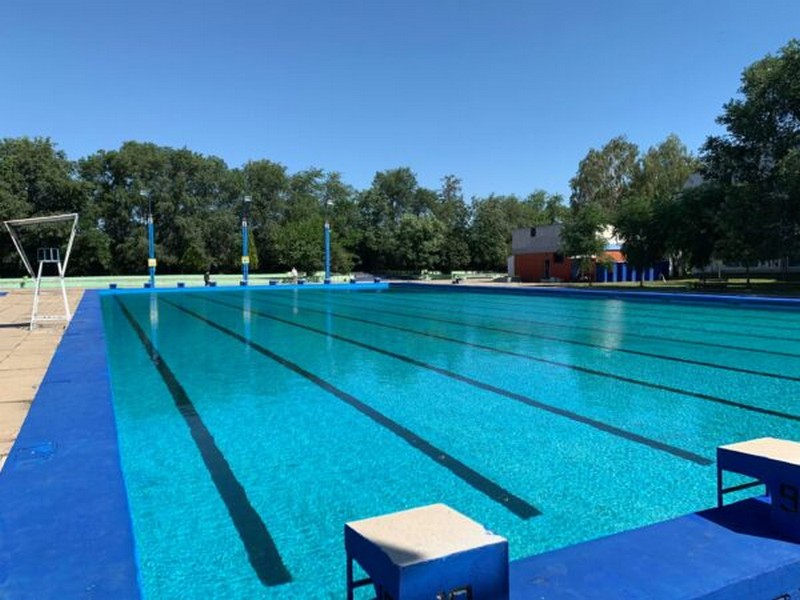
The Futog Sports Centre features two indoor swimming pools: an Olympic-sized pool and a children’s pool divided into two sections. Olympic Pool Children’s Pool (Deeper...
Read more -
CITY SWIMMING POOL – Zrenjanin
The City Swimming Pool in Zrenjanin is one of the most visited summer bathing areas in the city and a favourite place for refreshment during...
Read more -
”VENUS” CITY SWIMMING POOL- Bačka Topola
The swimming pool measuring 25 × 21 metres, with a depth ranging from 140 to 180 cm and a water temperature of 26–27°C, is an...
Read more -
RECREATIONAL CENTRE – Stara Moravica
The recreational centre in Stara Moravica has four swimming pools with expansive water surfaces and built-in lighting. The water temperature in the swimming pool and...
Read more
-
“KOZMA LAJOŠ” LIBRARY – Feketić
It is located within the premises of the KUD (Cultural and Artistic Society). Literary evenings, book launches, and scientific lectures are held there. The library...
Read more -
MUNICIPAL LIBRARY – Kovačica
The Central Library of the municipality is located in Kovačica. Its collection comprises 25,000 books, equally represented in Serbian and Slovak languages. The library has...
Read more -
“ĐURA JAKŠIĆ” PUBLIC LIBRARY – Srpska Crnja
The municipal cultural institution, the Public Library “Đura Jakšić”, was founded in 1964. The central library is located in Srpska Crnja and has a total...
Read more -
PUBLIC LIBRARY – Novi Bečej
The Public Library is located in Novi Bečej, a small town with 15,404 inhabitants. Of this population, 30% are of Hungarian nationality. This is an...
Read more

-
ROMAN CATHOLIC CHAPEL OF OUR LADY OF THE ROSARY – Alibunar
The Roman Catholic Chapel of Our Lady, Queen of the Holy Rosary, is located in the centre of the settlement and is relatively modest in...
Read more -
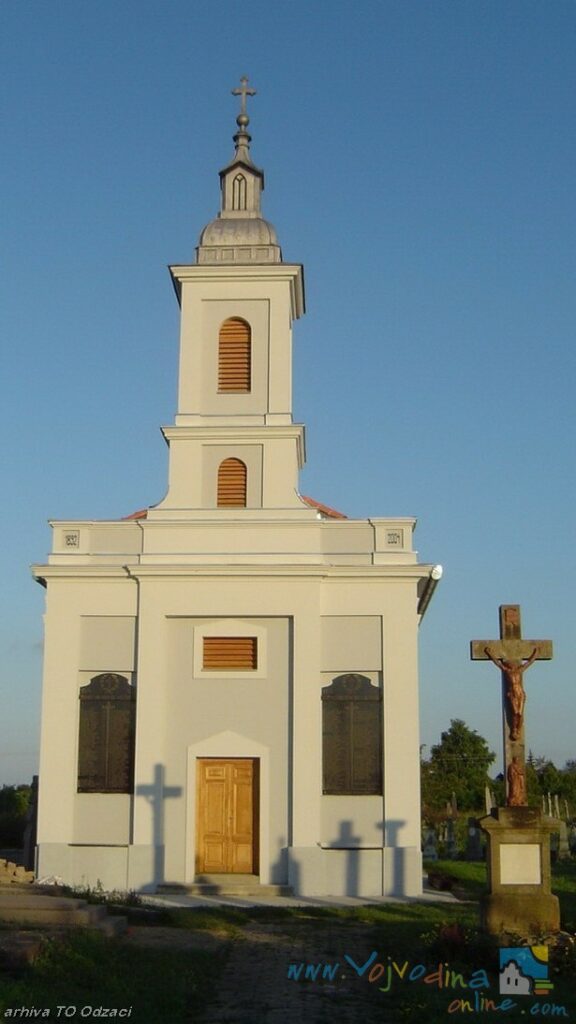
ST. WENDELIN CATHOLIC CEMETERY CHAPEL – Odžaci
St. Wendelin Catholic Cemetery Chapel in Odžaci was built in 1893 on the place of an earlier chapel from 1776. It was completely renovated in...
Read more -
CALVARY – Bačka Topola
The Calvary is situated on the highest peak of the town and is the master of the very center of the town. There are no...
Read more -
THE CHAPEL “MONASTERY” – Novi Bečej
The chapel Manastir – on the old cult place near Tisa – where, according to old stories, the Turks burn the Serbian monastery- which was...
Read more

-
FRUŠKE TERME HOTEL AND SPA – Vrdnik
Nestled on the slopes of Fruška Gora, Fruške Terme is a luxury hotel and spa complex operated by Promont Group d.o.o., which also owns Hotel...
Read more -
“TERMAL” SPA AND REHABILITATION CENTER – Vrdnik
For more than four decades, Termal Spa in Vrdnik has combined the healing properties of its natural thermal water with the expertise of a highly...
Read more -
PAČIR THERMAL SPA – Pačir
The medicinal thermal water of Pačir rises to the surface from a depth of 1,400 metres. At the source itself, the water reaches a temperature...
Read more -
JUNAKOVIĆ SPA – Apatin
Located in the far north-west of Vojvodina, 4.5 kilometres from Apatin and the Danube, on the very edge of a beautiful forest, Junaković Spa is...
Read more -
LOTUS SPA CENTRE – Bačka Palanka
LOTUS Spa Centre in Bačka Palanka has been operating since 2013 and offers the following facilities and services:
Read more -
SPECIAL HOSPITAL FOR NEUROLOGICAL ILLNESSES AND POST-TRAUMATIC STATES “DR BORIVOJE GNJATIC” – Stari Slankamen
In Old Slankamen there is one of the rare springs of salty water on the territory of Vojvodina, Slanača, after which maybe this place got...
Read more
-
SPORTS CENTER RUMA – Ruma
The Sports Centre complex spreads on the surface area of 6167.01 m². consisting of a large hall, automatic bowling alley, fitness center, judo hall, small...
Read more -
SPORTS CENTER “SOKO” – Sombor
The construction of the “Sokolski dom” began in 1926 and was completed the following year. The building was built in Byzantine style. At the time...
Read more -
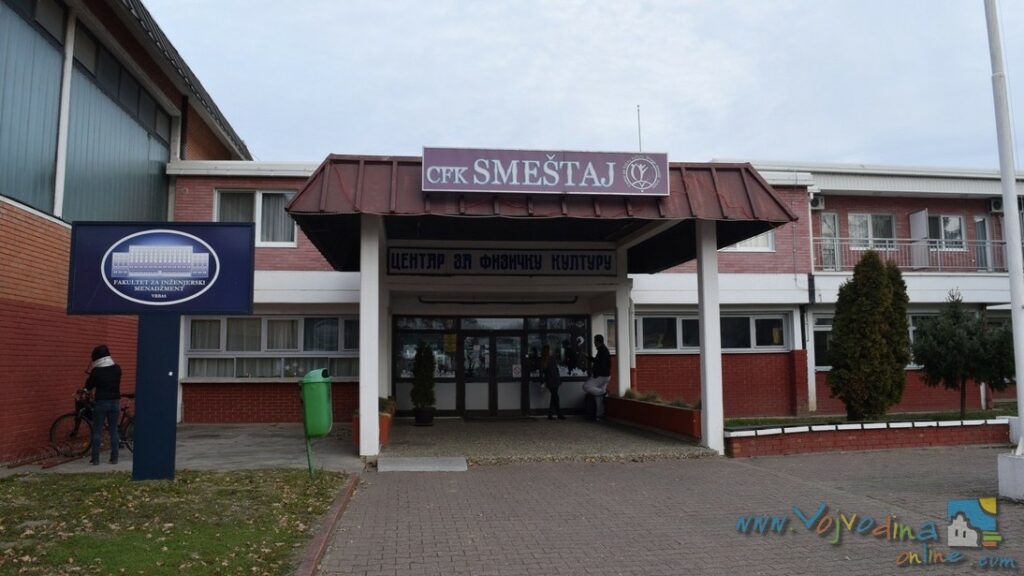
CENTRE FOR PHYSICAL CULTURE “DRAGO JOVOVIĆ” – Vrbas
Outdoor sports facilities of the Center for Physical Culture are : two volleyball fields two basketball courts two volleyball asphalt courts football field – mini...
Read more -
CITY SPORT HALL “MOSTONGA” – Sombor
City Hall “Mostonga” was built in 1971 and is used for training and competition, physical education, the implementation of recreational programs, maintenance of cultural, entertainment...
Read more -
THE SPORTS AND RECREATION CENTER “SLAVIJA” – Kovačica
The sport recreational centre has many different fields for sport and recreation. That are the main football pitch with the stands, pitch for the small...
Read more
-
“EPIC ADVENTURES” AGENCY – Novi Sad
“Epic Adventure” is an agency specializing in the organization of fun, recreational, and adventure programs in nature. Within its activities, the agency prepares and implements...
Read more -
ADRENALIN PARK “ZEMLJA ČUDA” (WONDERLAND) – Novi Sad
Adrenaline Park, first of its kind in Vojvodina, gives you thrilling recreation on the climbing obstacle platforms divided according to a level of difficulty, length...
Read more -
PARAGLIDING – Beočin
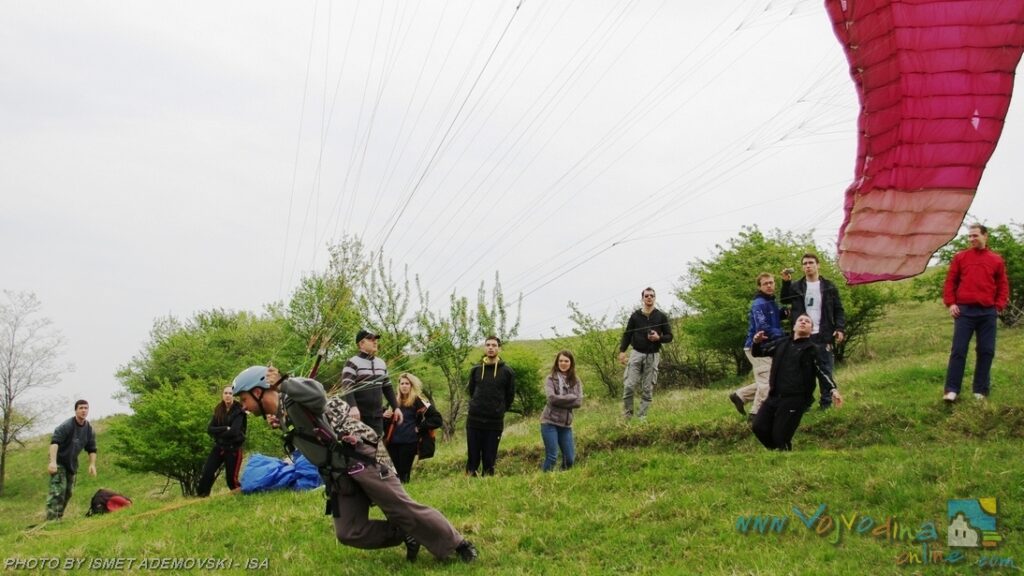
Parasailing or paraglider is one of the newest air sports, and one of the easiest ways to achieve the dream of flying. This sport is...
Read more -
HANG-GLIDING – Titel
Hang-gliding over Special nature reserve “Titel hill” and Tisa river.
Read more
-
”RESET” EVENT CENTRE – Sremska Kamenica
Reset Event Centre is a venue available for rent for special occasions, allowing you to host events in complete privacy within the club space. This...
Read more -
CLUB “MUZEJ” – Novi Sad
Club “Muzej” (Museum) is situated on the Fortress of Petrovaradin. If you want to avoid the town centre but still be in an exclusive and...
Read more -
LONDON CLUB – Novi Sad
Club “London” is situated in a small street in Novi Sad. Pleasant atmosphere and beautiful ambience characterize this club. Live pop, rock and the blues...
Read more -
-
“KANJIŠKI JARAŠI” LANDSCAPE OF OUTSTANDING FEATURES – Subotica
The Landscape of Outstanding Features “Kanjiški jaraši” is located in the far north of Vojvodina, in the north-eastern part of Bačka, within the municipality of...
Read more -
”KARAŠ-NERA” LANDSCAPE OF OUTSTANDING FEATURES – Bela Crkva
At its session held on 8 April 2015, the Assembly of the Autonomous Province of Vojvodina adopted a decision to designate the ‘Karaš–Nera’ Landscape of...
Read more -
”SUBOTIČKA PEŠČARA” LANDSCAPE OF OUTSTANDING FEATURES – Subotica
The Landscape of Outstanding Features “Subotička peščara” stretches along the border with Hungary. This distinctive area is characterised by a forest-steppe landscape, where a mosaic...
Read more -

LANDSCAPE OF OUTSTANDING FEATURES – THE SUBOTICA SANDLANDS – Subotica
The landscape of outstanding features – the Subotica Sandlands protected area – is situated in the far north of Backa, close to the border of...
Read more -

LOESS PROFILE – Stari Slankamen
Loess profile in Stari Slankam represents the most complete geologic heritage of loess sediments in Europe which are about 800 000 years old. The secret...
Read more
-
”KOD BANJCA” ČARDA (RIVERSIDE RESTAURANT) – Bogojevo
At “Kod Banjca” riverside restaurant, situated right on the shore of Štrand Lake, you can always enjoy excellent fish soup and a variety of fish...
Read more -
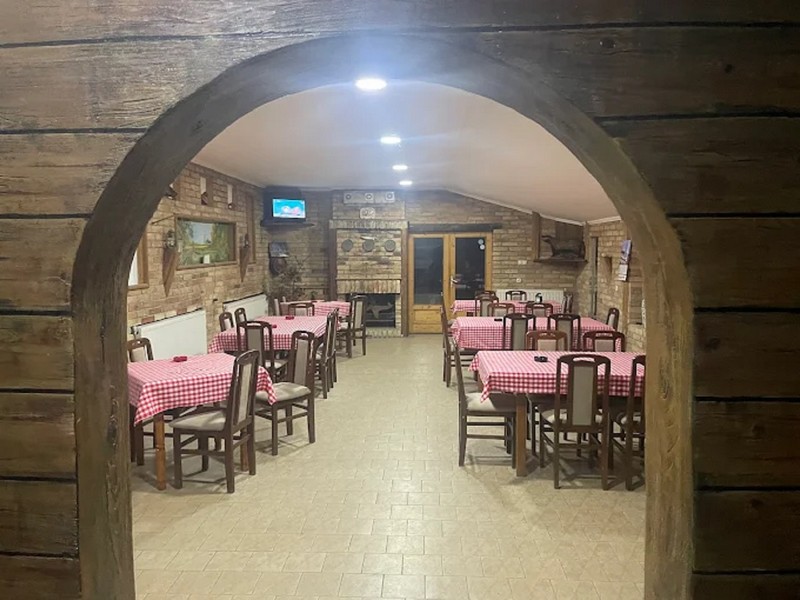
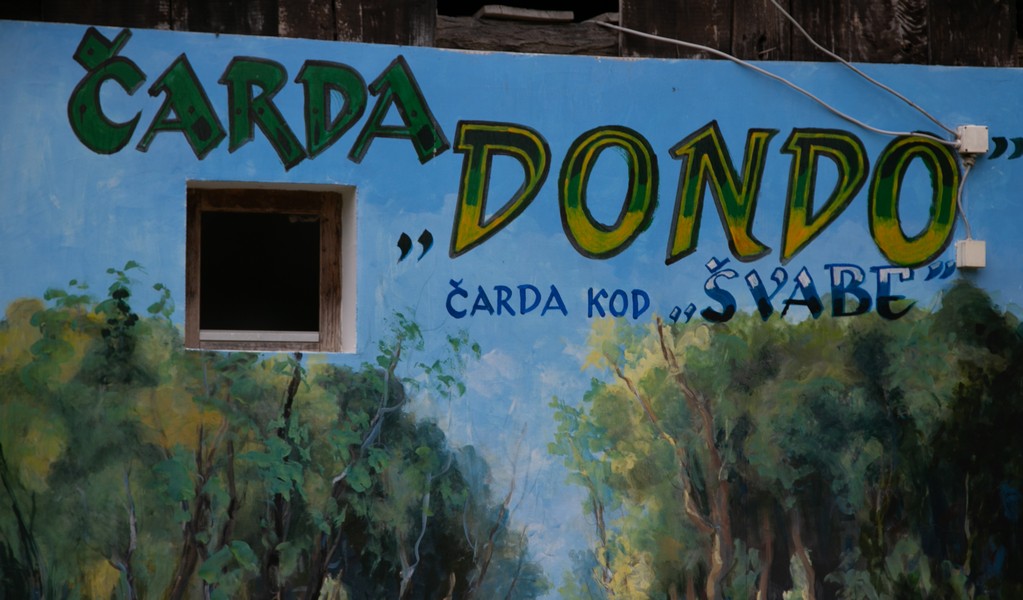
”KOD ŠVABE” ČARDA (RIVERSIDE RESTAURANT) – Bački Monoštor
Situated in the heart of the “Gornje Podunavlje” Special Nature Reserve, in the Dondo holiday settlement, on the banks of one of the Danube’s river...
Read more -
CHARDA “BRUNAI” – Kupusina
Carda (Tavern) “Brunai” was built on the site of the former winter harbor for the boats. Carda is situated on the bank of the Monostor...
Read more -
„ŠTUKA“ RIVERSIDE RESTAURANT (ČARDA) – Kupusina
Writing “Štuka” Riverside Restaurant is a bungalow belonging to the Sombor Sports Anglers’ Association, situated near the village of Kupusina, close to Apatin. It is...
Read more -
”ZLATNA KRUNA” ČARDA (RIVERSIDE RESTAURANT) – Apatin
Zlatna Kruna Riverside Restaurant is situated right on the banks of the Danube, offering guests not only quality accommodation but also a special experience complemented...
Read more


-
FRIC-HRISTIĆ CASTLE – Bačko Novo Selo
Fric-Hristić Castle is located in Bačko Novo Selo, a settlement within the municipality of Bač, situated on the very bank of the Danube. The village...
Read more -
“BANATERRA” MANOR HOUSE – Srpska Crnja
Banatera Manor House is a summer castle of the German general Franz Neuhausen, built during the Second World War. It belongs to the youngest generation...
Read more -
PECE FAMILY SUMMER RESIDENCE – Mali Iđoš
This summer residence in Mali Iđoš was built by Petar Pece and his brother Ernest at the beginning of the 20th century, in 1923. In...
Read more -
“SOKOLAC” CASTLE – Novi Bečej
On the road leading from Bečej to Novi Bečej, about a 100km before the turn for Kumane, on the right side you will see a...
Read more -
“KARAČONJI” CASTLE – Novo Miloševo
It was built in 1857 by Lajoš Karačoni on his estate in Beodra (today a part of Novo Miloševo) as a representative residential building that,...
Read more -


-
SPOMENIK PRIRODE „STABLA HRASTA LUŽNJAKA NA PALIĆU“ – Palić
Spomenik prirode „Stabla hrasta lužnjaka na Paliću“ je zaštićeno područje III kategorije koje čini 31 vekovno stablo u ulicama Bele Bartoka, Petefi Šandora i na...
Read more -
PARK PRIRODE „PALIĆ“ – Palić
Park prirode „Palić“ obuhvata plitko nizijsko jezero Palić, Veliki park i istoimeno naselje. Ovaj prostor predstavlja neraskidiv spoj bogate prirodne baštine i vrednog kulturno-istorijskog nasleđa...
Read more -
SPOMENIK PRIRODE „BELI DUD U BELOM BLATU“
Spomenik prirode „Beli dud u Belom Blatu“ svrstava se u značajno prirodno dobro, odnosno prirodno dobro treće kategorije. Stablo „Belog duda u Belom Blatu“ stavljeno...
Read more -
SPOMENIK PRIRODE „HRAST LUŽNjAK U ZRENjANINU“
Spomenik prirode „Hrast Lužnjak u Zrenjaninu“ svrstava se u značajno, prirodno dobro treće kategorije. Stablo hrasta lužnjaka stavljeno je pod zaštitu radi očuvanja jednog od...
Read more -
MONUMENT OF NATURE “ŽUPANIJSKI PARK IN ZRENJANIN”
„Županijski Park in Zrenjanin is classified as a significant natural asset, namely a Category III natural asset. The Monument of Nature “Županijski Park in Zrenjanin”...
Read more -
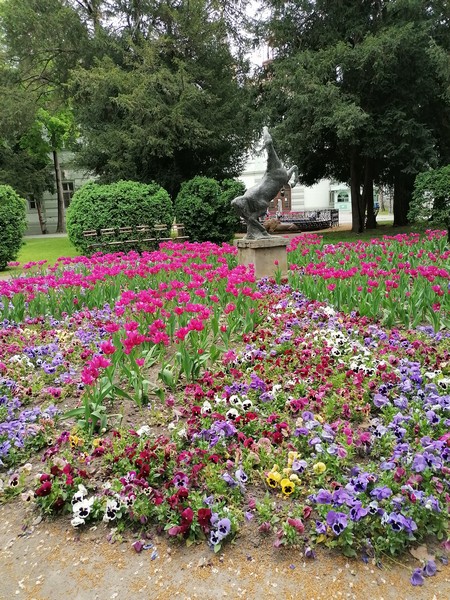
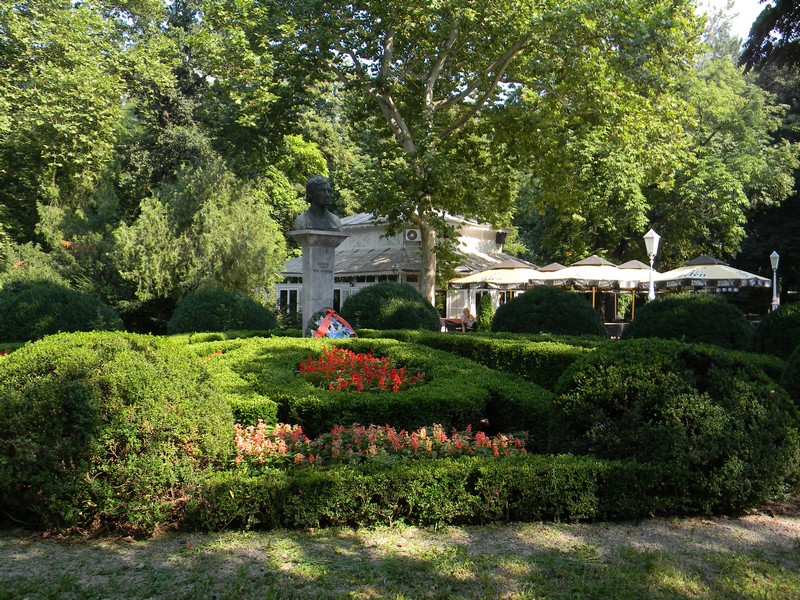
CITY PARK – Vršac
In the area where this green oasis stands today, the 18th century saw the country estate of the prominent Šeribl family of Vršac. The Vršac...
Read more
-
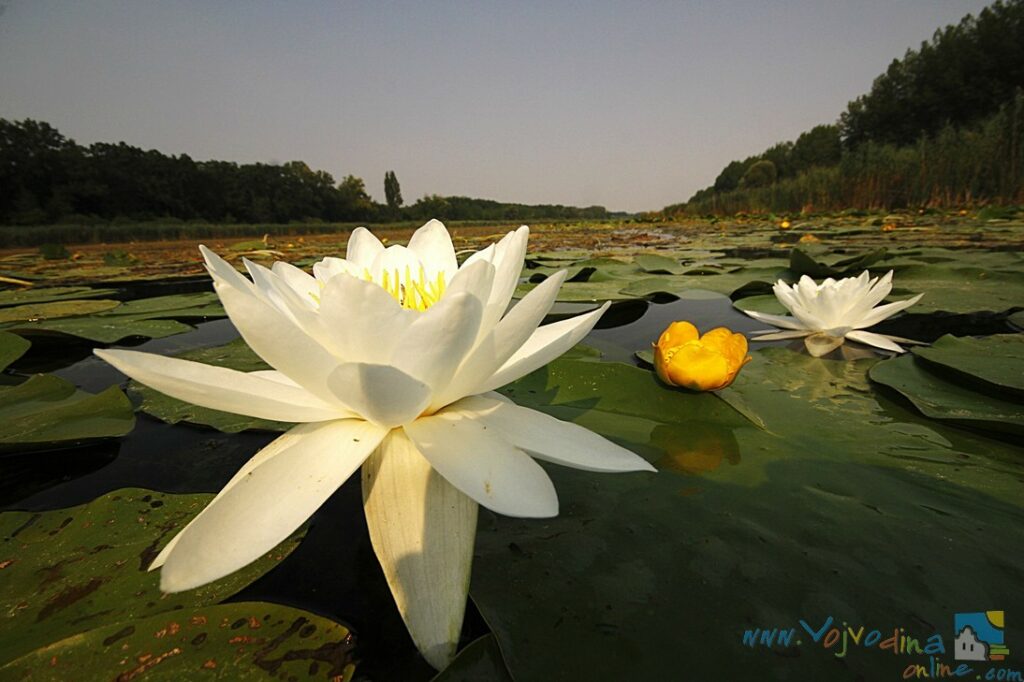
GREAT BAČKA CANAL – KIŠOV CANAL – Sombor
The canal begins near Bezdan, at a control structure on the River Danube, and flows past Bački Monoštor, Sombor and Kljajićevo. It is exceptionally clean,...
Read more -
CANALS “DTD” – Vrbas
Channel DTD runs through the municipality of Vrbas, a distance of 39 km, and the area around it offers an ideal place for a trip,...
Read more -
”BUŠIDO” FISHPOND – TEMERIN
“Bušido” Fishpond is situated in the tranquil countryside of Vojvodina, three kilometres from the outskirts of Temerin on the road towards Bečej. It was created...
Read more -
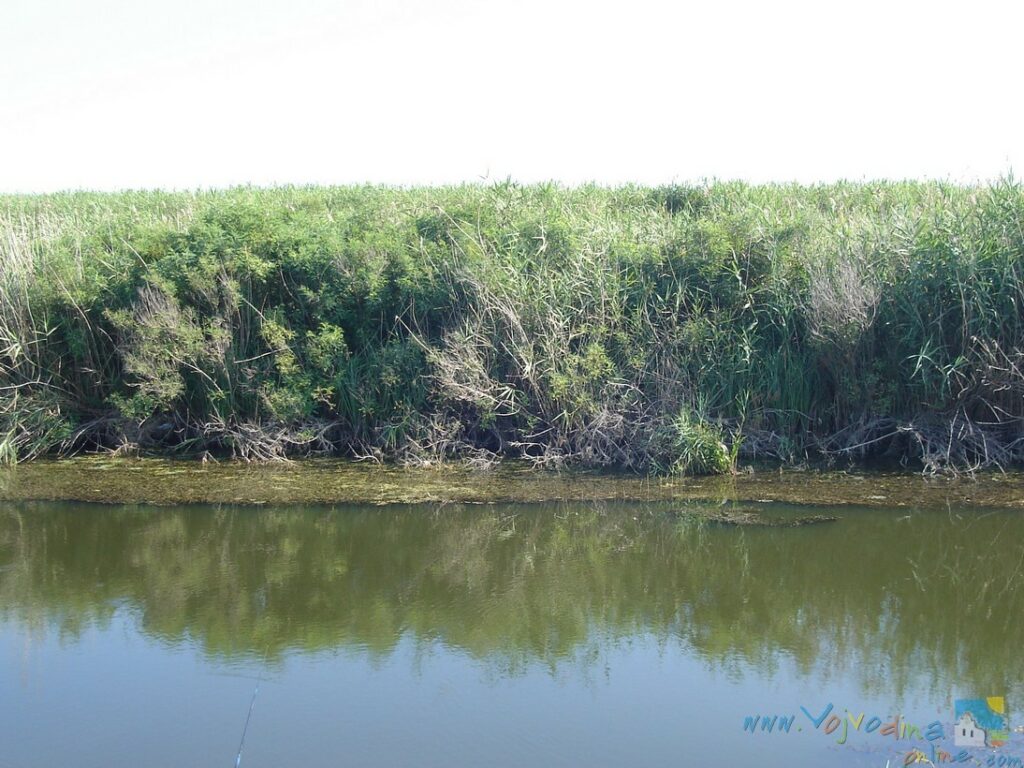
DANUBE – TISA – DANUBE CANAL – Kikinda
The Danube–Tisa–Danube Canal is part of a large hydraulic system in Vojvodina, connecting the Danube and Tisa rivers. A section of this system passes through...
Read more -
CANAL KAJTASOVO – Kajtasovo
It is the famous fishing and competition ground. In this place, carp and Prussian carp are being caught successfully. The coasts are easy to access...
Read more -
THE DANUBE-TISA-DANUBE CANAL – Sombor
The canal is located near Bezdan and provides a great fishing place near the dam. The canal is spread out through the area from Bački...
Read more
-
PERIŠKIĆ BEEKEEPING HOUSEHOLD – Bački Monoštor
The Periškić Beekeeping Education Centre in Bački Monoštor offers a unique opportunity for visitors to discover the world of bees, traditional beekeeping and the importance...
Read more -
Panacomp Wonderland Travel – suggested tours
Agency profile Serbian Tour Potential Balkan Tour
Read more -
TRSKOVAČA MARSH- Platičevo
Trskovača Marsh is located on the outskirts of the village of Platičevo, in the southern part of the municipality of Ruma. It was placed under...
Read more -
NATURE EXCURSIONS – Odžaci
The endless plain, intersected by canals, lakes, and marshes, is ideal for walking and spending time in nature. Bogojevski Rit represents the natural continuation of...
Read more -
TOURIST OFFER – Bački Monoštor
Bački Monoštor – Between the Danube, Forests and Tradition Welcome to Bački Monoštor, a village surrounded by the Danube, its backwaters and the forests of...
Read more
-
PERIŠKIĆ BEEKEEPING HOUSEHOLD – Bački Monoštor
The Periškić Beekeeping Education Centre in Bački Monoštor offers a unique opportunity for visitors to discover the world of bees, traditional beekeeping and the importance...
Read more -
THE KRIVAC HOUSEHOLD
The Krivac agritourism farm is located in the eponymous settlement, which stretches from Sremski Karlovci to Banstol, at the meeting point of Mt. Fruška Gora...
Read more -
ETHNO HOUSE “KOD TAŠTE” – VRDNIK
The traditional Ethno House “KOD TAŠTE”, a rural tourism establishment, is situated in a peaceful part of Vrdnik, 2.4 km from the thermal spa. The...
Read more -
DOMAĆINSTVO „SAVIĆEVE VETRENjAČE“ – Deronje
Savićeve vetrenjače, malo domaćinstvo na kome je postavljeno nekoliko vetrenjača koje je domaćin sam izradio i stavio u pogon. Vetrenjače navodnjavaju velike površine voćnjaka i...
Read more -
”GORSKI” RURAL HOUSEHOLD – JAZAK
The Gorski Dairy is located in the village of Jazak, on Fruška Gora. GORSKI cheeses are made from goat’s milk in accordance with high hygiene...
Read more

-
HISTORICAL ARCHIVE – Pančevo
The Historical Archive in Pančevo is responsible for the protection of movable cultural heritage, as well as the collection, processing, organization, and preservation of archival...
Read more -
HISTORICAL ARCHIVE OF VOJVODINA – Novi Sad
The Archive of Vojvodina was established by decree of the Ministry of Internal Affairs of the Kingdom of Serbs, Croats, and Slovenes on August 5,...
Read more -
HISTORICAL ARCHIVE OF THE CITY OF NOVI SAD – Petrovaradin
The Historical Archive in Novi Sad holds the status of an inter-municipal archive and operates across nine municipalities: Bačka Palanka, Bački Petrovac, Beočin, Žabalj, Vrbas,...
Read more -
HISTORICAL ARCHIVE SUBOTICA – Subotica
In the second half of the 19th century, with the development of historiography as a scientific discipline, Subotica recognized that archives were indispensable sources of...
Read more -
HISTORICAL ARCHIVE “BELA CRKVA” – Bela Crkva
Working Hours: Monday – Friday: 06:30 AM – 02:30 PM Weekend: Closed
Read more -
HISTORICAL ARCHIVE “SOMBOR” (PASHA’S TOWER AND KRUŠPER’S HOUSE) – Sombor
Pasha’s Tower is the oldest preserved city building, dating from the late 16th or early 17th century. It is believed that after the conquest of...
Read more

-
BOĐOŠ – Novi Bečej
Permanent exhibition of replica exhibits at the Cultural Center of the Novi Bečej municipality.
Read more -
ARCHAEOLOGICAL SITES – Kovin
On the territory of the Kovin municipality, artifacts from various periods of human civilization have been discovered, with the most significant period being the Neolithic,...
Read more -
“DONJA BRANJEVINA” ARCHAEOLOGICAL SITE – Deronje
Donja Branjevina – an archaeological site situated in the immediate vicinity of the village of Deronje, holds within it the secret of Europe’s oldest farming...
Read more -
“MATEJSKI BROD” ARCHAEOLOGICAL SITE – Novi Bečej
Traces of permanent human settlements in the territory of the Novi Bečej municipality have been discovered at Borđoš, Garajevac, and Matejski Brod. As an important...
Read more -
“MAJDAN” ARCHAEOLOGICAL SITE – Majdan
The site in the village of Majdan, near the rural cemetery, is associated with the Christian Monastery of Saint George from the legend of Saint...
Read more -
-
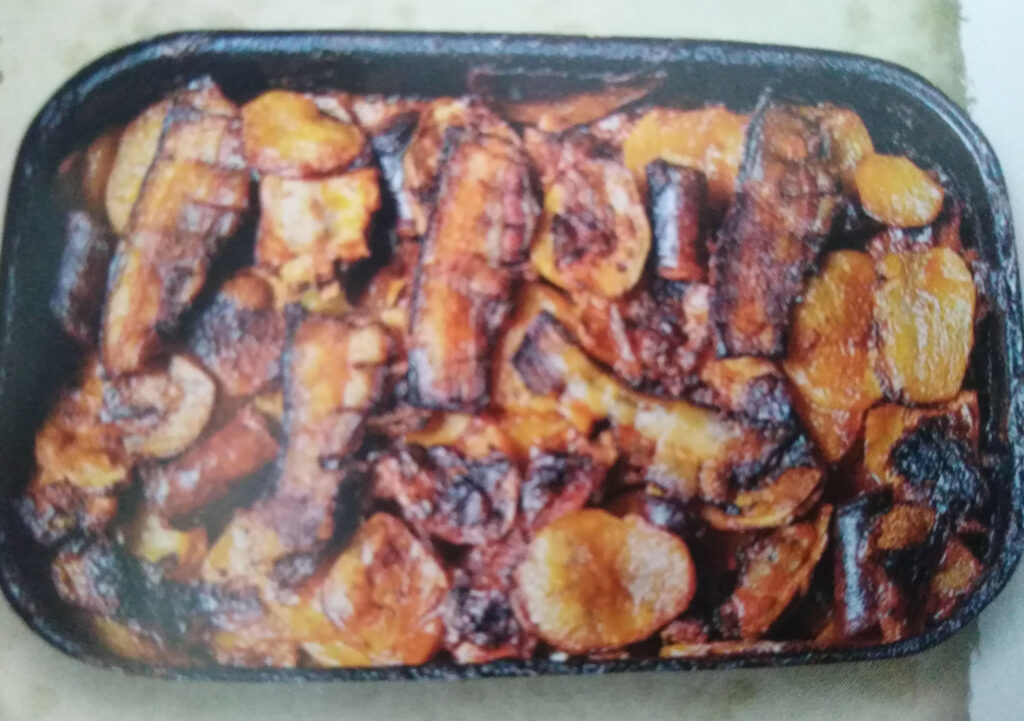
KROMPIRAČA – POTATO PIE
Winter magic of the farmer’s stove! Potato pie. Hot, steaming, baked, reddish, with lots of potatoes cut into slices and even more pronounced pieces of...
Read more -
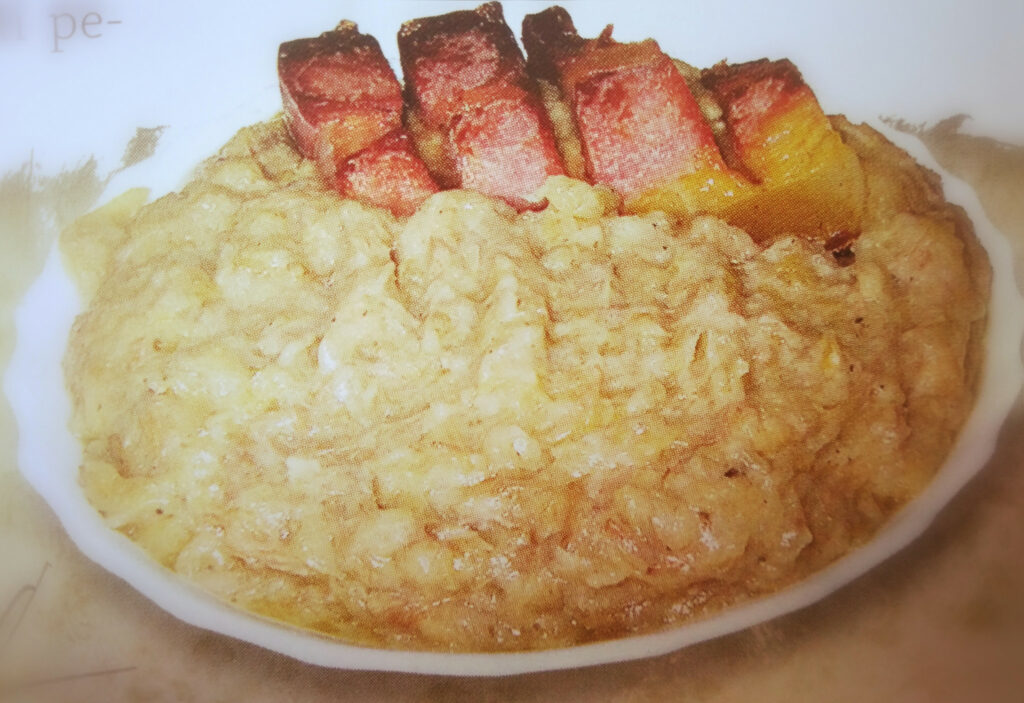
SVADOBNÁ KAPUSTA (WEDDING PARTY CABBAGE)
Wedding party cabbage – A traditional dish of Slovaks in Vojvodina, prepared for more than two centuries. It is served as the third course of...
Read more

-
“KRALJEVAC” SPECIAL NATURE RESERVE
The ‘Kraljevac’ Special Nature Reserve extends across an area that was once part of the Pannonian Sea, where wind activity formed a loess terrace into which the...
Read more -
Panacomp Wonderland Travel – suggested tours
Agency profile Serbian Tour Potential Balkan Tour
Read more -
THE KRIVAC HOUSEHOLD
The Krivac agritourism farm is located in the eponymous settlement, which stretches from Sremski Karlovci to Banstol, at the meeting point of Mt. Fruška Gora...
Read more -
WINERY “DRAGIĆ” – Riđica
Winery complex and vineyards are located in Riđica, close to the Hungarian border on the old road from Belgrade to Budapest, which have always been...
Read more -
JAN ČAPELA ETHNO HOUSE – Selenča
Built in 1914, this house has since been transformed into a Slovak ethno-house. The owner, Jan Čapelja, inherited it from his family, and it was...
Read more
-
THE MONASTERY OF THE NATIVITY – Bavanište
When from Pančevo you get to Bavanište the road sharply continues on the right to Kovin. If you want to go to the monastery just...
Read more -
MONASTERY VOJLOVICA – Vojlovica
Vojlovica Monastery is located northeast of Pančevo within Oil Refinery “Pančevo “, about 5.5 km towards Starčevo, and 4 km from the confluence of the...
Read more -
BEOČIN MONASTERY – Beočin
Beočin Monastery, with its church dedicated to the Feast of the Ascension of Christ, is located on the edge of Fruška Gora in the village...
Read more -
RAKOVAC MONASTERY – Rakovac
Rakovac Monastery is located on the northern slopes of Fruška Gora, along the Rakovački stream, about ten kilometers from Novi Sad. The monastery is first...
Read more -

FRANCISCAN MONASTERY SAINT JOHN OF CAPISTRANO – Novi Sad
Within many noble houses in Cara Dušana street, there is an average building of the Franciscan monastery. That building was given to the Franciscans in...
Read more -

KOVILJ MONASTERY – Kovilj
The Kovilj Monastery is the Serbian Orthodox Monastery situated in Bačka region, in the northern Serbian Province of Vojvodina. The Kovilj Monastery is situated near...
Read more


-
BANAT CULTURAL CENTER – Novo Miloševo
The Banat Cultural Center is the first private cultural center in Serbia. This family-run creative enterprise engages in artistic creation, production, and various cultural activities....
Read more -
CULTURAL CENTRE – Kovin
The Cultural Centre is the main hub of cultural events in the Municipality of Kovin. We are the only institution in South Banat whose program...
Read more -
CULTURAL AND EDUCATIONAL COMMUNITY – Kula
The Cultural and Educational Community of the Municipality of Kula was founded on May 9, 1957. It was created and is maintained by individuals and...
Read more -
CULTURAL CENTRE – Kula
There is the amateur theatre, folk dance and art group in the cultural centre. Opening hours: weekdays from 7:00 AM to 3:00 PM.
Read more
-
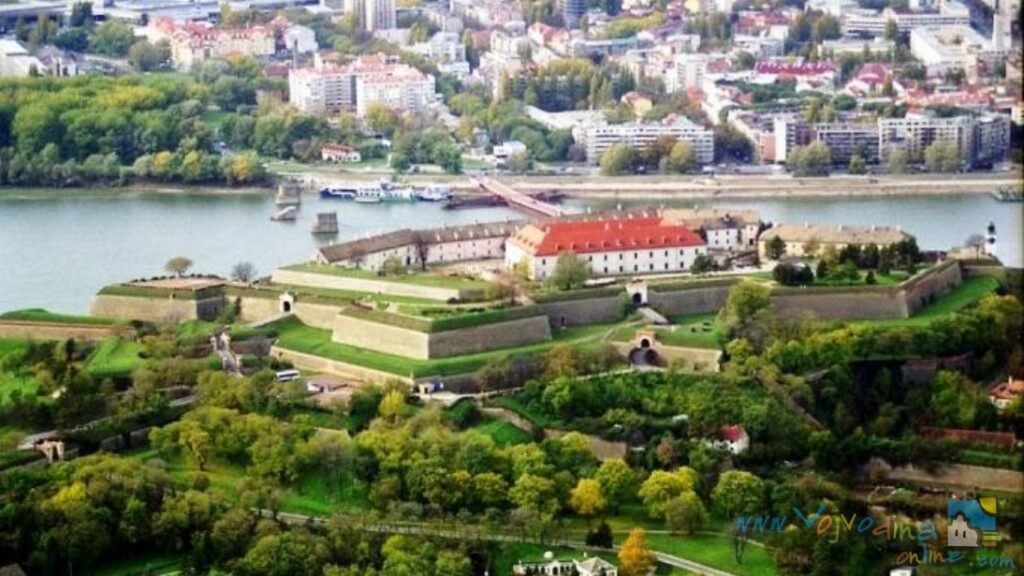
PETROVARADIN FORTRESS – Petrovaradin
Petrovaradin Fortress, the symbol of the city, also known as the “Gibraltar on the Danube,” was being built on the right bank of the Danube...
Read more -
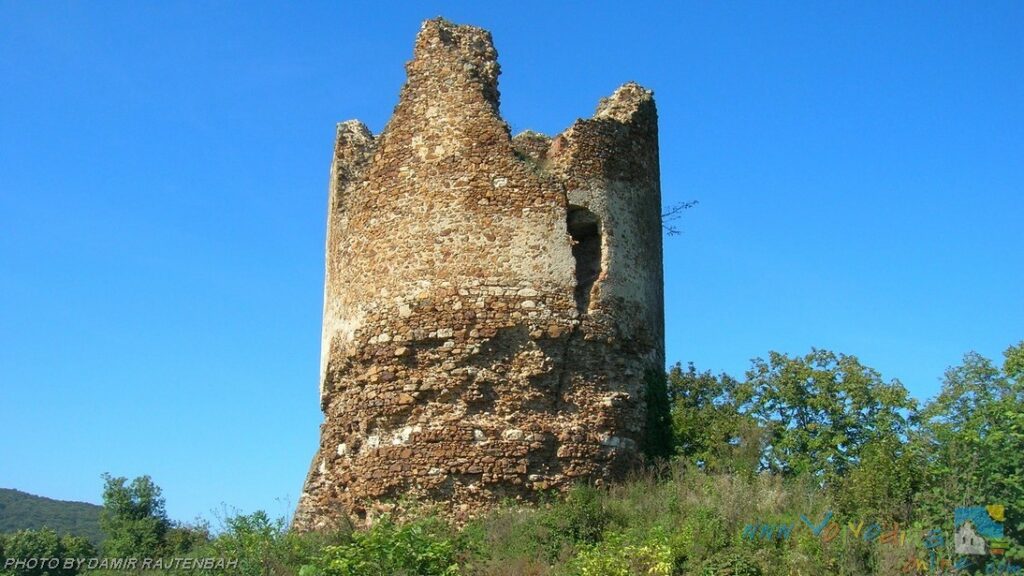
THE TOWER OF VRDNIK – Vrdnik
In the Middle Ages, Vrdnik had a fortress and a town. According to Hungarian and Papal documents, it was mentioned under the name Castrellum Rendek...
Read more -
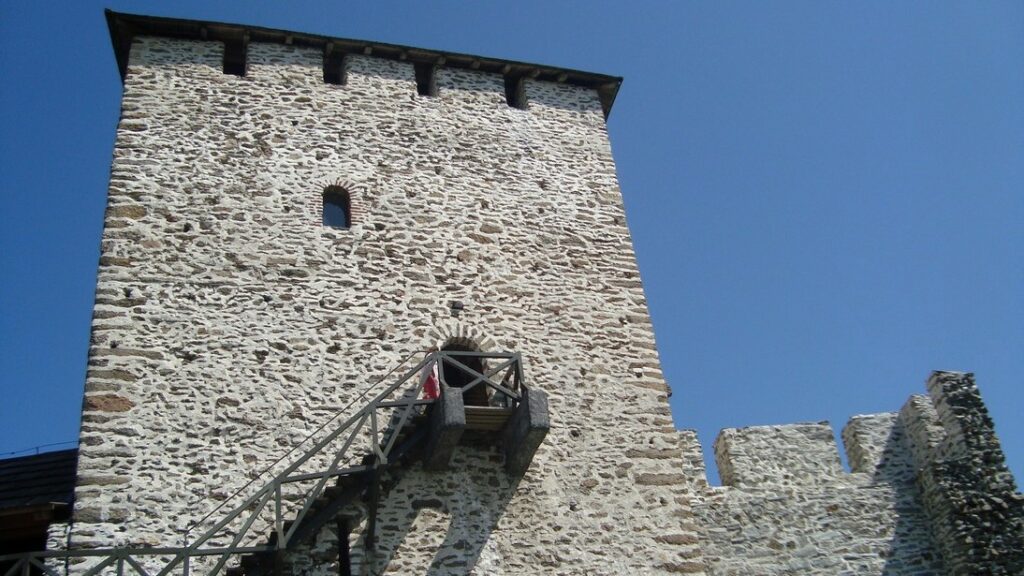
VRŠAC TOWER – Vršac
Vršac Tower, a symbol not only of the town but of the entire surrounding region, was built in 1439 and is believed to have been...
Read more -

“MOROVIĆ” FORTRESS – Morović
Morović Fortress was built in the mid-12th century and is believed to have been the Hungarian town mentioned in 1154, which belonged to Despot Đurađ....
Read more
-
“МIZNAH” HOTEL – Zobnatica
Within the Zobnatica Tourist and Congress Center, Miznah Hotel & Resorts, together with the Castle Terlei, offers 30 fully equipped accommodation units with a total...
Read more -
JUNAKOVIĆ SPA – Apatin
Located in the far north-west of Vojvodina, 4.5 kilometres from Apatin and the Danube, on the very edge of a beautiful forest, Junaković Spa is...
Read more
-
FEEDING SITE – Titel
Face to Face with an Eagle To help provide food for scavenging birds and birds of prey during the winter months, the Titelski Breg Nature...
Read more -
”NORDIC RESORT” SWIMMING POOLS – Sremska Kamenica
Nordic Resort offers both outdoor and indoor swimming pools, along with a steam bath, sauna, salt room, and tepidarium. Outdoor Pools Indoor Pools Opening hours:...
Read more -
”SOLE MIO” HOTEL SWIMMING POOLS – Novi Sad
Hotel Sole Mio offers both indoor and outdoor swimming pool complexes, as well as a Finnish sauna, mild sauna, steam bath, heated benches, and a...
Read more -
SPORTS CENTER SWIMMING POOLS – Futog
The Futog Sports Centre features two indoor swimming pools: an Olympic-sized pool and a children’s pool divided into two sections. Olympic Pool Children’s Pool (Deeper...
Read more -
CITY SWIMMING POOL – Zrenjanin
The City Swimming Pool in Zrenjanin is one of the most visited summer bathing areas in the city and a favourite place for refreshment during...
Read more -
”VENUS” CITY SWIMMING POOL- Bačka Topola
The swimming pool measuring 25 × 21 metres, with a depth ranging from 140 to 180 cm and a water temperature of 26–27°C, is an...
Read more
-
THE SLOVAK EVANGELISTIC CHURCH – Novi Sad
It was built in 1886. in baroque- classical style with the help of Duke Adolf Rajzer. The church kept its first look however it was...
Read more -
ROMAN CATHOLIC CHURCH OF THE NAME OF MARY (“CATHEDRAL”) – Novi Sad
Although famous as a cathedral, it is not a cathedral since the headquarters of the episcopate for Bačka is in Subotica. On the place where...
Read more -
THE REFORMATIVE CHRISTIAN CHURCH – Novi Sad
At the corner of Šafarikova and Pavla Pap streets there is Reformation church. That strict and simple building, with neo-gothic tower where was put the...
Read more -
THE CHURCH OF ST. CYRIL AND METHODIUS – Novi Sad
The church is situated in the part of Novi Sad called Telep.
Read more -
THE GREEK CATHOLIC CHURCH – Novi Sad
The Ruthenian (Rusyn) Greek-catholic church was dedicated to St. Apostles Petar and Pavle. There is also the rectors home. The base stone was put in...
Read more -
THE ASSUMPTION CHURCH (USPENSKA CRKVA) – Novi Sad
There are testimonies that The Church of Assumption of Holy Mother of God existed even in 1731. The building from that time was made out...
Read more


-
THE HOUSE OF DIMITRIJE ANASTASIJEVIĆ SABOV – Sremski Karlovci
Dimitrije Anastasijević Sabov House in Sremski Karlovci was built in 1790. On August 13, 1791, Stefan Stratimirović arrived at the house with his entourage, where...
Read more -
STONE FLOWER FOUNTAIN – Sremska Mitrovica
South of Ćira Milekić Square extends the City Park, which, during the time of the Military Frontier, served as a training ground for the Petrovaradin...
Read more



-
PETROLAND AQUA PARK IN A NEW GET-UP
The summer season is in full swing and what attracts the visitors of Vojvodina the most in this period are the beaches all over Vojvodina....
Read more

-
”ŠILjAK” TOWN GATE – Bač
The tower, which forms the town gate, has a quadrangular ground plan, brick walls and an arched gateway. One storey above the entrance has been...
Read more
-
NERA RIVER – Bela Crkva
The Nera (Romanian: Nera; Hungarian: Néra) is a river in the Banat region, forming part of the natural border between Serbia and Romania. It is...
Read more -
KARAŠ RIVER – Bela Crkva
The Karaš River (Romanian: Caraș) rises in Romania and flows into the Danube–Tisa–Danube Canal (DTD) between Dupljaja and Grebenac. From there, its onward course towards...
Read more -
”PROVALA” LAKE – Vajska
Located 14 km from Bač and 1 km from the settlement of Vajska, Provala Lake was formed in 1926 when the Danube breached an embankment...
Read more -
CHARDA “BRUNAI” – Kupusina
Carda (Tavern) “Brunai” was built on the site of the former winter harbor for the boats. Carda is situated on the bank of the Monostor...
Read more -
„ŠTUKA“ RIVERSIDE RESTAURANT (ČARDA) – Kupusina
Writing “Štuka” Riverside Restaurant is a bungalow belonging to the Sombor Sports Anglers’ Association, situated near the village of Kupusina, close to Apatin. It is...
Read more -
FISHING IN NOVA CRNJA MUNICIPALITY
Association of sport fisherman “Šaran” Address: Kralja Aleksandra 60, Srpska Crnja +381 (0)23 811 089 (contact person: Mikšin Branislav)
Read more
-
THE SLOVAK EVANGELISTIC CHURCH – Novi Sad
It was built in 1886. in baroque- classical style with the help of Duke Adolf Rajzer. The church kept its first look however it was...
Read more -
ROMAN CATHOLIC CHURCH OF THE NAME OF MARY (“CATHEDRAL”) – Novi Sad
Although famous as a cathedral, it is not a cathedral since the headquarters of the episcopate for Bačka is in Subotica. On the place where...
Read more -
THE REFORMATIVE CHRISTIAN CHURCH – Novi Sad
At the corner of Šafarikova and Pavla Pap streets there is Reformation church. That strict and simple building, with neo-gothic tower where was put the...
Read more -
THE CHURCH OF ST. CYRIL AND METHODIUS – Novi Sad
The church is situated in the part of Novi Sad called Telep.
Read more -
THE GREEK CATHOLIC CHURCH – Novi Sad
The Ruthenian (Rusyn) Greek-catholic church was dedicated to St. Apostles Petar and Pavle. There is also the rectors home. The base stone was put in...
Read more -
THE ASSUMPTION CHURCH (USPENSKA CRKVA) – Novi Sad
There are testimonies that The Church of Assumption of Holy Mother of God existed even in 1731. The building from that time was made out...
Read more
-
SAND BEACH ON THE DANUBE RIVER – Beočin
The beach near Karaš in Beočin is one of the most beautiful sand beaches along the whole Danube in Serbia. It is nicely decorated space...
Read more -
-
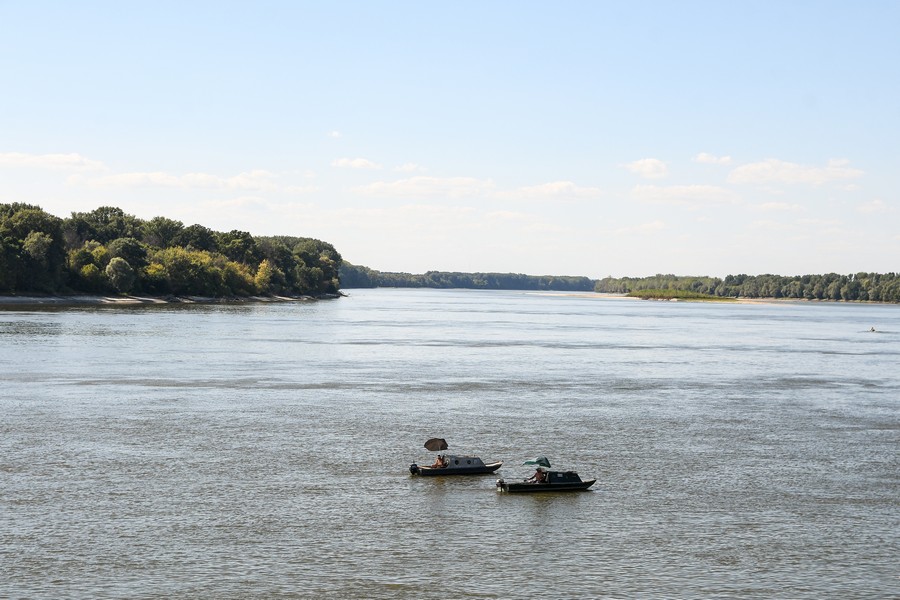
SAILING ON THE DANUBE
The Danube (German: Donau, Slovak: Dunaj, Hungarian: Duna, Ukrainian: Dunaj, Romanian: Dunăre, Turkish: Tuna) is the longest river in the European Union and the second-longest...
Read more -
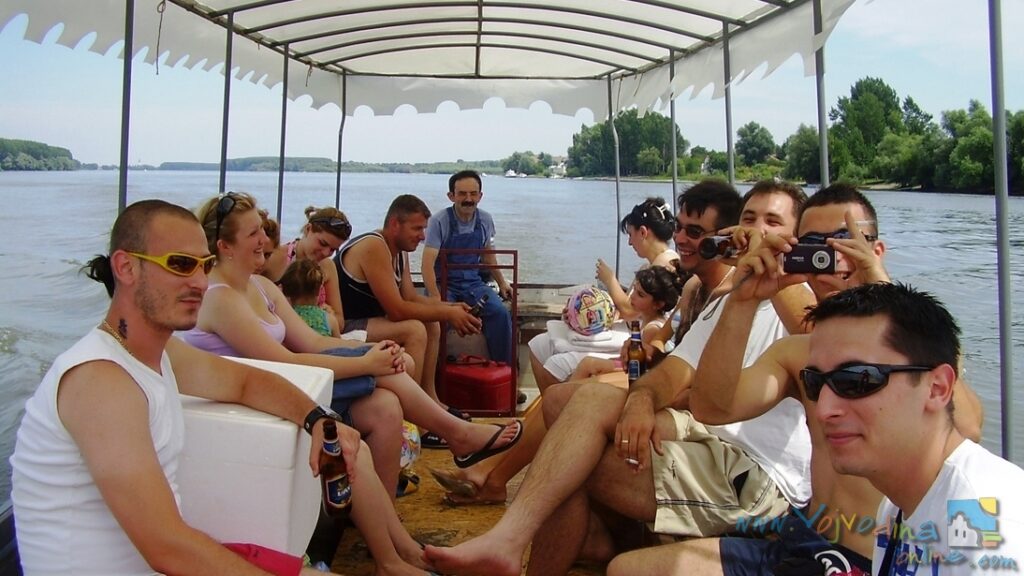
BOATING ON THE DANUBE RIVER- Čerević
Is there a more beautiful pleasure of sailing in a boat on the Danube? Valuable travel enthusiasts Ljuba Simić from Čerević will take you, in...
Read more -
“GORNJE PODUNAVLJE” SPECIAL NATURE RESERVE
The Gornje Podunavlje Special Nature Reserve is a protected natural area situated within the municipalities of Apatin and Sombor, covering a total area of 19,648...
Read more
-
“JUCIN DUĆAN” SHOP – HANDMADE STORE
“Jucin ducan” store is a gallery of handicrafts and souvenirs that can be found on the Internet store: https://jucinducan.com/ The trademark of the store is...
Read more -
“KIBITZFENSTER” – Novi Sad
Kibitzfenster souvenir is unique, hand made souvenirs made of wood, textile and metal, filmed by the special art tecnique to give the souvenirs old rustic...
Read more -
LACY POTTERY – Čoka
Located in the municipality of Čoka, in the Banat region of Serbia, this pottery workshop has been preserving and practising the traditional craft of pottery...
Read more -
OLD CRAFTS CLUB “EARTH&CRAFTS” – Mošorin
Unique in this part of the region, the Centre for Earth Architecture in Mošorin is a place dedicated to promoting traditional crafts and exploring contemporary...
Read more