
BEOČIN MONASTERY – Beočin
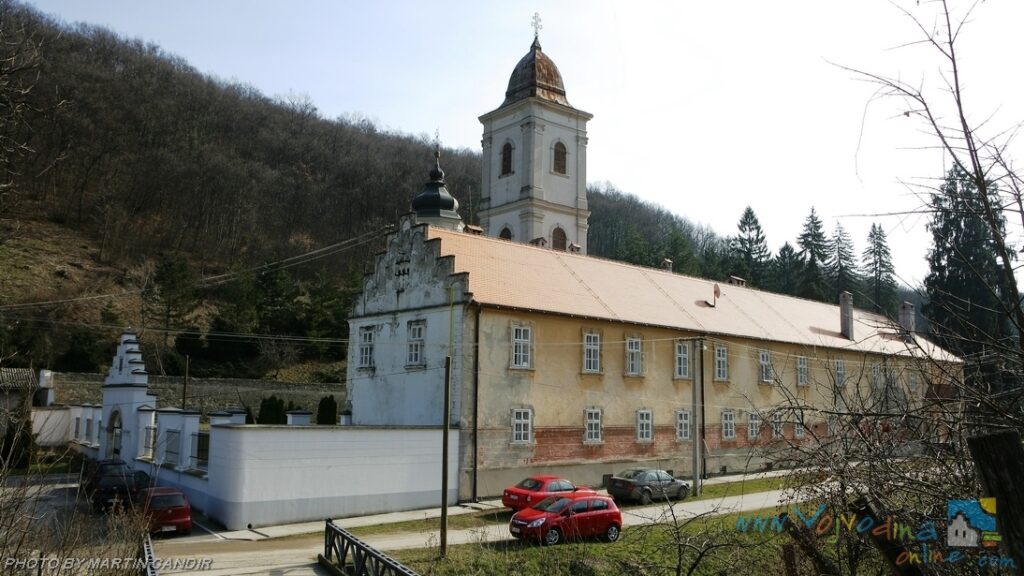
Beočin Monastery, with its church dedicated to the Feast of the Ascension of Christ, is located on the edge of Fruška Gora in the village of the same name. It belongs to the Srem Eparchy of the Serbian Orthodox Church and is recognized as an immovable cultural monument of exceptional importance.
There are no reliable records of the monastery’s founding. It is first mentioned in Ottoman documents from 1566–1567, at which time it had a small single-nave church, believed to have been built under the influence of traditional architecture. During the Austro-Turkish wars, the monastery was damaged and abandoned. After the Great Serbian Migration, the monastery was restored by monks fleeing from the Rača Monastery between 1697 and 1699. These same monks built a temporary church in 1708.
The present monastery church was constructed between 1732 and 1734, and the three-story bell tower attached to the western façade of the church was built in 1762. The monastery residential buildings (konaks), constructed between 1728 and 1771, surround the church on the south and west sides. The monastery complex was fully restored in 1893, with minor modifications in 1921. A new chapel, which stands today, was built in 1905 according to the design of Vladimir Nikolić. During World War II, the monastery was devastated, though the buildings themselves remained intact. The Serbian poet Jovan Grčić Milenko spent his final days at the Beočin Monastery.
The iconostasis in the monastery church was painted by Dimitrije Bačević, Janko Halkozović, and Teodor Kračun during the sixth and seventh decades of the 18th century.
Saint Bishop Varnava Nastić, who passed away on November 12, 1964, was burried in the monastery.
Nearby attractions
-
 Udaljeno 752 m
THE WINERY “PREKOGAČIĆ” – Beočin
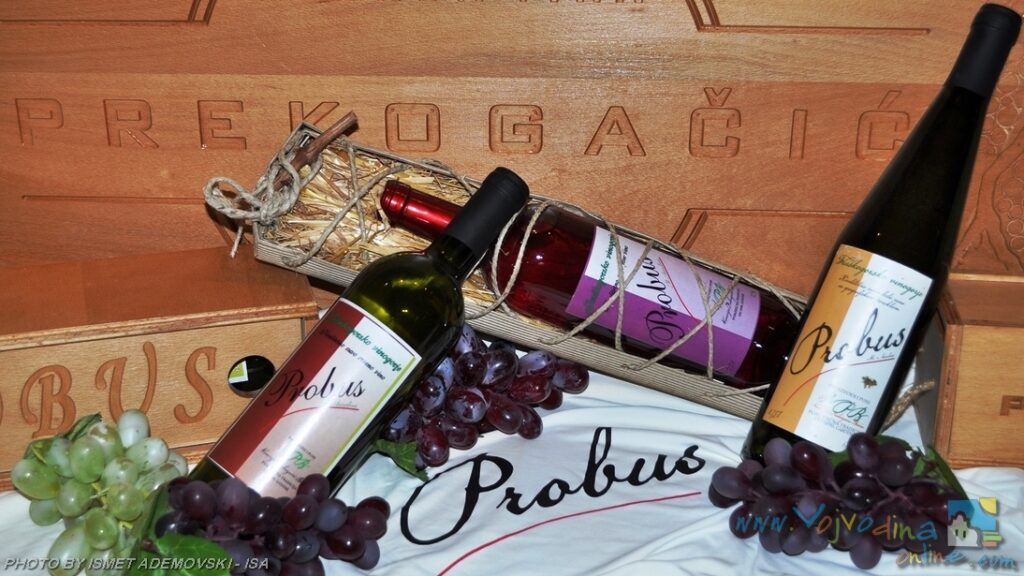
The winery Prekogačić exists since 1890. and is one of the oldest in Beočin community. This, by wine known household, on 2,5 ha has 8000...
Read more

-
 Udaljeno 2.2 km
ŠPICER FAMILY CASTLE – Beočin
The castle in Beočin was built by the Špicer family, following the design of Imre Steindal. Ede Špicer was the former co-owner of the Beočin...
Read more

-
BEOČIN MONASTERY – Beočin
Beočin Monastery, with its church dedicated to the Feast of the Ascension of Christ, is located on the edge of Fruška Gora in the village...
Read more -
Udaljeno 136 m
RESTAURANT “BELI ČIN” – Beočin
Located on the left side of the road, on the way from Beočin towards the Beočin monastery. The restaurant is new and furnished in ethnic...
Read more -
Udaljeno 752 m
THE WINERY “PREKOGAČIĆ” – Beočin
The winery Prekogačić exists since 1890. and is one of the oldest in Beočin community. This, by wine known household, on 2,5 ha has 8000...
Read more -
Udaljeno 993 m
CREATIVE WORKSHOP “MAŠTA SVAŠTA” – Beočin
They do the hand made useful objects in decoupage technique, flowers and invitations for weddings as well as the unique gifts for other occasions (birthdays,...
Read more -
Udaljeno 993 m
THE ORTHODOX CHURCH OF TRANSFIGURATION OF THE LORD – Beočin selo
The Transfiguration church in Beočin village is a one nave building built in the second half of XVIII century, with the typical shapes of so-called...
Read more


-
BEOČIN MONASTERY – Beočin
Beočin Monastery, with its church dedicated to the Feast of the Ascension of Christ, is located on the edge of Fruška Gora in the village...
Read more
-
BEOČIN MONASTERY – Beočin
Beočin Monastery, with its church dedicated to the Feast of the Ascension of Christ, is located on the edge of Fruška Gora in the village...
Read more -
Udaljeno 993 m
THE ORTHODOX CHURCH OF TRANSFIGURATION OF THE LORD – Beočin selo
The Transfiguration church in Beočin village is a one nave building built in the second half of XVIII century, with the typical shapes of so-called...
Read more -
THE ORTHODOX CHURCH OF ST. BASIL OF OSTROG – Beočin
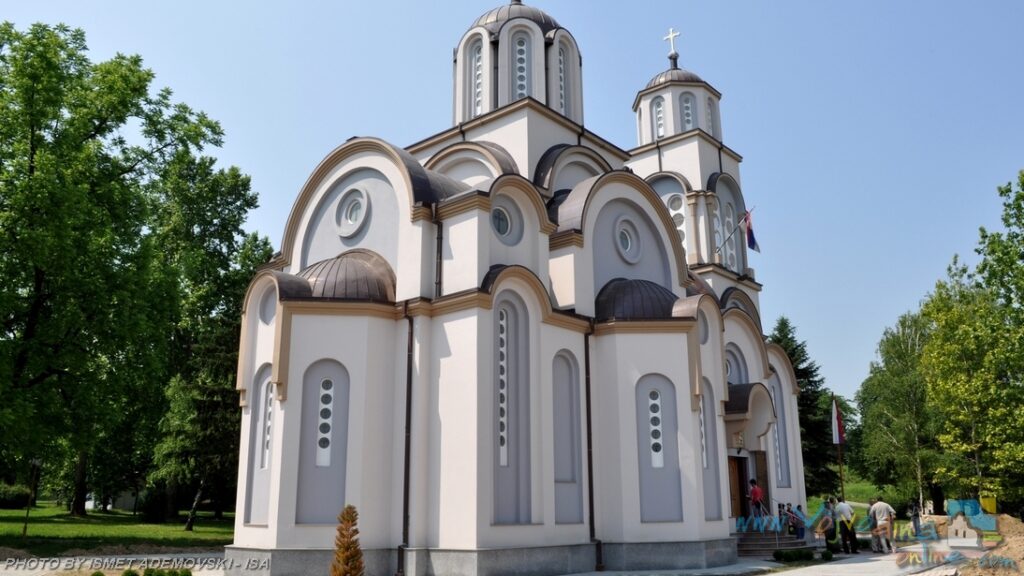
The base of the temple St. Vasilije Ostrog Wander Worker in Beočin were put in 2000. It was sanctified by The Archbishop of Srem Mr....
Read more
-
Udaljeno 993 m
THE ORTHODOX CHURCH OF TRANSFIGURATION OF THE LORD – Beočin selo
The Transfiguration church in Beočin village is a one nave building built in the second half of XVIII century, with the typical shapes of so-called...
Read more -
THE ORTHODOX CHURCH OF ST. BASIL OF OSTROG – Beočin
The base of the temple St. Vasilije Ostrog Wander Worker in Beočin were put in 2000. It was sanctified by The Archbishop of Srem Mr....
Read more
-
Udaljeno 993 m
CREATIVE WORKSHOP “MAŠTA SVAŠTA” – Beočin
They do the hand made useful objects in decoupage technique, flowers and invitations for weddings as well as the unique gifts for other occasions (birthdays,...
Read more

-
Udaljeno 136 m
RESTAURANT “BELI ČIN” – Beočin
Located on the left side of the road, on the way from Beočin towards the Beočin monastery. The restaurant is new and furnished in ethnic...
Read more -
Udaljeno 752 m
THE WINERY “PREKOGAČIĆ” – Beočin
The winery Prekogačić exists since 1890. and is one of the oldest in Beočin community. This, by wine known household, on 2,5 ha has 8000...
Read more
-
Udaljeno 993 m
CREATIVE WORKSHOP “MAŠTA SVAŠTA” – Beočin
They do the hand made useful objects in decoupage technique, flowers and invitations for weddings as well as the unique gifts for other occasions (birthdays,...
Read more
-
BEOČIN MONASTERY – Beočin
Beočin Monastery, with its church dedicated to the Feast of the Ascension of Christ, is located on the edge of Fruška Gora in the village...
Read more
-
Udaljeno 136 m
RESTAURANT “BELI ČIN” – Beočin
Located on the left side of the road, on the way from Beočin towards the Beočin monastery. The restaurant is new and furnished in ethnic...
Read more
-
Udaljeno 136 m
RESTAURANT “BELI ČIN” – Beočin
Located on the left side of the road, on the way from Beočin towards the Beočin monastery. The restaurant is new and furnished in ethnic...
Read more
-
BEOČIN MONASTERY – Beočin
Beočin Monastery, with its church dedicated to the Feast of the Ascension of Christ, is located on the edge of Fruška Gora in the village...
Read more -
Udaljeno 2.2 km
ŠPICER FAMILY CASTLE – Beočin
The castle in Beočin was built by the Špicer family, following the design of Imre Steindal. Ede Špicer was the former co-owner of the Beočin...
Read more