Sombor
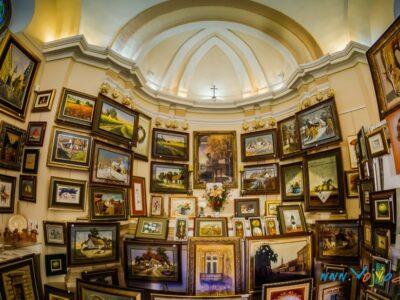
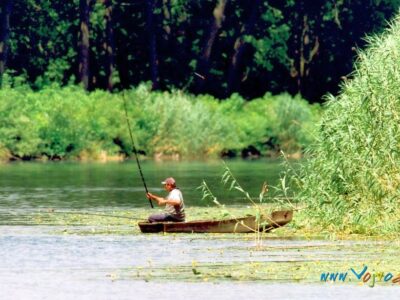
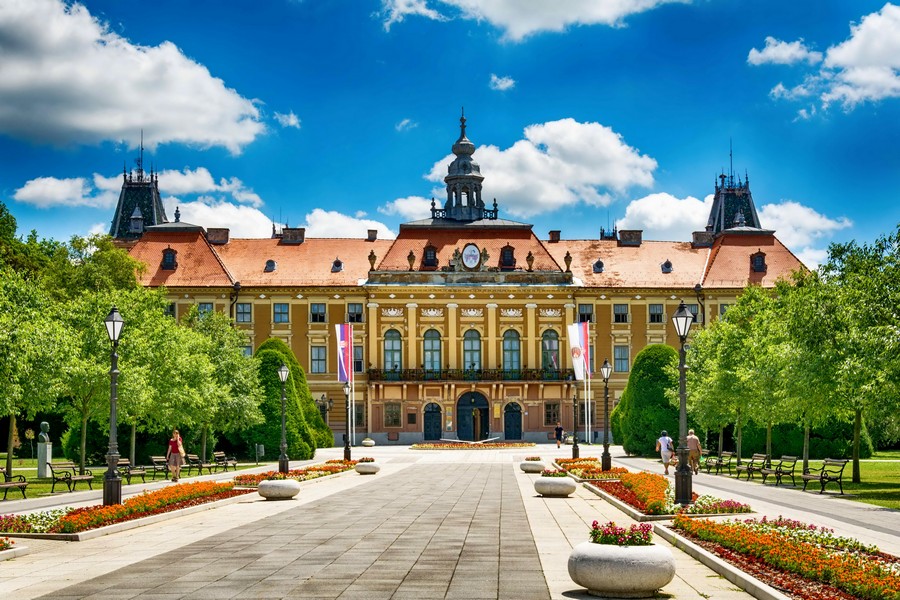
Sombor, the administrative and cultural centre of north-western Bačka, is situated near the Danube and the borders with Croatia and Hungary and is known as one of the greenest cities in Serbia and Europe. Established on the banks of the former Mostonga River, it was first mentioned at the end of the 14th century, while it was granted the status of a free royal city in 1749, marking the beginning of its rapid economic and cultural development. Today, visitors are captivated by its elegant historic centre, Baroque and Neoclassical buildings, the Town Hall and the former County Hall, whose ceremonial hall houses Ferenc Eisenhut’s monumental painting The Battle of Senta, the largest oil painting on canvas in Serbia. Its rich cultural offering is complemented by the City Museum, the Milan Konjović Gallery, the “Little Montmartre” in the former Pasha’s Tower, as well as numerous monuments of religious architecture. In the vicinity of the city lies Gornje Podunavlje, one of Serbia’s most important protected natural areas, along with rich hunting grounds and the fishing waters of the Danube and its tributaries, which attract lovers of nature and active holidays. Sombor is a city of artists and poets, the birthplace of Milan Konjović, and a city closely associated with Laza Kostić, Zvonko Bogdan and prominent representatives of naïve art. The combination of magnificent architecture, a rich cultural heritage, a lush urban environment and the unique natural landscapes of the Danube region make Sombor one of the most beautiful tourist destinations in Vojvodina.