STUD FARM AND MUSEUM “KARAĐORĐEVO” – Karađorđevo
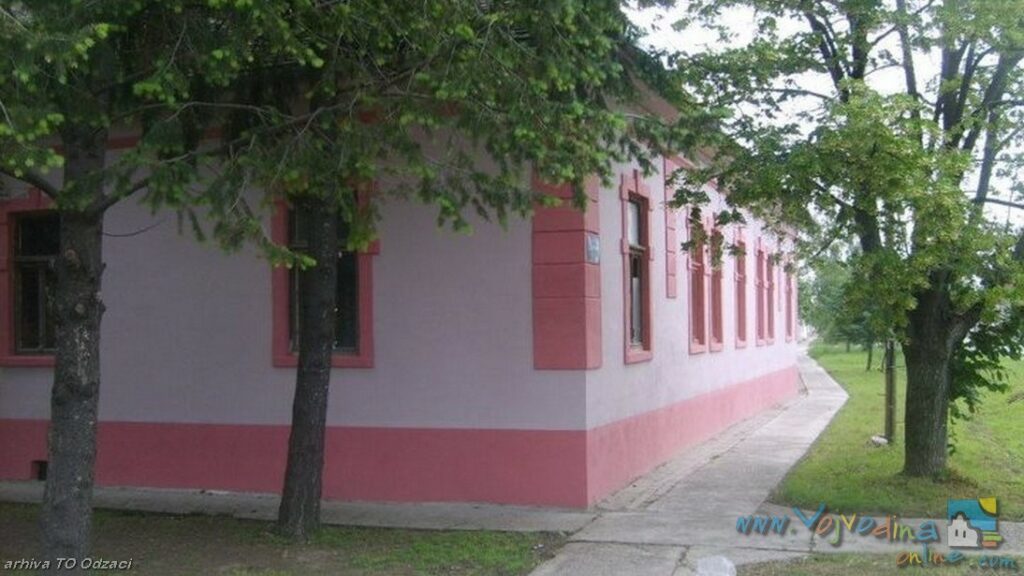
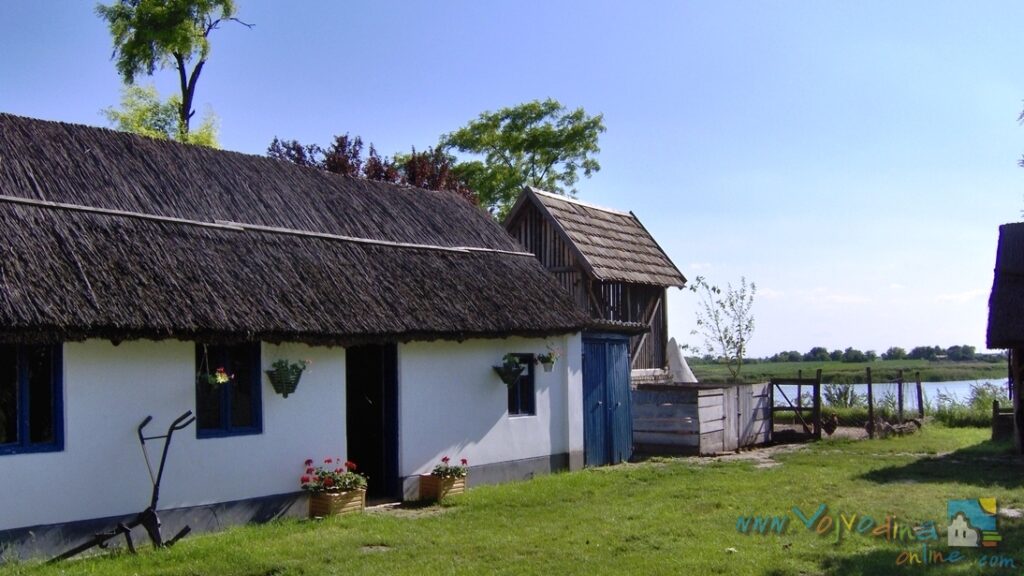
In the southwestern part of Bačka lies the famous Karađorđevo stud farm, established as early as 1885. Initially, Nonius horses were bred there, while today, in addition to them, Lipizzaners and English Thoroughbreds are also raised. Visitors can enjoy horseback riding and carriage rides through the beautiful surrounding nature or visit the Museum of Horse Breeding. The stud farm complex also includes a hippodrome where traditional horse races are held.
MILITARY INSTITUTION “MOROVIĆ” – STUD FARM “KARAĐORĐEVO”
The headquarters of the MILITARY INSTITUTION “MOROVIĆ,” under which the Karađorđevo stud farm operates, is located in Morović.
MUSEUM
On September 30, 1983, a permanent exhibition dedicated to the Karađorđevo stud farm was opened. The museum houses trophies, medals, rosettes, and awards won by the farm’s horses over the past decades. These awards were earned in carriage driving competitions, show jumping, flat racing, horse exhibitions, and breeding competitions. A special place is given to the trophy won as the absolute champion of the Novi Sad Fair of the 20th century, as well as the “Neretva” race trophy, organized under the patronage of the army and held at the Karađorđevo hippodrome.
The museum also features exhibits such as carriages, sleighs, saddles, and harnesses from the period of Josip Broz Tito’s rule. Numerous photographs document diplomatic hunts held in Karađorđevo, visits by statesmen and politicians, the visit of a Yugoslav delegation and a four-in-hand carriage team to Queen Elizabeth II, as well as images of winning horses from the most important races in the country and from the Vienna hippodrome. Studbooks dating back to 1880 and the visitors’ book are also on display.
The visitors’ book of the Karađorđevo stud farm, opened on June 1, 1924, and still in use today, is of invaluable importance. It is one of the oldest visitors’ books in Serbia. The entries—impressions, comments, suggestions, proposals, criticisms, and promises—testify to the origin, development, and current state of the stud farm. It stands as a witness to both good and difficult times, having survived wars, crises, and poverty. Its pages include entries from statesmen, presidents, ambassadors, politicians, ministers, professors, journalists, students, pupils, as well as experts in animal husbandry, veterinary science, and horse breeding.
In 1979, at the entrance to Karađorđevo, near the stud farm and museum, the sculpture “ Propinjanje”(Rearing Horse) by sculptor Jovan Soldatović was installed. It is almost identical to the sculpture “ Igra konja,” (Play of Horses) placed in 1973 at the entrance to the Novi Sad Fair. This sculpture symbolizes the entire settlement of Karađorđevo, the stud farm, the strength of horses, and the agricultural complex built upon the farm and its resources, representing the power of agricultural production in Vojvodina. The importance of the former agricultural complex is reflected in the fact that only a few years after its installation at the Novi Sad Fair, the same sculpture was erected in Karađorđevo.
The stud farm is open from 07:00 to 14:00 on weekdays and Saturdays.
Visits in the afternoon and on Sundays require prior notice
Attractions
-

WINERY “DRAGIĆ” – Riđica
Winery complex and vineyards are located in Riđica, close to the Hungarian border on the old road from Belgrade to Budapest, which have always been...
Read more -

NATIONAL HOUSE “SOKAČE” – Novi Sad
‘Sokače “is a place that will move you into slightly forgotten time, in Serbia of the twenties of the last century. Taverns at that time...
Read more -
CLUB-RESTAURANT “ŽAL ZA MLADOST” – Novi Sad
Serbian national restaurant “Zal za mladost” (Grief over Youth) was opened in 1995 and it represents the time from the end of the 19th and...
Read more

-
RUTHENIAN NATIONAL THEATRE “PETRO RIZNIČ ÐAÐA” – Ruski Krstur
The Ruthenian National Theatre “Đađa” was established in 1971 as the Amateur Ruthenian Theatre “Đađa,” with two stages: one in Ruski Krstur and one in...
Read more -
CULTURAL CENTRE – Kovin
The Cultural Centre is the main hub of cultural events in the Municipality of Kovin. We are the only institution in South Banat whose program...
Read more -
CULTURAL CENTRE – Kula
There is the amateur theatre, folk dance and art group in the cultural centre. Opening hours: weekdays from 7:00 AM to 3:00 PM.
Read more -
CULTURAL CENTER – Sivac
The Folklore Ensemble of the Cultural Center has been active for more than half a century, and its performances and achievements continue to shine like...
Read more
-
MUHAJIR MOSQUE – Subotica
This Muhajir Mosque is the first Islamic building that was built on the main road from Sofia to Budapest in the last two centuries (2008)....
Read more
-
MOTORBOAT RIDE THROUGH KOVILJSKO – PETROVARADINSKI RIT – Kovilj
Motorboat rides through the Koviljsko–Petrovaradinski Rit Special Nature Reserve are organized by Vojvodina šume in cooperation with the Kovilj Eco-Centre. Each tour is announced 7...
Read more -
CANOE ADVENTURE THROUGH “KOVILJSKO-PETROVARADINSKI RIT”
Canoeing starts in Čortanovci and leads through beautiful wild swamps and promises an adventure full of surprises. There are 3 canoes with 5 seats, and...
Read more -
SAILING ON THE WATER – Palić
Information and reservations: Klub zadrugara “Dudaš” (+381 (0)64 127 2443) Agencija “Jedro” (+381 (0)69 288 6721)
Read more -
THE BEACH “RAJ” – Gaj
The geographical position of the beach Raj is at the same time it’s best recommendation. It’s enough to say that this beach is assigned by...
Read more -
KAYAK CLUB “VAL” – Sremska Mitrovica
The sport centre on water – Kayak club “Val” on 800 m2 with a gym, warehouse for boats and oars and with the disco club.
Read more -
“GORNJE PODUNAVLJE” SPECIAL NATURE RESERVE
The Gornje Podunavlje Special Nature Reserve is a protected natural area extending across the territories of the municipalities of Apatin and Sombor. It covers a...
Read more


-
FRIC-HRISTIĆ CASTLE – Bačko Novo Selo
Fric-Hristić Castle is located in Bačko Novo Selo, a settlement within the municipality of Bač, situated on the very bank of the Dunav. The village...
Read more -
PALACE OF THE BANAT EPARCHY – Vršac
After the seat of the ancient Vršac Episcopate was returned from Caransebeș to Vršac in 1950, construction of the Bishop’s Palace in Vršac began to...
Read more -

“SEČEN” CASTLE – Temerin
The Castle in Temerin holds a special place in the history and culture of the area. Its walls, more than two centuries old, have witnessed...
Read more -
IMRE KOVAČ’S CASTLE – Riđica
The castle, located on the road between Stanišić and the village of Riđica, belonged to Count Imre Kovač and is recognized as a cultural monument....
Read more -
“ŠLOS” CASTLE – Golubinci
The castle was built according to the design of architect Florijan Madocsnui in 1777. It was constructed for the families of officers of the Military...
Read more -
“JAGODIĆ” CASTLE – Konak
The castle was built on the edge of a forest near the village of Konak in 1835 for Petar Jagodić. The Jagodić family is significant...
Read more


-

RESTORAN „DUKAT“ – Odžaci
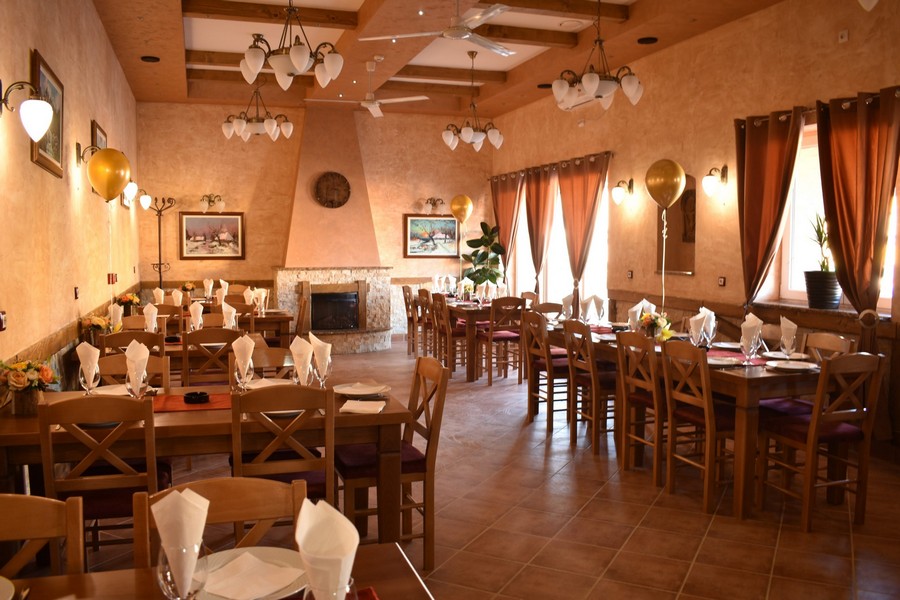
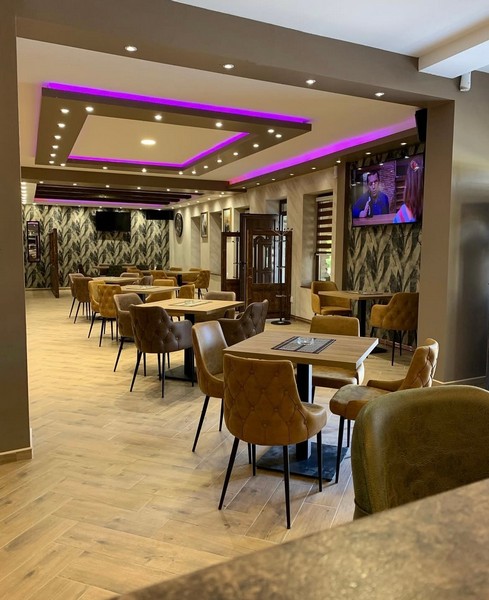
Restoran Dukat nudi jedinstvenu atmosferu sa svečanim i elegantnim ambijentom, idealnim za sve vrste proslava, uživanje u tradicionalnim jelima i uživanje u vrhunskom ugostiteljstvu. Autor...
Read more -
RESTORAN „NIŠ“ – Bogojevo
Restoran „Niš“ u Bogojevu je mesto gde se dobra hrana, gostoprimstvo i prijatan ambijent spajaju u pravi domaćinski doživljaj.
Read more -

RESTORAN „MOJ ZAVIČAJ 89“ – Bački Gračac
Restoran „Moj Zavičaj 89“ predstavlja mesto gde se neguje tradicionalna atmosfera, dobro gostoprimstvo i uživanje u hrani. Svojim ambijentom pruža gostima prijatno mesto za predah,...
Read more -

RESTORAN „TRI LIPE“ – Odžaci
Restoran „Tri Lipe“ je mesto u kojem se tradicionalna domaća kuhinja, kvalitetna hrana i prijatan ambijent spajaju u pravi gastronomski doživjaj. Smešten daleko od gradske...
Read more -
RESTORAN „KOD BOBE I KATE“ – Lalić
Potreban vam je restoran domaće kuhinje u Odžacima? Na pravom ste mestu! Restoran nudi veliki izbor domaćih specijaliteta koji su pripremani po specijalnim recepturama njihovih...
Read more -
RESTORAN „CAR“ – Odžaci
Restoran Car je restoran domaće i internacionalne kuhinje. U ponudi imaju jela sa roštilja, ribu (šaran, pastrmka, smuđ, brancin), teleću i pileću čorbu, jagnjetinu, teletinu...
Read more
-

ZOBNATICA – Zobnatica
Zobnatica is located 5 km north of Bačka Topola. It is a tourist complex with a long tradition and a diverse range of attractions. It...
Read more -
THE HUNTING GROUND “SREM – MAČVA” – Sremska Mitrovica
The hunting society “Sremska Mitrovica”, with the headquarters in Sremska Mitrovica, manages the hunting area “Srem – Mačva” on the surface of 68.866 ha, while...
Read more -
THE HUNTING GROUND “SRPSKI MILETIĆ” – Srpski Miletić
The hunting ground “Srpski Miletić” is situated near the fishing pond of the same name and it’s very specific because of that in hunting and...
Read more -
HUNTING GROUND VAROŠKI RIT – Kikinda
Hunting association “Kikinda” from Kikinda, managed hunting ground “Varoški rit” total area of 30.529 ha, of which hunting area includes 25.000 ha. The hunting ground...
Read more -
HUBERTUS – Ada
It is a specialized object for hunting tourism with all the additional contents. The accommodation capacity is 20 beds. Within the object there is also...
Read more -
HUNTING GROUND “KOŠTANAC” – Nova Crnja
It is located in the municipality of Nova Crnja, with total area of 27,287 ha, of which hunting area covers 25.336 ha. Game hunting offer:...
Read more
-
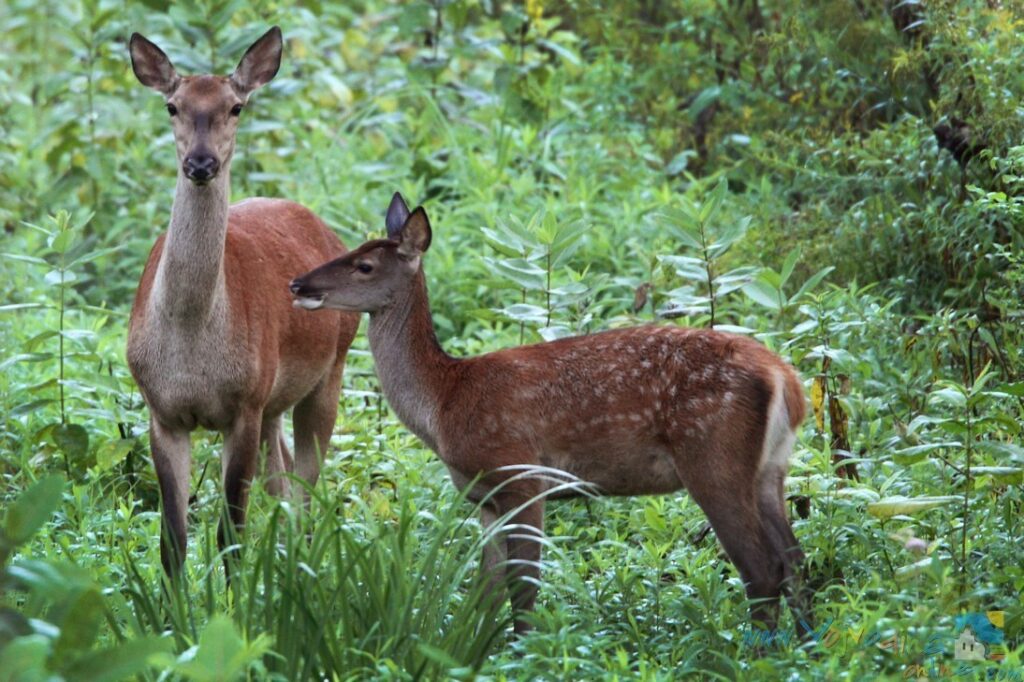
ХРАНИЛИШТЕ – Тител
Очи у очи са орлом Како би помогла исхрану некрофагних и птица грабљивица у зимским месецима, Установа за заштиту природе „Тителски брег“ организовала је ограђено...
Read more -

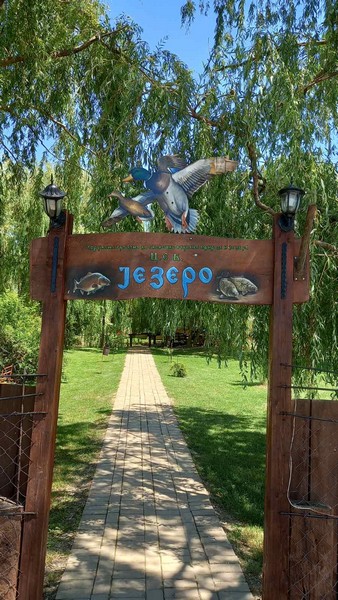
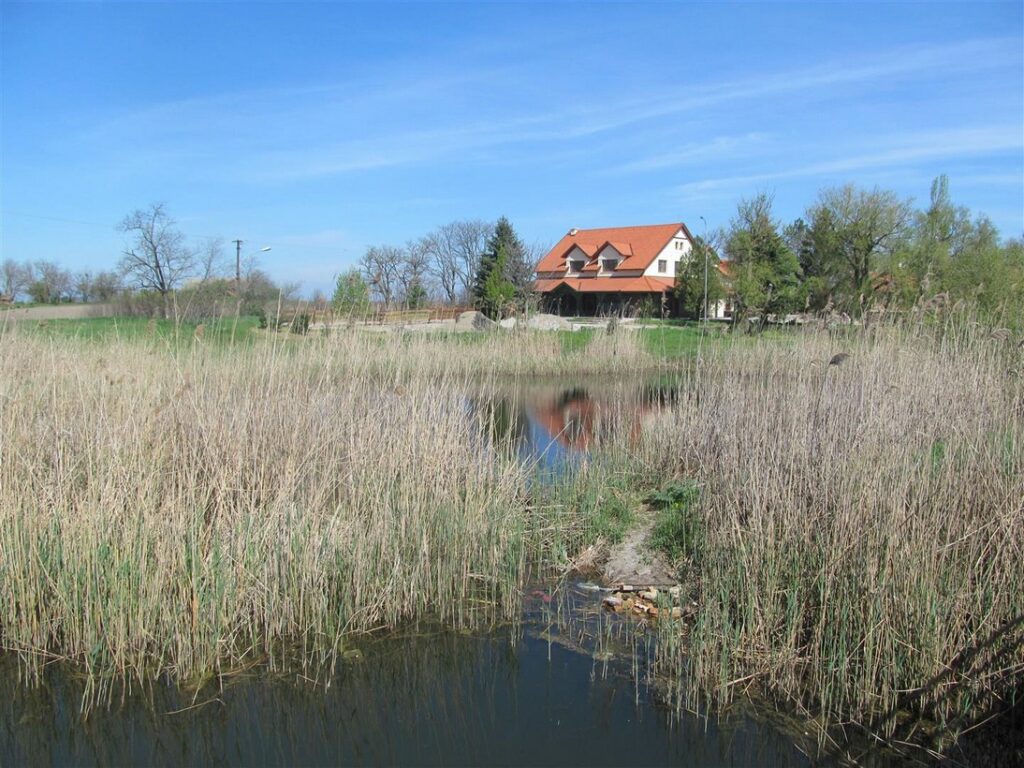
”JEZERO” CREPAJA ECOLOGICAL GARDEN – Crepaja
In the heart of Banat, in the village of Crepaja, lies an oasis of peace and nature – the ”Jezero” Ecological Garden. Once a brickwork,...
Read more -

NATURE PARK “STARA TISA”
Nature Park “STARA TISA” near Biserno ostrvo (Pearl Island) covers an area of 391 ha, of which 6% is in protect mode II (the second)...
Read more -
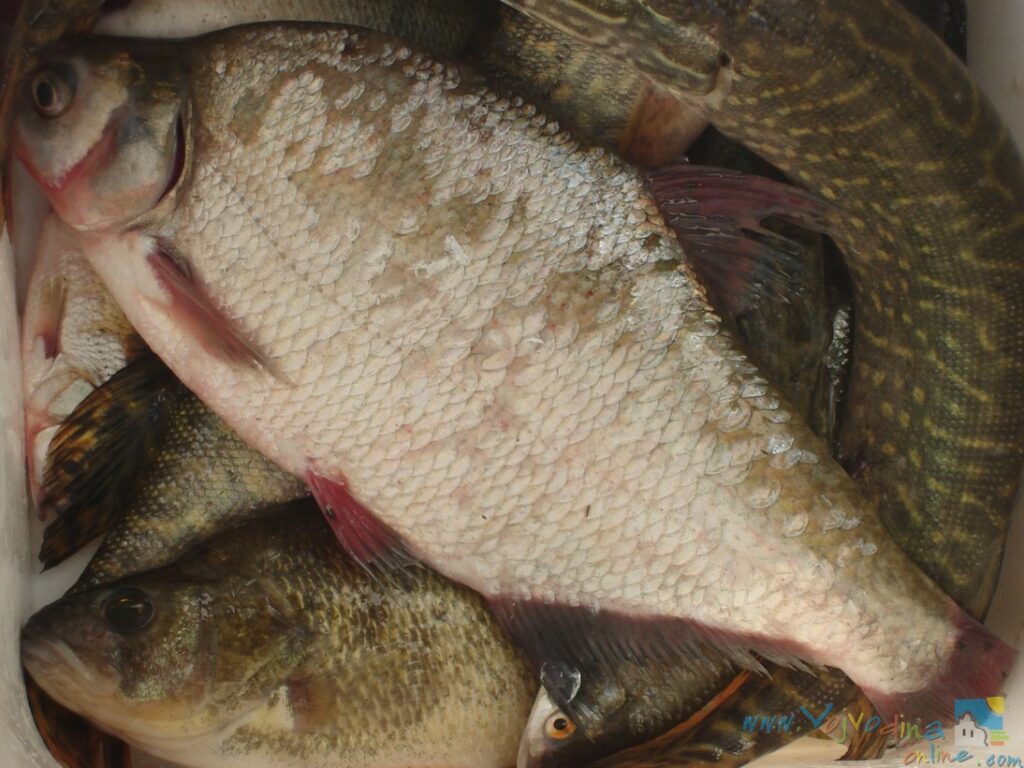
THE FISH POND – Bečej
The Fish Pond Bečej was found in1968. It was built near the road Bečej – Bačko Gradište, and covers the surface of 650 ha. The...
Read more -
“DELIBLATSKA PEŠČARA” (DELIBLATO SANDS) SPECIAL NATURE RESERVE
In the south-eastern part of the Pannonian Plain, in Banat, lies the largest continental sand area in Europe, covering nearly 35,000 hectares. Elliptical in shape,...
Read more -
”OBEDSKA BARA” SPECIAL NATURE RESERVE
The Obedska Bara Special Nature Reserve is a world-famous wetland area which, throughout its long history, has served as a true refuge for wildlife, as...
Read more


-
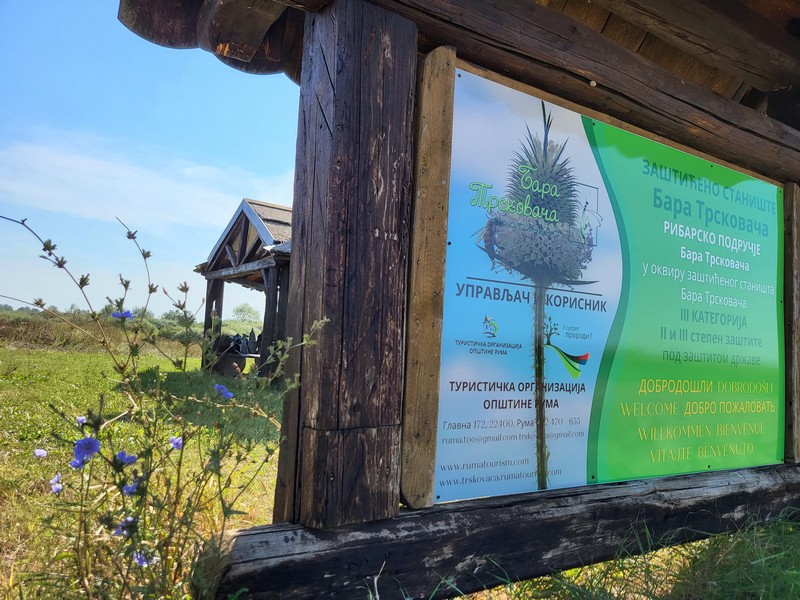
TRSKOVAČA POND – Platičevo
The Trskovača Pond area is designated as a protected natural habitat and is classified as a Category III protected natural asset. It is located in...
Read more -
BOATING ALONG DANUBE AND ITS BACKWATERS
The trip includes: Srem breakfast on the pontoon on the Danube in Čortanovcima, boating from Cortanovci below beščanskog bridge to Krcedinska ade, ade tour, lunch...
Read more -
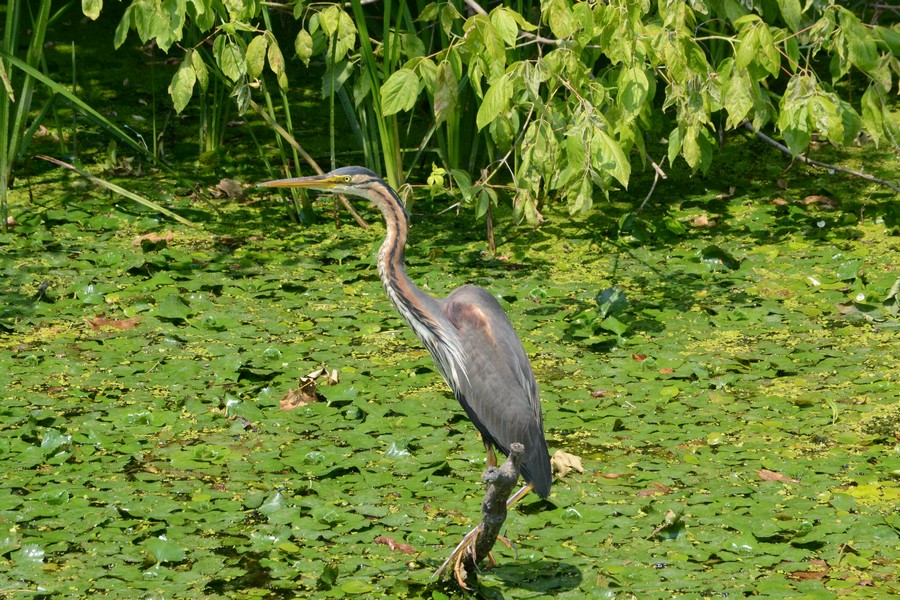
“CARSKA BARA” SPECIAL NATURE RESERVE
The ”Carska Bara” Special Nature Reserve is situated on the alluvial plain of the Begej and Tisa rivers, in the immediate vicinity of major roads...
Read more
-
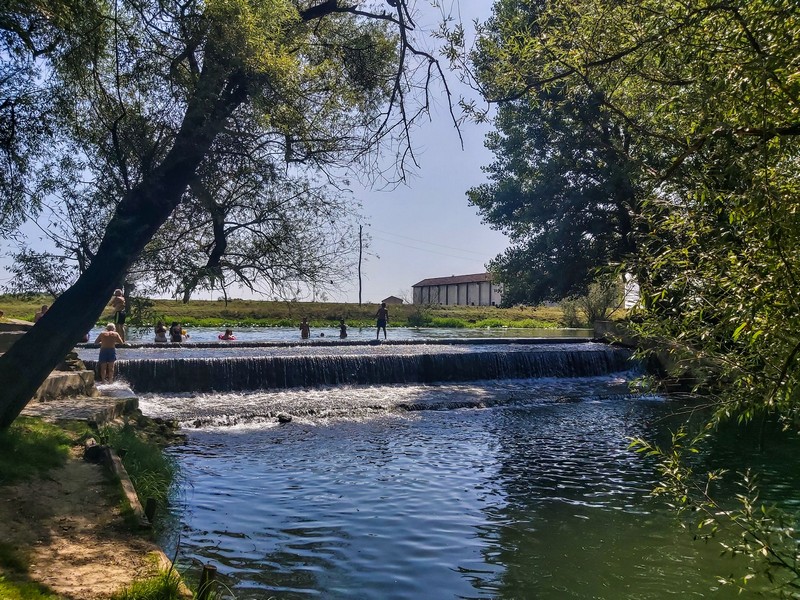
KARAŠ RIVER – Bela Crkva
The Karaš River (Romanian: Caraș) originates in Romania and flows into the Danube–Tisa–Danube Canal (DTD) between Dupljaja and Grebenac. From there, its former natural course...
Read more -
“GORNJE PODUNAVLJE” SPECIAL NATURE RESERVE
The Gornje Podunavlje Special Nature Reserve is a protected natural area extending across the territories of the municipalities of Apatin and Sombor. It covers a...
Read more
-
SPACE MUSEUM – PETROVARADIN
On December 1, 2023, the first technical museum in Novi Sad opened at the Petrovaradin Fortress, which is also the first museum in the region...
Read more -
THE TANOVI HOUSE – Bečej
At the beginning of the current Braće Tan Street, at numbers 5–7 on the right side heading toward the town center, stands the Tanovi House,...
Read more -
ETHNO MUSEUM EXHIBITION OF DANUBE GERMANS – Аpatin
This sacred building was constructed in a pseudo-Romanesque style between 1931 and 1933 and was the largest Catholic church built in the Bačka region between...
Read more -
Šokac House – Vajska
Located in the small village of Vajska, part of the Bač municipality, the Šokac House was restored and officially opened on July 14, 2019. Its...
Read more -
FRIC-HRISTIĆ CASTLE – Bačko Novo Selo
Fric-Hristić Castle is located in Bačko Novo Selo, a settlement within the municipality of Bač, situated on the very bank of the Dunav. The village...
Read more


-
WINERY “VUCIJI PODRUM”- Sombor
“Vučji podrum” from Sombor, is a young family winery founded in 2012. by Vuk Vujko, B.Sc. In engineering of fruit growing and wine producing, combined...
Read more -
WINERY “DRAGIĆ” – Riđica
Winery complex and vineyards are located in Riđica, close to the Hungarian border on the old road from Belgrade to Budapest, which have always been...
Read more -
WINERY “AVEN” – Indjija
The small family winery Aven was opened in 2019 in Indjija. It is equipped with modern technology and comfortably packed in the family house in...
Read more -
WINERY “VINARTOS” – Becej
Winery “Vinartos” is located in Becej in the Central Potiska river wine-growing region. Vinartos Winery is a small family winery that is a combination of...
Read more


-
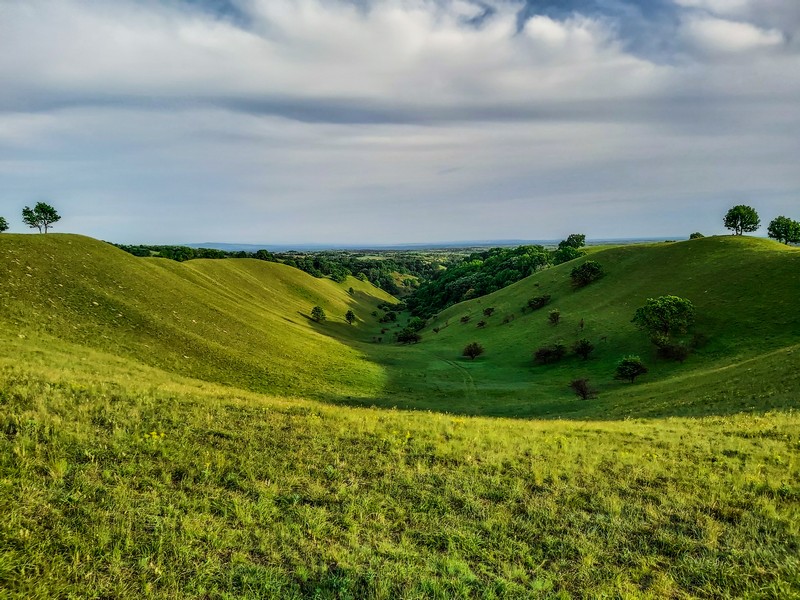
ZAGAJIČKA BRDA HIKING TRAIL – Bela Crkva
The Zagajička Brda Educational Hiking Trail is located within the Deliblato Sands Special Nature Reserve, along the Grebenac route. The route is 6–15 km long,...
Read more -
”OBEDSKA BARA” SPECIAL NATURE RESERVE
The Obedska Bara Special Nature Reserve is a world-famous wetland area which, throughout its long history, has served as a true refuge for wildlife, as...
Read more -
„RITOVI DONjEG POTISJA“ SPECIAL NATURE RESERVE
The “Ritovi Donjeg Potisja” Special Nature Reserve is located in the central part of Vojvodina, along both the left and right banks of the Tisa...
Read more -

“KOVILJSKO-PETROVARADINSKI RIT” SPECIAL NATURE RESERVE
In the vicinity of Novi Sad lies the Kovilj-Petrovaradin Marsh Special Nature Reserve. It comprises a complex of marsh, wetland and forest ecosystems, with numerous...
Read more -
“SLANO KOPOVO” SPECIAL NATURE RESERVE – Novi Bečej
Slano Kopovo is one of the last remaining preserved saline marshes in Vojvodina. It was designated a Special Nature Reserve in 2001. It is an...
Read more -
HIKING TRAILS – Beočin
From the outing Hladne vode which is located at 300 meters above the monastery Beočin one has the option to opt for a stroll on...
Read more


-
NATURE PARK “STARA TISA”
Nature Park “STARA TISA” near Biserno ostrvo (Pearl Island) covers an area of 391 ha, of which 6% is in protect mode II (the second)...
Read more -
BEACH IN ADA – Ada
The beach in Ada is shallow and sandy, and is perhaps the most beautiful beach on the river Tisa. On its territory there is the...
Read more -
„RITOVI DONjEG POTISJA“ SPECIAL NATURE RESERVE
The “Ritovi Donjeg Potisja” Special Nature Reserve is located in the central part of Vojvodina, along both the left and right banks of the Tisa...
Read more
-
PAČIR THERMAL SPA – Pačir
Water in Pačir Thermal Spa rises to the surface from a depth of 1,400 metres. At the source, the water reaches a temperature of nearly...
Read more
-
JAN ČAPELA ETHNO HOUSE – Selenča
Built in 1914, this house has since been transformed into a Slovak ethno-house. The owner, Jan Čapelja, inherited it from his family, and it was...
Read more -
ETHNO HOUSE “BAKIN SPOMENAR” – Bezdan
Within the association “BAKIN SPOMENAR” in Bezdan, which was established on May 16, 2022, there is an Ethno House carrying the same name. It is...
Read more -

ŠOKAČKA ETHNO HOUSE – Bački Breg
In the 250 m² ethno house, there are objects from the 18th century, as well as colourful “šokački” costumes with over 800 clothing items. In...
Read more -
ETHNO HOUSE “AKSENTIJEV KUĆERAK” – Ogar
In Ogar, a richly preserved peasant house from the late 18th century can be found. It is the oldest house in this part of Srem....
Read more -
HOMELAND HOUSE “DA SE NE ZABORAVI” – Karavukovo
In the yard of the “Bora Stanković” Elementary School stands the Homeland House – Museum “Da se ne zaboravi” (Let It Not Be Forgotten) The...
Read more


-
“KELEBIJA” STUD FARM – Kelebija
At the northernmost point of Serbia, right at the border crossing and only a few minutes’ drive from the center of Subotica, lies the well-known...
Read more -
ZOBNATICA – Zobnatica
Zobnatica is located 5 km north of Bačka Topola. It is a tourist complex with a long tradition and a diverse range of attractions. It...
Read more -
“MAMBO” EQUESTRIAN CLUB – Šakotinac
They organize walks as well as horseback riding for adults and children.
Read more -
“MIRELA” EQUESTRIAN CLUB – Belegiš
Equestrian Club Mirela is located 20 km from Belgrade and features 20 stalls built according to all European standards for horse breeding and care. The...
Read more -
”BUNFORD” STUD FARM – Subotica
In a pleasant and relaxing atmosphere, guests are offered the opportunity to experience the spirit of local tradition through a variety of activities. Visitors can...
Read more -
RIDING SCHOOL “MAGNIFICO” – Sombor
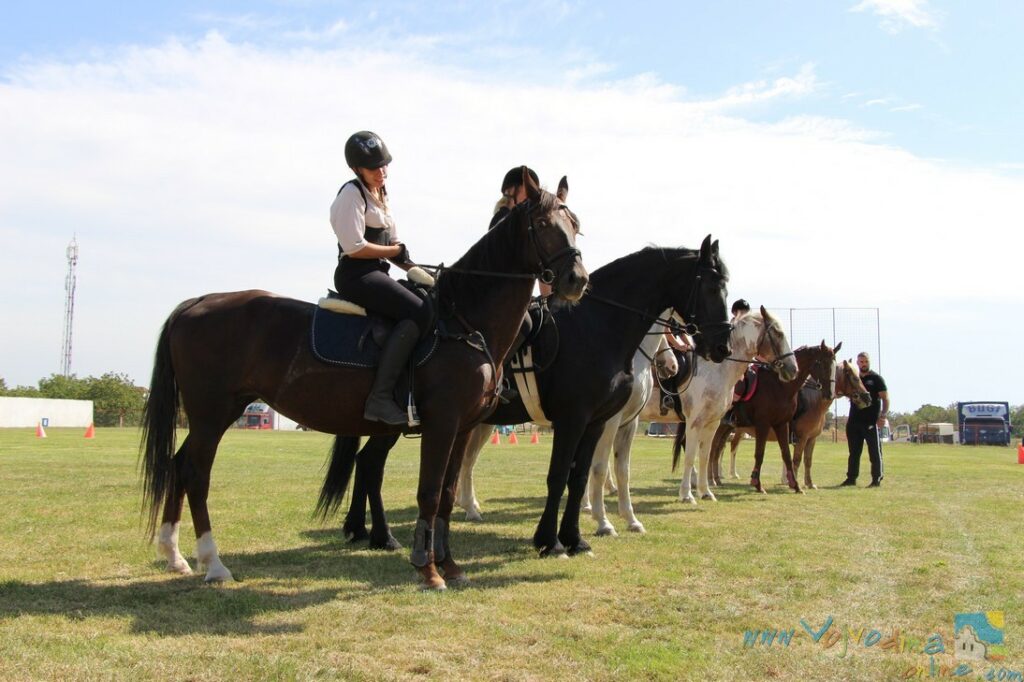
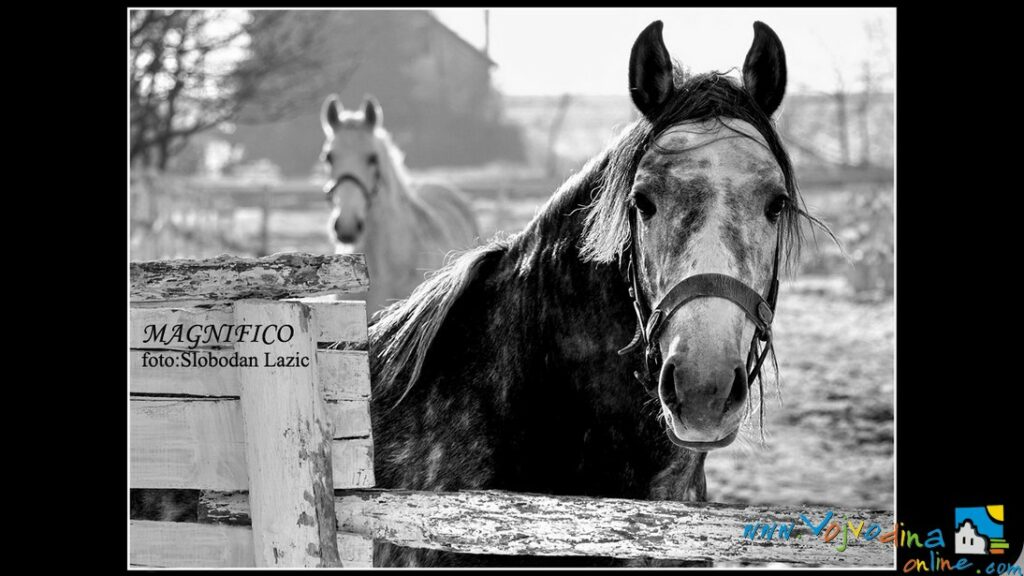
Riding school “Magnifico” can offer training through the sport school as well as recreational riding, and for advanced riders, riding in the district of Sombor...
Read more
-
“KRALJEVAC” SPECIAL NATURE RESERVE
The ‘Kraljevac’ Special Nature Reserve extends across an area that was once part of the Pannonian Sea, where wind activity formed a loess terrace into which the...
Read more -
“DELIBLATSKA PEŠČARA” (DELIBLATO SANDS) SPECIAL NATURE RESERVE
In the south-eastern part of the Pannonian Plain, in Banat, lies the largest continental sand area in Europe, covering nearly 35,000 hectares. Elliptical in shape,...
Read more -
”OBEDSKA BARA” SPECIAL NATURE RESERVE
The Obedska Bara Special Nature Reserve is a world-famous wetland area which, throughout its long history, has served as a true refuge for wildlife, as...
Read more -
„RITOVI DONjEG POTISJA“ SPECIAL NATURE RESERVE
The “Ritovi Donjeg Potisja” Special Nature Reserve is located in the central part of Vojvodina, along both the left and right banks of the Tisa...
Read more -
“KOVILJSKO-PETROVARADINSKI RIT” SPECIAL NATURE RESERVE
In the vicinity of Novi Sad lies the Kovilj-Petrovaradin Marsh Special Nature Reserve. It comprises a complex of marsh, wetland and forest ecosystems, with numerous...
Read more -
“SLANO KOPOVO” SPECIAL NATURE RESERVE – Novi Bečej
Slano Kopovo is one of the last remaining preserved saline marshes in Vojvodina. It was designated a Special Nature Reserve in 2001. It is an...
Read more

-
DENTAL CENTER NORDENT – Subotica
According to the modern global trends Dental Center “NorDent” belongs to the leading centres of “dental tourism” in Serbia. A vast net of trained and...
Read more
-
SPACE MUSEUM – PETROVARADIN
On December 1, 2023, the first technical museum in Novi Sad opened at the Petrovaradin Fortress, which is also the first museum in the region...
Read more -
THE TANOVI HOUSE – Bečej
At the beginning of the current Braće Tan Street, at numbers 5–7 on the right side heading toward the town center, stands the Tanovi House,...
Read more -
ETHNO MUSEUM EXHIBITION OF DANUBE GERMANS – Аpatin
This sacred building was constructed in a pseudo-Romanesque style between 1931 and 1933 and was the largest Catholic church built in the Bačka region between...
Read more -
Šokac House – Vajska
Located in the small village of Vajska, part of the Bač municipality, the Šokac House was restored and officially opened on July 14, 2019. Its...
Read more -
LOCAL MUSEUM “PRIGREVICA” – Prigrevica
The Local Museum, featuring exhibits from Lika and Banija, is housed within the Cultural Center. It represents the historical, ethnological, and sociological aspects of the...
Read more -
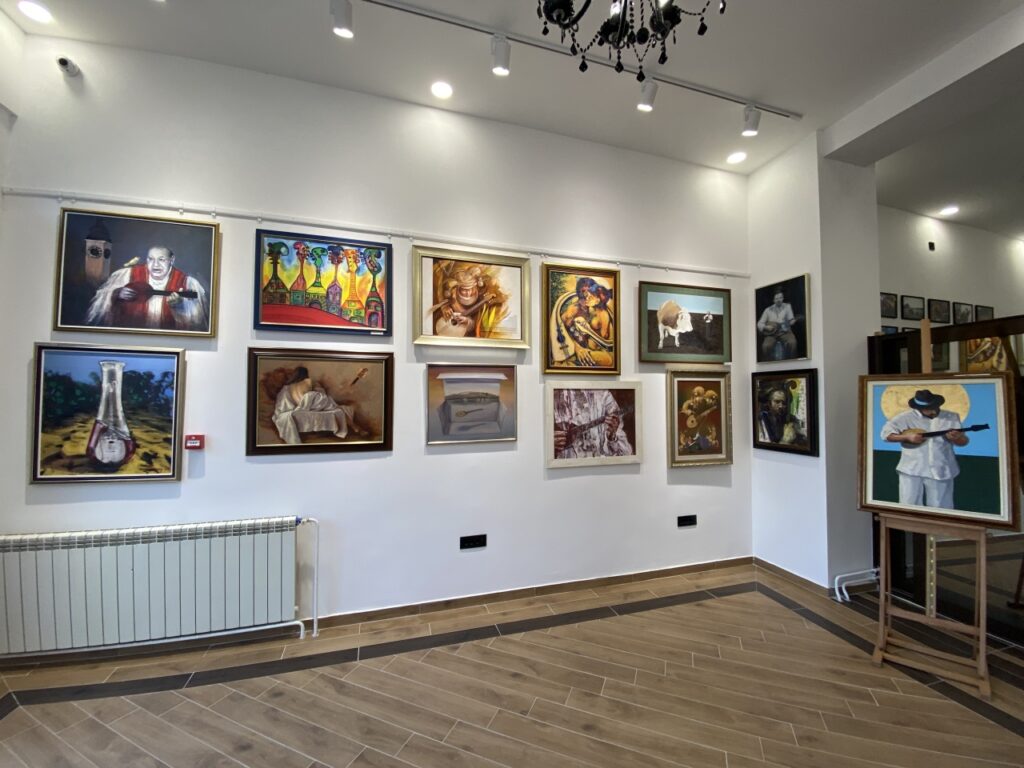
TAMBURICA FEST MUSEUM – NOVI SAD
Novi Sad has in recent years gained a new museum dedicated to “her majesty” – the tamburica. In celebration of the city’s title as European...
Read more

-
WINERY “VUCIJI PODRUM”- Sombor
“Vučji podrum” from Sombor, is a young family winery founded in 2012. by Vuk Vujko, B.Sc. In engineering of fruit growing and wine producing, combined...
Read more -
WINERY “DRAGIĆ” – Riđica
Winery complex and vineyards are located in Riđica, close to the Hungarian border on the old road from Belgrade to Budapest, which have always been...
Read more -
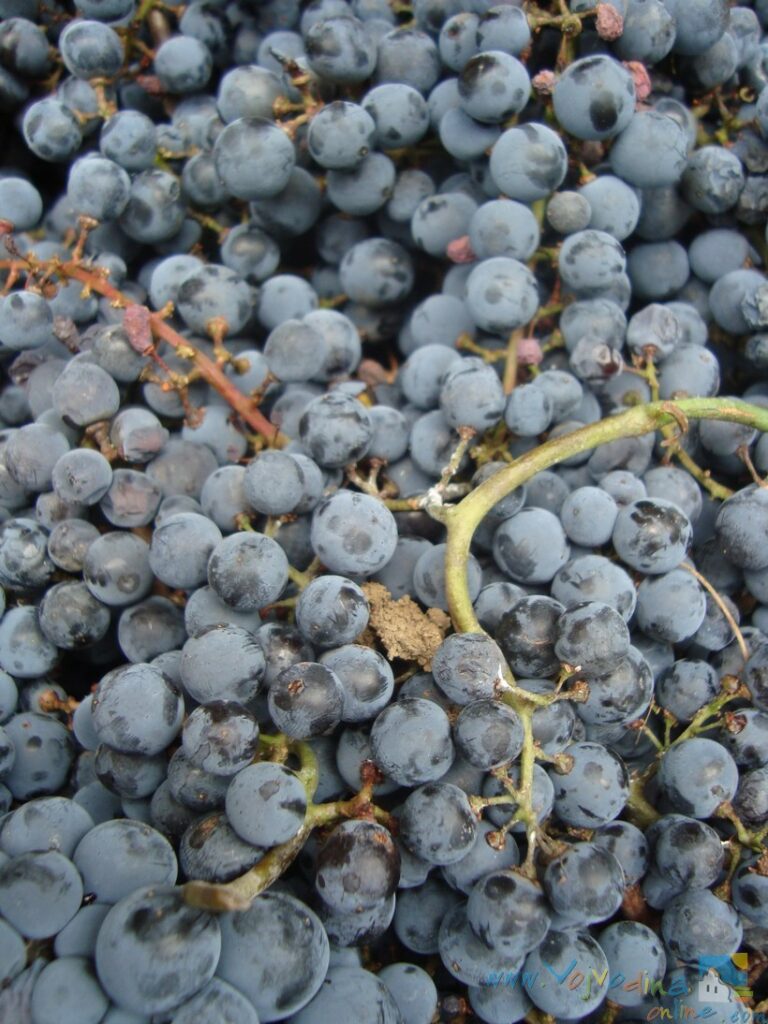
WINE MANUFACTURE SPASIĆ – Novi Slankamen
Winery and distillery Manufaktura Spasić, founded in 1999, is located in Novi Slankamen, in Jovana Dučića Street no. 6. Somewhere between the Danube and the...
Read more -
WINERY “AVEN” – Indjija
The small family winery Aven was opened in 2019 in Indjija. It is equipped with modern technology and comfortably packed in the family house in...
Read more -
WINERY “VINARTOS” – Becej
Winery “Vinartos” is located in Becej in the Central Potiska river wine-growing region. Vinartos Winery is a small family winery that is a combination of...
Read more -
WINERY “MILISAVLJEVIĆ” – Kula
The wine cellar “Milisavljević” in its cellars in Lipar on Telečka plateau decided in 2008 to restore wine tradition of “Telečka plateau” and to produce...
Read more
-
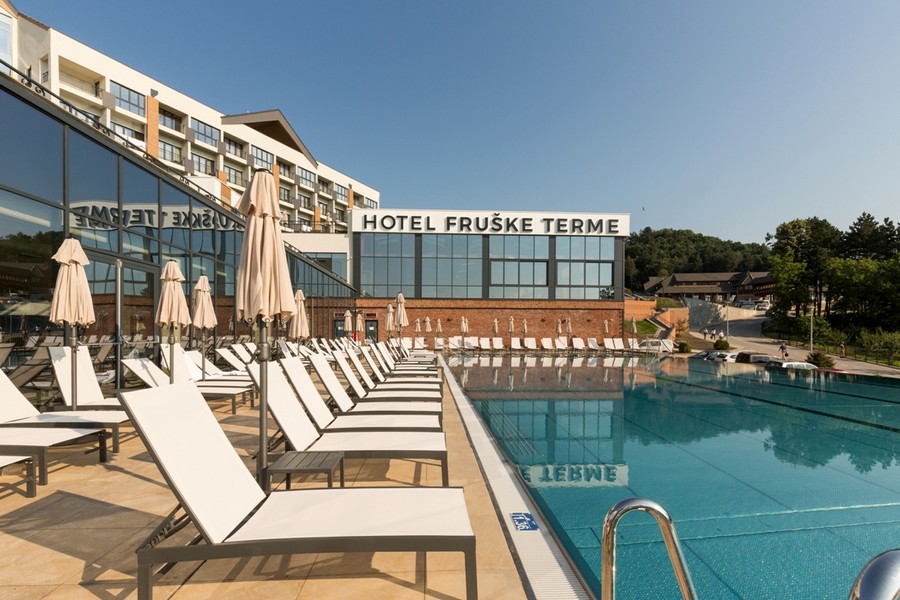
FRUŠKE TERME HOTEL AND SPA – Vrdnik
Fruške Terme Hotel & Spa Nestled on the slopes of Fruška Gora, Fruške Terme is a luxury hotel and spa complex operated by Promont Group...
Read more -

“TERMAL” SPA AND REHABILITATION CENTER – Vrdnik
Termal Spa, Vrdnik For more than four decades, Termal Spa in Vrdnik has combined the healing properties of its natural thermal water with the expertise...
Read more -
PAČIR THERMAL SPA – Pačir
Water in Pačir Thermal Spa rises to the surface from a depth of 1,400 metres. At the source, the water reaches a temperature of nearly...
Read more -
SPA JUNAKOVIĆ – Apatin
Located in the far northwest of Vojvodina, just 4.5 kilometers from Apatin and the Danube River, on the edge of a beautiful forest, lies Spa...
Read more -
SPA KANJIŽA – Kanjiža
Over more than nine decades, the spa “Kanjiža” has developed into a modern Institute for Rehabilitation. It offers the hospitality to those who need rest,...
Read more -
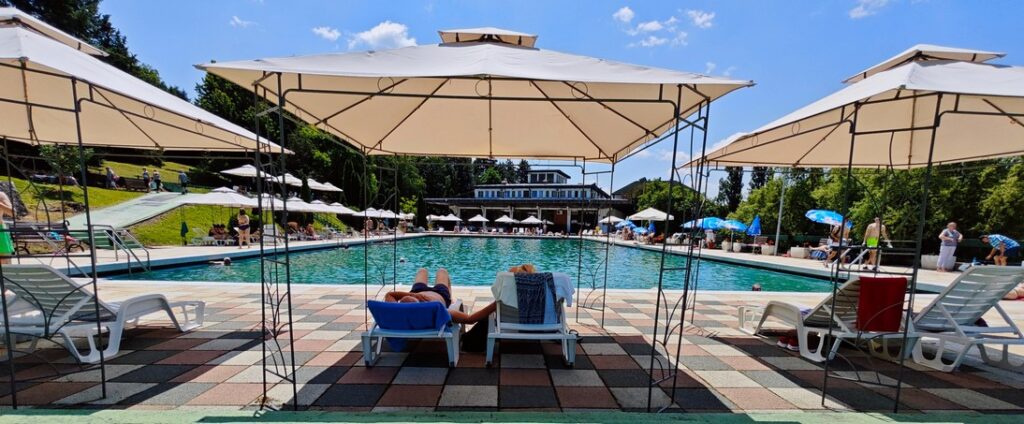
TERMAL POOL – Palić
nearby the Men’s Strand 50 m from the lake Outdoor thermal pool showers / WC changing rooms Water is thermal and healing (sodium hydro-carbonate-sulphide-iodine water)....
Read more
-
“FRUŠKA GORA” NATIONAL PARK
The name of the National Park derives from the name of the mountain of the same name. The term Fruška Gora contains, in its adjectival...
Read more
-
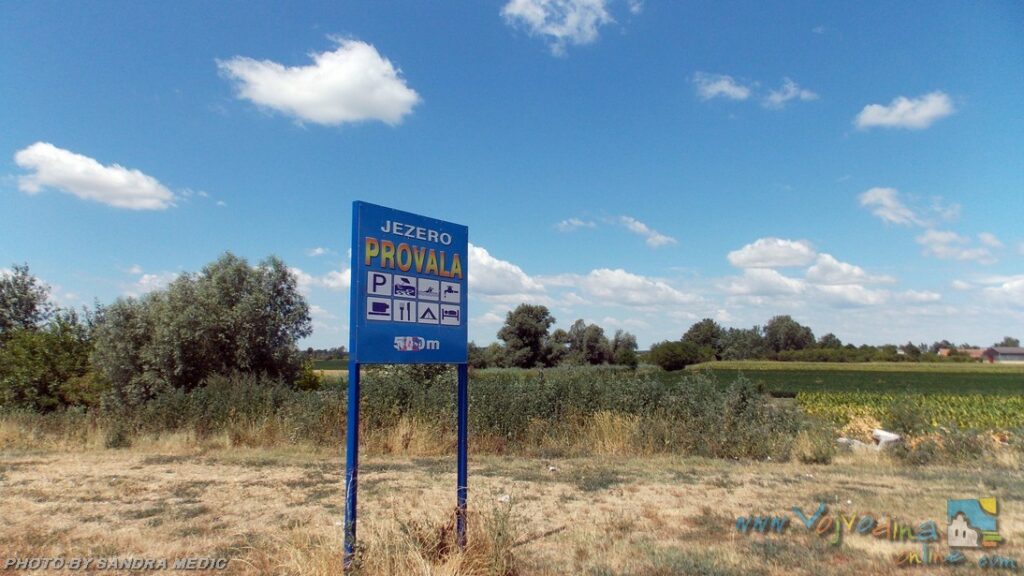
LAKE “PROVALA” – Vajska
There was a major flood of the Danube in 1924, when the Danube broke through the embankment and basin carved this natural lake. The lake...
Read more -
TRSKOVAČA POND – Platičevo
The Trskovača Pond area is designated as a protected natural habitat and is classified as a Category III protected natural asset. It is located in...
Read more -
MEĐEŠ LAKE – Šatrinci
The lake is rich in fish species such as zander, Prussian carp, grass carp, common carp, and various whitefish species, making it a well-known destination...
Read more -
LAKE “ŠLJUNKARA” – Kovin
The strand “Šljunkara” is located approximately 2.5 km east of Kovin. It is an attractive bathing area with avery clean and transparent water, pebble beach,...
Read more -
ZOBNATICA LAKE – Bačka Topola
Zobnatica Lake was formed in 1976 in the valley of the Krivaja River. It covers an area of 226 hectares and is approximately 5 kilometres...
Read more -
KRIVAJA LAKE – Krivaja
Krivaja is located 14 km west of Bačka Topola. The settlement resembles a park-like area, with gently rolling, wooded green spaces. It is a popular...
Read more
-
BAKAJIN GALLERY–ATELIER – Sremski Karlovci
The Bakajin Gallery-Atelier is located in the small town of Sremski Karlovci, the centre of the Eparchy of Srem, surrounded by monasteries on Fruška Gora....
Read more -
“SEZAN ART” GALLERY – Novi Sad
Opening Hours: Monday–Friday: 10:00 AM – 1:00 PM and 4:00 PM – 8:00 PM Saturday: 10:00 AM – 2:00 PM Sunday: Closed
Read more -
“JOVAN POPOVIĆ” GALLERY – Opovo
The “Jovan Popović” Gallery in Opovo is a specialized institution where exhibitions of various types are held, ranging from museum exhibits to works of contemporary...
Read more -
CULTURAL CENTRE – Kovin
The Cultural Centre is the main hub of cultural events in the Municipality of Kovin. We are the only institution in South Banat whose program...
Read more -
CULTURAL CENTRE – Kula
There is the amateur theatre, folk dance and art group in the cultural centre. Opening hours: weekdays from 7:00 AM to 3:00 PM.
Read more

-
MEĐEŠ LAKE – Šatrinci
The lake is rich in fish species such as zander, Prussian carp, grass carp, common carp, and various whitefish species, making it a well-known destination...
Read more -
KRIVAJA LAKE – Krivaja
Krivaja is located 14 km west of Bačka Topola. The settlement resembles a park-like area, with gently rolling, wooded green spaces. It is a popular...
Read more -
SAVA LAKE – Panonija
Panonija is an oasis of peace, offering opportunities for relaxation and walking, as well as sports and recreation thanks to numerous sports grounds. Near the...
Read more -

NATURE EXCURSION – BY BIKE – Vršac
Active nature in it’s best edition. Rich culture and aromatic wines. All in one day. Friday Arrival in Vršac in the afternoon or early evening....
Read more -
THE SPRING “KOZARICA” – Čortanovci
St. Sava was at the spring of Čortanovci at the beginning of the 18th century, when he reconciled his brother Stevan and the Hungarian King...
Read more -

ALAŠ – Padina
The picnic area Alaš is situated on 3 km far from Padina. Near it there are riffle range and waterwheel, an old well. With the...
Read more

-
FRUŠKE TERME HOTEL AND SPA – Vrdnik
Fruške Terme Hotel & Spa Nestled on the slopes of Fruška Gora, Fruške Terme is a luxury hotel and spa complex operated by Promont Group...
Read more -
PAČIR THERMAL SPA – Pačir
Water in Pačir Thermal Spa rises to the surface from a depth of 1,400 metres. At the source, the water reaches a temperature of nearly...
Read more -
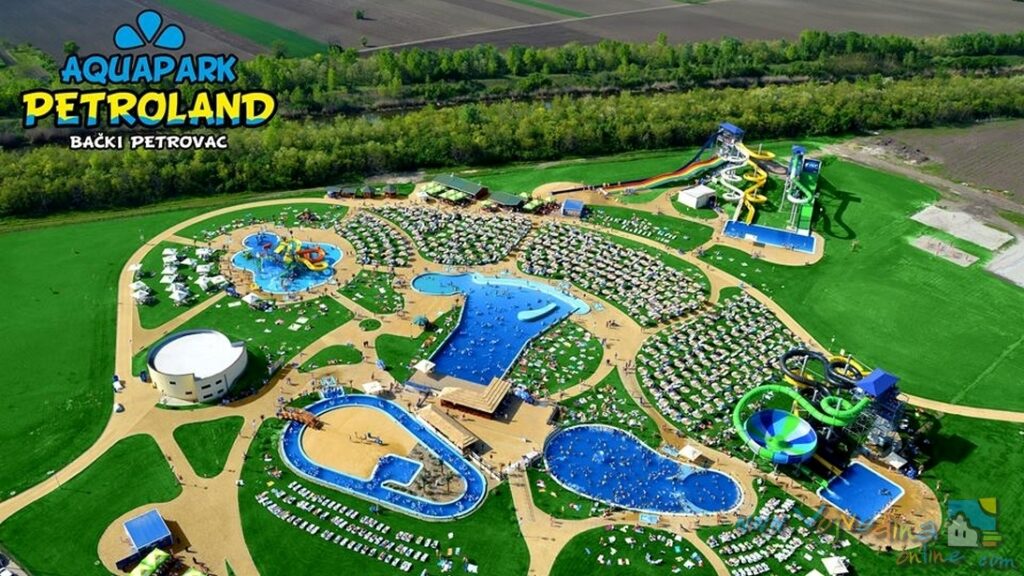
“PETROLAND” AQUA PARK – Bački Petrovac
PETROLAND AQUA PARK is the largest tourist and leisure attraction of its kind ever built in Serbia, covering an area of 8 hectares. It is...
Read more -
INDOOR SWIMMING POOL “PROZIVKA” – Subotica
There are two pools within the complex: a larger pool measuring 33 × 25 × 2 metres, and a smaller pool measuring 10 × 10...
Read more -
PLAVA ZVEZDA THERMAL SPA – Sremska Mitrovica
Detailed hydrogeological research was carried out in 1994 at the thermal spring in Salaš Noćajski, located south of Sremska Mitrovica, within the municipality to which...
Read more -
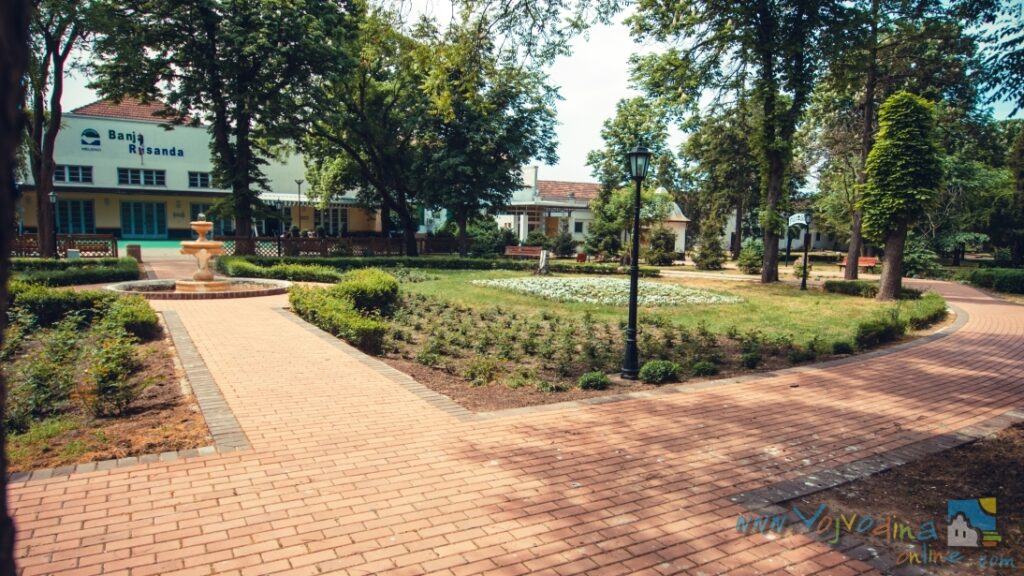
SPA “RUSANDA” – Melenci
SPA Rusanda can offer to its guests medical treatments of: illness’ of the central and peripheral nerve system wounds and illness of the ospreous and...
Read more
-
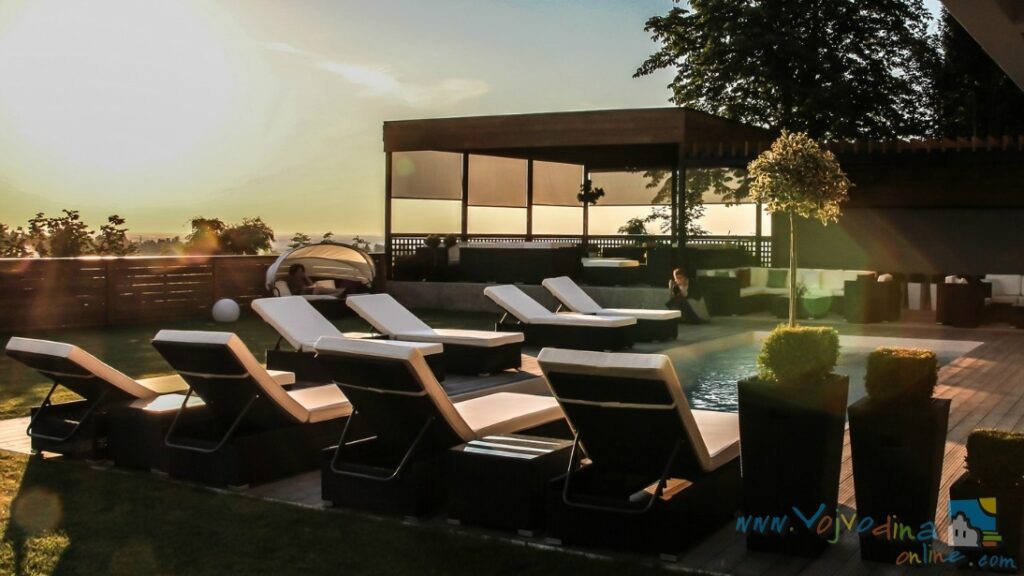
”RESET” EVENT CENTRE – Sremska Kamenica
Reset Event Centre is a venue available for rent for special occasions, allowing you to host events in complete privacy within the club space. This...
Read more
-
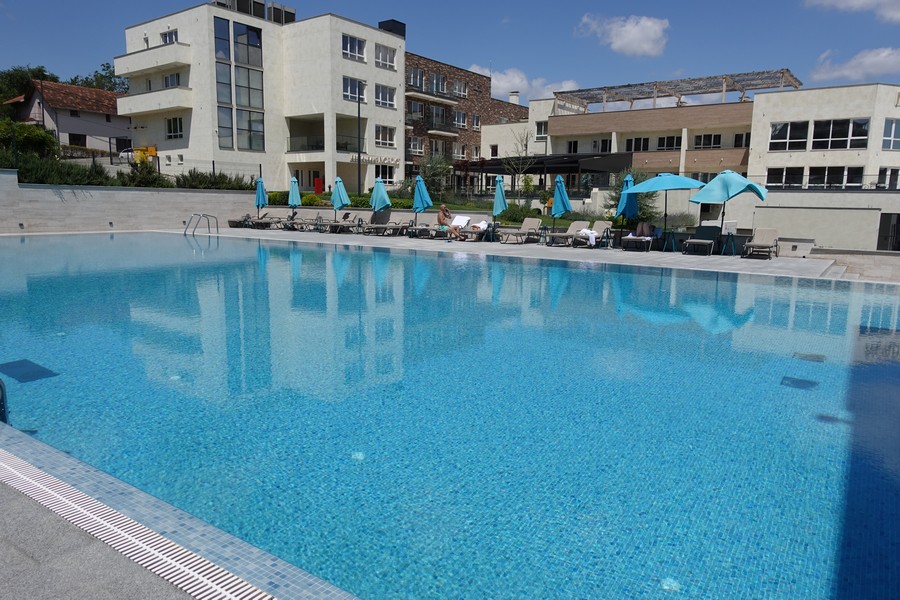
”NORDIC RESORT” SWIMMING POOLS – Sremska Kamenica
Nordic Resort offers both outdoor and indoor swimming pools, along with a steam bath, sauna, salt room, and tepidarium. Outdoor Pools Indoor Pools Opening hours:...
Read more -
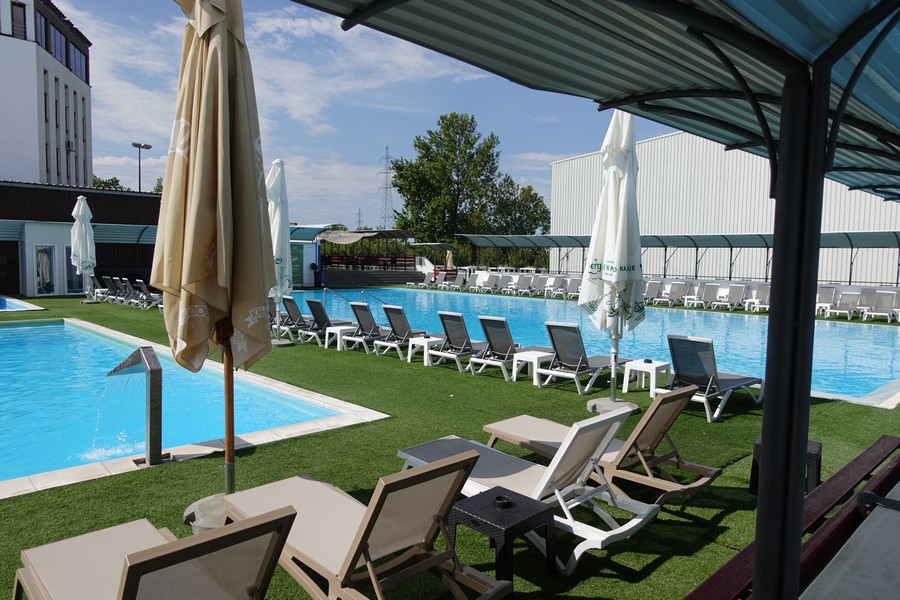
”SOLE MIO” HOTEL SWIMMING POOLS – Novi Sad
Hotel Sole Mio offers both indoor and outdoor swimming pool complexes, as well as a Finnish sauna, mild sauna, steam bath, heated benches, and a...
Read more -
SPORTS CENTER SWIMMING POOLS – Futog
The Futog Sports Centre features two indoor swimming pools: an Olympic-sized pool and a children’s pool divided into two sections. Olympic Pool Children’s Pool (Deeper...
Read more -
CITY SWIMMING POOL – Zrenjanin
The City Swimming Pool in Zrenjanin is one of the most visited summer bathing areas in the city and a favourite place for refreshment during...
Read more -
”VENUS” CITY SWIMMING POOL- Bačka Topola
The swimming pool measuring 25 × 21 metres, with a depth ranging from 140 to 180 cm and a water temperature of 26–27°C, is an...
Read more -
RECREATIONAL CENTER – Stara Moravica
The Recreational Center in Stara Moravica features four swimming pools with extended water surfaces and integrated lighting. The water temperature in the swimming pool and...
Read more
-
“KOZMA LAJOŠ” LIBRARY – Feketić
It is located within the premises of the KUD (Cultural and Artistic Society). Literary evenings, book launches, and scientific lectures are held there. The library...
Read more -
MUNICIPAL LIBRARY – Kovačica
The Central Library of the municipality is located in Kovačica. Its collection comprises 25,000 books, equally represented in Serbian and Slovak languages. The library has...
Read more -
“ĐURA JAKŠIĆ” PUBLIC LIBRARY – Srpska Crnja
The municipal cultural institution, the Public Library “Đura Jakšić”, was founded in 1964. The central library is located in Srpska Crnja and has a total...
Read more -
PUBLIC LIBRARY – Novi Bečej
The Public Library is located in Novi Bečej, a small town with 15,404 inhabitants. Of this population, 30% are of Hungarian nationality. This is an...
Read more

-
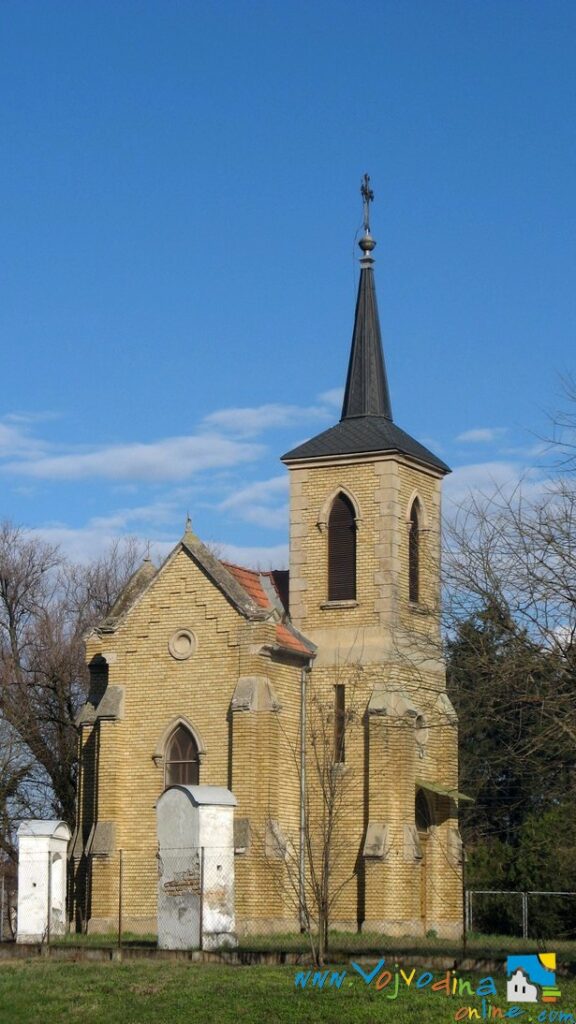
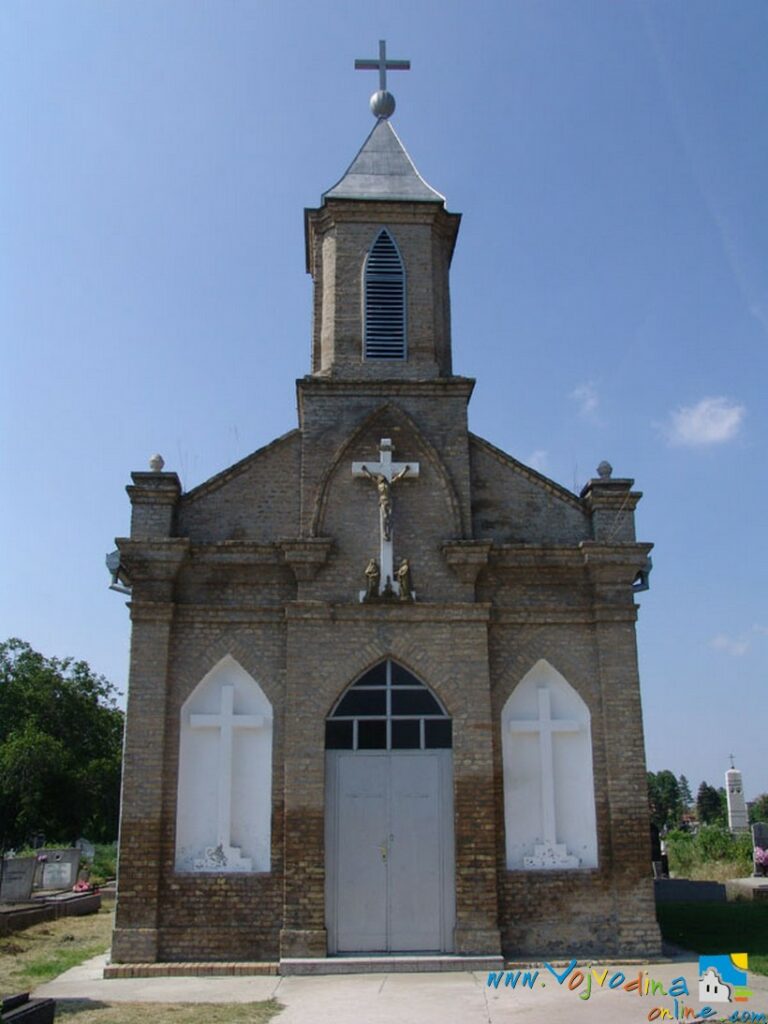
ST. WENDELIN CATHOLIC CEMETERY CHAPEL – Odžaci
St. Wendelin Catholic Cemetery Chapel in Odžaci was built in 1893 on the place of an earlier chapel from 1776. It was completely renovated in...
Read more -
CALVARY – Bačka Topola
The Calvary is situated on the highest peak of the town and is the master of the very center of the town. There are no...
Read more -
THE CHAPEL “MONASTERY” – Novi Bečej
The chapel Manastir – on the old cult place near Tisa – where, according to old stories, the Turks burn the Serbian monastery- which was...
Read more -
THE CHAPEL OF PULAI FAMILY WITH CALVARY AT CATHOLIC CEMETERY – Novi Bečej
The Chapel of Pulai family was built at the end of the XIX century. That is the one nave building with perfectly composed proportions, constructed...
Read more
-
“TERMAL” SPA AND REHABILITATION CENTER – Vrdnik
Termal Spa, Vrdnik For more than four decades, Termal Spa in Vrdnik has combined the healing properties of its natural thermal water with the expertise...
Read more -
FRUŠKE TERME HOTEL AND SPA – Vrdnik
Fruške Terme Hotel & Spa Nestled on the slopes of Fruška Gora, Fruške Terme is a luxury hotel and spa complex operated by Promont Group...
Read more -
PAČIR THERMAL SPA – Pačir
Water in Pačir Thermal Spa rises to the surface from a depth of 1,400 metres. At the source, the water reaches a temperature of nearly...
Read more -
SPECIAL HOSPITAL FOR NEUROLOGICAL ILLNESSES AND POST-TRAUMATIC STATES “DR BORIVOJE GNJATIC” – Stari Slankamen
In Old Slankamen there is one of the rare springs of salty water on the territory of Vojvodina, Slanača, after which maybe this place got...
Read more -
SPA “RUSANDA” – Melenci
SPA Rusanda can offer to its guests medical treatments of: illness’ of the central and peripheral nerve system wounds and illness of the ospreous and...
Read more
-
THE HOUSE OF DIMITRIJE ANASTASIJEVIĆ SABOV – Sremski Karlovci
Dimitrije Anastasijević Sabov House in Sremski Karlovci was built in 1790. On August 13, 1791, Stefan Stratimirović arrived at the house with his entourage, where...
Read more -
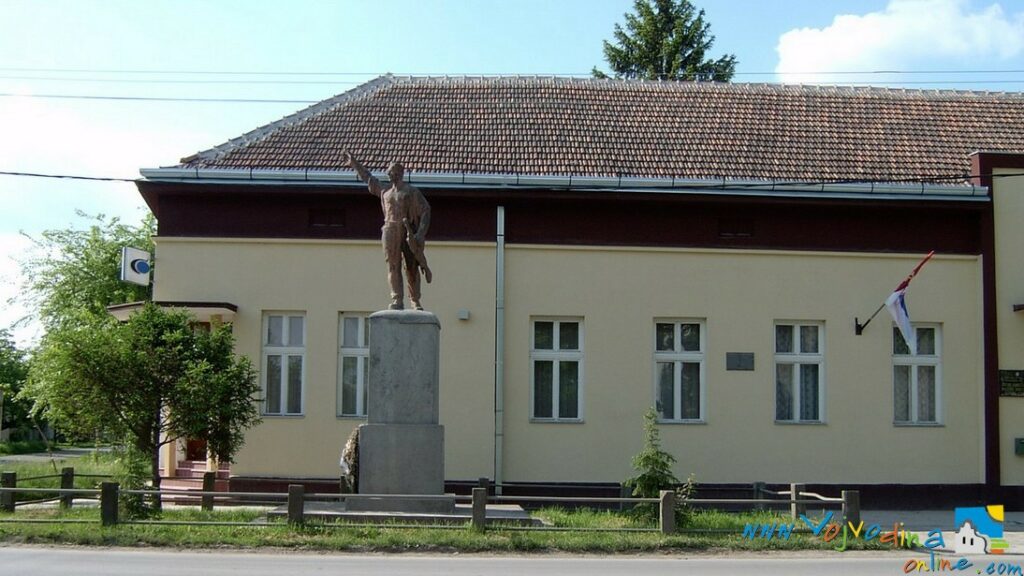
MONUMENT TO THE FALLEN SOLDIERS – Lalić
Monument to the fallen soldiers of the Second World War.
Read more -
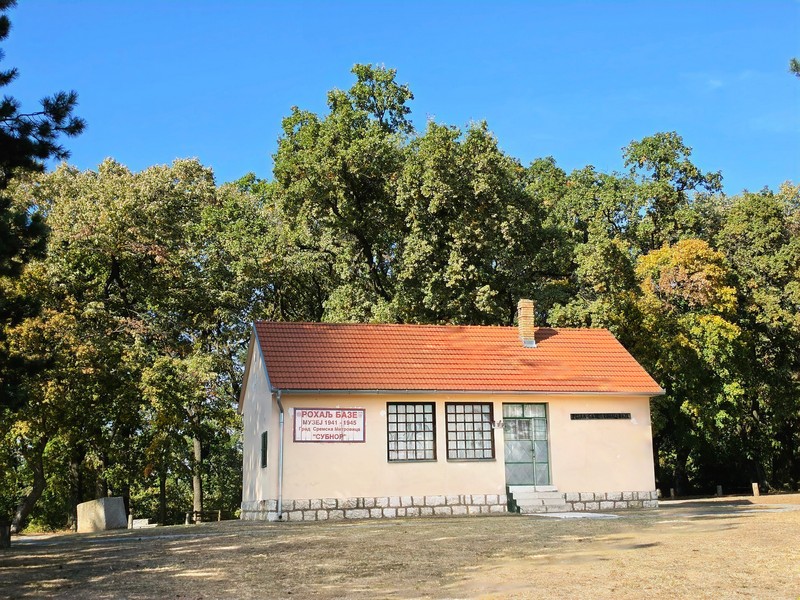
ROHALJ BASE – Sviloš
During the Second World War, this site served as a refuge for local civilians who had fled from Svilosh, Ležimir, Divosh and other villages on...
Read more -
“ROYAL” HOTEL BUILDING – Senta
The hotel building, considered very modern at the time, was constructed in 1911 based on a design by Ede Magyar. The building features elements of...
Read more

-
ECO-RECREATIONAL CENTER – Bački Monoštor
The tourist offer of Bački Monoštor is Eco-recreation center which was officially opened on the International Environment Day, 05 June 2008. Eco-recreation center consists of...
Read more -
TENNIS COURTS “TENNIS CLUB SPARTAK” – Subotica
Spartak Tennis Club is located in one of the most beautiful parks in Subotica, Dudova Šuma (Mulberry Forest) in the outstanding natural environment.
Read more -
SPORTS CENTER RUMA – Ruma
The Sports Centre complex spreads on the surface area of 6167.01 m². consisting of a large hall, automatic bowling alley, fitness center, judo hall, small...
Read more -
SPORTS CENTER “SOKO” – Sombor
The construction of the “Sokolski dom” began in 1926 and was completed the following year. The building was built in Byzantine style. At the time...
Read more -
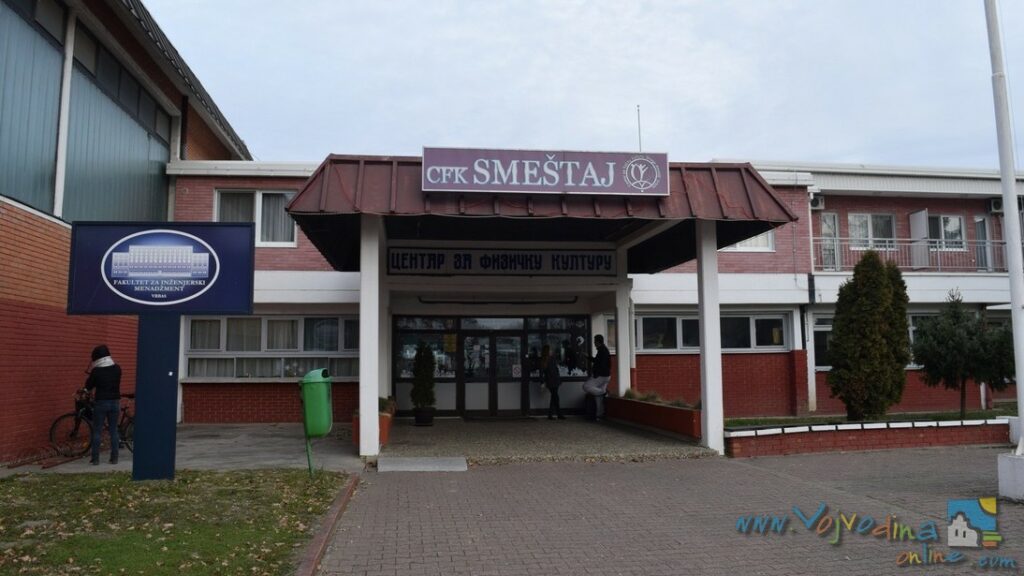
CENTRE FOR PHYSICAL CULTURE “DRAGO JOVOVIĆ” – Vrbas
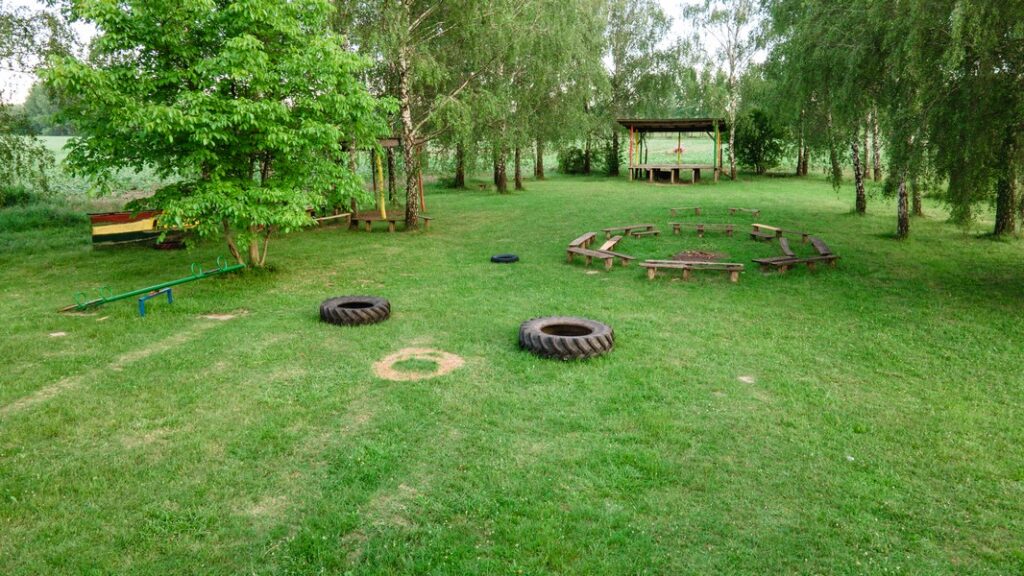
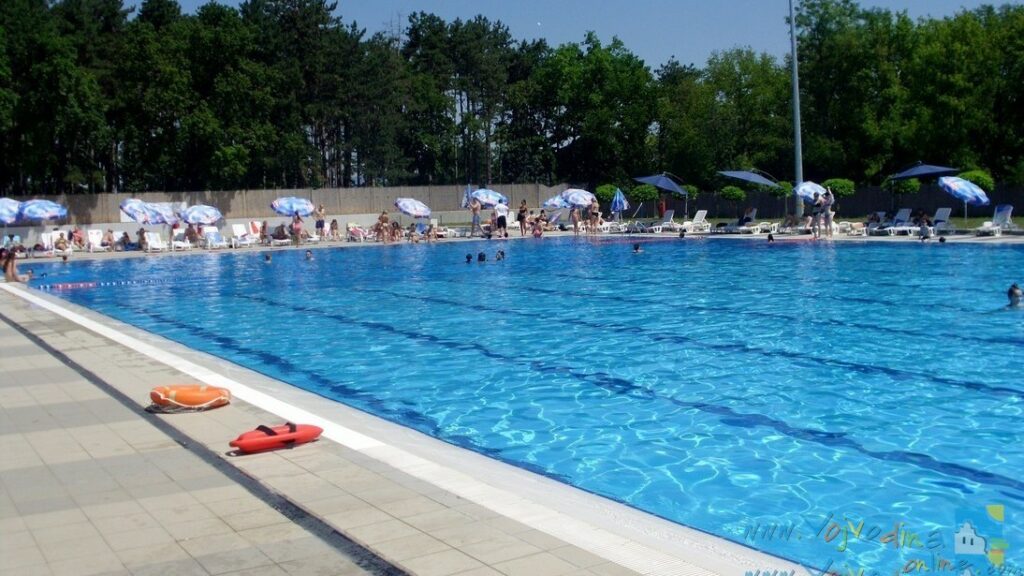
Outdoor sports facilities of the Center for Physical Culture are : two volleyball fields two basketball courts two volleyball asphalt courts football field – mini...
Read more
-
“EPIC ADVENTURES” AGENCY – Novi Sad
“Epic Adventure” is an agency specializing in the organization of fun, recreational, and adventure programs in nature. Within its activities, the agency prepares and implements...
Read more -
ADRENALIN PARK “ZEMLJA ČUDA” (WONDERLAND) – Novi Sad
Adrenaline Park, first of its kind in Vojvodina, gives you thrilling recreation on the climbing obstacle platforms divided according to a level of difficulty, length...
Read more -
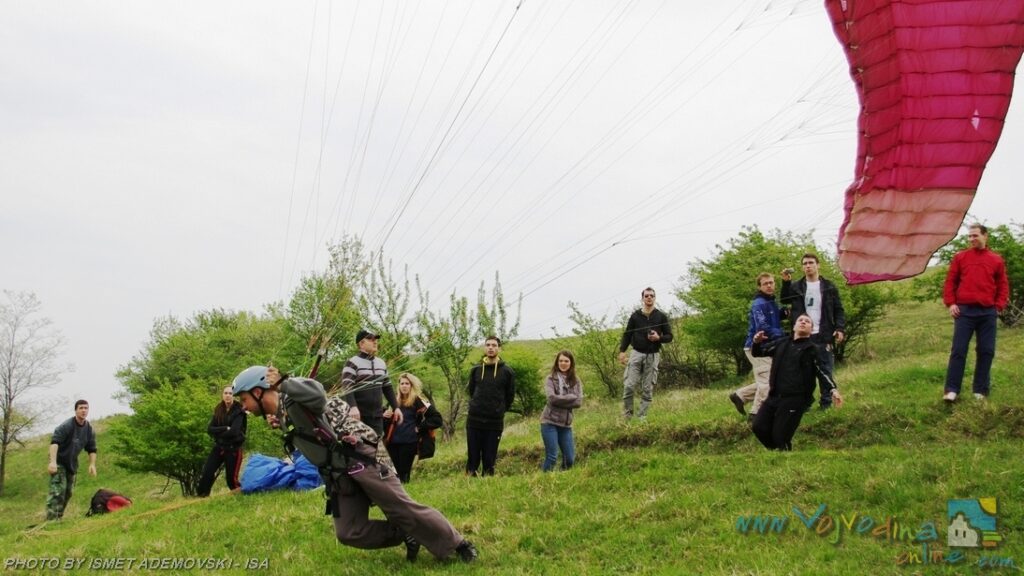
PARAGLIDING – Beočin
Parasailing or paraglider is one of the newest air sports, and one of the easiest ways to achieve the dream of flying. This sport is...
Read more -
PAINTBALL “KUGLICA” – Padina
From the mid-2011 Padina has been enriched by a peculiar form of sport and entertainment. Paintball club “Kuglica” has a polygon at the resort covering...
Read more -
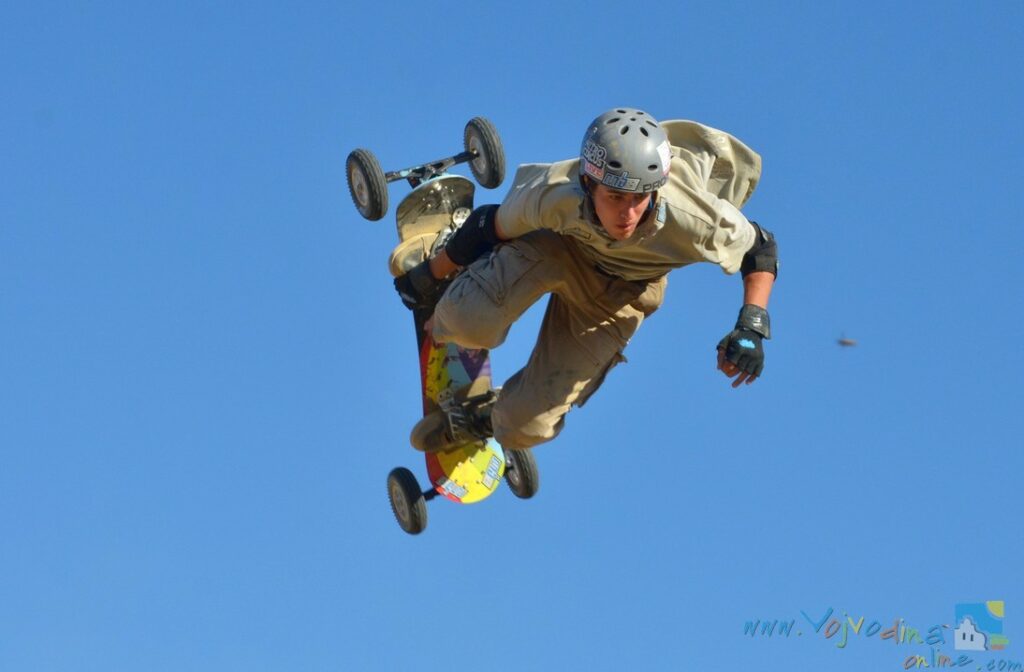
HANG-GLIDING – Titel
Hang-gliding over Special nature reserve “Titel hill” and Tisa river.
Read more
-
CLUB “MUZEJ” – Novi Sad
Club “Muzej” (Museum) is situated on the Fortress of Petrovaradin. If you want to avoid the town centre but still be in an exclusive and...
Read more -
LONDON CLUB – Novi Sad
Club “London” is situated in a small street in Novi Sad. Pleasant atmosphere and beautiful ambience characterize this club. Live pop, rock and the blues...
Read more -
-
CLUB “JAZZ CLUB WHEELS” – Novi Sad
Jazz Club Wheels is named after the album of Alexandar Dujin, a pianist, arranger, composer and owner of the club, “Wheelz Around the World” in...
Read more
-
PREDEO IZUZETNIH ODLIKA „KANJIŠKI JARAŠI“ – Subotica
Predeo izuzetnih odlika „Kanjiški jaraši“ smešten je na krajnjem severu Vojvodine, u severoistočnom delu Bačke, na teritoriji opštine Kanjiža. Ovo zaštićeno područje II kategorije prostire...
Read more -
”KARAŠ-NERA” LANDSCAPE OF OUTSTANDING FEATURES – Bela Crkva
At its session held on 8 April 2015, the Assembly of the Autonomous Province of Vojvodina adopted a decision to designate the ‘Karaš–Nera’ Landscape of...
Read more -

LANDSCAPE OF OUTSTANDING FEATURES – THE SUBOTICA SANDLANDS – Subotica
The landscape of outstanding features – the Subotica Sandlands protected area – is situated in the far north of Backa, close to the border of...
Read more -

”SUBOTIČKA PEŠČARA” LANDSCAPE OF OUTSTANDING FEATURES – Subotica
The ‘Subotička Peščara’ Landscape of Outstanding Features is located in the northernmost part of Bačka, immediately adjacent to the Serbian-Hungarian border, within the Subotica–Horgoš Sands....
Read more -

LOESS PROFILE – Stari Slankamen
Loess profile in Stari Slankam represents the most complete geologic heritage of loess sediments in Europe which are about 800 000 years old. The secret...
Read more
-
ZAGAJIČKA BRDA HIKING TRAIL – Bela Crkva
The Zagajička Brda Educational Hiking Trail is located within the Deliblato Sands Special Nature Reserve, along the Grebenac route. The route is 6–15 km long,...
Read more -
PEŠAČKA STAZA MALI PESAK – Bela Crkva
Ova edukativna staza se nalazi u predelu izuzetnih odlika Karaš – Nera, u dužini od 5km i procenjeno vreme trajanja je 2.5h. Staza nije označena,...
Read more -

THE PICNIC GROUND ZMAJEVAC – Fruška Gora
It is situated in the National park of Fruška Gora, on the road from Iriški Venac to Crveni Čot. Zmajevac is known because you have...
Read more -
„RITOVI DONjEG POTISJA“ SPECIAL NATURE RESERVE
The “Ritovi Donjeg Potisja” Special Nature Reserve is located in the central part of Vojvodina, along both the left and right banks of the Tisa...
Read more -
NATURE EXCURSIONS – Odžaci
The endless plain, intersected by canals, lakes, and marshes, is ideal for walking and spending time in nature. Bogojevski Rit represents the natural continuation of...
Read more -
“SELEVENJSKE PUSTARE” SPECIAL NATURE RESERVE – Subotica
The “Selevenjske Pustare” Special Nature Reserve lies at the transition between the Subotica–Horgoš Sands and the loess plateau of Bačka. This distinctive transitional zone combines...
Read more
-
GRIL „PONOVO POD ORAHOM“ – Srpski Miletić
Gril „Ponovo pod orahom“ smešten u centru Srpskog Miletića poznat je po ukusnoj hrani, brzoj usluzi i ljubaznom osoblju. Autor fotografije: Turistička organizacija opštine Odžaci
Read more -
ČARDA „KOD BANJCA“ – Bogojevo
U čardi „Kod Banjca“ smeštena pored same obale Jezera „Štrand“, uvek možete pojesti odličnu riblju čorbu i specijalitete od ribe, kao i meso sa roštilja,...
Read more -

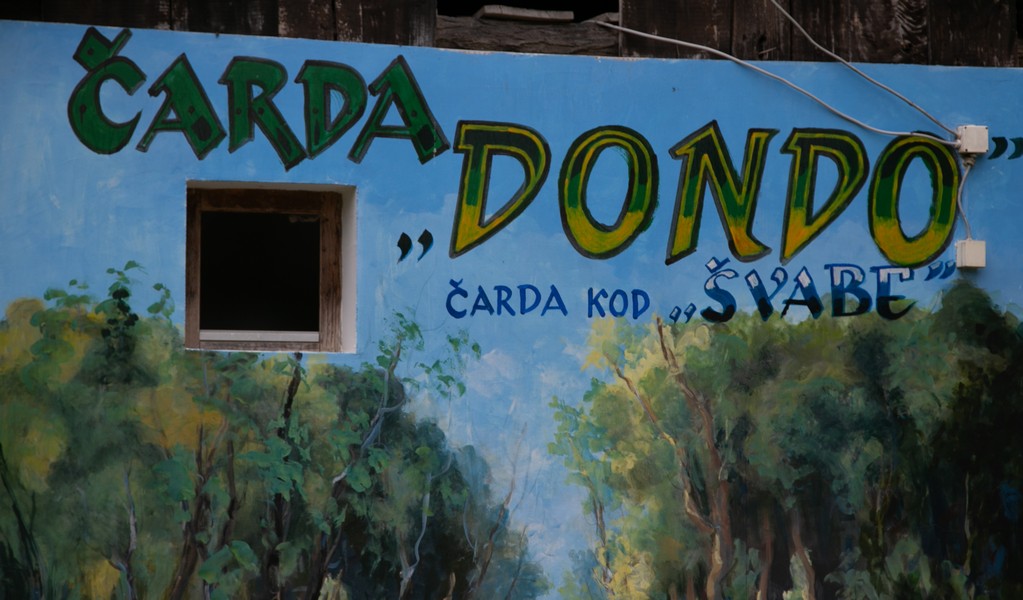
ČARDA KOD ŠVABE – Bački Monoštor
U samom srcu Specijalnog rezervata prirode „Gornje Podunavlje“, u vikend naselju Dondo, na obali jednog od dunavskih rukavaca, nalazi se Čarda kod Švabe – mesto...
Read more -
CHARDA “ŠTUKA” – Kupusina
Tavern “Štuka” (Pike) is an ideal place for a memorable experience. It is situated in Special Nature Reserve Gornje Podunavlje (Upper Danube), on the bank...
Read more -

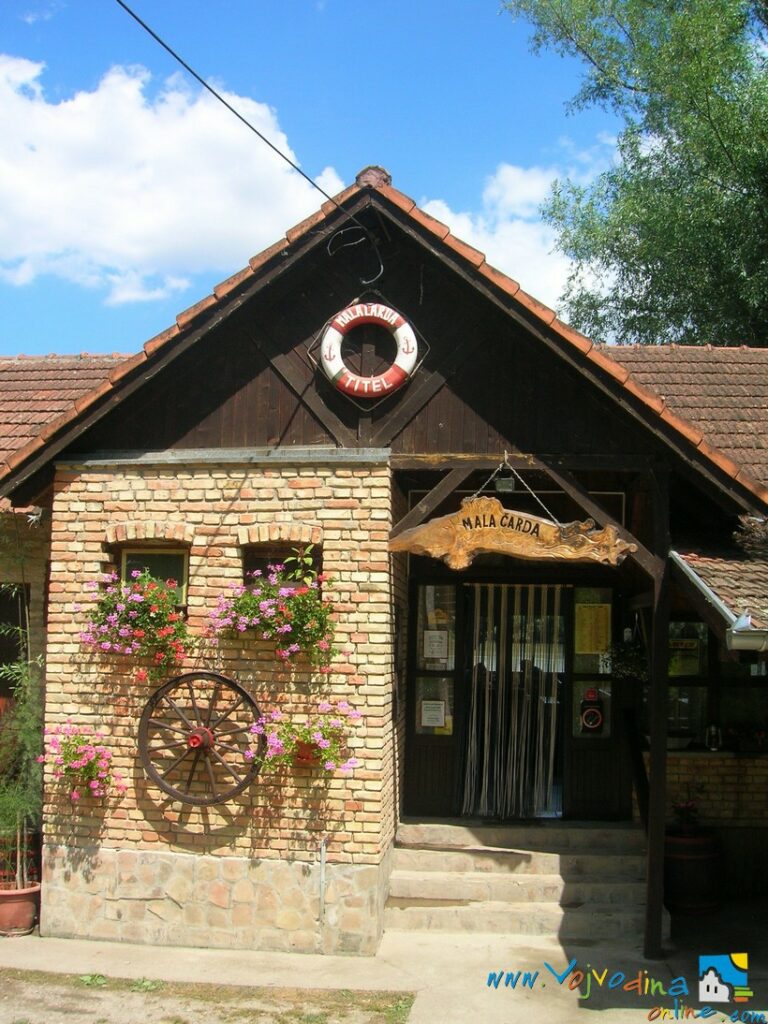
CHARDA “MALA” – Titel
A Mala čarda is one of few fish restaurants located on the bank of the Tisza River nearby three towns: Novi Sad (45km), Zrenjanin (35km),...
Read more

-
FRIC-HRISTIĆ CASTLE – Bačko Novo Selo
Fric-Hristić Castle is located in Bačko Novo Selo, a settlement within the municipality of Bač, situated on the very bank of the Dunav. The village...
Read more -
“BANATERRA” MANOR HOUSE – Srpska Crnja
Banatera Manor House is a summer castle of the German general Franz Neuhausen, built during the Second World War. It belongs to the youngest generation...
Read more -
PECE FAMILY SUMMER RESIDENCE – Mali Iđoš
This summer residence in Mali Iđoš was built by Petar Pece and his brother Ernest at the beginning of the 20th century, in 1923. In...
Read more -
“SOKOLAC” CASTLE – Novi Bečej
On the road leading from Bečej to Novi Bečej, about a 100km before the turn for Kumane, on the right side you will see a...
Read more -
“KARAČONJI” CASTLE – Novo Miloševo
It was built in 1857 by Lajoš Karačoni on his estate in Beodra (today a part of Novo Miloševo) as a representative residential building that,...
Read more -

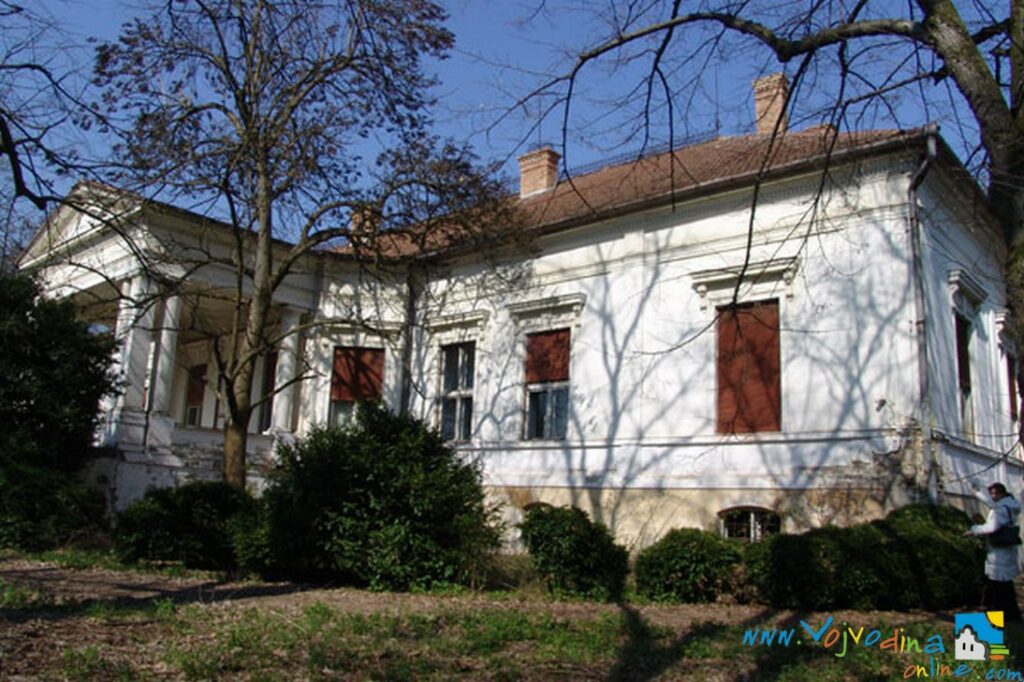
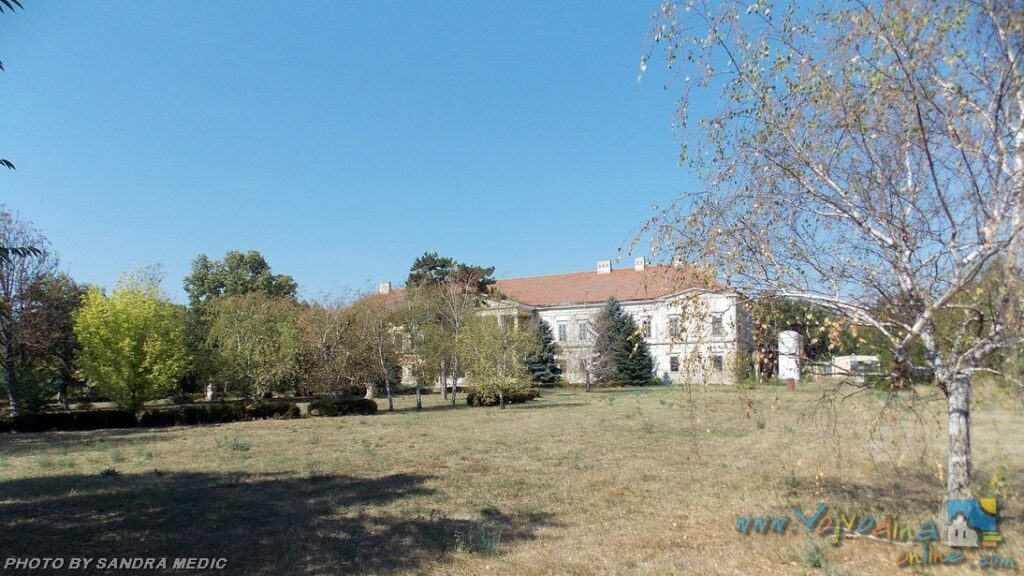
-
SPOMENIK PRIRODE „STABLA HRASTA LUŽNJAKA NA PALIĆU“ – Palić
Spomenik prirode „Stabla hrasta lužnjaka na Paliću“ je zaštićeno područje III kategorije koje čini 31 vekovno stablo u ulicama Bele Bartoka, Petefi Šandora i na...
Read more -
PARK PRIRODE „PALIĆ“ – Palić
Park prirode „Palić“ obuhvata plitko nizijsko jezero Palić, Veliki park i istoimeno naselje. Ovaj prostor predstavlja neraskidiv spoj bogate prirodne baštine i vrednog kulturno-istorijskog nasleđa...
Read more -
SPOMENIK PRIRODE „BELI DUD U BELOM BLATU“
Spomenik prirode „Beli dud u Belom Blatu“ svrstava se u značajno prirodno dobro, odnosno prirodno dobro treće kategorije. Stablo „Belog duda u Belom Blatu“ stavljeno...
Read more -
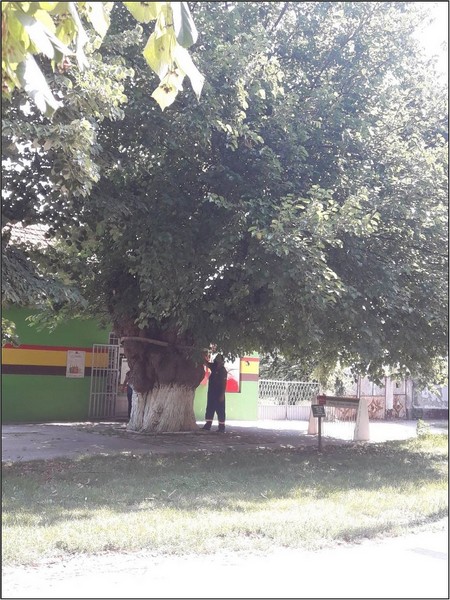
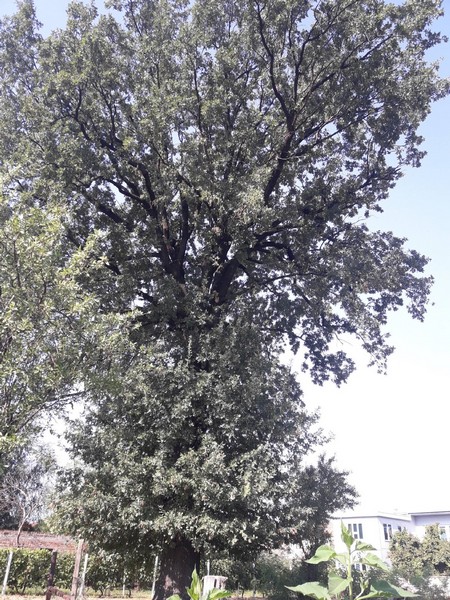
SPOMENIK PRIRODE „HRAST LUŽNjAK U ZRENjANINU“
Spomenik prirode „Hrast Lužnjak u Zrenjaninu“ svrstava se u značajno, prirodno dobro treće kategorije. Stablo hrasta lužnjaka stavljeno je pod zaštitu radi očuvanja jednog od...
Read more -
SPOMENIK PRIRODE „ŽUPANIJSKI PARK U ZRENjANINU“
„Županijski park u Zrenjaninu“ svrstava se u značajno prirodno dobro, odnosno prirodno dobro III kategorije. Spomenik prirode „Županijski park u Zrenjaninu“ stavlja se pod zaštitu...
Read more -
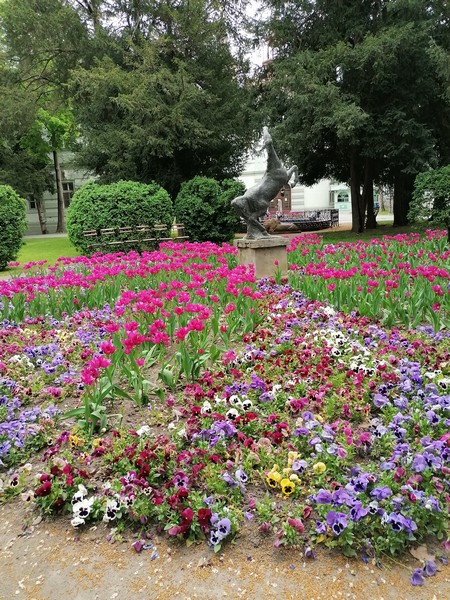
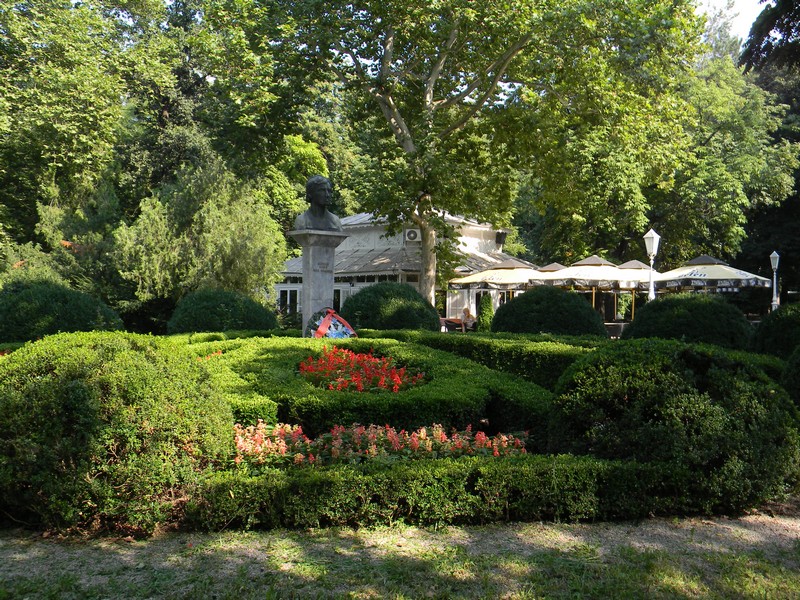
CITY PARK – Vršac
In the area where this green oasis stands today, the 18th century saw the country estate of the prominent Šeribl family of Vršac. The Vršac...
Read more
-
GREAT BAČKA CANAL – KIŠ’S CANAL – Sombor
The canal starts near Bezdan on the Danube and flows near Bački Monoštor, Sombor and Kljajićevo. The canal is very clean, abundant in aquatic vegetation...
Read more -
CANALS “DTD” – Vrbas
Channel DTD runs through the municipality of Vrbas, a distance of 39 km, and the area around it offers an ideal place for a trip,...
Read more -
”BUŠIDO” FISHPOND – TEMERIN
“Bušido” Fishpond is situated in the tranquil countryside of Vojvodina, three kilometres from the outskirts of Temerin on the road towards Bečej. It was created...
Read more -
CANAL KAJTASOVO – Kajtasovo
It is the famous fishing and competition ground. In this place, carp and Prussian carp are being caught successfully. The coasts are easy to access...
Read more -
THE DANUBE-TISA-DANUBE CANAL – Sombor
The canal is located near Bezdan and provides a great fishing place near the dam. The canal is spread out through the area from Bački...
Read more -
BAJA CANAL – Bački Breg
The canal is flowing near Bački Breg, Kolut all the way to Bezdan, where it flows into the Great Bačka Canal. The coasts are mostly...
Read more
-
PČELARSKO DOMAĆINSTVO PERIŠKIĆ – Bački Monoštor
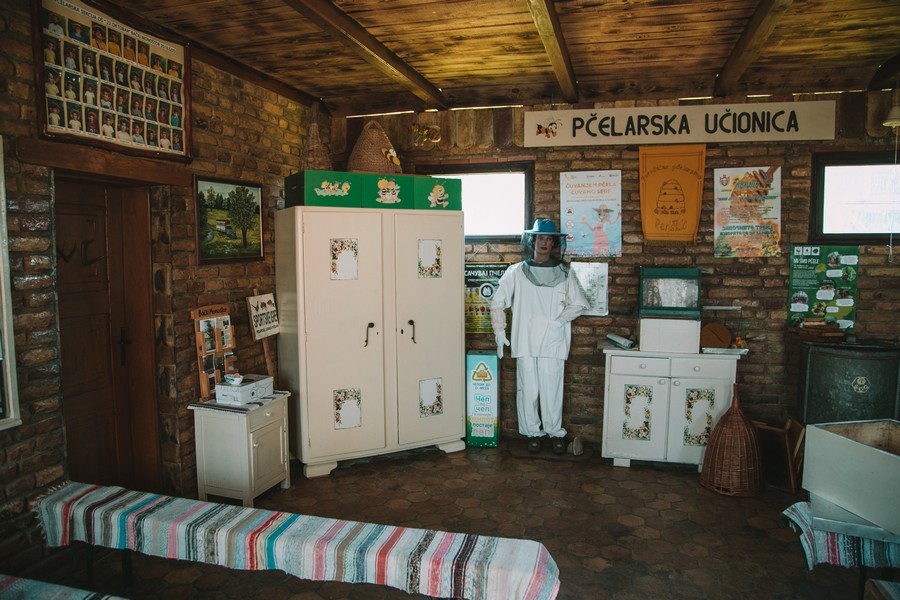
Pčelarska učionica Periškić u Bačkom Monoštoru pruža jedinstvenu priliku da posetioci upoznaju svet pčela, tradicionalno pčelarstvo i značaj ovih vrednih insekata za očuvanje prirode. Kroz...
Read more -
Panacomp Wonderland Travel – suggested tours
Agency profile Serbian Tour Potential Balkan Tour
Read more -
TRSKOVAČA POND – Platičevo
The Trskovača Pond area is designated as a protected natural habitat and is classified as a Category III protected natural asset. It is located in...
Read more -
NATURE EXCURSIONS – Odžaci
The endless plain, intersected by canals, lakes, and marshes, is ideal for walking and spending time in nature. Bogojevski Rit represents the natural continuation of...
Read more
-
PČELARSKO DOMAĆINSTVO PERIŠKIĆ – Bački Monoštor
Pčelarska učionica Periškić u Bačkom Monoštoru pruža jedinstvenu priliku da posetioci upoznaju svet pčela, tradicionalno pčelarstvo i značaj ovih vrednih insekata za očuvanje prirode. Kroz...
Read more -
THE KRIVAC HOUSEHOLD
The Krivac agritourism farm is located in the eponymous settlement, which stretches from Sremski Karlovci to Banstol, at the meeting point of Mt. Fruška Gora...
Read more -
SALAŠ & HOUSEHOLD “ČIKIĆ” – Zasavica
The possibility of one-day excursions, lodging, playing of forgotten brigand games … Sailing on the Sava River to Zasavica then using carts to households where...
Read more

-
HISTORICAL ARCHIVE – Pančevo
The Historical Archive in Pančevo is responsible for the protection of movable cultural heritage, as well as the collection, processing, organization, and preservation of archival...
Read more -
HISTORICAL ARCHIVE OF VOJVODINA – Novi Sad
The Archive of Vojvodina was established by decree of the Ministry of Internal Affairs of the Kingdom of Serbs, Croats, and Slovenes on August 5,...
Read more -
HISTORICAL ARCHIVE OF THE CITY OF NOVI SAD – Petrovaradin
The Historical Archive in Novi Sad holds the status of an inter-municipal archive and operates across nine municipalities: Bačka Palanka, Bački Petrovac, Beočin, Žabalj, Vrbas,...
Read more -
HISTORICAL ARCHIVE SUBOTICA – Subotica
In the second half of the 19th century, with the development of historiography as a scientific discipline, Subotica recognized that archives were indispensable sources of...
Read more -
HISTORICAL ARCHIVE “BELA CRKVA” – Bela Crkva
Working Hours: Monday – Friday: 06:30 AM – 02:30 PM Weekend: Closed
Read more -
HISTORICAL ARCHIVE “SOMBOR” (PASHA’S TOWER AND KRUŠPER’S HOUSE) – Sombor
Pasha’s Tower is the oldest preserved city building, dating from the late 16th or early 17th century. It is believed that after the conquest of...
Read more

-
BOĐOŠ – Novi Bečej
Permanent exhibition of replica exhibits at the Cultural Center of the Novi Bečej municipality.
Read more -
ARCHAEOLOGICAL SITES – Kovin
On the territory of the Kovin municipality, artifacts from various periods of human civilization have been discovered, with the most significant period being the Neolithic,...
Read more -
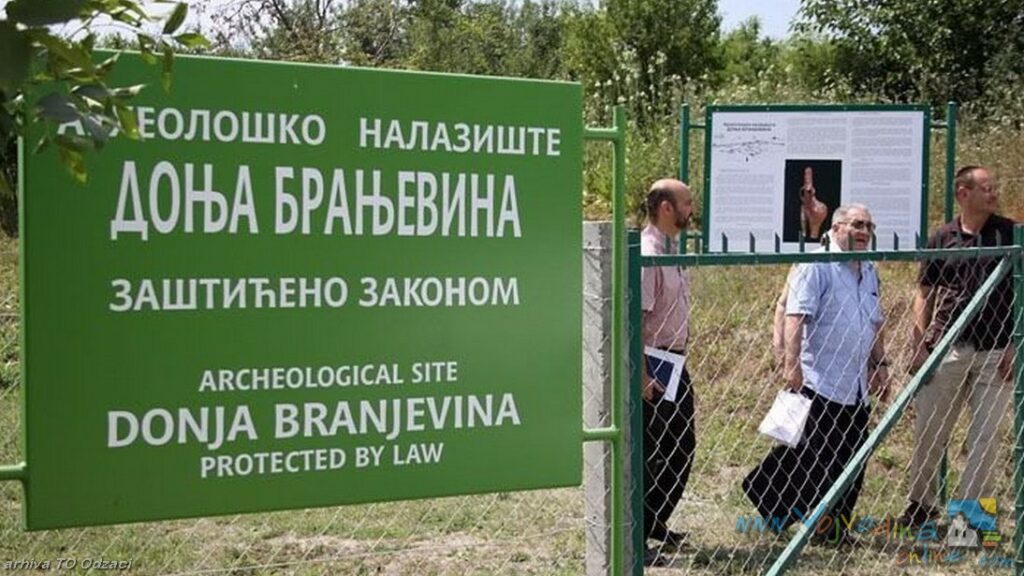
“DONJA BRANJEVINA” ARCHAEOLOGICAL SITE – Deronje
Donja Branjevina – an archaeological site located in the immediate vicinity of the village of Deronje – conceals the secrets of the oldest farming culture...
Read more -
“MATEJSKI BROD” ARCHAEOLOGICAL SITE – Novi Bečej
Traces of permanent human settlements in the territory of the Novi Bečej municipality have been discovered at Borđoš, Garajevac, and Matejski Brod. As an important...
Read more -
“MAJDAN” ARCHAEOLOGICAL SITE – Majdan
The site in the village of Majdan, near the rural cemetery, is associated with the Christian Monastery of Saint George from the legend of Saint...
Read more -
-
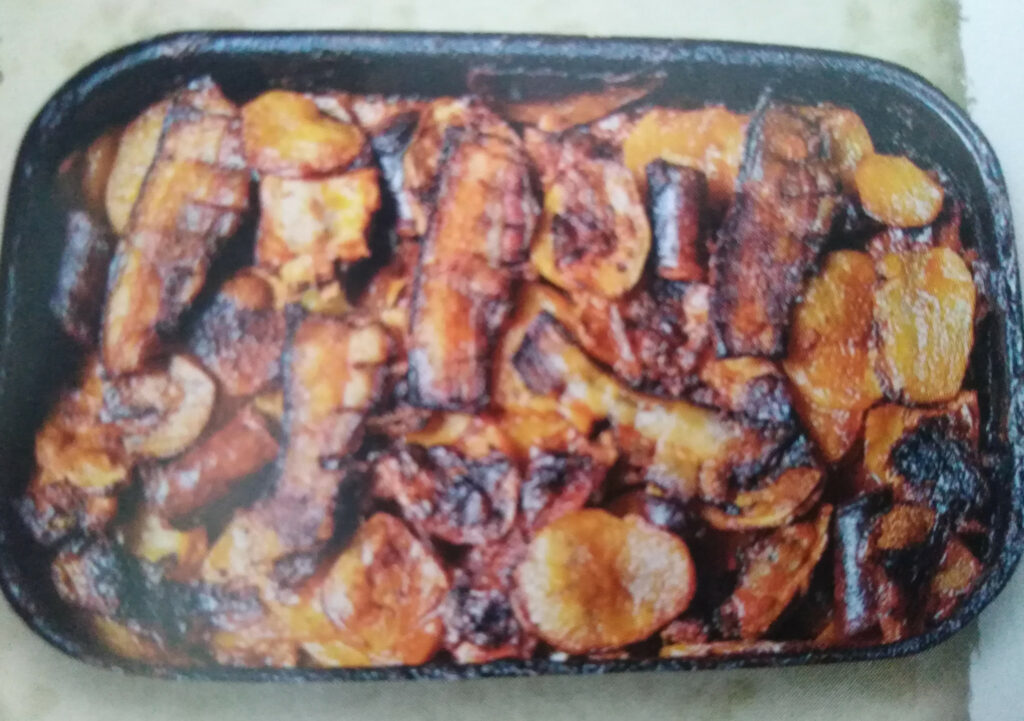
KROMPIRAČA – POTATO PIE
Winter magic of the farmer’s stove! Potato pie. Hot, steaming, baked, reddish, with lots of potatoes cut into slices and even more pronounced pieces of...
Read more -
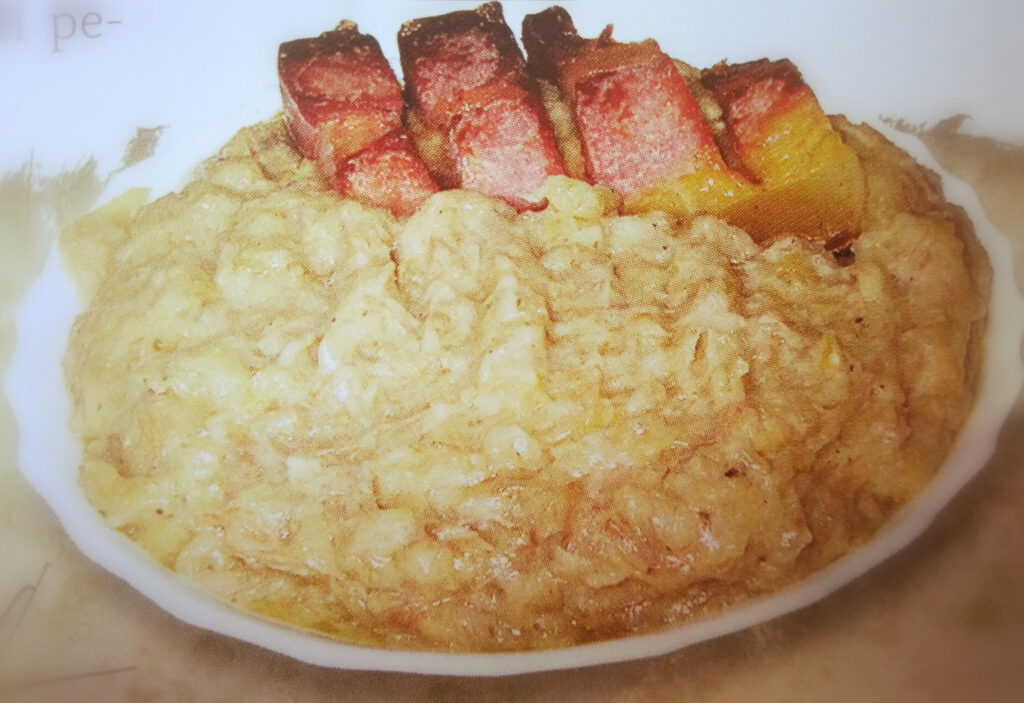
SVADOBNÁ KAPUSTA (WEDDING PARTY CABBAGE)
Wedding party cabbage – A traditional dish of Slovaks in Vojvodina, prepared for more than two centuries. It is served as the third course of...
Read more

-
“KRALJEVAC” SPECIAL NATURE RESERVE
The ‘Kraljevac’ Special Nature Reserve extends across an area that was once part of the Pannonian Sea, where wind activity formed a loess terrace into which the...
Read more -
Panacomp Wonderland Travel – suggested tours
Agency profile Serbian Tour Potential Balkan Tour
Read more -
THE KRIVAC HOUSEHOLD
The Krivac agritourism farm is located in the eponymous settlement, which stretches from Sremski Karlovci to Banstol, at the meeting point of Mt. Fruška Gora...
Read more -
WINERY “DRAGIĆ” – Riđica
Winery complex and vineyards are located in Riđica, close to the Hungarian border on the old road from Belgrade to Budapest, which have always been...
Read more -
JAN ČAPELA ETHNO HOUSE – Selenča
Built in 1914, this house has since been transformed into a Slovak ethno-house. The owner, Jan Čapelja, inherited it from his family, and it was...
Read more
-
THE MONASTERY OF THE NATIVITY – Bavanište
When from Pančevo you get to Bavanište the road sharply continues on the right to Kovin. If you want to go to the monastery just...
Read more -
MONASTERY VOJLOVICA – Vojlovica
Vojlovica Monastery is located northeast of Pančevo within Oil Refinery “Pančevo “, about 5.5 km towards Starčevo, and 4 km from the confluence of the...
Read more -
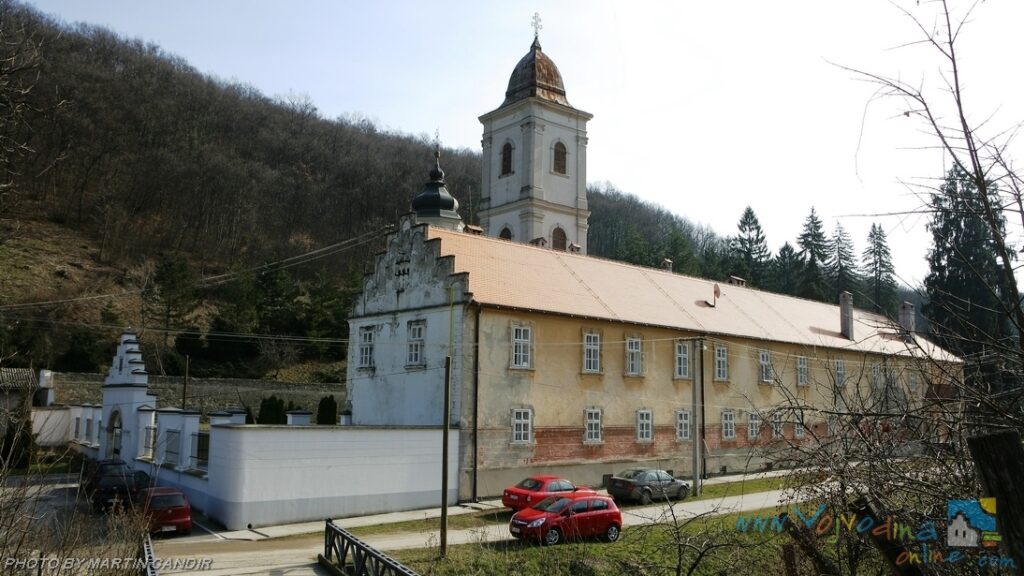
BEOČIN MONASTERY – Beočin
Beočin Monastery, with its church dedicated to the Feast of the Ascension of Christ, is located on the edge of Fruška Gora in the village...
Read more -
RAKOVAC MONASTERY – Rakovac
Rakovac Monastery is located on the northern slopes of Fruška Gora, along the Rakovački stream, about ten kilometers from Novi Sad. The monastery is first...
Read more -

FRANCISCAN MONASTERY SAINT JOHN OF CAPISTRANO – Novi Sad
Within many noble houses in Cara Dušana street, there is an average building of the Franciscan monastery. That building was given to the Franciscans in...
Read more -

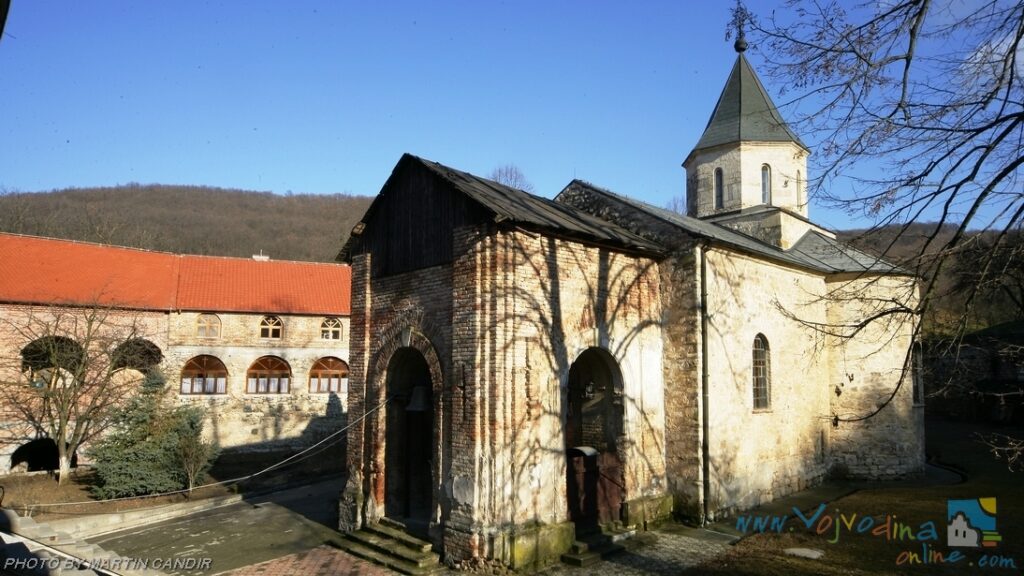
KOVILJ MONASTERY – Kovilj
The Kovilj Monastery is the Serbian Orthodox Monastery situated in Bačka region, in the northern Serbian Province of Vojvodina. The Kovilj Monastery is situated near...
Read more


-
BANAT CULTURAL CENTER – Novo Miloševo
The Banat Cultural Center is the first private cultural center in Serbia. This family-run creative enterprise engages in artistic creation, production, and various cultural activities....
Read more -
CULTURAL CENTRE – Kovin
The Cultural Centre is the main hub of cultural events in the Municipality of Kovin. We are the only institution in South Banat whose program...
Read more -
CULTURAL AND EDUCATIONAL COMMUNITY – Kula
The Cultural and Educational Community of the Municipality of Kula was founded on May 9, 1957. It was created and is maintained by individuals and...
Read more -
CULTURAL CENTRE – Kula
There is the amateur theatre, folk dance and art group in the cultural centre. Opening hours: weekdays from 7:00 AM to 3:00 PM.
Read more
-
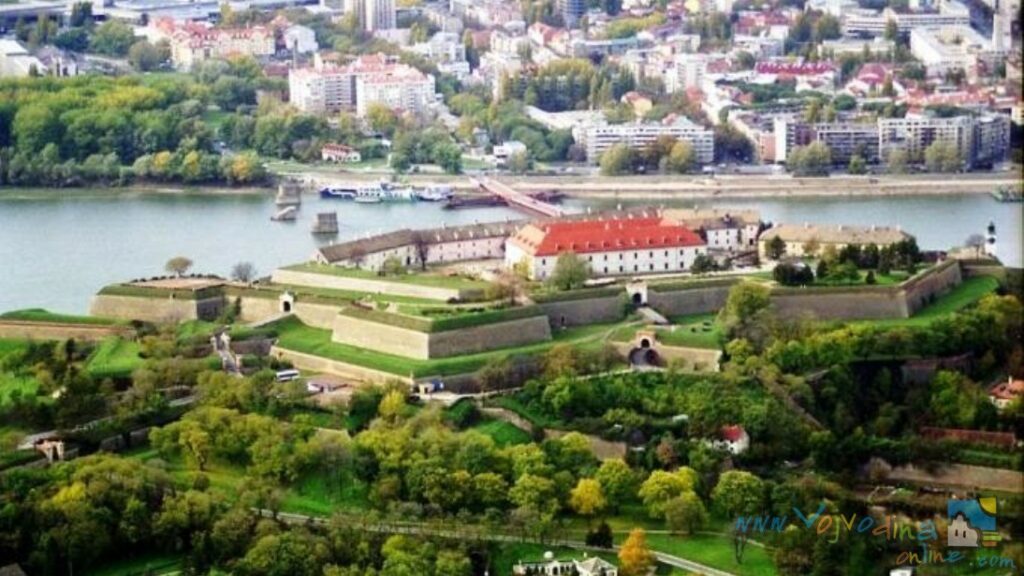
PETROVARADIN FORTRESS – Petrovaradin
Petrovaradin Fortress, the symbol of the city, also known as the “Gibraltar on the Danube,” was being built on the right bank of the Danube...
Read more -
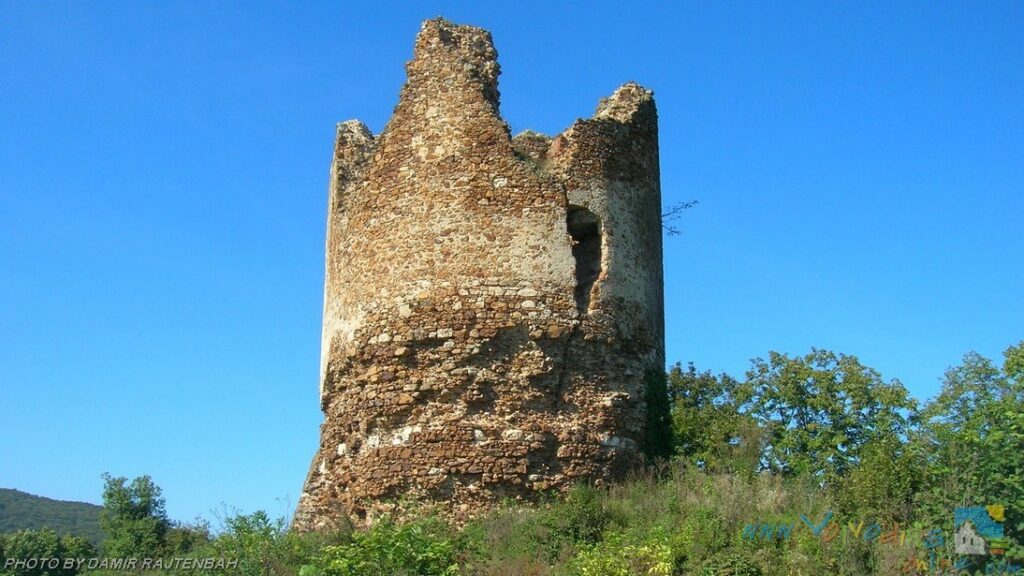
THE TOWER OF VRDNIK – Vrdnik
In the Middle Ages, Vrdnik had a fortress and a town. According to Hungarian and Papal documents, it was mentioned under the name Castrellum Rendek...
Read more -
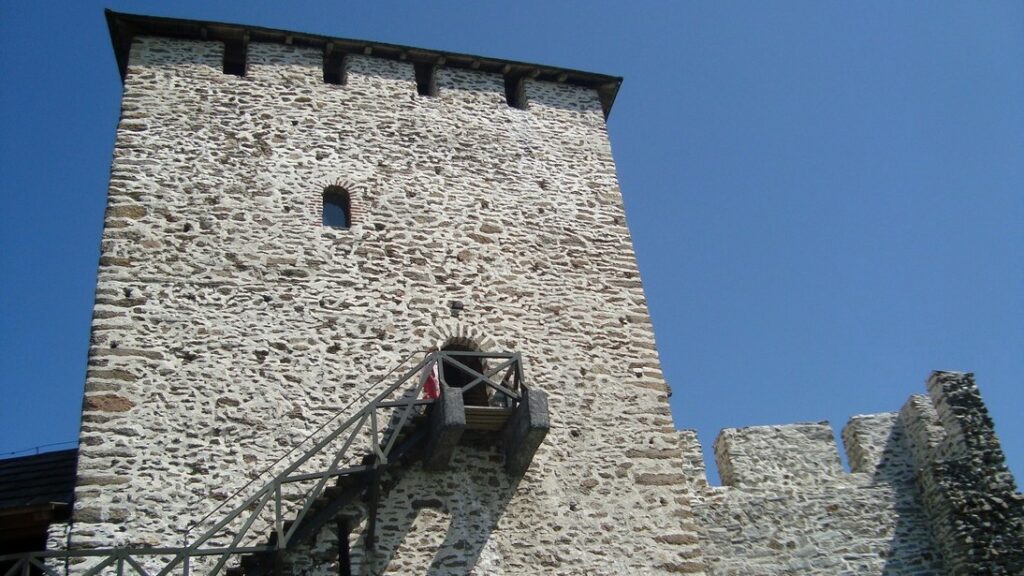
VRŠAC TOWER – Vršac
Vršac Tower, a symbol not only of the town but of the entire surrounding region, was built in 1439 and is believed to have been...
Read more -

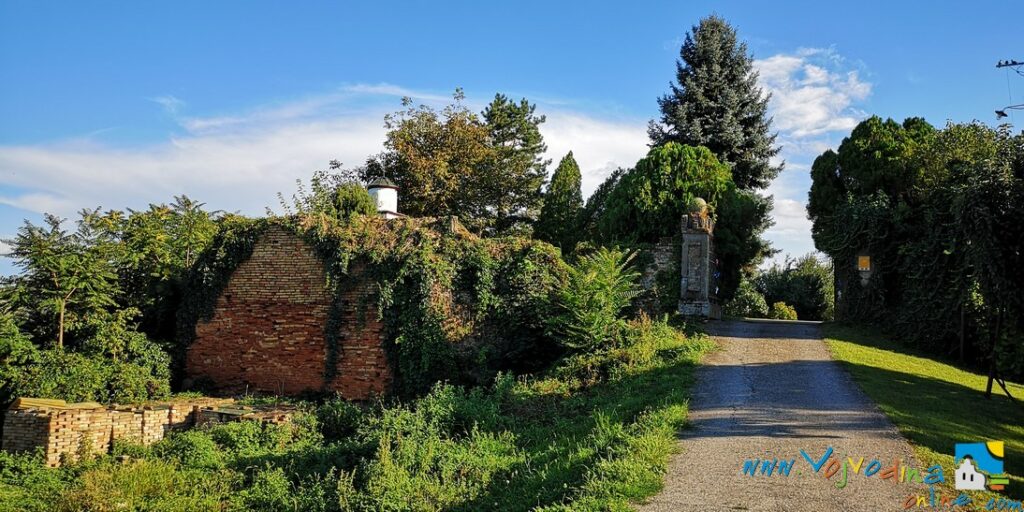
“MOROVIĆ” FORTRESS – Morović
Morović Fortress was built in the mid-12th century and is believed to have been the Hungarian town mentioned in 1154, which belonged to Despot Đurađ....
Read more
-
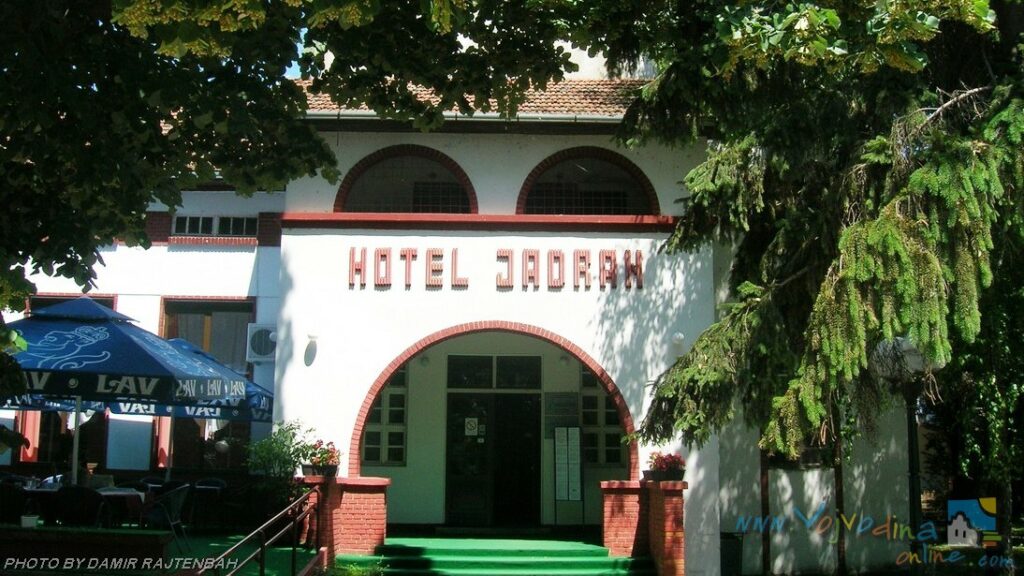
“МIZNAH” HOTEL – Zobnatica
Within the Zobnatica Tourist and Congress Center, Miznah Hotel & Resorts, together with the Castle Terlei, offers 30 fully equipped accommodation units with a total...
Read more -
SPA JUNAKOVIĆ – Apatin
Located in the far northwest of Vojvodina, just 4.5 kilometers from Apatin and the Danube River, on the edge of a beautiful forest, lies Spa...
Read more
-
ХРАНИЛИШТЕ – Тител
Очи у очи са орлом Како би помогла исхрану некрофагних и птица грабљивица у зимским месецима, Установа за заштиту природе „Тителски брег“ организовала је ограђено...
Read more -
”NORDIC RESORT” SWIMMING POOLS – Sremska Kamenica
Nordic Resort offers both outdoor and indoor swimming pools, along with a steam bath, sauna, salt room, and tepidarium. Outdoor Pools Indoor Pools Opening hours:...
Read more -
”SOLE MIO” HOTEL SWIMMING POOLS – Novi Sad
Hotel Sole Mio offers both indoor and outdoor swimming pool complexes, as well as a Finnish sauna, mild sauna, steam bath, heated benches, and a...
Read more -
SPORTS CENTER SWIMMING POOLS – Futog
The Futog Sports Centre features two indoor swimming pools: an Olympic-sized pool and a children’s pool divided into two sections. Olympic Pool Children’s Pool (Deeper...
Read more -
CITY SWIMMING POOL – Zrenjanin
The City Swimming Pool in Zrenjanin is one of the most visited summer bathing areas in the city and a favourite place for refreshment during...
Read more -
”VENUS” CITY SWIMMING POOL- Bačka Topola
The swimming pool measuring 25 × 21 metres, with a depth ranging from 140 to 180 cm and a water temperature of 26–27°C, is an...
Read more
-
THE SLOVAK EVANGELISTIC CHURCH – Novi Sad
It was built in 1886. in baroque- classical style with the help of Duke Adolf Rajzer. The church kept its first look however it was...
Read more -
ROMAN CATHOLIC CHURCH OF THE NAME OF MARY (“CATHEDRAL”) – Novi Sad
Although famous as a cathedral, it is not a cathedral since the headquarters of the episcopate for Bačka is in Subotica. On the place where...
Read more -
THE REFORMATIVE CHRISTIAN CHURCH – Novi Sad
At the corner of Šafarikova and Pavla Pap streets there is Reformation church. That strict and simple building, with neo-gothic tower where was put the...
Read more -
THE CHURCH OF ST. CYRIL AND METHODIUS – Novi Sad
The church is situated in the part of Novi Sad called Telep.
Read more -
THE GREEK CATHOLIC CHURCH – Novi Sad
The Ruthenian (Rusyn) Greek-catholic church was dedicated to St. Apostles Petar and Pavle. There is also the rectors home. The base stone was put in...
Read more -
THE ASSUMPTION CHURCH (USPENSKA CRKVA) – Novi Sad
There are testimonies that The Church of Assumption of Holy Mother of God existed even in 1731. The building from that time was made out...
Read more


-
THE HOUSE OF DIMITRIJE ANASTASIJEVIĆ SABOV – Sremski Karlovci
Dimitrije Anastasijević Sabov House in Sremski Karlovci was built in 1790. On August 13, 1791, Stefan Stratimirović arrived at the house with his entourage, where...
Read more -

STONE FLOWER FOUNTAIN – Sremska Mitrovica
South of Ćira Milekić Square extends the City Park, which, during the time of the Military Frontier, served as a training ground for the Petrovaradin...
Read more


-
PETROLAND AQUA PARK IN A NEW GET-UP
The summer season is in full swing and what attracts the visitors of Vojvodina the most in this period are the beaches all over Vojvodina....
Read more

-
THE NERA RIVER – Bela Crkva
The Nera River (Romanian: Nera; Hungarian: Néra) is a river in the Banat region and forms part of the border between Serbia and Romania. It...
Read more -
KARAŠ RIVER – Bela Crkva
The Karaš River (Romanian: Caraș) originates in Romania and flows into the Danube–Tisa–Danube Canal (DTD) between Dupljaja and Grebenac. From there, its former natural course...
Read more -
LAKE “PROVALA” – Vajska
There was a major flood of the Danube in 1924, when the Danube broke through the embankment and basin carved this natural lake. The lake...
Read more -
CHARDA “ŠTUKA” – Kupusina
Tavern “Štuka” (Pike) is an ideal place for a memorable experience. It is situated in Special Nature Reserve Gornje Podunavlje (Upper Danube), on the bank...
Read more -
FISHING IN NOVA CRNJA MUNICIPALITY
Association of sport fisherman “Šaran” Address: Kralja Aleksandra 60, Srpska Crnja +381 (0)23 811 089 (contact person: Mikšin Branislav)
Read more -
“KRALJEVAC” LAKE – Deliblato
Kraljevac Lake is located west of Deliblato. The lake’s distinctive feature is its floating islands. Also known as Deliblato Lake, it is one of the...
Read more

-
THE SLOVAK EVANGELISTIC CHURCH – Novi Sad
It was built in 1886. in baroque- classical style with the help of Duke Adolf Rajzer. The church kept its first look however it was...
Read more -
ROMAN CATHOLIC CHURCH OF THE NAME OF MARY (“CATHEDRAL”) – Novi Sad
Although famous as a cathedral, it is not a cathedral since the headquarters of the episcopate for Bačka is in Subotica. On the place where...
Read more -
THE REFORMATIVE CHRISTIAN CHURCH – Novi Sad
At the corner of Šafarikova and Pavla Pap streets there is Reformation church. That strict and simple building, with neo-gothic tower where was put the...
Read more -
THE CHURCH OF ST. CYRIL AND METHODIUS – Novi Sad
The church is situated in the part of Novi Sad called Telep.
Read more -
THE GREEK CATHOLIC CHURCH – Novi Sad
The Ruthenian (Rusyn) Greek-catholic church was dedicated to St. Apostles Petar and Pavle. There is also the rectors home. The base stone was put in...
Read more -
THE ASSUMPTION CHURCH (USPENSKA CRKVA) – Novi Sad
There are testimonies that The Church of Assumption of Holy Mother of God existed even in 1731. The building from that time was made out...
Read more
-
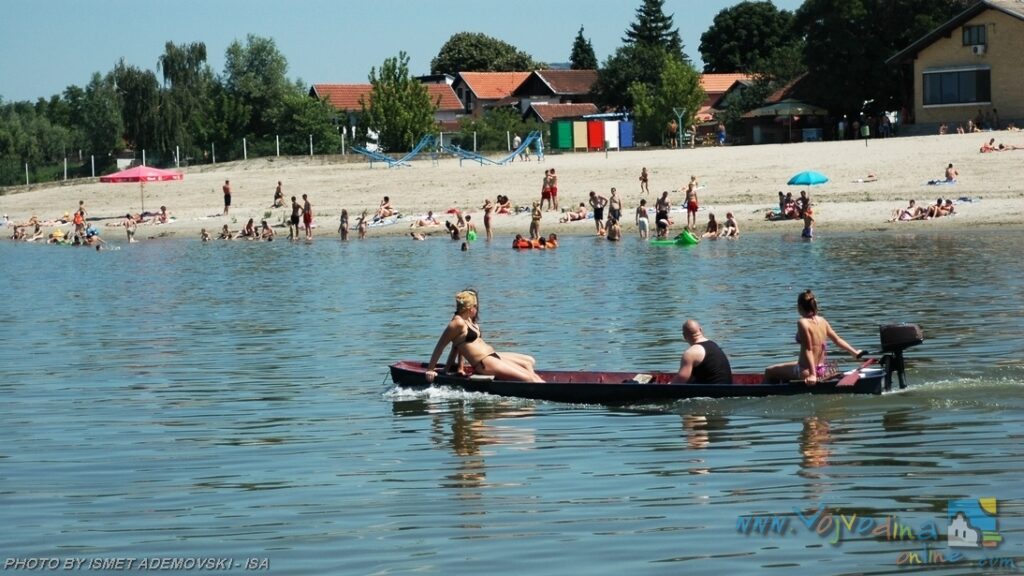
SAND BEACH ON THE DANUBE RIVER – Beočin
The beach near Karaš in Beočin is one of the most beautiful sand beaches along the whole Danube in Serbia. It is nicely decorated space...
Read more -
-
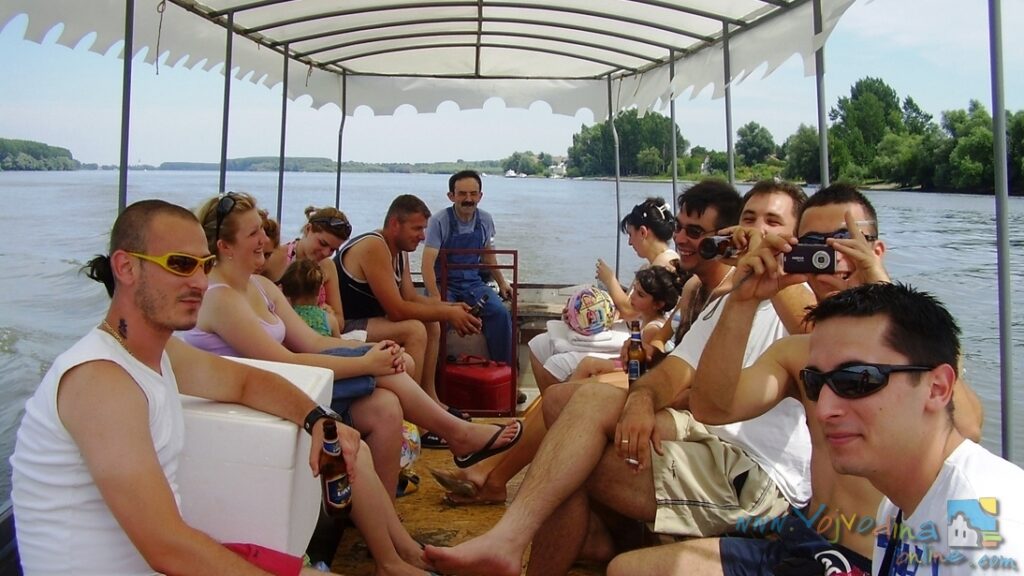
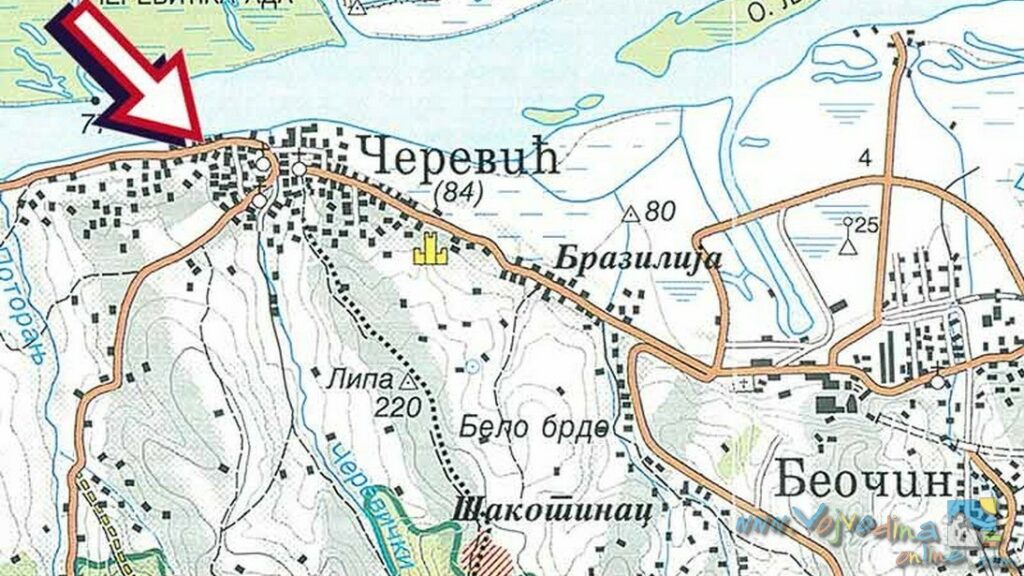
BOATING ON THE DANUBE RIVER- Čerević
Is there a more beautiful pleasure of sailing in a boat on the Danube? Valuable travel enthusiasts Ljuba Simić from Čerević will take you, in...
Read more -
“GORNJE PODUNAVLJE” SPECIAL NATURE RESERVE
The Gornje Podunavlje Special Nature Reserve is a protected natural area extending across the territories of the municipalities of Apatin and Sombor. It covers a...
Read more
-
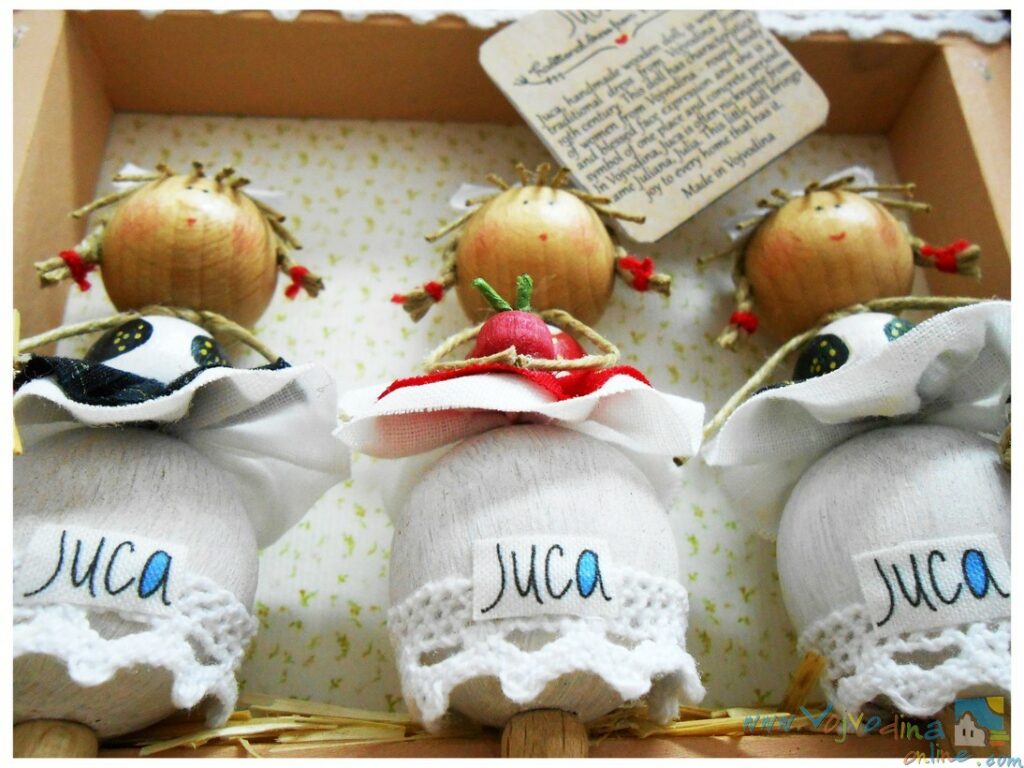
“JUCIN DUĆAN” SHOP – HANDMADE STORE
“Jucin ducan” store is a gallery of handicrafts and souvenirs that can be found on the Internet store: https://jucinducan.com/ The trademark of the store is...
Read more -
“KIBITZFENSTER” – Novi Sad
Kibitzfenster souvenir is unique, hand made souvenirs made of wood, textile and metal, filmed by the special art tecnique to give the souvenirs old rustic...
Read more

-
RESTORAN „DUKAT“ – Odžaci
Restoran Dukat nudi jedinstvenu atmosferu sa svečanim i elegantnim ambijentom, idealnim za sve vrste proslava, uživanje u tradicionalnim jelima i uživanje u vrhunskom ugostiteljstvu. Autor...
Read more -
RESTORAN „NIŠ“ – Bogojevo
Restoran „Niš“ u Bogojevu je mesto gde se dobra hrana, gostoprimstvo i prijatan ambijent spajaju u pravi domaćinski doživljaj.
Read more -
RESTORAN „MOJ ZAVIČAJ 89“ – Bački Gračac
Restoran „Moj Zavičaj 89“ predstavlja mesto gde se neguje tradicionalna atmosfera, dobro gostoprimstvo i uživanje u hrani. Svojim ambijentom pruža gostima prijatno mesto za predah,...
Read more -
RESTORAN „TRI LIPE“ – Odžaci
Restoran „Tri Lipe“ je mesto u kojem se tradicionalna domaća kuhinja, kvalitetna hrana i prijatan ambijent spajaju u pravi gastronomski doživjaj. Smešten daleko od gradske...
Read more -
RESTORAN „KOD BOBE I KATE“ – Lalić
Potreban vam je restoran domaće kuhinje u Odžacima? Na pravom ste mestu! Restoran nudi veliki izbor domaćih specijaliteta koji su pripremani po specijalnim recepturama njihovih...
Read more -
RESTORAN „CAR“ – Odžaci
Restoran Car je restoran domaće i internacionalne kuhinje. U ponudi imaju jela sa roštilja, ribu (šaran, pastrmka, smuđ, brancin), teleću i pileću čorbu, jagnjetinu, teletinu...
Read more
-
SPOMENIK PRIRODE „STABLA HRASTA LUŽNJAKA NA PALIĆU“ – Palić
Spomenik prirode „Stabla hrasta lužnjaka na Paliću“ je zaštićeno područje III kategorije koje čini 31 vekovno stablo u ulicama Bele Bartoka, Petefi Šandora i na...
Read more -
PARK PRIRODE „PALIĆ“ – Palić
Park prirode „Palić“ obuhvata plitko nizijsko jezero Palić, Veliki park i istoimeno naselje. Ovaj prostor predstavlja neraskidiv spoj bogate prirodne baštine i vrednog kulturno-istorijskog nasleđa...
Read more -
PREDEO IZUZETNIH ODLIKA „KANJIŠKI JARAŠI“ – Subotica
Predeo izuzetnih odlika „Kanjiški jaraši“ smešten je na krajnjem severu Vojvodine, u severoistočnom delu Bačke, na teritoriji opštine Kanjiža. Ovo zaštićeno područje II kategorije prostire...
Read more -
”JEZERO” CREPAJA ECOLOGICAL GARDEN – Crepaja
In the heart of Banat, in the village of Crepaja, lies an oasis of peace and nature – the ”Jezero” Ecological Garden. Once a brickwork,...
Read more -
LAKE “PROVALA” – Vajska
There was a major flood of the Danube in 1924, when the Danube broke through the embankment and basin carved this natural lake. The lake...
Read more -
THE PICNIC GROUND ZMAJEVAC – Fruška Gora
It is situated in the National park of Fruška Gora, on the road from Iriški Venac to Crveni Čot. Zmajevac is known because you have...
Read more
-

BAGER – Bačka Palanka
“Bager” is a cultural and educational hub, serving as a venue for various events and manifestations such as the “Golden Cauldron” competition, children’s workshops, nature...
Read more -
MOTORBOAT RIDE THROUGH KOVILJSKO – PETROVARADINSKI RIT – Kovilj
Motorboat rides through the Koviljsko–Petrovaradinski Rit Special Nature Reserve are organized by Vojvodina šume in cooperation with the Kovilj Eco-Centre. Each tour is announced 7...
Read more -
TRSKOVAČA POND – Platičevo
The Trskovača Pond area is designated as a protected natural habitat and is classified as a Category III protected natural asset. It is located in...
Read more -
NATURE PARK “STARA TISA”
Nature Park “STARA TISA” near Biserno ostrvo (Pearl Island) covers an area of 391 ha, of which 6% is in protect mode II (the second)...
Read more -
BEACH IN ADA – Ada
The beach in Ada is shallow and sandy, and is perhaps the most beautiful beach on the river Tisa. On its territory there is the...
Read more -
SAND BEACH ON THE DANUBE RIVER – Beočin
The beach near Karaš in Beočin is one of the most beautiful sand beaches along the whole Danube in Serbia. It is nicely decorated space...
Read more
-
“МIZNAH” HOTEL – Zobnatica
Within the Zobnatica Tourist and Congress Center, Miznah Hotel & Resorts, together with the Castle Terlei, offers 30 fully equipped accommodation units with a total...
Read more -
SPA JUNAKOVIĆ – Apatin
Located in the far northwest of Vojvodina, just 4.5 kilometers from Apatin and the Danube River, on the edge of a beautiful forest, lies Spa...
Read more -
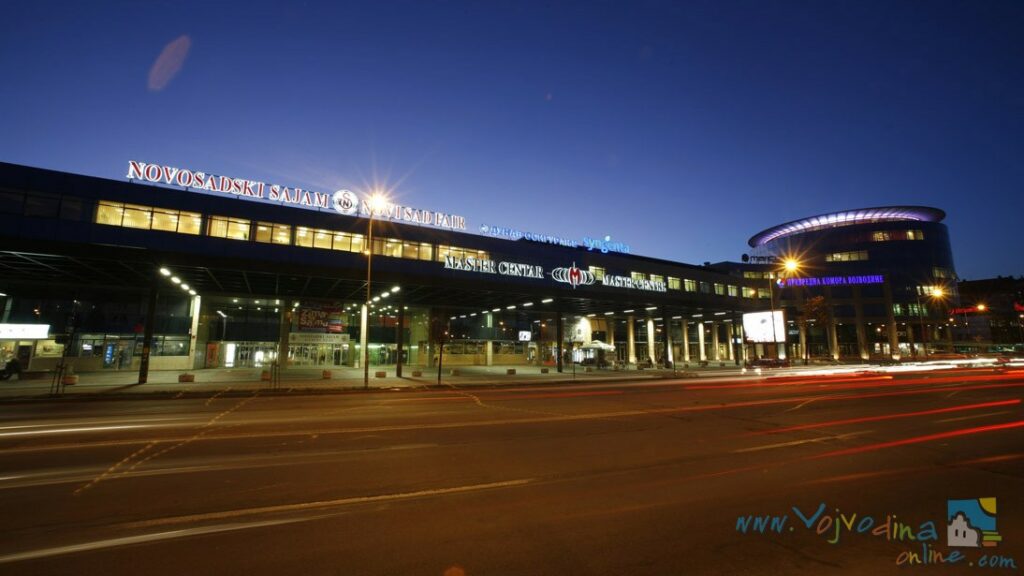
“MASTER” CONGRESS CENTRE – Novi Sad
The “Master” Congress Centre is a prestigious venue located within the Novi Sad Fair complex, enabling highly professional organization of congresses, conferences, symposiums, seminars, promotions,...
Read more
-
GRANGE “NAŠ SALAŠ” – Sombor
Farm “Nas salas” is located in a farm village Gradina, 5 km from Sombor, next to the bicycle route “Pannonian route of peace”, in the...
Read more -
FARM “KOD MOG ĐOKE” – Mramorak
Restaurant of local cuisine, capacity up to 50 seats, in a forest environment. It has a horse stable and offers the possibility of riding. There...
Read more -
GRANGE MALI PARK – Gladnoš
Grange Mali Park farm is located on Gladnoš, near the main road M-22.1 (old road Belgrade – Novi Sad). In addition to an interestingly landscaped...
Read more -
FRUŠKOGORSKI SALAŠ – Sremska Kamenica
The Fruška Gora farm is located by the Danube in the count’s garden of the Karačonji court from 1797. at the very entrance to the...
Read more -
GRANGE “KATAI” – Mali Iđoš
Grange “Katai” is situated in Mali Idjoš and it is adjusted to the educational needs of children. At the grange there is a dugout equipped...
Read more -
SAŠA’S GRANGE – Rumenka
Saša’s Grange is located near Novi Sad and it is opened for visitors. If you decide to visit this facility, you would experience the great...
Read more
-
NATURE PARK “STARA TISA”
Nature Park “STARA TISA” near Biserno ostrvo (Pearl Island) covers an area of 391 ha, of which 6% is in protect mode II (the second)...
Read more -
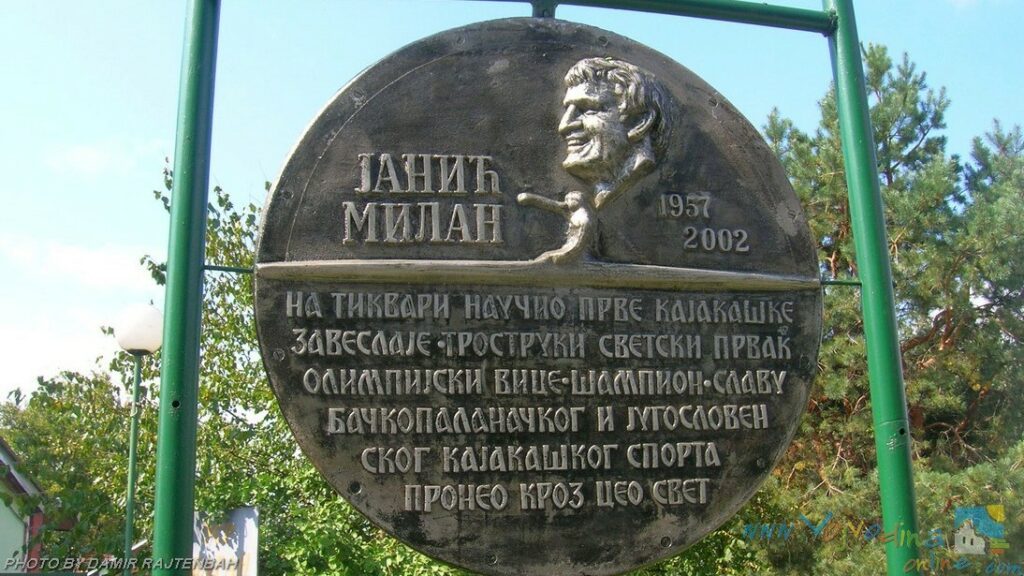
NATURE PARK “TIKVARA” – Bačka Palanka
Nature Park “Tikvara” is located on the left bank of the Danube, stretching from the 1297th km until 1305th km. In the area of natural...
Read more -
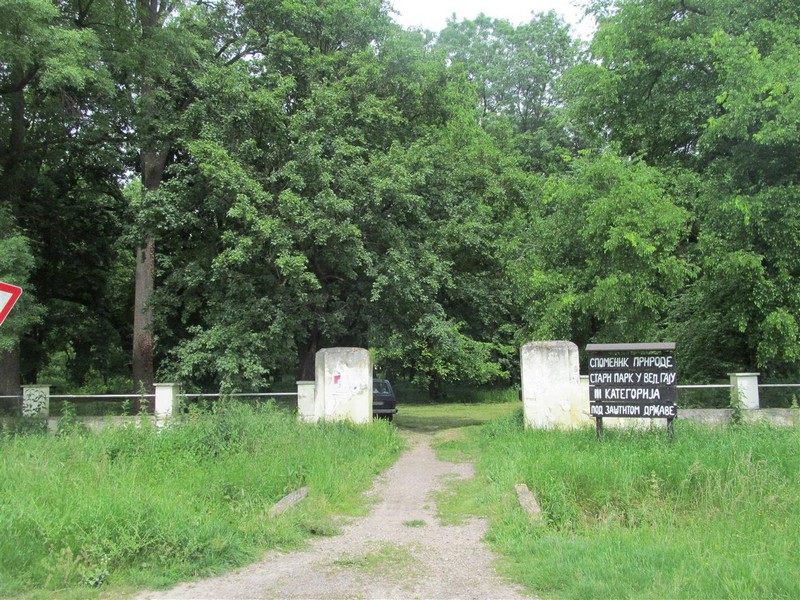
OLD PARK IN VELIKI GAJ
The Old Park in Veliki Gaj dates back to the 18th century and is an important natural heritage site. Covering an area of around 5...
Read more -
“DAMASKIN” CASTLE – Hajdučica
A century-old—or perhaps even two-centuries-old—park with several truly rare trees, a castle at its center, and a lake known as the “Ribnjak,” (‘Fishpond’) stand as...
Read more -
NATURE PARK “BEGEČKA JAMA” – Begeč
In the alluvial plain of the Danube along its left bank, in the area called Begečka Ada (Begeč ait), 18 km west of Novi Sad,...
Read more -
PALIĆ NATURE PARK – Palić
The Palić Nature Park includes Palić Lake and a part of the settlement of Palić. The Park comprises natural values (Palić lake, the park, and...
Read more
-
KARAŠ RIVER – Bela Crkva
The Karaš River (Romanian: Caraș) originates in Romania and flows into the Danube–Tisa–Danube Canal (DTD) between Dupljaja and Grebenac. From there, its former natural course...
Read more -
”JEZERO” CREPAJA ECOLOGICAL GARDEN – Crepaja
In the heart of Banat, in the village of Crepaja, lies an oasis of peace and nature – the ”Jezero” Ecological Garden. Once a brickwork,...
Read more -
LAKE “PROVALA” – Vajska
There was a major flood of the Danube in 1924, when the Danube broke through the embankment and basin carved this natural lake. The lake...
Read more -
THE TAMIŠ RIVER – Opovo
It is favorite fishing place. Every day it brings together a large number of sport fishermen from nearby towns and inland. Quality and rich catch...
Read more -
“KRALJEVAC” LAKE – Deliblato
Kraljevac Lake is located west of Deliblato. The lake’s distinctive feature is its floating islands. Also known as Deliblato Lake, it is one of the...
Read more -
LAKE “ŠLJUNKARA” – Kovin
The strand “Šljunkara” is located approximately 2.5 km east of Kovin. It is an attractive bathing area with avery clean and transparent water, pebble beach,...
Read more
-
EUROVELO 11 – Novi Bečej
The cycling route extends from Norway to Greece, with a total length of 6,000 kilometres, while the section passing through Novi Bečej is 79 km...
Read more -
PEDESTRIAN AND CYCLING INSPECTION TRAIL – Kula
This route starts in Kula and continues through Crvenka and Sivac. In Kula, the trail is 3.3 km long, while sections are currently under development...
Read more -
”ZMAJEV TRAG” CYCLING TRAIL – Rakovac
This route extends from the quarry in Rakovac to Old Rakovac, with a total length of 2 km and an estimated duration of 7–10 minutes....
Read more -
CYCLING TRAIL – Kikinda
This 8 km cycling trail is located in the municipality of Kikinda and runs from Kikinda to the village of Nakovo. The estimated duration of...
Read more -
”JULIŠKA” CYCLING TRAIL – Beočin
The cycling trail is over 1 km in length (1.1 km) and represents the first officially developed downhill trail in Serbia. It offers all key...
Read more -
ČEŠKO SELO TRAIL – Bela Crkva
This trail runs through Bela Crkva, Crvena Crkva, and Češko Selo. The route is 10 km long in one direction, with an estimated duration of...
Read more
-
RESTORAN „DUKAT“ – Odžaci
Restoran Dukat nudi jedinstvenu atmosferu sa svečanim i elegantnim ambijentom, idealnim za sve vrste proslava, uživanje u tradicionalnim jelima i uživanje u vrhunskom ugostiteljstvu. Autor...
Read more -
RESTORAN „NIŠ“ – Bogojevo
Restoran „Niš“ u Bogojevu je mesto gde se dobra hrana, gostoprimstvo i prijatan ambijent spajaju u pravi domaćinski doživljaj.
Read more -
RESTORAN „MOJ ZAVIČAJ 89“ – Bački Gračac
Restoran „Moj Zavičaj 89“ predstavlja mesto gde se neguje tradicionalna atmosfera, dobro gostoprimstvo i uživanje u hrani. Svojim ambijentom pruža gostima prijatno mesto za predah,...
Read more -
RESTORAN „TRI LIPE“ – Odžaci
Restoran „Tri Lipe“ je mesto u kojem se tradicionalna domaća kuhinja, kvalitetna hrana i prijatan ambijent spajaju u pravi gastronomski doživjaj. Smešten daleko od gradske...
Read more -
RESTORAN „KOD BOBE I KATE“ – Lalić
Potreban vam je restoran domaće kuhinje u Odžacima? Na pravom ste mestu! Restoran nudi veliki izbor domaćih specijaliteta koji su pripremani po specijalnim recepturama njihovih...
Read more -
RESTORAN „CAR“ – Odžaci
Restoran Car je restoran domaće i internacionalne kuhinje. U ponudi imaju jela sa roštilja, ribu (šaran, pastrmka, smuđ, brancin), teleću i pileću čorbu, jagnjetinu, teletinu...
Read more
-
THE KRIVAC HOUSEHOLD
The Krivac agritourism farm is located in the eponymous settlement, which stretches from Sremski Karlovci to Banstol, at the meeting point of Mt. Fruška Gora...
Read more -
JAN ČAPELA ETHNO HOUSE – Selenča
Built in 1914, this house has since been transformed into a Slovak ethno-house. The owner, Jan Čapelja, inherited it from his family, and it was...
Read more -
“KIBITZFENSTER” – Novi Sad
Kibitzfenster souvenir is unique, hand made souvenirs made of wood, textile and metal, filmed by the special art tecnique to give the souvenirs old rustic...
Read more -
GRANGE TATIĆ – Turija
At the heart of Bačka, on the bank of the Great Bačka Canal, near the picturesque and tradition-rich village of Turija, the family Tatić grange...
Read more -
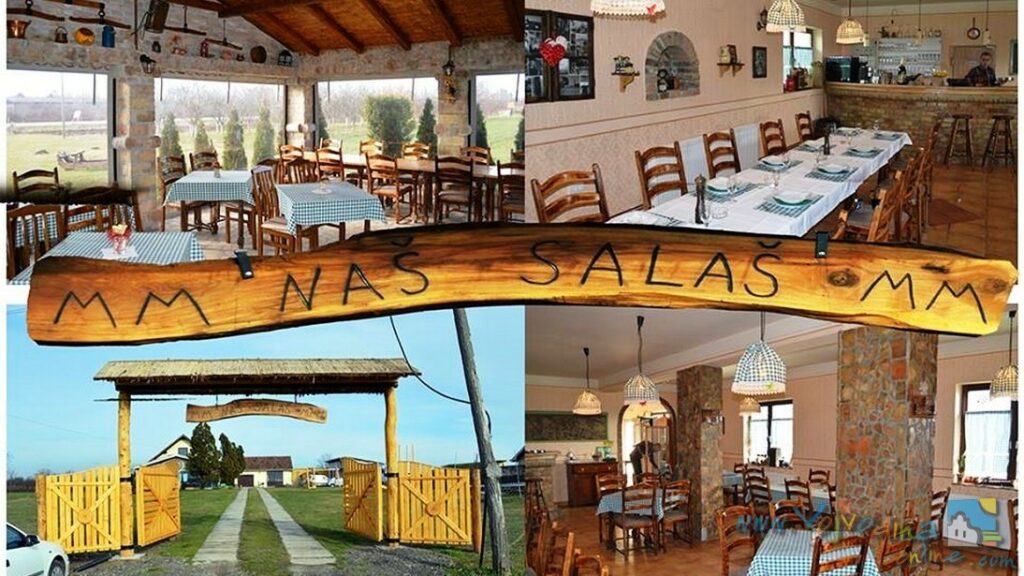
RESTAURANT ”FARMHOUSE M&M” – Bač
The Farm “M & M” is located at the entrance of Bač. Surrounded by nature, the unique ethno interior of the restaurant offers the most...
Read more
-
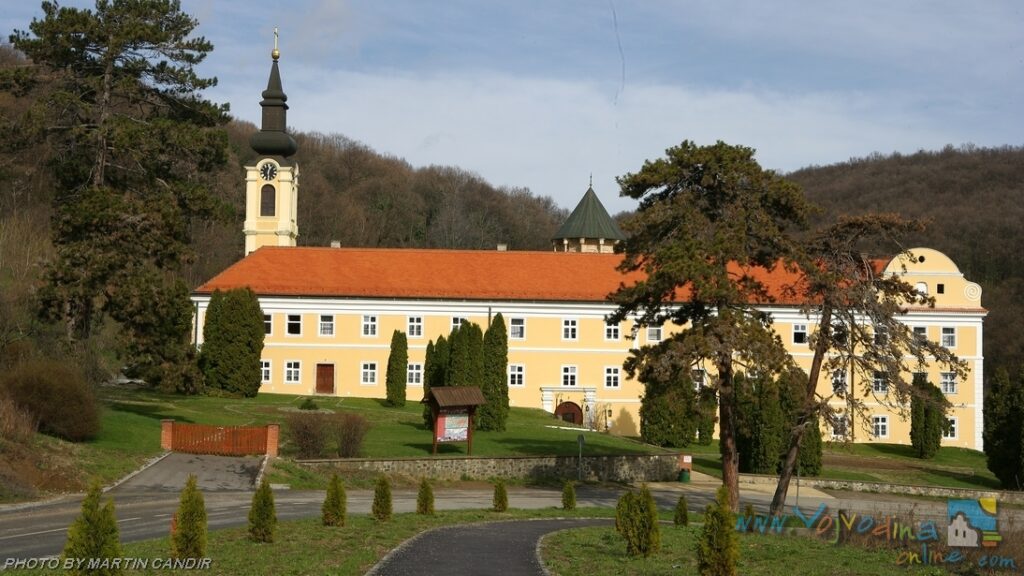
BEOČIN MONASTERY – Beočin
Beočin Monastery, with its church dedicated to the Feast of the Ascension of Christ, is located on the edge of Fruška Gora in the village...
Read more -
RAKOVAC MONASTERY – Rakovac
Rakovac Monastery is located on the northern slopes of Fruška Gora, along the Rakovački stream, about ten kilometers from Novi Sad. The monastery is first...
Read more -
RAVANICA MONASTERY – Vrdnik
Ravanica Monastery – Vrdnik, with its church originally dedicated to St. John the Baptist and today to the Ascension, is mentioned in documents from 1566–1569....
Read more -
VELIKA REMETA MONASTERY – Velika Remeta
VELIKA REMETA MONASTERY, with its church dedicated to St. Demetrius, is traditionally linked to King Dragutin, but it more likely originated at the end of...
Read more -
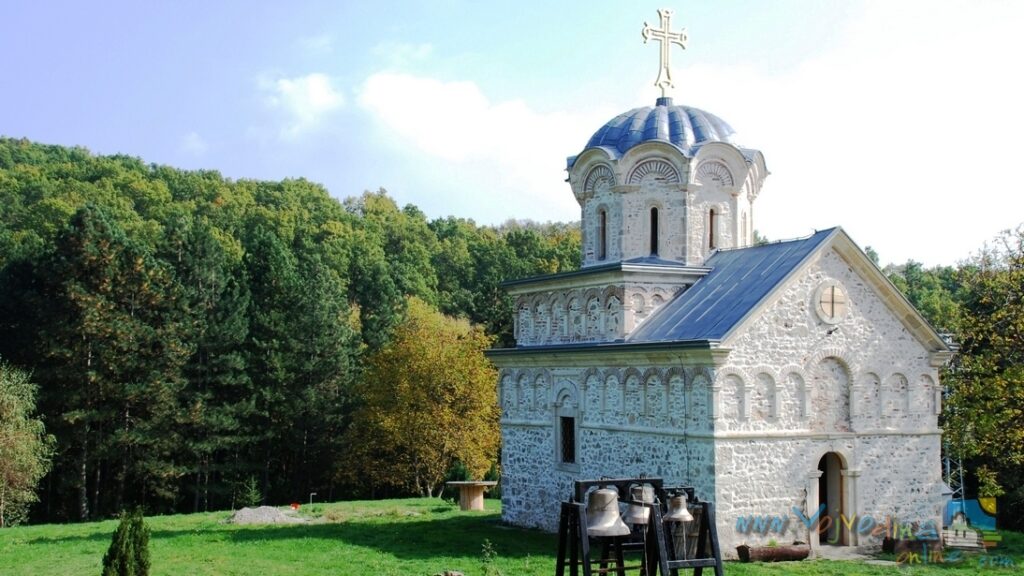
STARO HOPOVO MONASTERY – Irig
Staro Hopovo Monastery is situated in the eastern part of Fruška Gora mountains, 2 km away from the Monastery Novo Hopovo. According to tradition, was...
Read more -
NOVO HOPOVO MONASTERY – Irig
NOVO HOPOVO MONASTERY, with its Church of St. Nicholas, represents the most significant sacred building of its era in this region in terms of architectural...
Read more
-
SYNAGOGUE – Novi Sad
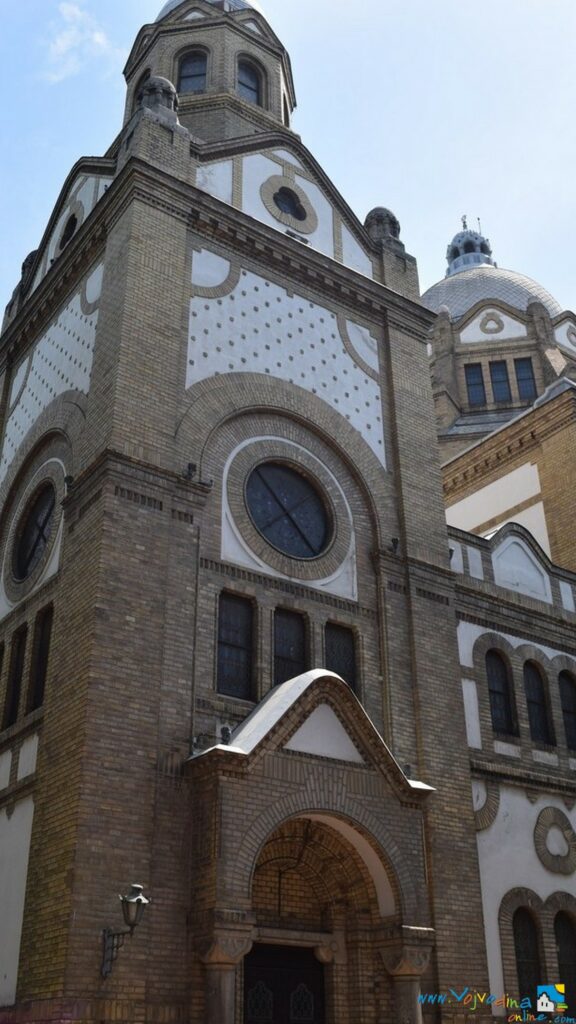
Synagogue with the church parish and the former Jewish school is situated in Jewish Street. It was built in 1909, in the style of Hungarian...
Read more -
SMALL SYNAGOGUE – Subotica
The buildings of the Jewish Community houses the small synagogue at the ground floor. Originally it was a winter synagogue. It is nicely decorated with...
Read more -
SYNAGOGUE – Subotica
For its Synagogue, Subotica’s Jewish Community chose the design that won second prize in the Szeged synagogue architectural competition, thus making Subotica a home to...
Read more -
SYNAGOGUE – Vrbas
Before the World War II, there was a beautiful synagogue in Vrbas. It was destroyed during the war, and, nowadays, it can be seen only...
Read more
-
PANDUREVIĆ DISTILLERY – Pačir
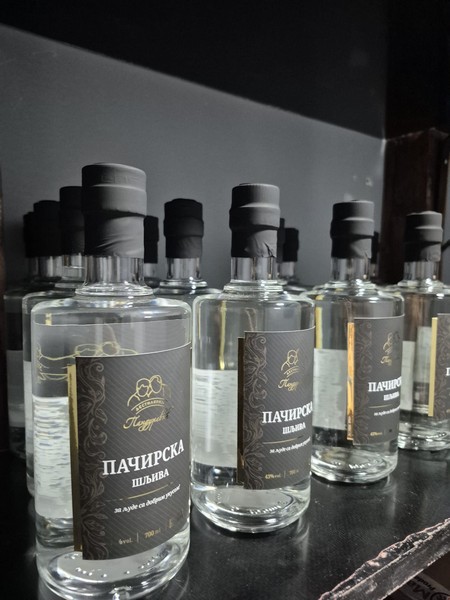
“Pandurević” distillery is located in northern Serbia, in the village of Pačir, municipality of Bačka Topola. It produces traditionally made, authentic homemade rakijas (fruits brandies),...
Read more -
PUB “LIBEERI” – Inđija
Brewery LIBEERI is the first producer of domestic craft beer in the municipality of Indjija. The production plant with a capacity of 1,000 litres of...
Read more -
RESTAURANT & PUB “THE CAMELOT” – Novi Sad
The restaurant and the beer hall “The Camelot” offers breakfast, lunch, dinner, deserts, brand new kinds of beer ( light, red and dark), as well...
Read more -
THE PUB “LAZINO TELE” – Novi Sad
The pub is situated in the heart of Novi Sad, on only a few minutes of the Sloboda square and Zmaj Jovina street. Nice place...
Read more

-
JAN ČAPELA ETHNO HOUSE – Selenča
Built in 1914, this house has since been transformed into a Slovak ethno-house. The owner, Jan Čapelja, inherited it from his family, and it was...
Read more -
ETHNO HOUSE “BAKIN SPOMENAR” – Bezdan
Within the association “BAKIN SPOMENAR” in Bezdan, which was established on May 16, 2022, there is an Ethno House carrying the same name. It is...
Read more -
ETHNO HOUSE “AKSENTIJEV KUĆERAK” – Ogar
In Ogar, a richly preserved peasant house from the late 18th century can be found. It is the oldest house in this part of Srem....
Read more -
HOMELAND HOUSE “DA SE NE ZABORAVI” – Karavukovo
In the yard of the “Bora Stanković” Elementary School stands the Homeland House – Museum “Da se ne zaboravi” (Let It Not Be Forgotten) The...
Read more -
ETHNO HOUSE IN RATKOVO – Ratkovo
In an old priest’s house in Ratkovo, a Serbian–German ethno house was opened under the organization of the Germans’ Association of the Odžaci Municipality. In...
Read more -
ROKIN SALAŠ – Hajdukovo
This 100-year-old traditional rural house, situated on the eastern shore of Ludaš Lake, houses interesting ethnographic, natural history and archaeological collections of objects found in...
Read more