
“DUNĐERSKI” CASTLE AND PARK – Čelarevo
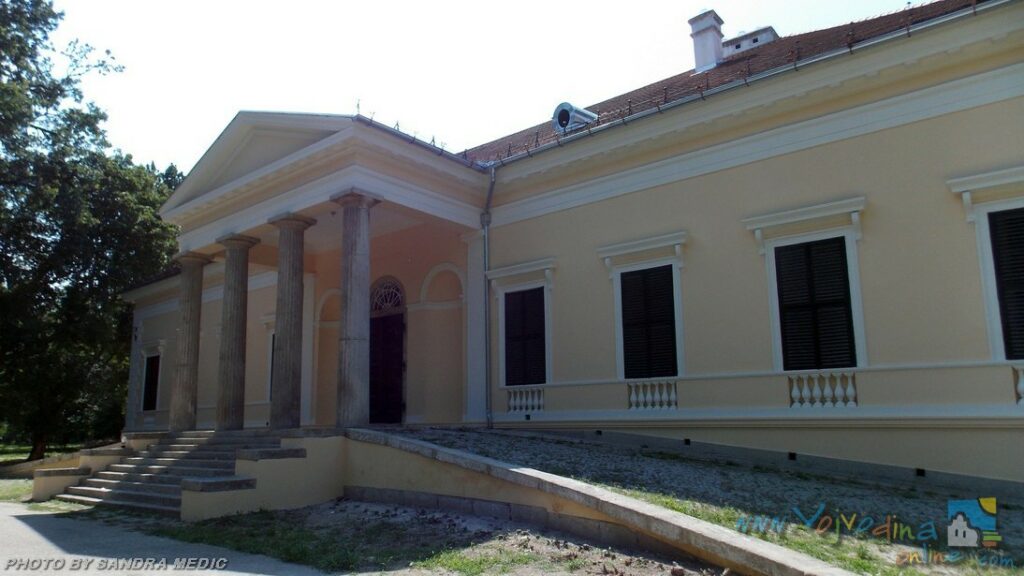
In 1967, the Museum of Vojvodina was granted the use and administration of the Castle in Čelarevo. The castle, situated within a park setting, was built in the Classical style. It was commissioned by the Hungarian nobleman Nikola Bezerédi between 1834 and 1837, according to the designs of architects Aman and Hofman. From 1882 until the Second World War, it belonged to the renowned Dunđerski family. After the war, it was nationalized and used for official protocol purposes. Many distinguished public and cultural figures visited the castle during the second half of the 19th century and the beginning of the 20th century. Among them were Nikola Tesla, Paja Jovanović, Stevan Todorović, and Laza Kostić, who met Lenka Dunđerski at this castle and, in her honor, wrote his most celebrated love poem, Santa Maria della Salute.
The building was constructed as a summer residence in the Neoclassical style characteristic of the early 19th century. In 1968, the Museum of Vojvodina established a permanent exhibition of period furniture and decorative arts objects, created in styles ranging from Baroque and Rococo to Art Nouveau and Neoclassicism, collected from across Vojvodina. Today, the restored furniture is housed in the Museum of Vojvodina in Novi Sad.
The Small Castle, also known as the Old Castle, is a single-story rectangular building located to the left of the park entrance. In 1798, a porch was added on the courtyard side, supported by slender wooden columns with decoratively carved capitals. The present street-facing façade features a shallow risalit with three windows. The front façade is adorned with a portico consisting of four Doric columns, a pediment, and a staircase. The main façade has four windows on each side, each crowned by a flat molded lintel supported by consoles. Beneath the windows are rectangular recessed panels decorated with six baluster-shaped ornaments. The Large Castle is complemented by a French-style garden in front and an English landscape park at the rear.
In 2000 and 2003, the castle’s furniture and the building’s façade were restored. In 1970, the complex was placed under state protection as a cultural monument of exceptional importance.
Text adapted from Guide to the Museums and Galleries of Vojvodina by Vladimir Mitrović and Lidija Mustedanagić.
NATURE PARK
The park surrounding the Čelarevo Castle is one of the more valuable examples of 19th-century landscape architecture in Serbia. It is a typical example of the mixed style that dominated garden design during that period, combining elements of both the French formal garden and the English landscape park. The park was established on the foundations of native vegetation, as evidenced by the preserved specimens of elm and oak trees, along with other naturally occurring tree species.
In 1968, the castle and its surrounding park were entrusted to the care and management of the Museum of Vojvodina, at which time the Čelarevo Park also received formal protection status.
The castle is not open to visitors.
Nearby attractions
-

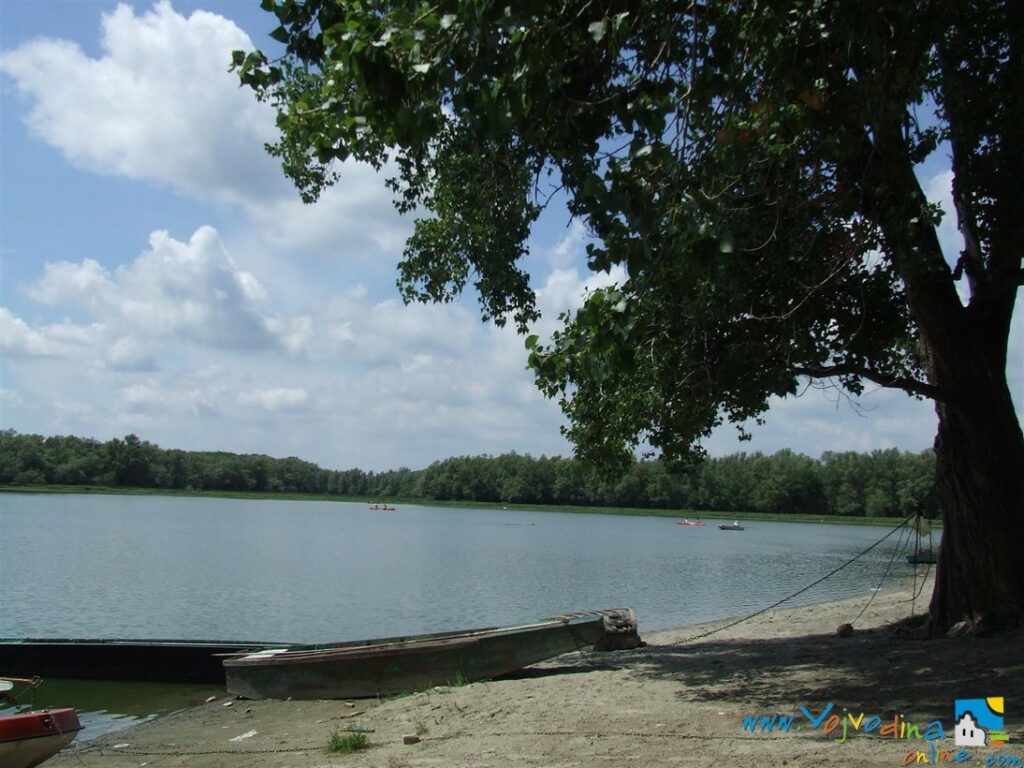
NATURE PARK “BEGEČKA JAMA” – Begeč
In the alluvial plain of the Danube along its left bank, in the area called Begečka Ada (Begeč ait), 18 km west of Novi Sad,...
Read more
-
 Udaljeno 1.0 km
ROMAN CATHOLIC CHURCH OF THE ASSUMPTION BLESSED VIRGIN MARY – Čelarevo
This eparchy is well known since 1493., it was founded in 1802., and the church was built in 1822. The name of the church is...
Read more -
Udaljeno 3.3 km
EVANGELICAL CHURCH – Gložan
On the banks of the Danube near the settlement in the Roman period during the reign of Emperor Diocletian the castle (fort) Onagrinum was erected,...
Read more -
Udaljeno 3.9 km
ORTHODOX CHURCH OF ST. JOHN THE BAPTIST – Gložan
The Orthodox Church was recorded in the records in the eighteenth century. The Church in Gložan was built in 1839, the interior is modestly decorated,...
Read more -
 Udaljeno 5.5 km
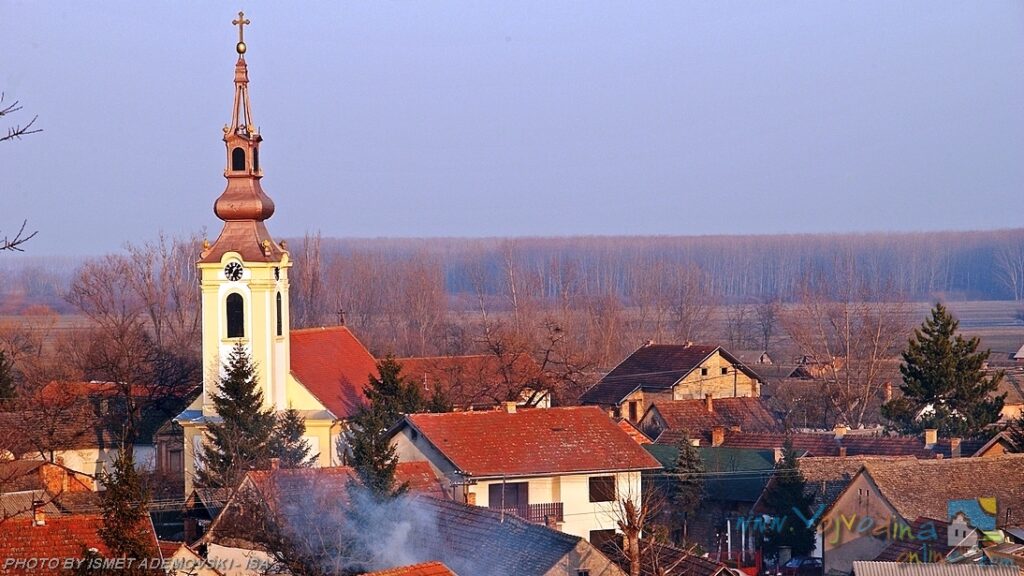
THE ORTHODOX CHURCH OF ST. ARCHANGEL GABRIEL – Susek
On the north slopes of Fruška Gora, on the east of Dumbovac stream, near to Stučica there is the locality Gradina. In the area around...
Read more

-
Udaljeno 3.9 km
ORTHODOX CHURCH OF ST. JOHN THE BAPTIST – Gložan
The Orthodox Church was recorded in the records in the eighteenth century. The Church in Gložan was built in 1839, the interior is modestly decorated,...
Read more
-
NATURE PARK “BEGEČKA JAMA” – Begeč
In the alluvial plain of the Danube along its left bank, in the area called Begečka Ada (Begeč ait), 18 km west of Novi Sad,...
Read more
-
Udaljeno 1.0 km
ROMAN CATHOLIC CHURCH OF THE ASSUMPTION BLESSED VIRGIN MARY – Čelarevo
This eparchy is well known since 1493., it was founded in 1802., and the church was built in 1822. The name of the church is...
Read more -
Udaljeno 3.3 km
EVANGELICAL CHURCH – Gložan
On the banks of the Danube near the settlement in the Roman period during the reign of Emperor Diocletian the castle (fort) Onagrinum was erected,...
Read more -
Udaljeno 3.9 km
ORTHODOX CHURCH OF ST. JOHN THE BAPTIST – Gložan
The Orthodox Church was recorded in the records in the eighteenth century. The Church in Gložan was built in 1839, the interior is modestly decorated,...
Read more -
Udaljeno 5.5 km
THE ORTHODOX CHURCH OF ST. ARCHANGEL GABRIEL – Susek
On the north slopes of Fruška Gora, on the east of Dumbovac stream, near to Stučica there is the locality Gradina. In the area around...
Read more
-
“DUNĐERSKI” CASTLE AND PARK – Čelarevo
In 1967, the Museum of Vojvodina was granted the use and administration of the Castle in Čelarevo. The castle, situated within a park setting, was...
Read more -
NATURE PARK “BEGEČKA JAMA” – Begeč
In the alluvial plain of the Danube along its left bank, in the area called Begečka Ada (Begeč ait), 18 km west of Novi Sad,...
Read more
-
Udaljeno 4.2 km
FARM “GNJEZDO” – BAČKA PALANKA
It is located alongside the road towards Novi Sad, 6 km from Bačka Palanka and Ilok border crossing (Croatia). Salaš “Gnjezdo” (Grange “Nest”) has the...
Read more

-
“DUNĐERSKI” CASTLE AND PARK – Čelarevo
In 1967, the Museum of Vojvodina was granted the use and administration of the Castle in Čelarevo. The castle, situated within a park setting, was...
Read more -
NATURE PARK “BEGEČKA JAMA” – Begeč
In the alluvial plain of the Danube along its left bank, in the area called Begečka Ada (Begeč ait), 18 km west of Novi Sad,...
Read more
-
“DUNĐERSKI” CASTLE AND PARK – Čelarevo
In 1967, the Museum of Vojvodina was granted the use and administration of the Castle in Čelarevo. The castle, situated within a park setting, was...
Read more -
Udaljeno 0 m
BEER MUSEUM – Čelarevo
Within the grounds of its brewery in Čelarevo, Carlsberg Serbia opened the first authentic beer museum in the region on October 22, 2008. The museum...
Read more -
Udaljeno 683 m
“ČIBSKA ŠUMA” ARCHAEOLOGICAL SITE – Čelarevo
The site is located on an alluvial terrace, 500 meters from the left bank of the Danube. Excavations carried out since 1972 have investigated around...
Read more -
Udaljeno 3.9 km
ORTHODOX CHURCH OF ST. JOHN THE BAPTIST – Gložan
The Orthodox Church was recorded in the records in the eighteenth century. The Church in Gložan was built in 1839, the interior is modestly decorated,...
Read more

-
Udaljeno 0 m
BEER MUSEUM – Čelarevo
Within the grounds of its brewery in Čelarevo, Carlsberg Serbia opened the first authentic beer museum in the region on October 22, 2008. The museum...
Read more
-
“DUNĐERSKI” CASTLE AND PARK – Čelarevo
In 1967, the Museum of Vojvodina was granted the use and administration of the Castle in Čelarevo. The castle, situated within a park setting, was...
Read more
-
Udaljeno 683 m
“ČIBSKA ŠUMA” ARCHAEOLOGICAL SITE – Čelarevo
The site is located on an alluvial terrace, 500 meters from the left bank of the Danube. Excavations carried out since 1972 have investigated around...
Read more
-
“DUNĐERSKI” CASTLE AND PARK – Čelarevo
In 1967, the Museum of Vojvodina was granted the use and administration of the Castle in Čelarevo. The castle, situated within a park setting, was...
Read more -
Udaljeno 0 m
BEER MUSEUM – Čelarevo
Within the grounds of its brewery in Čelarevo, Carlsberg Serbia opened the first authentic beer museum in the region on October 22, 2008. The museum...
Read more -
Udaljeno 683 m
“ČIBSKA ŠUMA” ARCHAEOLOGICAL SITE – Čelarevo
The site is located on an alluvial terrace, 500 meters from the left bank of the Danube. Excavations carried out since 1972 have investigated around...
Read more -
Udaljeno 1.0 km
ROMAN CATHOLIC CHURCH OF THE ASSUMPTION BLESSED VIRGIN MARY – Čelarevo
This eparchy is well known since 1493., it was founded in 1802., and the church was built in 1822. The name of the church is...
Read more -
Udaljeno 3.3 km
EVANGELICAL CHURCH – Gložan
On the banks of the Danube near the settlement in the Roman period during the reign of Emperor Diocletian the castle (fort) Onagrinum was erected,...
Read more