Process-Based Protocol for Community-Driven Solutions to Enhance Cultural Accessibility
As part of the international CAST – Culture trAnSforming communiTies and economies project, the Process-Based Protocol for Community-Driven Solutions to Enhance Cultural Accessibility has been published—a practical guide designed for everyone interested in using culture to improve the quality of life in local communities while developing more accessible cultural and tourism services.
The protocol provides step-by-step guidance for planning and implementing local initiatives based on active community engagement. Its purpose is to demonstrate how public institutions, civil society organisations, cultural institutions, tourism stakeholders, accessibility experts, and community members can work together to co-create more inclusive cultural programmes, events, and tourism products.
The guide is structured around three key stages:
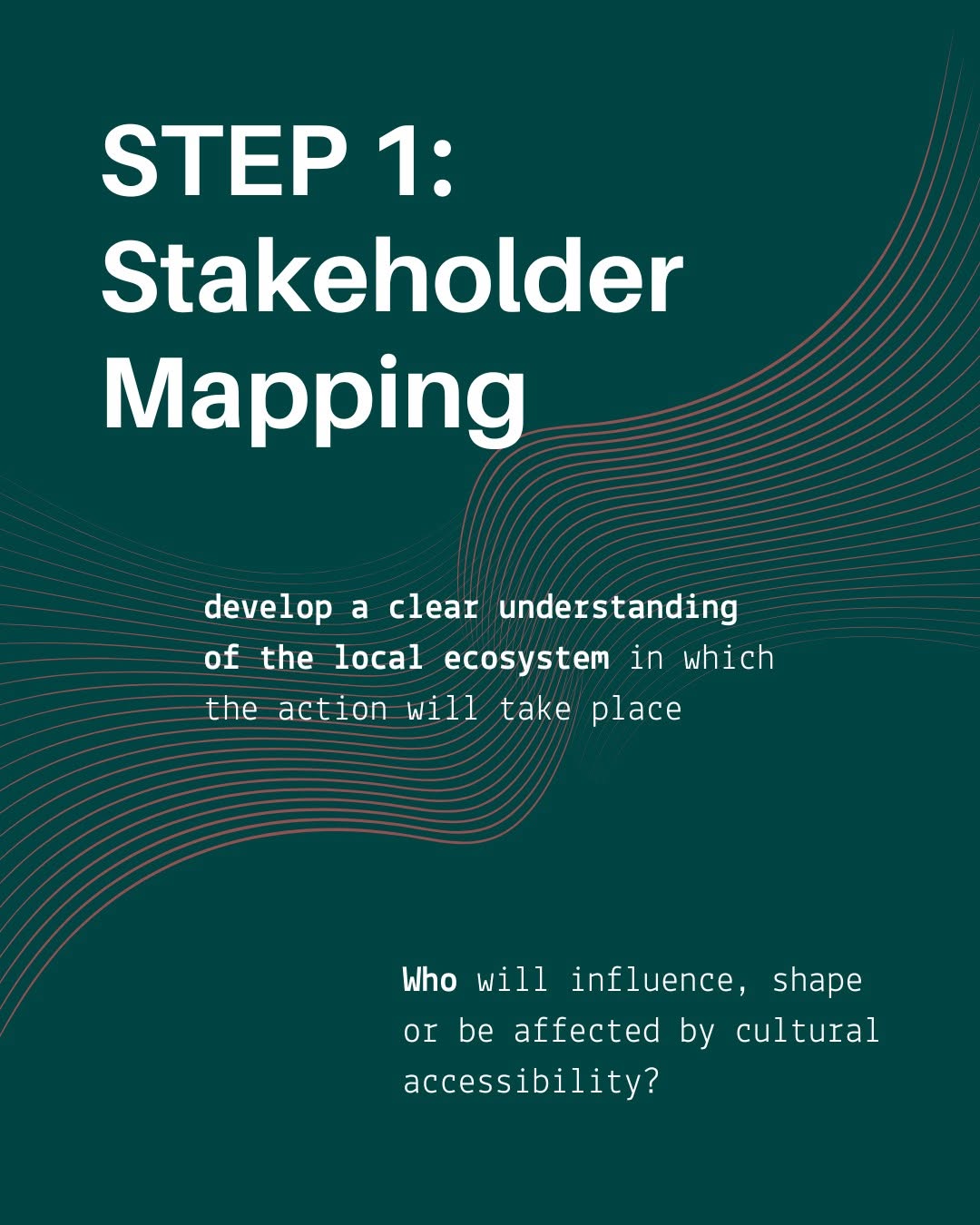
- mapping relevant stakeholders within the local community;
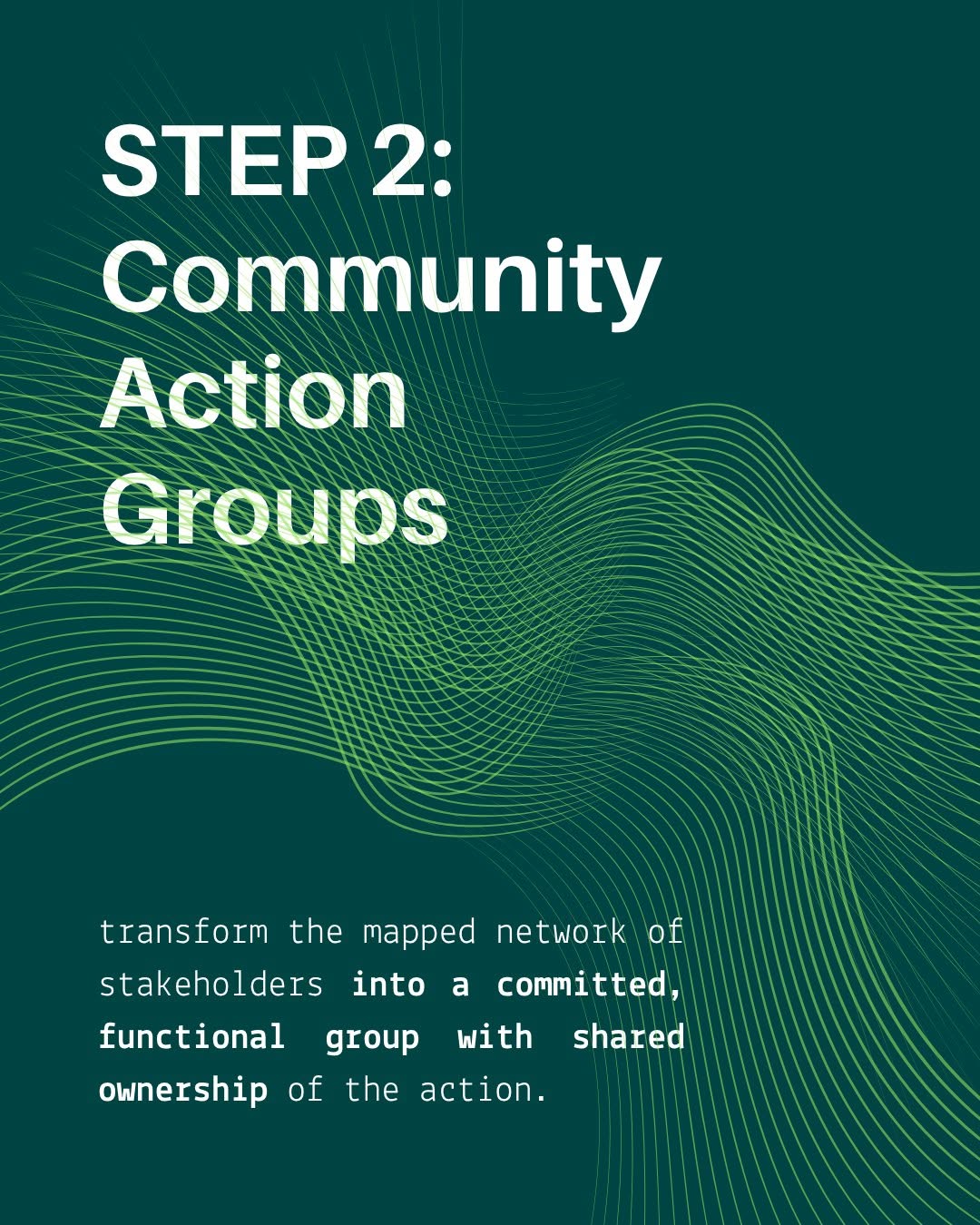
- establishing Community Action Groups to jointly define priorities and make decisions;
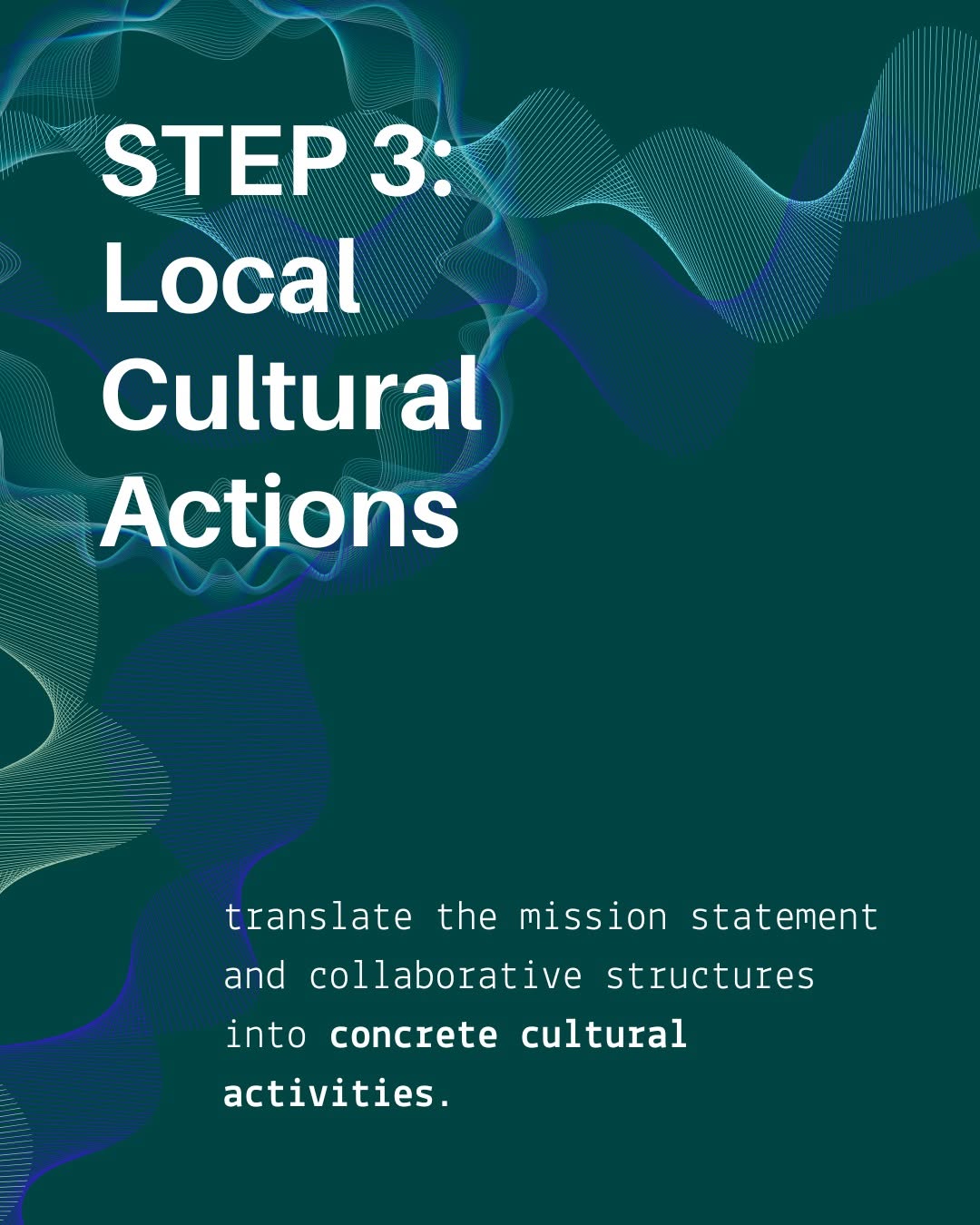
- designing, implementing, and evaluating Local Cultural Actions that respond to the real needs of the community.
One of the protocol’s greatest strengths is its broad understanding of accessibility, extending far beyond the removal of physical barriers. It promotes the creation of environments where everyone, regardless of age or ability, can actively participate in cultural life and contribute to its development. At the same time, this approach supports sustainable tourism, strengthens social cohesion, and contributes to local economic development.
The protocol has been developed in English through the collaboration of partners from ten countries across the Danube Region within the CAST project, implemented under the Interreg Danube Region Programme and co-funded by the European Union. The Tourism Organisation of Vojvodina is one of the project partners and actively contributes to the further development of the CAST Model, which recognises culture as a driving force for community resilience and sustainable socio-economic development.