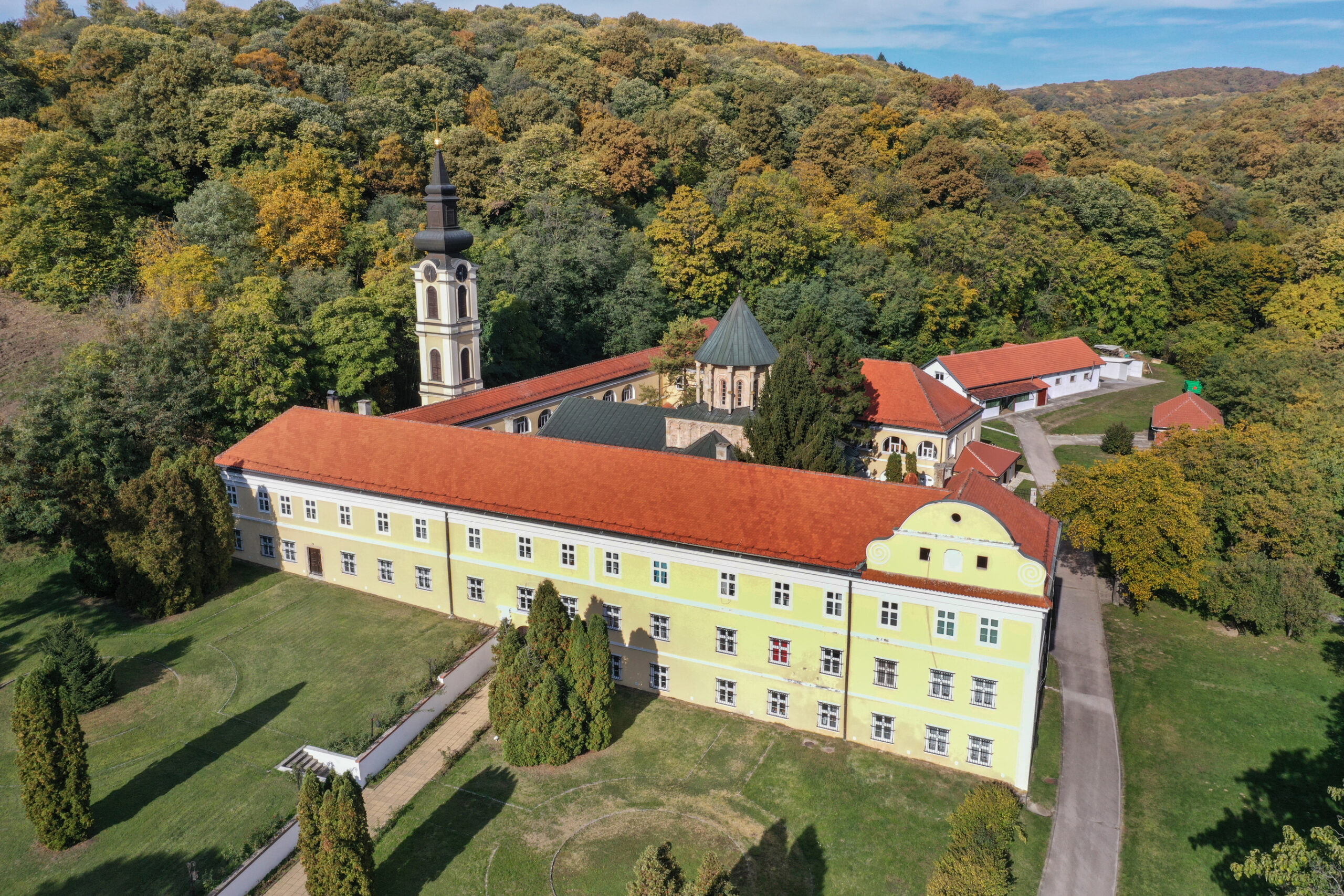
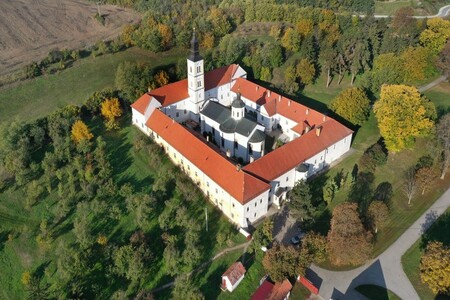
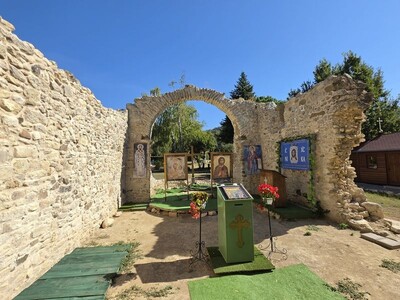
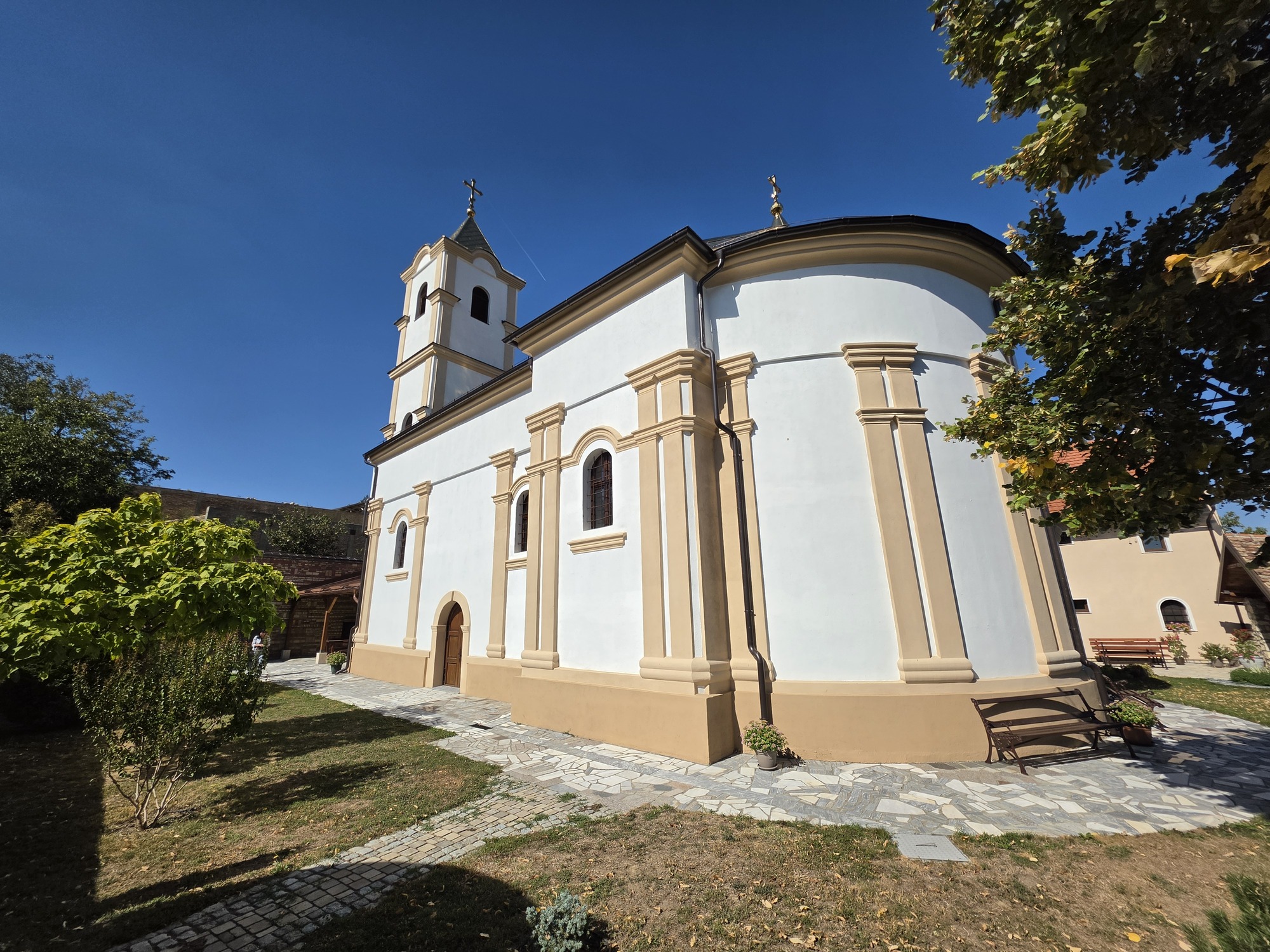
Autumn brings a special atmosphere to Fruška Gora. Forests glowing in shades of gold and copper, peaceful trails and monasteries hidden among the trees invite visitors to experience Fruška Gora from a different perspective. This time of year is particularly ideal for visiting its sacred sites and discovering the stories they have preserved for centuries.
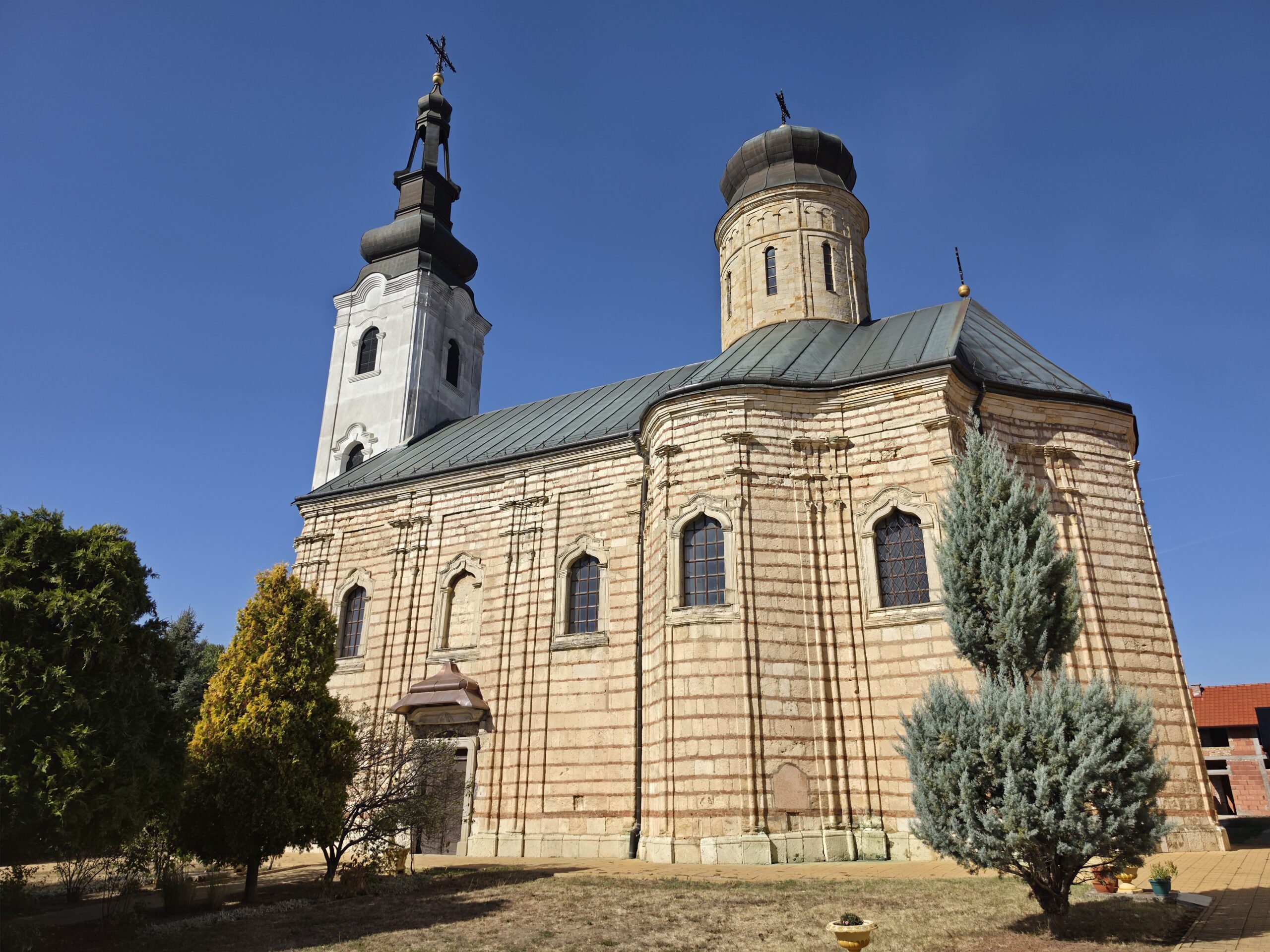
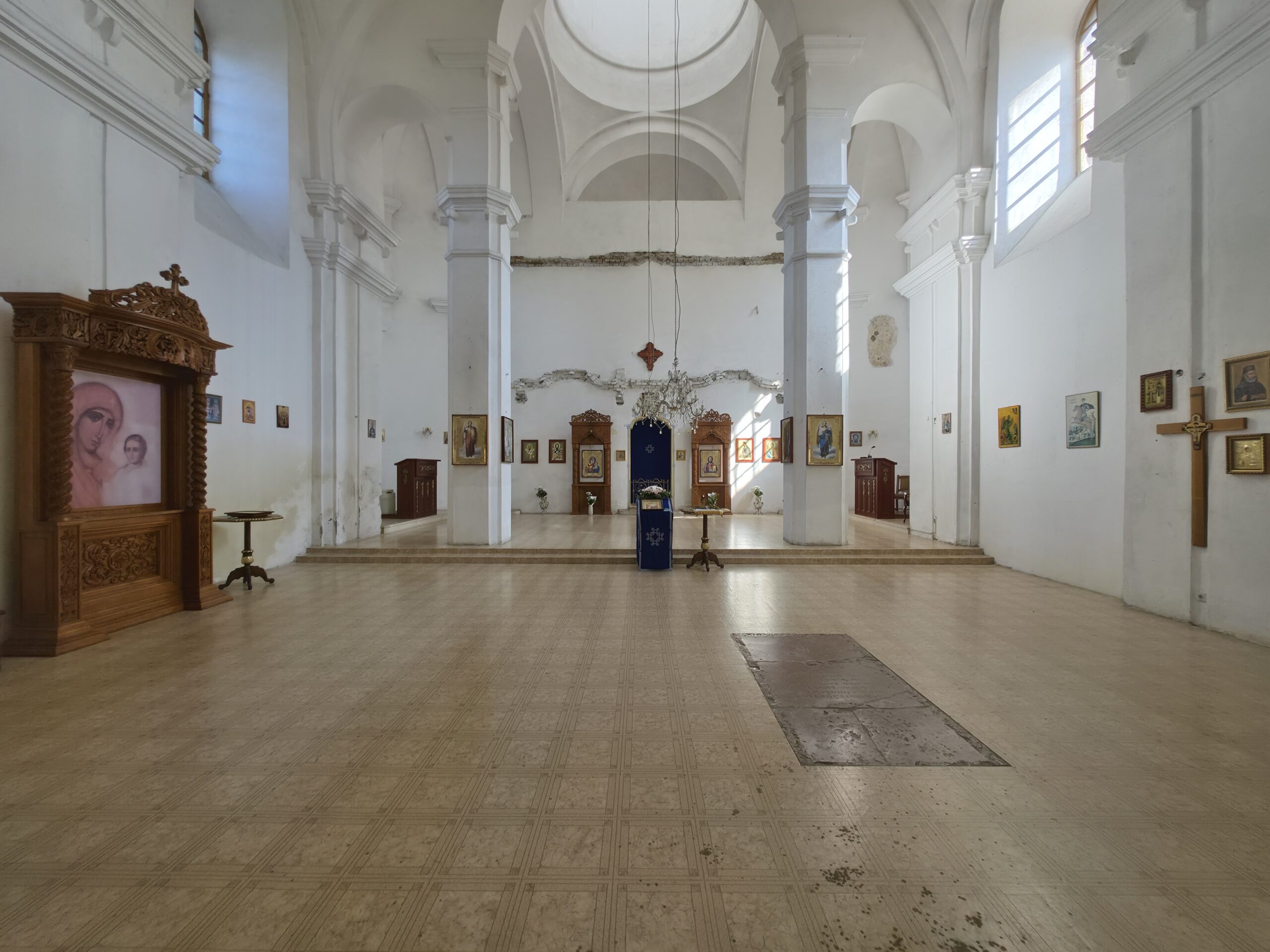
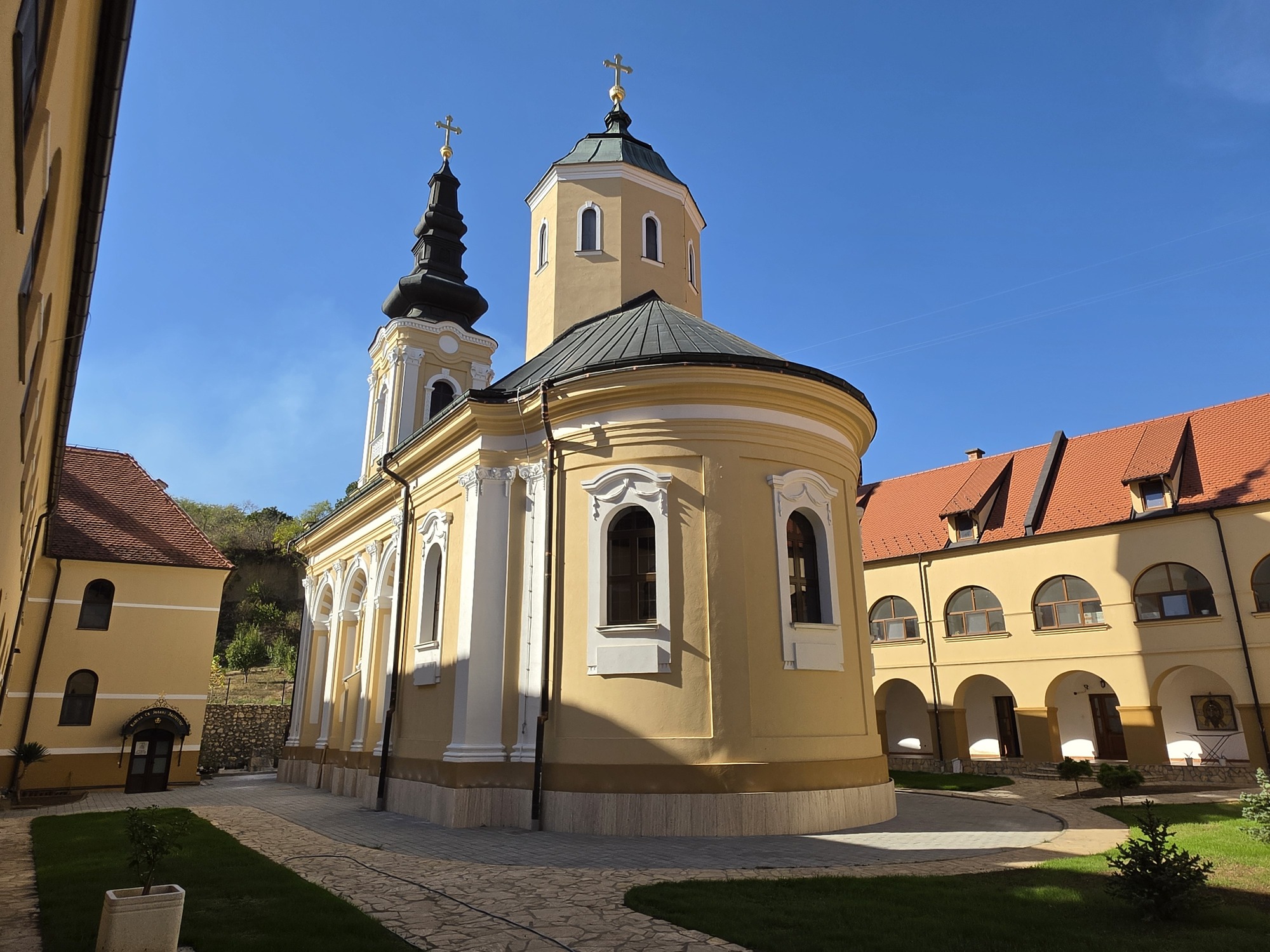
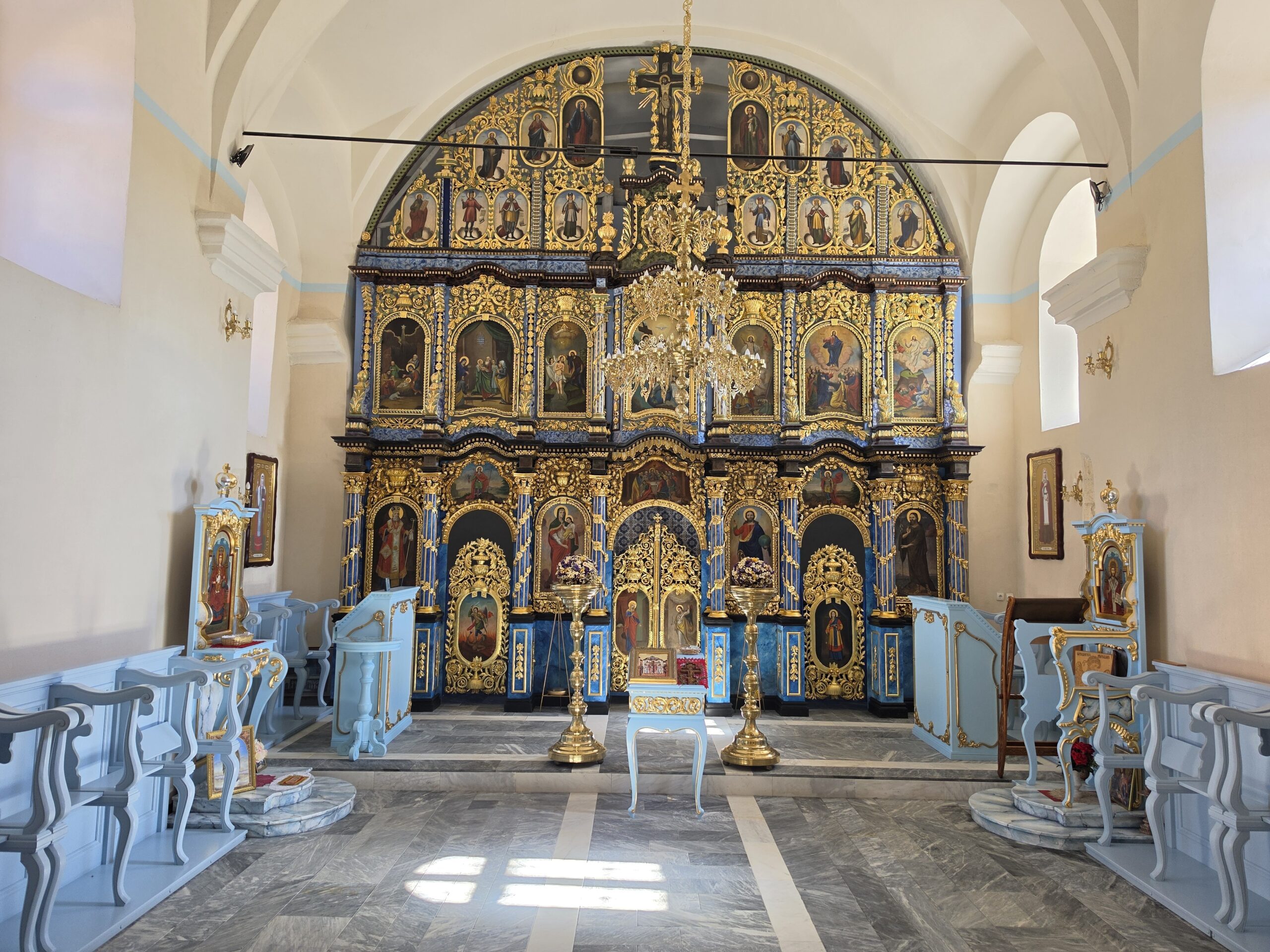
The monasteries of Fruška Gora are among the most valuable elements of the region’s cultural and spiritual heritage. Their churches, frescoes, iconostases, treasuries and old monastic residences bear witness to the history, art and life of the Serbian people in the lands north of the Sava and Danube rivers.
Because of the importance and richness of its spiritual and cultural heritage, Fruška Gora is also known as the “Serbian Mount Athos”. The history of its monasteries is intertwined with the various eras and events that have shaped this region. The Branković family holds a particularly important place in their history, with members of the family serving as founders and patrons of several sacred sites.
Over the centuries, the monasteries have been restored, their appearance has changed and new works of art have been added, with the 18th century being a particularly significant period of restoration. At that time, Baroque influences became strongly established in the architecture and art of Fruška Gora’s sacred sites, blending with the Orthodox tradition. The monumental churches, bell towers, iconostases and wall paintings are today valuable testimony to this period.
Each of these sacred sites has its own story. Some have served for centuries as places of gathering and prayer, some have safeguarded valuable manuscripts and works of art, while others have been restored several times throughout turbulent periods of history. Their stories are inextricably linked to the history of Fruška Gora and the people who have lived in this region.
Visiting the monasteries therefore offers an opportunity to discover Fruška Gora in a different way – through its history, architecture, art and spiritual heritage. Autumn days are particularly well suited to such excursions, when nature takes on new colours and the forest paths and monastic complexes acquire a quieter and distinctive atmosphere.
A visit to the monasteries can be complemented by exploring other attractions of Fruška Gora. Walking through nature, visiting the region’s wineries, discovering the local cuisine or exploring nearby towns and villages offer opportunities to experience the area through a variety of stories and flavours.
The monasteries of Fruška Gora are not merely traces of the past. They are part of the region’s living heritage and continue to attract worshippers, history and art enthusiasts, as well as anyone looking to spend a day immersed in a different atmosphere, surrounded by nature and cultural heritage.