
BEEKEEPING MUSEUM OF THE ŽIVANOVIĆ FAMILY – Sremski Karlovci
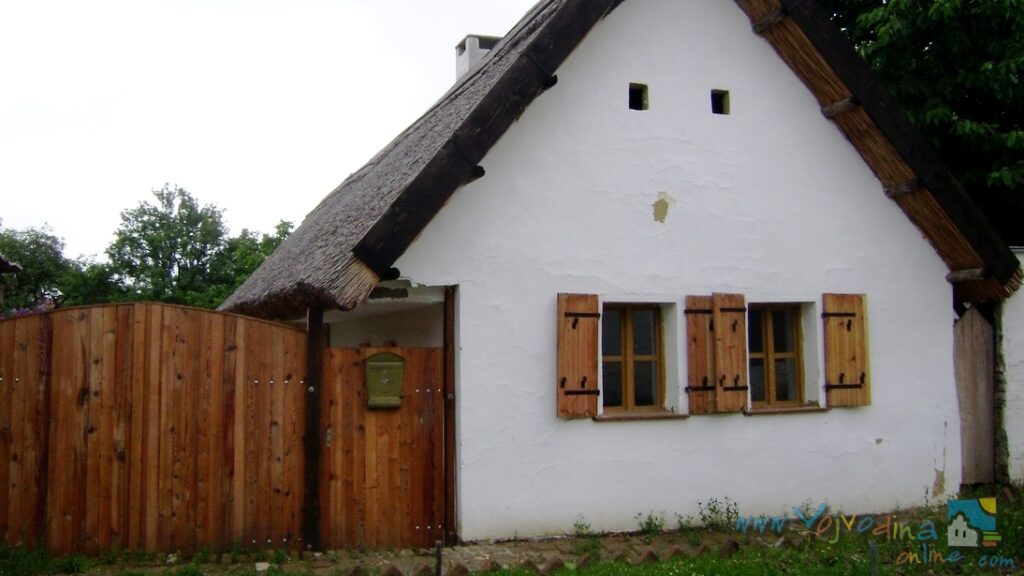
The Živanović family’s passion for these tiny creatures of God, expressed by Professor Jovan Živanović (1841–1916) in prose poetry, was passed down to his descendants. His son Žarko (1875–1933) and grandson Borivoje (1914–1997) continued the family tradition. Today, the great-grandson Žarko combines the knowledge of his ancestors with modern beekeeping methods, keeping the family home alive with flowing honey. In Sremski Karlovci, in the family home and spacious yard with over 200 beehives and around a hundred historical beekeeping tools used by his grandfather, Borivoje Živanović founded the Živanović Family Beekeeping Museum in 1968. He displayed objects that are now extremely rare, offering visitors the unique experience of smelling beeswax and propolis from bygone times while learning the stories behind the artifacts. Visitors can see several types of hives and numerous tools used in beekeeping and honey production, including pollen, wax, and propolis processing equipment. Notable artifacts include: A honey extractor from 1876, a steam wax melter from 1881, a smoker and other tools and the most remarkable exhibit: a church-shaped hive from 1880, which once decorated Jovan Živanović’s large apiary. Today, due to its age, it is preserved safely under a roof, as new objects documenting the history of beekeeping continue to arrive, plans are underway to modernize and expand the permanent exhibition. This museum, unique in Serbia, attracts not only beekeepers but also young visitors, especially students of the Karlovac Theological Seminary and agricultural faculties in Novi Sad and Zemun. The great-grandson of Professor Jovan Živanović, Mr. Žarko Živanović, continues the family tradition by participating in the creation of the seminary’s educational apiary. He preserves over 200 years of family heritage, including the cellars where the finest Karlovac wines—Ausbruch, Bermet, and Riesling—were crafted and served even at royal courts. The museum’s yard, apiary, and family garden have been developed into an ethno-park, offering future generations a tangible connection to the sweat and effort of their ancestors in building Serbian Sion and the historic town of Sremski Karlovci.
Working hours:
Monday – Sunday: 09:00 AM – 04:00 PM
Nearby attractions
-

BEEKEEPING MUSEUM OF THE ŽIVANOVIĆ FAMILY – Sremski Karlovci
The Živanović family’s passion for these tiny creatures of God, expressed by Professor Jovan Živanović (1841–1916) in prose poetry, was passed down to his descendants....
Read more -

BAKAJIN GALLERY–ATELIER – Sremski Karlovci
The Bakajin Gallery-Atelier is located in the small town of Sremski Karlovci, the centre of the Eparchy of Srem, surrounded by monasteries on Fruška Gora....
Read more -
THE HOUSE OF DIMITRIJE ANASTASIJEVIĆ SABOV – Sremski Karlovci
Dimitrije Anastasijević Sabov House in Sremski Karlovci was built in 1790. On August 13, 1791, Stefan Stratimirović arrived at the house with his entourage, where...
Read more


-
Udaljeno 46 m
WINERY ŽIVANOVIĆ – Sremski Karlovci
According to the recipes of their ancestors, the Živanović family even today makes well known, special sorts of wine, Ausbruh and Bermet, which have after...
Read more -
Udaljeno 151 m
THE WINERY DULKA – Sremski Karlovci
One of the famous Sremski Karlovci winegrowing families is family Dulka, which has this business since 1920, and “from knee to knee” it enlarges and...
Read more -
Udaljeno 174 m
WINERY “VINUM” – Sremski Karlovci
The slopes of Fruška Gora have always been famous for their grapevines, hard-working and persistent winegrowers, and equally famous and science cellar men. The tendency...
Read more -
Udaljeno 192 m
THE WINERY PROBUS – Sremski Karlovci
Sremski Karlovci is famous for vineyards and good wines for a long time. The generations in our family grew grapes and produce wine. The centuries...
Read more -
Udaljeno 237 m
THE WINE CELLAR PETROVIĆ – Sremski Karlovci
The winegrowing is the branch of agriculture which provides existence, but also the fame to people of Karlovci during many centuries. The wine also occupies...
Read more -
 Udaljeno 289 m
THE WINERY KOSOVIĆ – Sremski Karlovci
The winery “Kosović“ is a family business which involves three generations. They own 3 ha of vineyards which are situated on the parts near Sremski...
Read more


-
Udaljeno 400 m
HOMELAND HOUSE – Sremski Karlovci
If you are curious tourists, researcher, artist, writer, lover of traditional culture you may visit the facilities of the Foundation of the TRADITIONAL HOUSE at...
Read more
-
BEEKEEPING MUSEUM OF THE ŽIVANOVIĆ FAMILY – Sremski Karlovci
The Živanović family’s passion for these tiny creatures of God, expressed by Professor Jovan Živanović (1841–1916) in prose poetry, was passed down to his descendants....
Read more
-
Udaljeno 46 m
WINERY ŽIVANOVIĆ – Sremski Karlovci
According to the recipes of their ancestors, the Živanović family even today makes well known, special sorts of wine, Ausbruh and Bermet, which have after...
Read more -
Udaljeno 151 m
THE WINERY DULKA – Sremski Karlovci
One of the famous Sremski Karlovci winegrowing families is family Dulka, which has this business since 1920, and “from knee to knee” it enlarges and...
Read more -
Udaljeno 174 m
WINERY “VINUM” – Sremski Karlovci
The slopes of Fruška Gora have always been famous for their grapevines, hard-working and persistent winegrowers, and equally famous and science cellar men. The tendency...
Read more -
Udaljeno 192 m
THE WINERY PROBUS – Sremski Karlovci
Sremski Karlovci is famous for vineyards and good wines for a long time. The generations in our family grew grapes and produce wine. The centuries...
Read more -
Udaljeno 237 m
THE WINE CELLAR PETROVIĆ – Sremski Karlovci
The winegrowing is the branch of agriculture which provides existence, but also the fame to people of Karlovci during many centuries. The wine also occupies...
Read more -
Udaljeno 289 m
THE WINERY KOSOVIĆ – Sremski Karlovci
The winery “Kosović“ is a family business which involves three generations. They own 3 ha of vineyards which are situated on the parts near Sremski...
Read more
-
BAKAJIN GALLERY–ATELIER – Sremski Karlovci
The Bakajin Gallery-Atelier is located in the small town of Sremski Karlovci, the centre of the Eparchy of Srem, surrounded by monasteries on Fruška Gora....
Read more
-
THE HOUSE OF DIMITRIJE ANASTASIJEVIĆ SABOV – Sremski Karlovci
Dimitrije Anastasijević Sabov House in Sremski Karlovci was built in 1790. On August 13, 1791, Stefan Stratimirović arrived at the house with his entourage, where...
Read more
-
BEEKEEPING MUSEUM OF THE ŽIVANOVIĆ FAMILY – Sremski Karlovci
The Živanović family’s passion for these tiny creatures of God, expressed by Professor Jovan Živanović (1841–1916) in prose poetry, was passed down to his descendants....
Read more -
Udaljeno 46 m
WINERY ŽIVANOVIĆ – Sremski Karlovci
According to the recipes of their ancestors, the Živanović family even today makes well known, special sorts of wine, Ausbruh and Bermet, which have after...
Read more -
Udaljeno 151 m
THE WINERY DULKA – Sremski Karlovci
One of the famous Sremski Karlovci winegrowing families is family Dulka, which has this business since 1920, and “from knee to knee” it enlarges and...
Read more -
Udaljeno 174 m
WINERY “VINUM” – Sremski Karlovci
The slopes of Fruška Gora have always been famous for their grapevines, hard-working and persistent winegrowers, and equally famous and science cellar men. The tendency...
Read more -
Udaljeno 192 m
THE WINERY PROBUS – Sremski Karlovci
Sremski Karlovci is famous for vineyards and good wines for a long time. The generations in our family grew grapes and produce wine. The centuries...
Read more -
Udaljeno 237 m
THE WINE CELLAR PETROVIĆ – Sremski Karlovci
The winegrowing is the branch of agriculture which provides existence, but also the fame to people of Karlovci during many centuries. The wine also occupies...
Read more
-
 Udaljeno 423 m
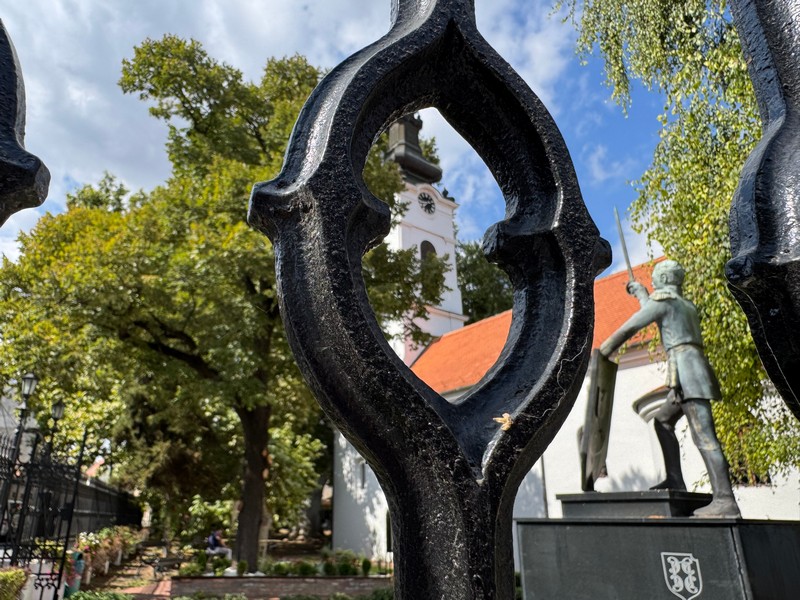
CHURCH OF ST. PETER AND ST. PAUL – Sremski Karlovci
The Lower Church is dedicated to the Holy Apostles Peter and Paul. It is first mentioned in a record dating from 1599, while the church...
Read more
-
THE HOUSE OF DIMITRIJE ANASTASIJEVIĆ SABOV – Sremski Karlovci
Dimitrije Anastasijević Sabov House in Sremski Karlovci was built in 1790. On August 13, 1791, Stefan Stratimirović arrived at the house with his entourage, where...
Read more
-
Udaljeno 423 m
CHURCH OF ST. PETER AND ST. PAUL – Sremski Karlovci
The Lower Church is dedicated to the Holy Apostles Peter and Paul. It is first mentioned in a record dating from 1599, while the church...
Read more
-
Udaljeno 46 m
WINERY ŽIVANOVIĆ – Sremski Karlovci
According to the recipes of their ancestors, the Živanović family even today makes well known, special sorts of wine, Ausbruh and Bermet, which have after...
Read more -
Udaljeno 151 m
THE WINERY DULKA – Sremski Karlovci
One of the famous Sremski Karlovci winegrowing families is family Dulka, which has this business since 1920, and “from knee to knee” it enlarges and...
Read more -
Udaljeno 174 m
WINERY “VINUM” – Sremski Karlovci
The slopes of Fruška Gora have always been famous for their grapevines, hard-working and persistent winegrowers, and equally famous and science cellar men. The tendency...
Read more -
Udaljeno 192 m
THE WINERY PROBUS – Sremski Karlovci
Sremski Karlovci is famous for vineyards and good wines for a long time. The generations in our family grew grapes and produce wine. The centuries...
Read more -
Udaljeno 237 m
THE WINE CELLAR PETROVIĆ – Sremski Karlovci
The winegrowing is the branch of agriculture which provides existence, but also the fame to people of Karlovci during many centuries. The wine also occupies...
Read more -
Udaljeno 289 m
THE WINERY KOSOVIĆ – Sremski Karlovci
The winery “Kosović“ is a family business which involves three generations. They own 3 ha of vineyards which are situated on the parts near Sremski...
Read more
-
Udaljeno 400 m
HOMELAND HOUSE – Sremski Karlovci
If you are curious tourists, researcher, artist, writer, lover of traditional culture you may visit the facilities of the Foundation of the TRADITIONAL HOUSE at...
Read more