
“GLAVAŠEVA KUĆA” MUSEUM – Novi Bečej
Vladimir Glavaš was born in 1834 into a wealthy family in Vranjevo. He became a noble and humane man of high moral character, supporting the Serbian national struggle in Austria-Hungary, acting as a benefactor, and becoming an honorary member of Matica Srpska. He completed his law studies in Prague but, due to his moral principles, chose not to practice law. Glavaš regularly visited the Orthodox church but also the Roman Catholic and Protestant churches, as well as the synagogue, nurturing his soul in this way. He is remembered as an eccentric who rarely received visitors. Since he never married, he had no descendants.
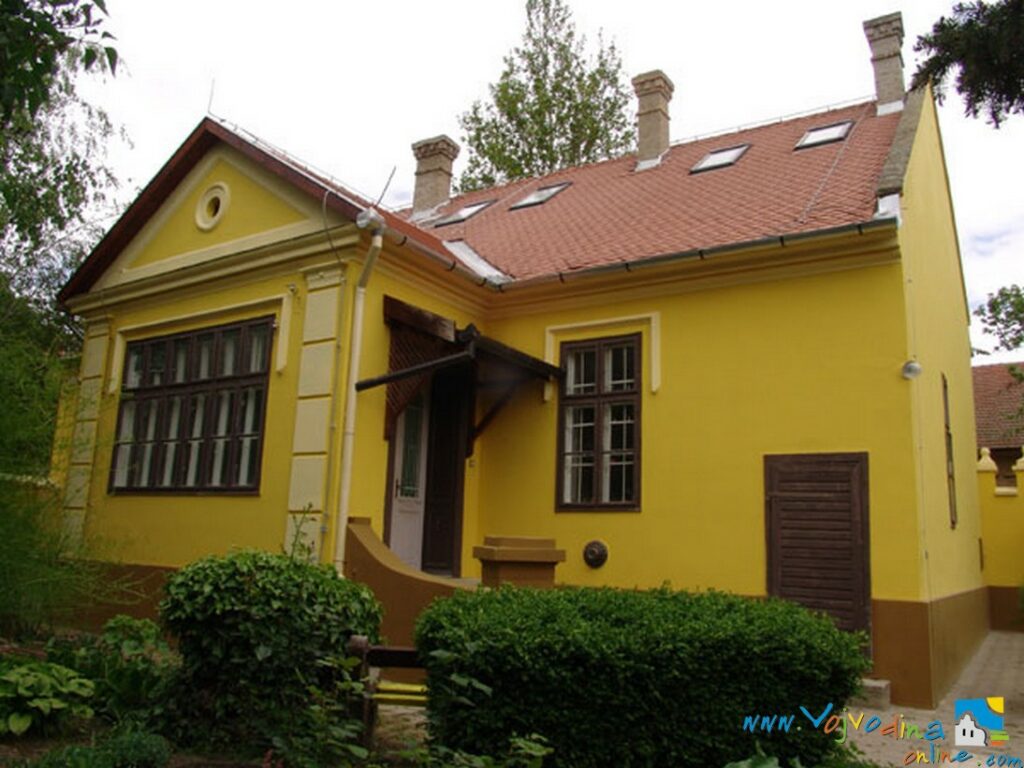
He bequeathed his house and the majority of his estate to the church, specifying that the house should be used as an office and council hall for the church parish, but never as a school, as he did not want “female children to reside in the house.” Glavaš House is protected by the state and is now managed by the municipality. After restoration work, on the centenary of Vladimir Glavaš’s death (February 16, 2009), the first museum in Novi Bečej was opened in this house.
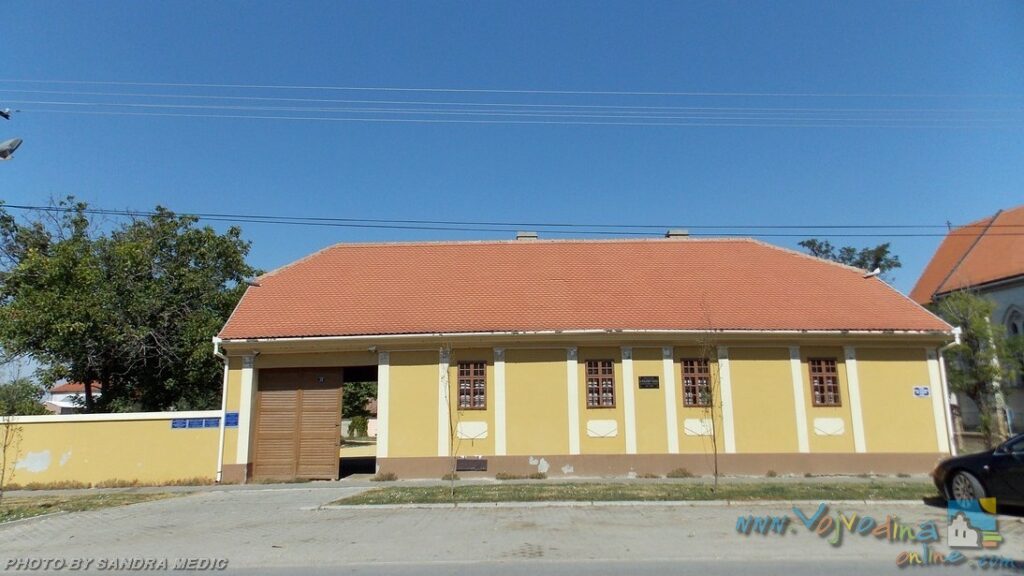
Visitors enter through large wooden gates along the main street of Vranjevo, Josif Marinković Street, stepping back into history. The house, built in the first half of the 19th century, exudes the scent of the past. The museum consists of several differently arranged rooms.
In the first larger room, visitors can see numerous old photographs, offering a glimpse into the life at the time. The images show Dr. Glavaš, other notable Vranjevo residents, clergy, and ordinary people.
Although the house of the famous composer Josif Marinković, a native of Vranjevo, has not been turned into a museum, one room in Glavaš House has been dedicated as Marinković’s memorial room. It is furnished with luxurious furniture and contains a harmonium, an instrument similar to a small organ. On the walls are framed, yellowed sheets with the musical notes of Marinković’s works, as well as a drawing by local artist Milorad Josimović, depicting a possible appearance of the composer’s birth house based on local stories. Visitors can also see an album with photographs of Josif Marinković and his family, along with several portraits. A 1910 invitation card is also on display, detailing the dress code for a ball attended by gentlemen and ladies.
The other rooms of the museum-house are carefully arranged in the style of the period. The wall painting matches the original from Glavaš’s time, showcasing remarkable craftsmanship. Portraits of the Glavaš family adorn the walls, and the furniture mirrors pieces used in the late 19th and early 20th centuries. Visitors can see an old stove, a vintage oven, two antique couches, a massive wall cupboard, a historic mirror, a piano, and small items that perfectly fit the house’s authentic atmosphere. These objects reflect the real lives of the wealthy residents of the past, offering a tangible connection to history.
From the courtyard, one can view the tower of the nearby Catholic church. There is also a smaller building in the yard that once housed Glavaš’s coachman. One room of this building now serves as a cooperage workshop, another as a barber’s room, and a third as a corner for the Local Club of Novi Bečej and Vranjevo residents, which also functions as a small gallery.
Entrance to the Vranjevo–Novi Bečej museum is free of charge.
Monday – Friday: 8:00 AM – 3:00 PM
Saturday: 9:00 AM – 2:00 PM
Sunday: Closed
Nearby attractions
-
 Udaljeno 147 m
THE CHURCH OF ST. JOHN THE PRECURSOR – Novi Bečej
It the former settlement Vranjevo, which is today part of Novi Bečej, was built at the beginning of XX century the church of St. Jovan...
Read more

-
Udaljeno 1.1 km
RESTAURANT “11 PLAVIH” – Novi Bečej
Dairy Restaurant “11 Plavih” is situated next to a beautiful part and surrounded with sixty-year old linden trees. It is only 50 m away from...
Read more -
Udaljeno 1.2 km
CONFECTIONARY “ŠEHEREZADA” – Novi Bečej
On the arrival of Isai Isa in Novi Becej in 1966, the development of a confectionery started. Due to its quality offer, the confectionery has...
Read more
-
 Udaljeno 1.0 km
“SLANO KOPOVO” SPECIAL NATURE RESERVE – Novi Bečej
Slano Kopovo is one of the last remaining preserved saline marshes in Vojvodina. It was designated a Special Nature Reserve in 2001. It is an...
Read more

-
Udaljeno 1.1 km
RESTAURANT “11 PLAVIH” – Novi Bečej
Dairy Restaurant “11 Plavih” is situated next to a beautiful part and surrounded with sixty-year old linden trees. It is only 50 m away from...
Read more
-
Udaljeno 1.1 km
RESTAURANT “11 PLAVIH” – Novi Bečej
Dairy Restaurant “11 Plavih” is situated next to a beautiful part and surrounded with sixty-year old linden trees. It is only 50 m away from...
Read more -
Udaljeno 1.2 km
CONFECTIONARY “ŠEHEREZADA” – Novi Bečej
On the arrival of Isai Isa in Novi Becej in 1966, the development of a confectionery started. Due to its quality offer, the confectionery has...
Read more
-
Udaljeno 1.0 km
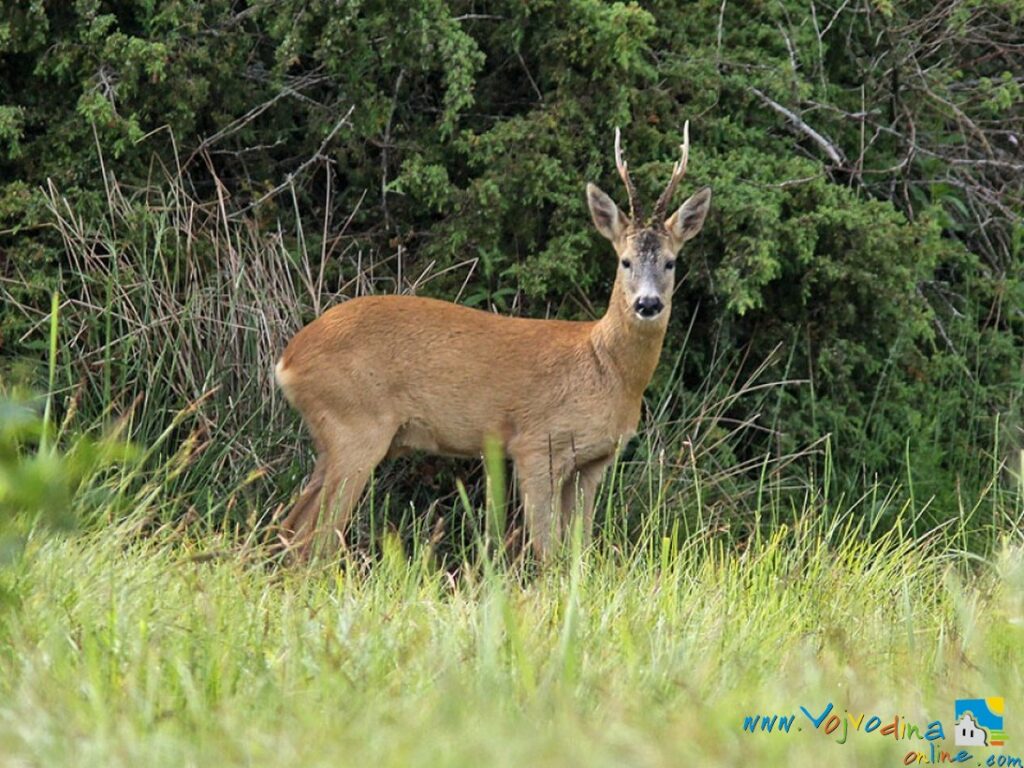
HUNTING GROUND “JARUGE” – Novi Bečej
The Hunting ground “Jaruge” (Loviste Jaruge) in Novi Bečej with the special nature reserve “Slano Kopovo” represents an imposing natural entirety. As the hunting area...
Read more
-
Udaljeno 1.0 km
“SLANO KOPOVO” SPECIAL NATURE RESERVE – Novi Bečej
Slano Kopovo is one of the last remaining preserved saline marshes in Vojvodina. It was designated a Special Nature Reserve in 2001. It is an...
Read more -
Udaljeno 1.0 km
HUNTING GROUND “JARUGE” – Novi Bečej
The Hunting ground “Jaruge” (Loviste Jaruge) in Novi Bečej with the special nature reserve “Slano Kopovo” represents an imposing natural entirety. As the hunting area...
Read more
-
“GLAVAŠEVA KUĆA” MUSEUM – Novi Bečej
Vladimir Glavaš was born in 1834 into a wealthy family in Vranjevo. He became a noble and humane man of high moral character, supporting the...
Read more -
Udaljeno 1.0 km
PUBLIC LIBRARY – Novi Bečej
The Public Library is located in Novi Bečej, a small town with 15,404 inhabitants. Of this population, 30% are of Hungarian nationality. This is an...
Read more -
Udaljeno 1.2 km
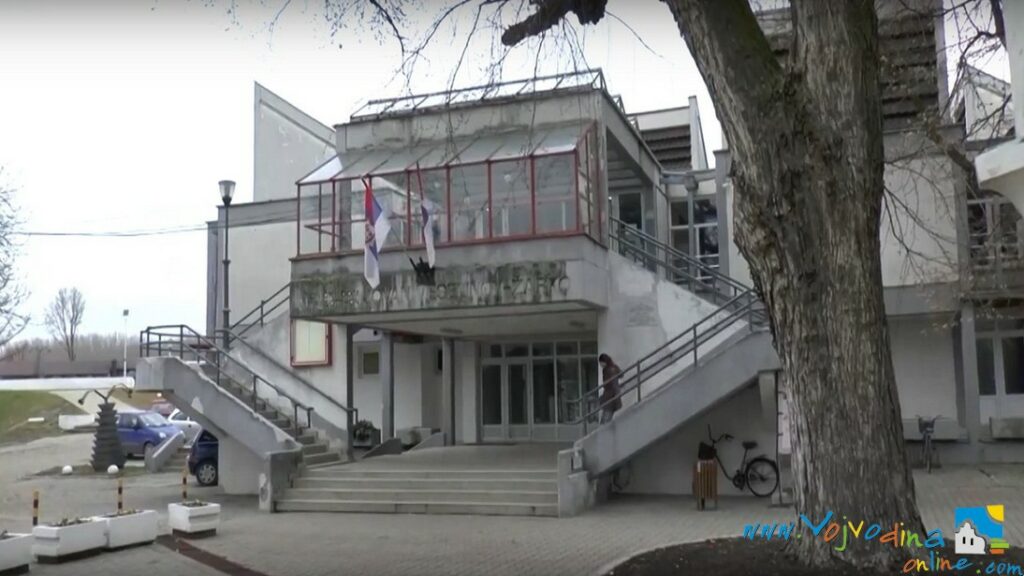
CULTURAL CENTER – Novi Bečej
The Municipality of Novi Bečej established the Workers’ Home “Jovan Veselinov Žarko,” which was built in 1976. In 2004, by merging the Cultural Center “Marija...
Read more -
MEMORIAL PLAQUES WITH THE LIST OF FALLEN NOVI BEČEJ RESIDENTS IN ALL LIBERATION WARS – Novi Bečej
On the building of the former Vojvodina cinema.
Read more
-
Udaljeno 1.0 km
“SLANO KOPOVO” SPECIAL NATURE RESERVE – Novi Bečej
Slano Kopovo is one of the last remaining preserved saline marshes in Vojvodina. It was designated a Special Nature Reserve in 2001. It is an...
Read more
-
Udaljeno 1.0 km
“SLANO KOPOVO” SPECIAL NATURE RESERVE – Novi Bečej
Slano Kopovo is one of the last remaining preserved saline marshes in Vojvodina. It was designated a Special Nature Reserve in 2001. It is an...
Read more
-
“GLAVAŠEVA KUĆA” MUSEUM – Novi Bečej
Vladimir Glavaš was born in 1834 into a wealthy family in Vranjevo. He became a noble and humane man of high moral character, supporting the...
Read more
-
Udaljeno 1.0 km
PUBLIC LIBRARY – Novi Bečej
The Public Library is located in Novi Bečej, a small town with 15,404 inhabitants. Of this population, 30% are of Hungarian nationality. This is an...
Read more
-
Udaljeno 147 m
THE CHURCH OF ST. JOHN THE PRECURSOR – Novi Bečej
It the former settlement Vranjevo, which is today part of Novi Bečej, was built at the beginning of XX century the church of St. Jovan...
Read more -
Udaljeno 1.0 km
PUBLIC LIBRARY – Novi Bečej
The Public Library is located in Novi Bečej, a small town with 15,404 inhabitants. Of this population, 30% are of Hungarian nationality. This is an...
Read more -
Udaljeno 1.0 km
“SLANO KOPOVO” SPECIAL NATURE RESERVE – Novi Bečej
Slano Kopovo is one of the last remaining preserved saline marshes in Vojvodina. It was designated a Special Nature Reserve in 2001. It is an...
Read more -
Udaljeno 1.1 km
RESTAURANT “11 PLAVIH” – Novi Bečej
Dairy Restaurant “11 Plavih” is situated next to a beautiful part and surrounded with sixty-year old linden trees. It is only 50 m away from...
Read more -
Udaljeno 1.2 km
CONFECTIONARY “ŠEHEREZADA” – Novi Bečej
On the arrival of Isai Isa in Novi Becej in 1966, the development of a confectionery started. Due to its quality offer, the confectionery has...
Read more
-
Udaljeno 1.2 km
CULTURAL CENTER – Novi Bečej
The Municipality of Novi Bečej established the Workers’ Home “Jovan Veselinov Žarko,” which was built in 1976. In 2004, by merging the Cultural Center “Marija...
Read more
-
Udaljeno 1.0 km
“SLANO KOPOVO” SPECIAL NATURE RESERVE – Novi Bečej
Slano Kopovo is one of the last remaining preserved saline marshes in Vojvodina. It was designated a Special Nature Reserve in 2001. It is an...
Read more -
Udaljeno 1.0 km
HUNTING GROUND “JARUGE” – Novi Bečej
The Hunting ground “Jaruge” (Loviste Jaruge) in Novi Bečej with the special nature reserve “Slano Kopovo” represents an imposing natural entirety. As the hunting area...
Read more
-
Udaljeno 147 m
THE CHURCH OF ST. JOHN THE PRECURSOR – Novi Bečej
It the former settlement Vranjevo, which is today part of Novi Bečej, was built at the beginning of XX century the church of St. Jovan...
Read more
-
MEMORIAL PLAQUES WITH THE LIST OF FALLEN NOVI BEČEJ RESIDENTS IN ALL LIBERATION WARS – Novi Bečej
On the building of the former Vojvodina cinema.
Read more