CITY MUSEUM – Sombor
The cultural climate of the Habsburg Monarchy in the second half of the 19th century had a positive impact on Sombor. Inspired by developed cultural centers and influenced by the intellectual circles of the Bač-Bodrog County, the first attempts at organized museology emerged. The Historical Society of Bač-Bodrog County was founded on May 11, 1883, by a group of intellectuals and enthusiasts who shared the idea of preserving their cultural heritage and leaving a legacy for future generations through both material and spiritual culture.
The Society’s secretary, Dr. Ede Margalič, already the following year, placed an advertisement in the county newspaper seeking donations for a future museum, which would consist of several collections. Within a short time, many items were collected, prompting the board, in January 1885, to approve the publication of a professional journal, the Yearbook. In 1887, the Society received its first dedicated room in the County building. Over time, with state subsidies, regular archaeological excavations began. The library and materials were organized and classified according to their respective departments. The first exhibition was held in 1901 in the premises of the Civic School. In addition to a rich numismatic and archaeological collection, in 1906 the Society incorporated ethnography, reflecting the diverse population of the region.
After World War I, the following collections existed: library – 2,352 books; archaeology – 16,222 items; applied arts – 685 items; ethnographic collection – 1,441 items; and natural history department – 529 items.
The postwar years brought administrative reorganization. Sombor, as a county center, lost its role with the formation of the Danube Banovina, headquartered in Novi Sad. After the dissolution of the Historical Society of Sombor in 1920, its assets were transferred in 1930 to the Historical Society of Novi Sad. Only after the reestablishment of the Historical Society of Sombor, led by Dr. Radivoje Simonović in 1936, were the assets returned and enriched with a valuable donation of Dr. Imre Frej’s collection and Dr. Ede Margalič’s personal library. With the outbreak of World War II, the Society declined and nearly disappeared, and the city assumed responsibility for the museum.
In 1945, the City Museum of Sombor was established in the former house of Julije Lederer, where it remains today, with Milan Konjović appointed as its director. With the legacy of Dr. Imre Frej in 1952, the museum became one of the richest in the fields of numismatics and archaeology, as well as a unique professional library. Following renovations, the museum became accessible to visitors, and the first guide, City Museum of Sombor 1961, was published. The launch of the cultural event Artistic Autumn marked this year as significant. In the following years, the museum’s activities expanded to include the protection of cultural monuments, establishment of a conservation workshop, regular thematic exhibitions, collaboration with domestic and international museums, the opening of the Battle of Batina Memorial Museum, and adaptation and expansion of exhibition space for permanent displays. In recent decades, collection, preservation, research, and exhibition activities have been focused on education and public engagement.
Today, the City Museum of Sombor, with its renovated and organized annex of the Battle of Batina Museum and the newly established Danube Swabians Museum annex, has grown into a cultural institution responsible for museum protection in the areas of Apatin, Odžaci, Kula, and Sombor. The museum is of a complex character, and its permanent exhibition follows a chronological path from the Neolithic period to the contemporary era through departments of archaeology with numismatics, history, ethnology, local heritage, the art department, and a contemporary art gallery. A conservation laboratory was established in 2018, and an educational service in 2019.
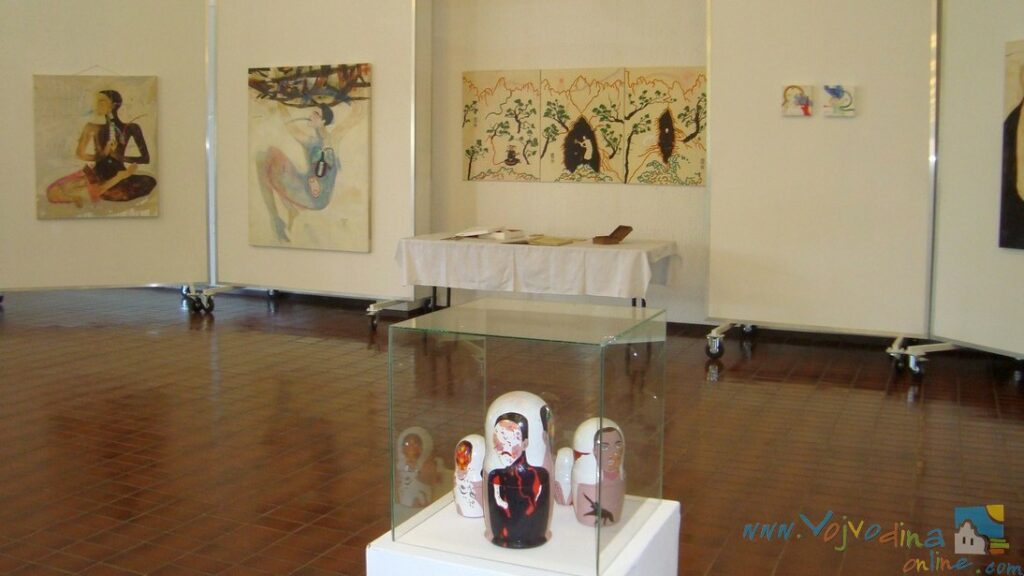
The museum currently holds around 40,000 objects, housed in the following collections: archaeological, numismatic, medieval, ethnographic, historical, art history, and contemporary art, which includes the Artistic Autumn collection featuring works by mid-20th-century painters such as Ivan Tabaković, Mića Popović, Vladimir Veličković, and numerous works by artists from Vojvodina. A monograph on the museum, Decades of Museological Activity, was published in 1996.
Opening Hours
Tuesday – Friday: 09:00 AM – 6:00 PM
Saturday: 09:00 AM – 1:00 PM
Sunday and Monday: Closed
Ticket Prices
Adults: 200 RSD
Students, pupils, and pensioners: 150 RSD
Combined ticket (City Museum and Danube Swabians Museum): 300 RSD
Combined ticket (City Museum, Danube Swabians Museum, and Battle of Batina Museum): 400 RSD
Атракције
-

МУХАЏИР ЏАМИЈА – Суботица
Мухаџир џамија је први исламски објекат који је изграђен у последња два века (2008. године) на магистралном путу који спаја Софију и Будимпешту. То је...
Прочитај више

-
РЕКА КАРАШ – Бела Црква
Караш (рум. Цараş) извире у Румунији и улива се у Канал ДТД (између Дупљаје и Гребенца), а затим њен даљи ток до Дунава користи садашњи...
Прочитај више -

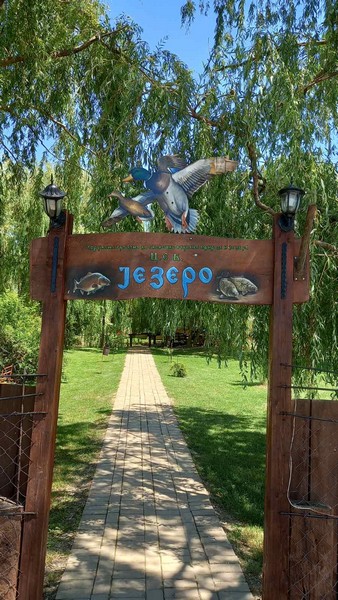
ЦРЕПАЈАЧКИ ЕКОЛОШКИ ВРТ „ЈЕЗЕРО“ – Црепаја
У срцу Баната, у селу Црепаја, налази се оаза мира и природе — Црепајачки еколошки врт „Језеро“, некадашња циглана, данас трансформисана у прелепо излетиште за...
Прочитај више -

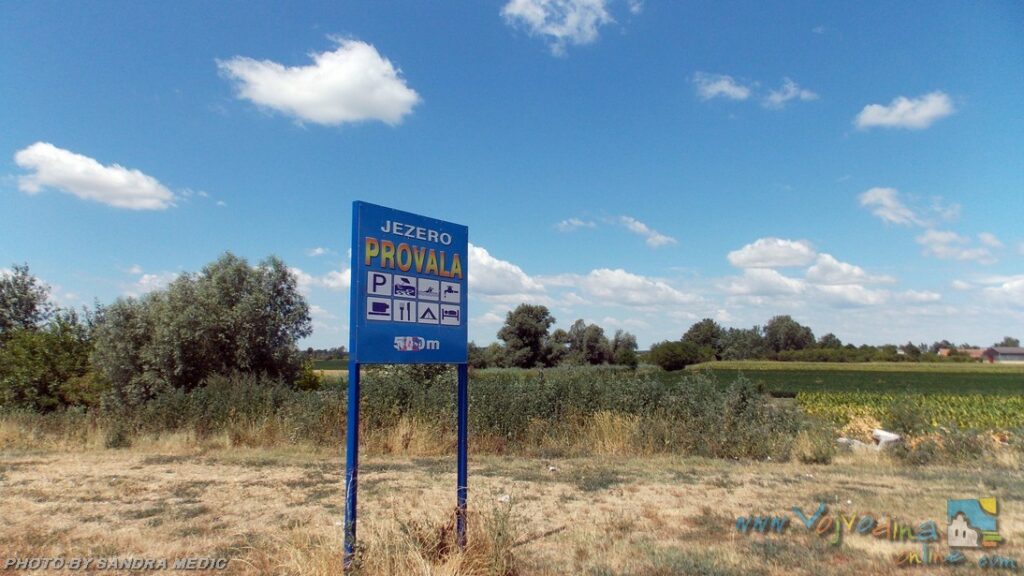
ЈЕЗЕРО ПРОВАЛА – Вајска
Удаљено 14 км од Бача и 1 км од насеља Вајска, језеро „Провала“, настало је као последица поплаве када је 1926. године Дунав провалио насип....
Прочитај више -
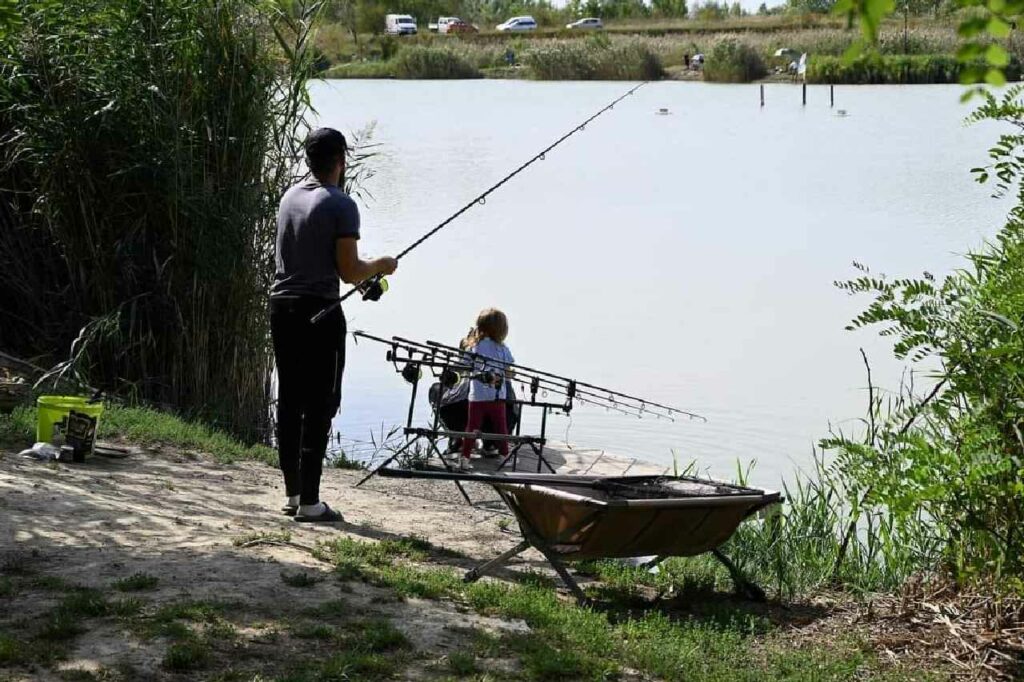
РИБЊАК ЈЕЗЕРО ЦИГЛАНА – ТЕМЕРИН
Jezero Ciglana nalazi se na izlazu iz Temerina na gospođinačkom putu. Jezero je poribljeno i posećuju ga kako šarandžije, tako i ljubitelji pecanja grabljivica u...
Прочитај више -

ЈЕЗЕРО МЕЂЕШ – Шатринци
Језеро је богато смуђем, бабушком, амуром, шараном и белом рибом. Позната дестинација за спортски риболов. Обале су понегде неприступачне. Језеро се налази на потоку Међаш...
Прочитај више -

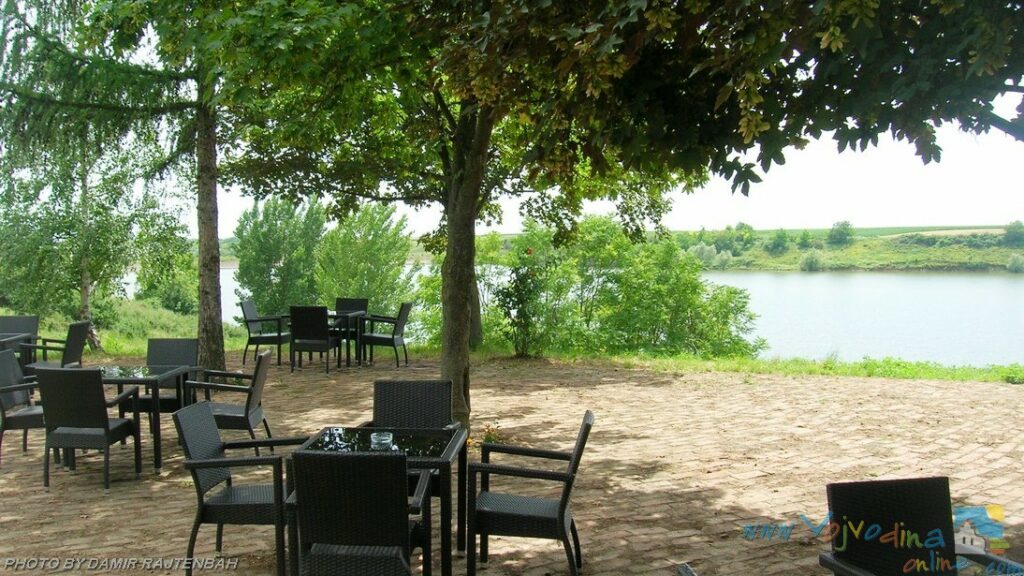
ТАМИШ КОД ОПОВА – ОПОВО
Омиљено место за пецање, где се свакодневно окупља велики број спортских риболоваца из оближњих градова и унутрашњости. Загарантован је богат и квалитетан улов рибе, опуштање...
Прочитај више
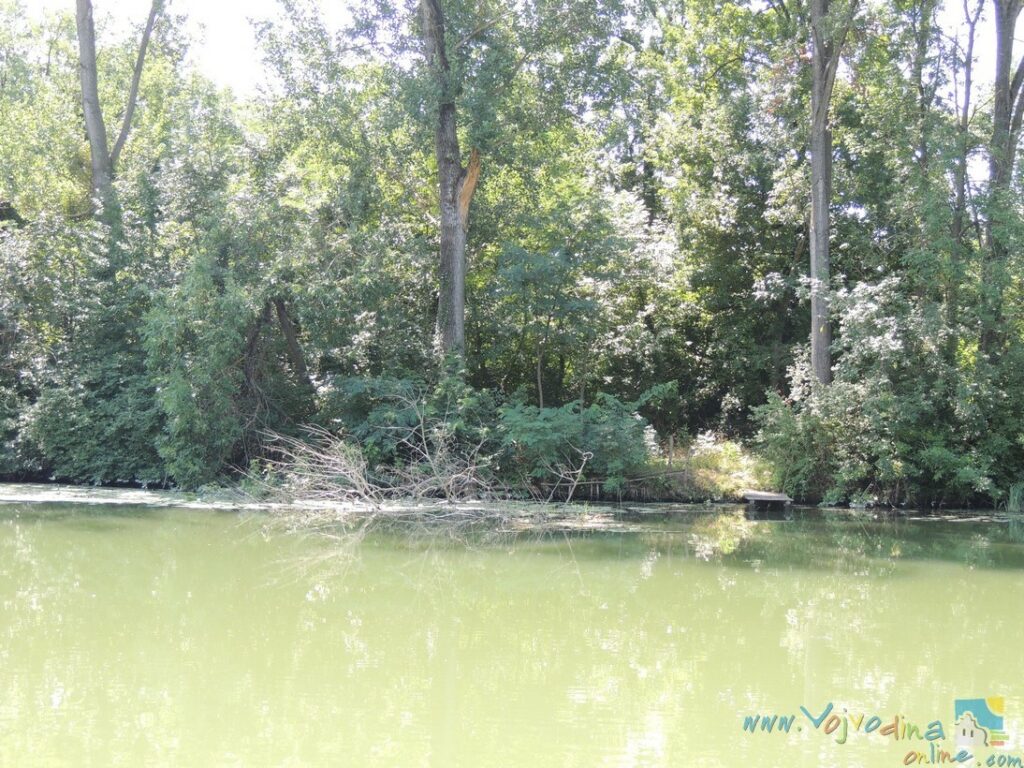
-
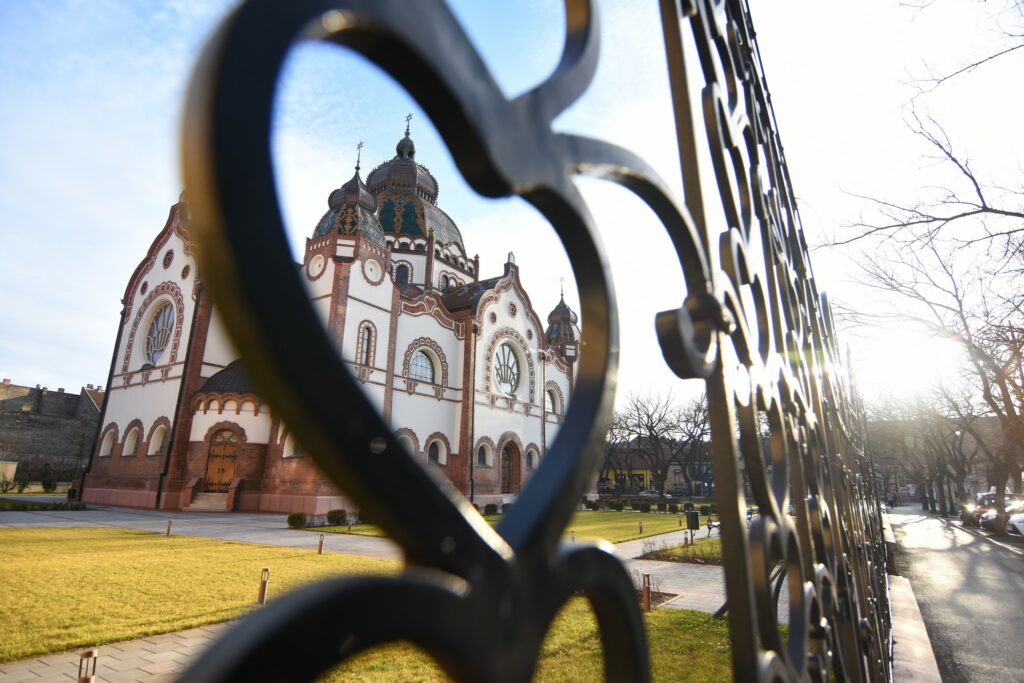
СИНАГОГА – Суботица
Синагога у Суботици је саграђена 1902. године у стилу сецесије. Синагога је 1974. проглашена за споменик културе од изузетног значаја. Грађена је по пројекту будимпештанских...
Прочитај више -
ПРАВОСЛАВНА ЦРКВА СВЕТОГ НИКОЛЕ – БАЧКО ПЕТРОВО СЕЛО
Овај храм посвећен празнику Преноса моштију св.Николе је подигнут између 1777. и 1780. године на месту старијег, који се у изворима помиње од почетка 17....
Прочитај више -
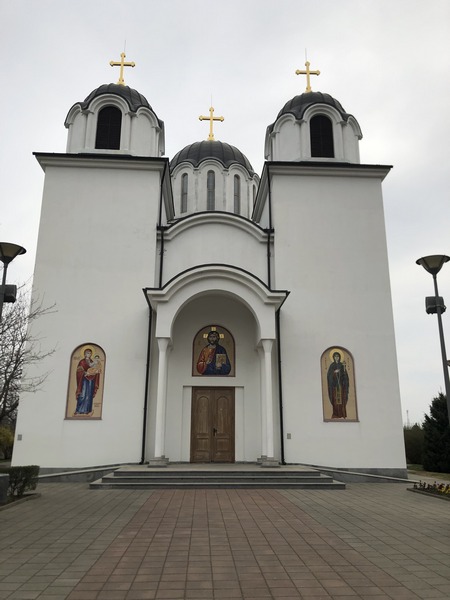
ХРАМ СВЕТЕ ПЕТКЕ – ПЕТРОВАРАДИН
Храм Св. Петке у Петроварадину је изграђен на раскрсници Рељковићеве улице и Прерадовићеве улице крајем 2003. и почетком 2004. године.
Прочитај више -
ЦРКВА СВЕТИХ АРХАНГЕЛА МИХАИЛА И ГАВРИЛА – БУЂАНОВЦИ
Храм Светом архангелу Гаврилу подигнут је 1763. године и освећен од митрополита Павла.
Прочитај више



-
ГРАДСКА КАПИЈА “ШИЉАК”
Сама кула / капија је у основи четвороугаона са опекама и са лучно обликованим отвором за капију. Изнад пролаза / капије очувана је...
Прочитај више
-

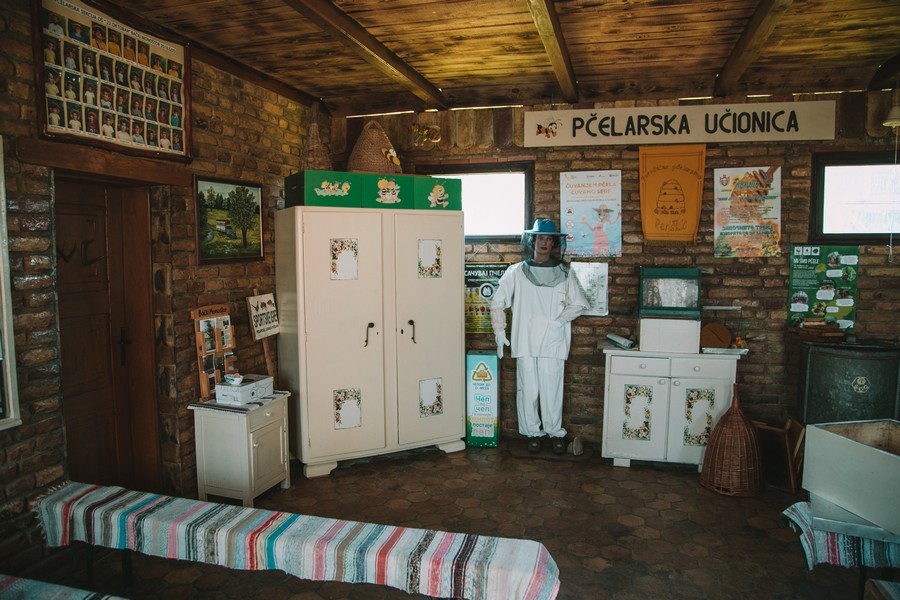
ПЧЕЛАРСКО ДОМАЋИНСТВО ПЕРИШКИЋ – Бачки Моноштор
Пчеларска учионица Перишкић у Бачком Моноштору пружа јединствену прилику да посетиоци упознају свет пчела, традиционално пчеларство и значај ових вредних инсеката за очување природе. Кроз...
Прочитај више -
ЈЕДНОДНЕВНИ ИЗЛЕТИ – ТАРАШ – ЕВРОПСКО СЕЛО РОДА
Тараш је најстарије село у Банату. Налази се на територији града Зрењанина. Од 2015. године проглашено је за европско село рода од стране немачке фондације...
Прочитај више -
ЕКО ТУРЕ СА УДРУЖЕЊЕМ ГЕОПАН НОВИ САД
Удружење ГеоПАН вам са поносом представља програм Еко ТОУР – аутентичан начин истраживања природних и културних богатстава Војводине кроз гео-туризам! Њихова мисија је да споје...
Прочитај више -

ПОСЕТЕ СПЕЦИЈАЛНИМ РЕЗЕРВАТИМА ПРИРОДЕ – ЈП ВОЈВОДИНАШУМЕ
Предлоге излета можете погледати овде.
Прочитај више -
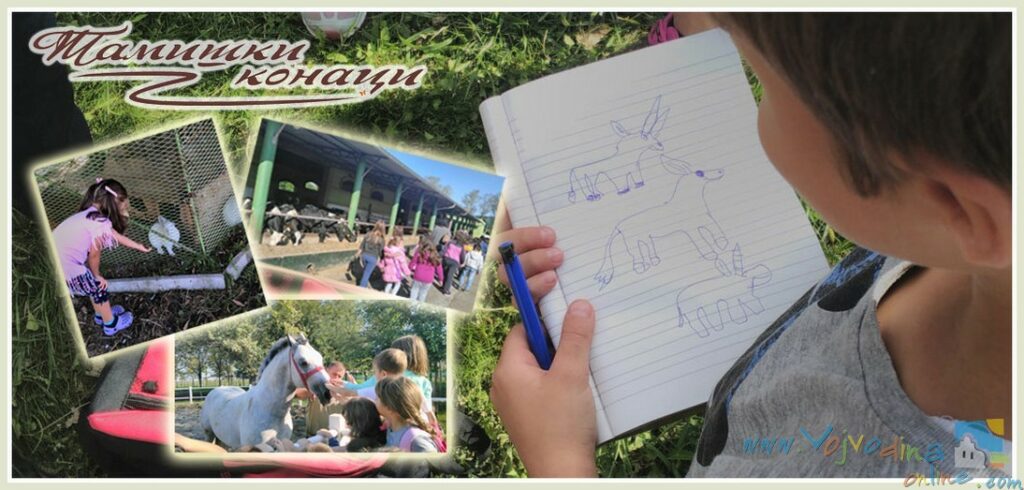
ФАРМА “СТАРИ ТАМИШ” И ЕДУКАТИВНИ ЦЕНТАР “ТАМИШКИ КОНАЦИ”
Недалеко од Панчева, на површини од 1000ха смештен је први едукативни центар у Србији, “Тамишки конаци”. Одмаралиште које, заједно са фармом “Стари Тамиш”, чини интересанту...
Прочитај више -
ПРОМОТИВНЕ ВОЖЊЕ КАТАМАРАНОМ ПО ТАМИШУ
Вожње се организују од среде до недеље у терминима од 14,16 и 18 сати.
Прочитај више


-
РЕКА НЕРА – Бела Црква
Нера (рум. Нера, мађ. Нéра) је река у области Баната, гранична река између Србије и Румуније, лева притока Дунава. Једина је планинска река у Војводини;...
Прочитај више -
РЕКА КАРАШ – Бела Црква
Караш (рум. Цараş) извире у Румунији и улива се у Канал ДТД (између Дупљаје и Гребенца), а затим њен даљи ток до Дунава користи садашњи...
Прочитај више -
ЈЕЗЕРО ПРОВАЛА – Вајска
Удаљено 14 км од Бача и 1 км од насеља Вајска, језеро „Провала“, настало је као последица поплаве када је 1926. године Дунав провалио насип....
Прочитај више -
РИБЊАК ЈЕЗЕРО ЦИГЛАНА – ТЕМЕРИН
Jezero Ciglana nalazi se na izlazu iz Temerina na gospođinačkom putu. Jezero je poribljeno i posećuju ga kako šarandžije, tako i ljubitelji pecanja grabljivica u...
Прочитај више -
ЧАРДА “БРУНАИ” – Купусина
Чарда „Брунаи“ налази се на Купусинском Дунавцу, између викенд насеља Вагони и Купусинске чарде. У својој понуди има велики избор речне и морске рибе, гирице,...
Прочитај више -
ЧАРДА “ШТУКА” – Купусина
Штука чарда представља бунгалов сомборског Удружења спортских риболоваца код Купусине, надомак Апатина. Чарда је идеална за све оне који желе да уживају у тишини и...
Прочитај више

-
СТАЛНА ПОСТАВКА ”СВЕДОК БРДО” – Тител
У згради из времена Шајкашког батаљона, на другом спрату, у хладовини фења, кроз поставку „Сведок брдо“, лагано шетате кроз миленијуме и откривате зашто је Тителски...
Прочитај више -
СВЕМИРСКИ МУЗЕЈ – ПЕТРОВАРАДИН
1. децембра 2023. године, на Петроварадинској тврђави почео је са радом први технички музеј у Новом Саду, који је уједно и први музеј у региону...
Прочитај више -
КУЋА ТАНОВИХ – БЕЧЕЈ
На почетку садашње улице Браће Тан 5-7, са њене десне стране, идући ка центру, налази се кућа Танових. У њој су рођена знаменита браћа Карољ...
Прочитај више -
ЕТНО МУЗЕЈСКА ПОСТАВКА ПОДУНАВСКИХ НЕМАЦА – Апатин
Овај сакрални објекат изграђен је у псеудороманичком стилу, у периоду 1931-1933. година, и представљао је највећу католичку цркву изграђену на подручју Бачке, између два Светска...
Прочитај више -
ШОКАЧКА КУЋА – Вајска
Смештена у малом месту по имену Вајска које припада општини Бач. Рестаурирана је и свечано отворена 14.07.2019. године. Отварањем ове куће испуњена је дугогодишња жеља...
Прочитај више -
ЗАВИЧАЈНИ МУЗЕЈ “ПРИГРЕВИЦА” – Пригревица
Завичајни музеј са експонатима из Лике и Баније, смештен је у просторијама Дома културе. Представља историјско, етнолошко и социолошко обележје материјалне и духовне културе крајишника....
Прочитај више


-
ПЕТРОВАРАДИНСКА ТВРЂАВА – Петроварадин
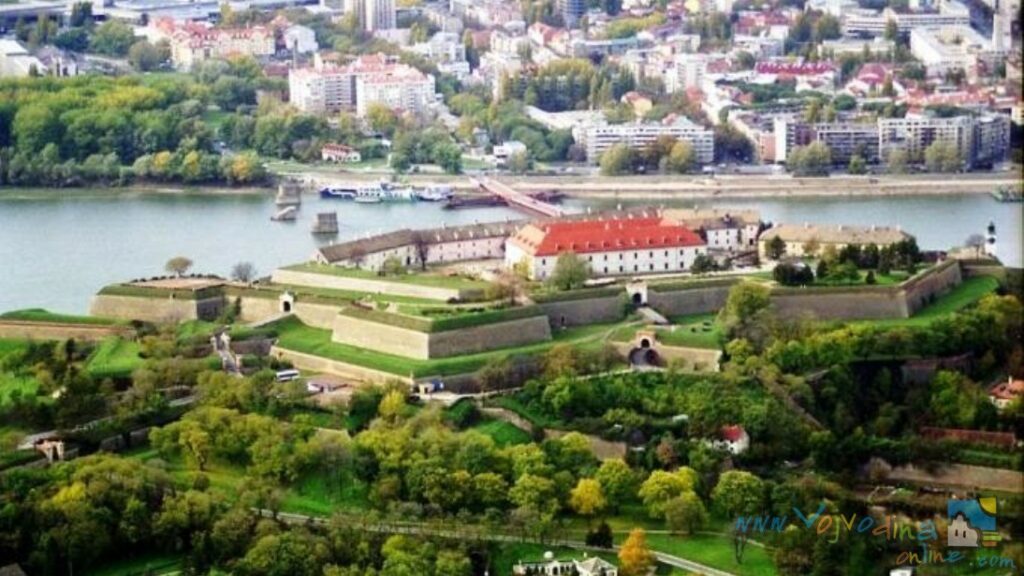
Петроварадинска тврђава, симбол града, или како је називају, Гибралтар на Дунаву, грађена је на десној обали Дунава од 1692. до 1780. године, по систему француског...
Прочитај више -
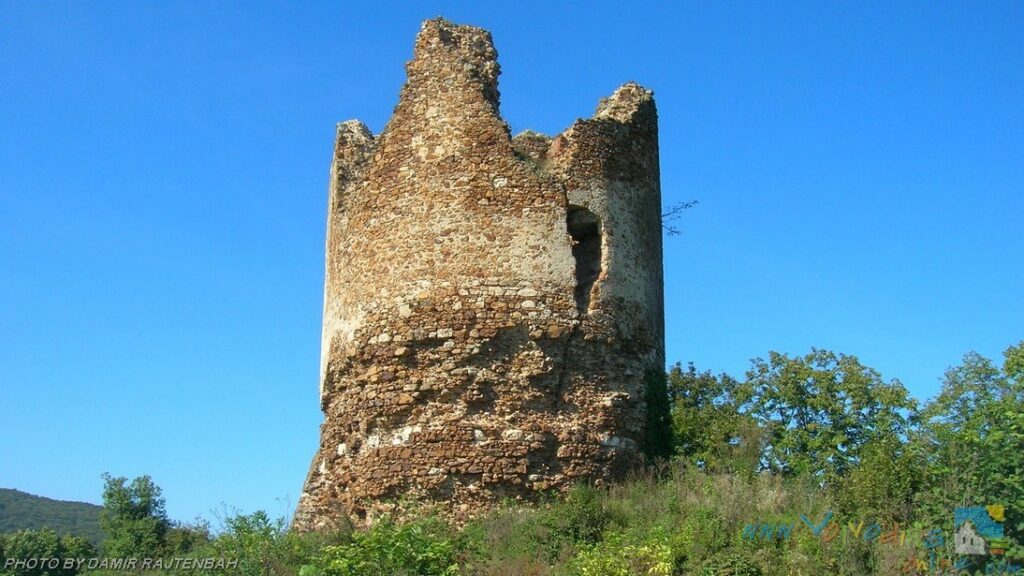
ВРДНИЧКА КУЛА – Врдник
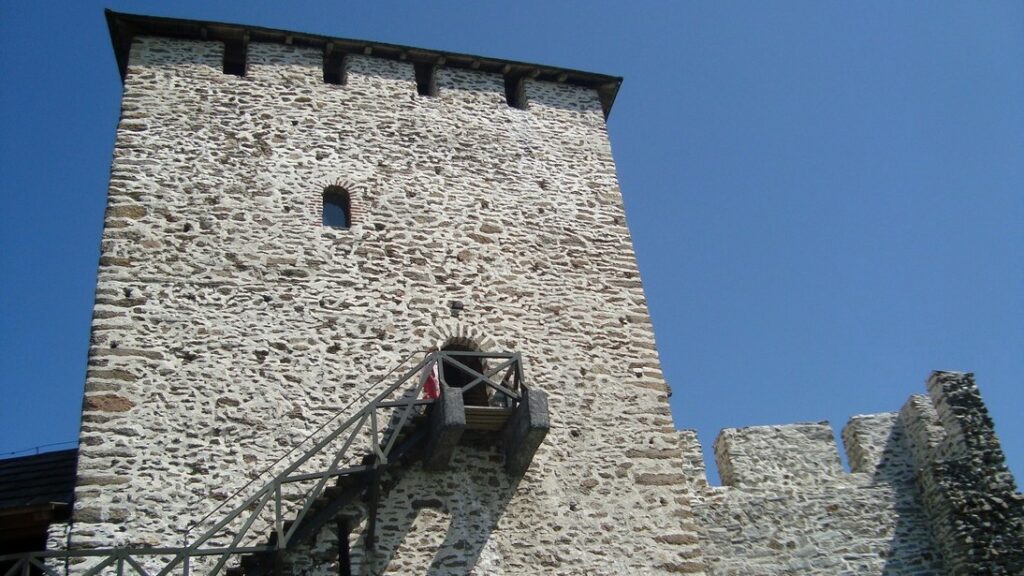
У средњем веку Врдник је имао тврђаву и варош. Према угарским и папским документима помиње се под именом Цастреллум Рендек или Рендек. Градски зид опасивао је...
Прочитај више -
ОСТАЦИ СРЕДЊОВЕКОВНЕ ТВРЂАВЕ – Нови Бечеј
Тиса као панонска лепотица кроз историју пружала је многе благодети и била велики изазов да се на њеним обалама формирају насеља и утврђени – контролисани...
Прочитај више -
ВРШАЧКА КУЛА – Вршац
Вршачка кула, симбол не само града већ и целе околине, сазидана је 1439 године и верује се да ју је подигао Ђурађ Смедеревац после пада...
Прочитај више
-

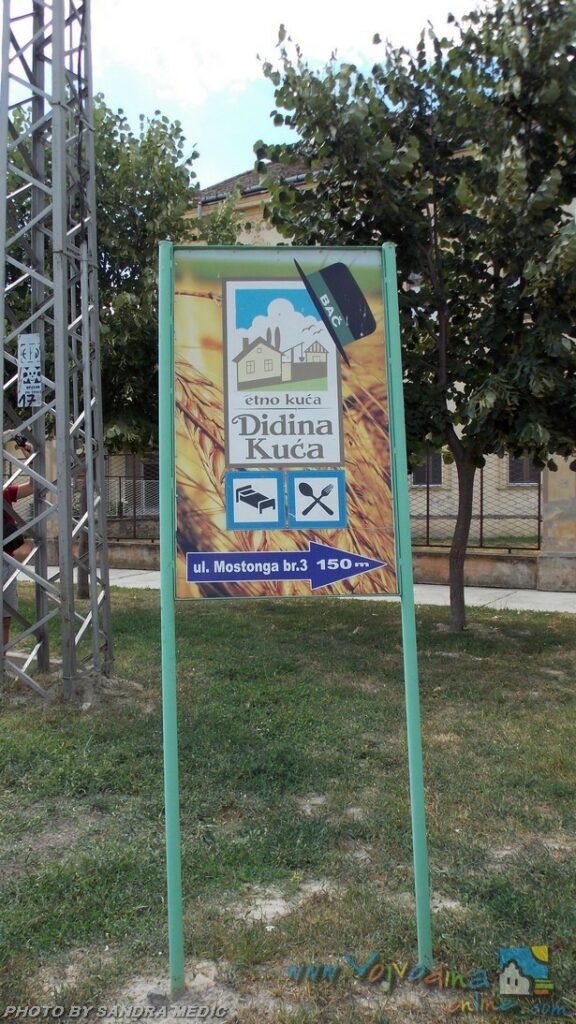
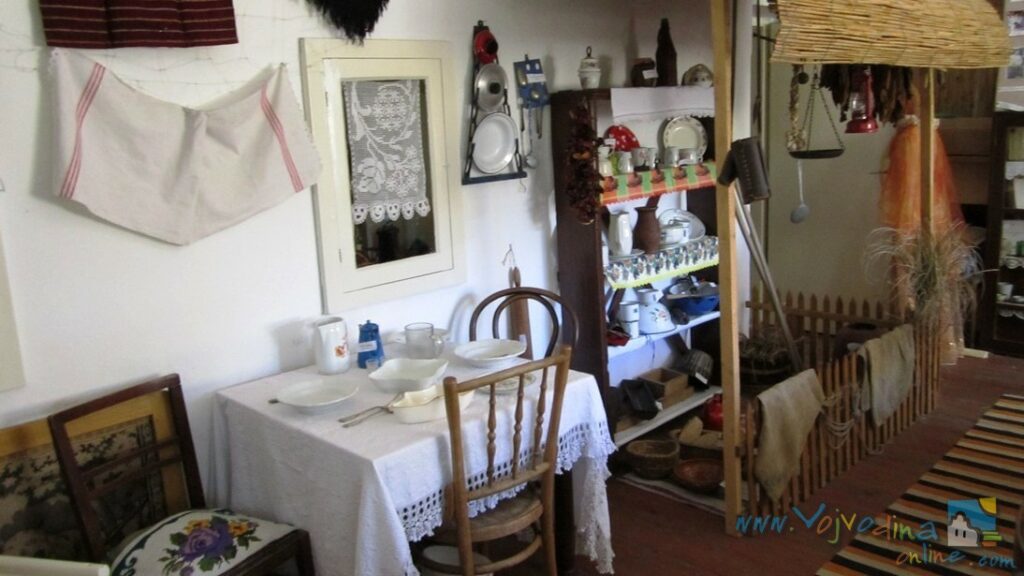
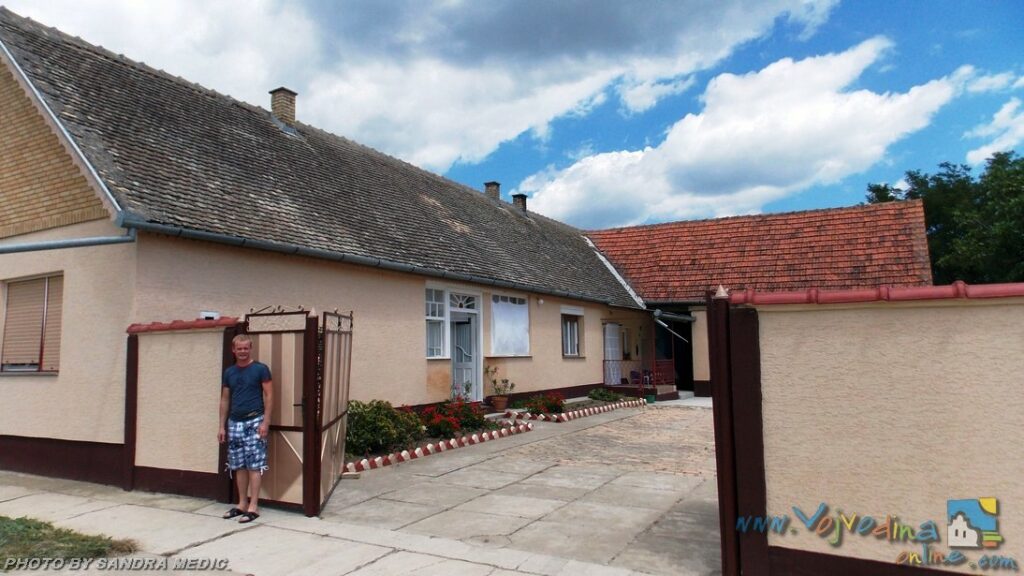
ЕТНО КУЋА “ДИДИНА КУЋА” – Бач
У древном Бачу, граду на Мостонги, богатом културно-историјским знаменитостима, налази се сеоско домаћинство „Дидина кућа“. Кућа је саграђена почетком 20.века, опремљена је и намештена покућством...
Прочитај више -
ЕТНО МУЗЕЈ “КОЛЕВКА БАЧКЕ” – БАЧ
Изложба старих предмета, ћилима, народних ношњи карактеристичних за ово подручје. Долазак је потребно најавити.
Прочитај више -
ЕТНО КУЋА ЈАН ЧАПЕЛА – Селенча
Саграђена давне 1914. године, данас претворена у словачку етно-кућу. Власник куће је Јан Чапеља, а саградио је његов прадеда. Собе су богато опремљене старим аутентичним...
Прочитај више -
ЕТНО КОМПЛЕКС “БАНАТСКА КУЋА” – ЖИТИШТЕ
„Банатска кућа“ је архитектонски слична аутохтоним банатским кућама, изгређена је пре 120 година и данас је у функцији културе и туризма. Претворена је у етно...
Прочитај више -
ЗАВИЧАЈНА КУЋА – Ада
Завичајна кућа приказује некадашњу животну форму наших очева и мајки. Гостима стоје на располагању разноврсни програми (свињокољ, вожња кочијом, јахање и спремање традиционалних јела), који ће им проведено...
Прочитај више -
ТРАДИЦИОНАЛНА ГРАЂАНСКА КУЋА “МАРГИТА” – Апатин
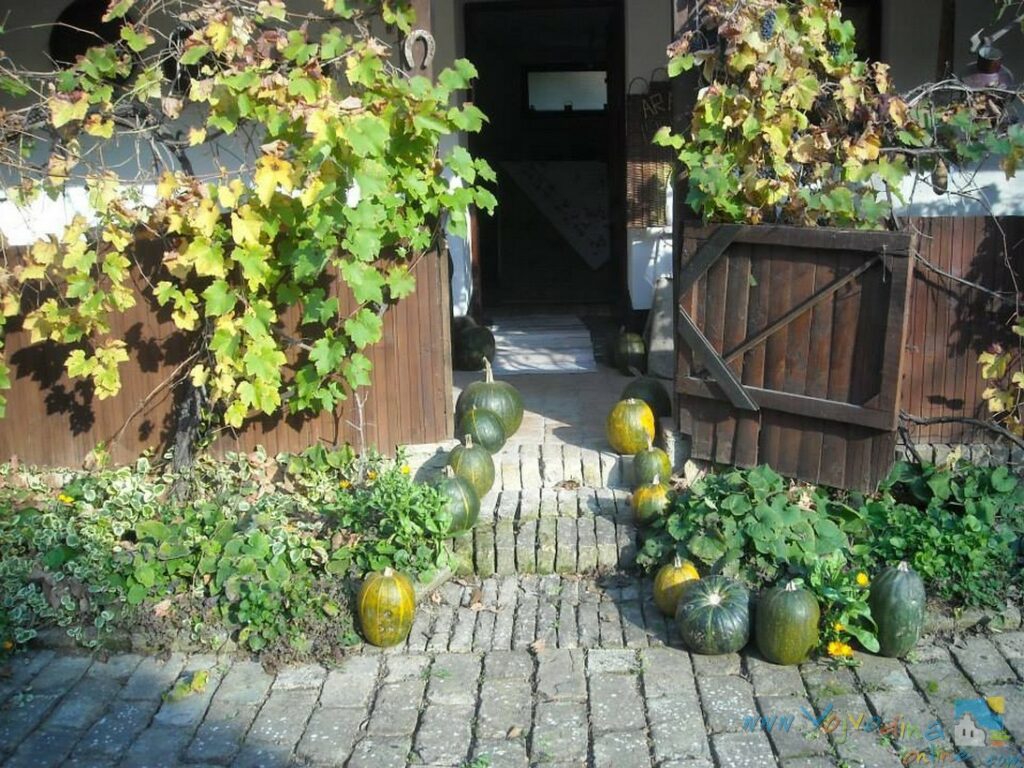
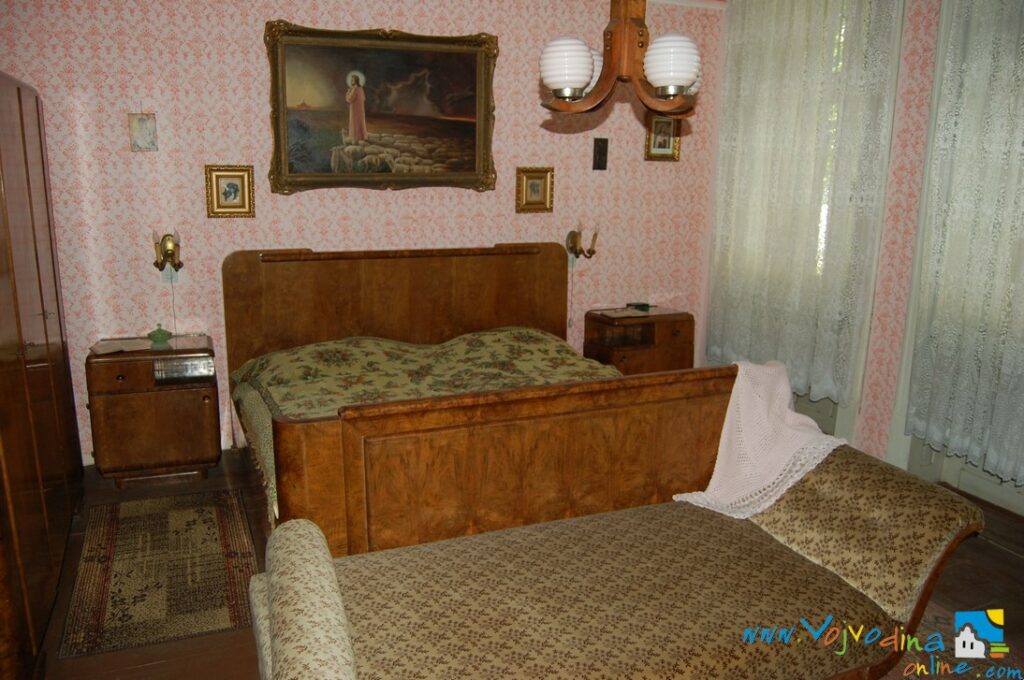
У Апатину се налази стара грађанска кућа која је грађена од 1927-1929 године. Сазидана је од чувене апатинске “клингер” цигле која је у то време...
Прочитај више

-
ФРУШКЕ ТЕРМЕ – Врдник
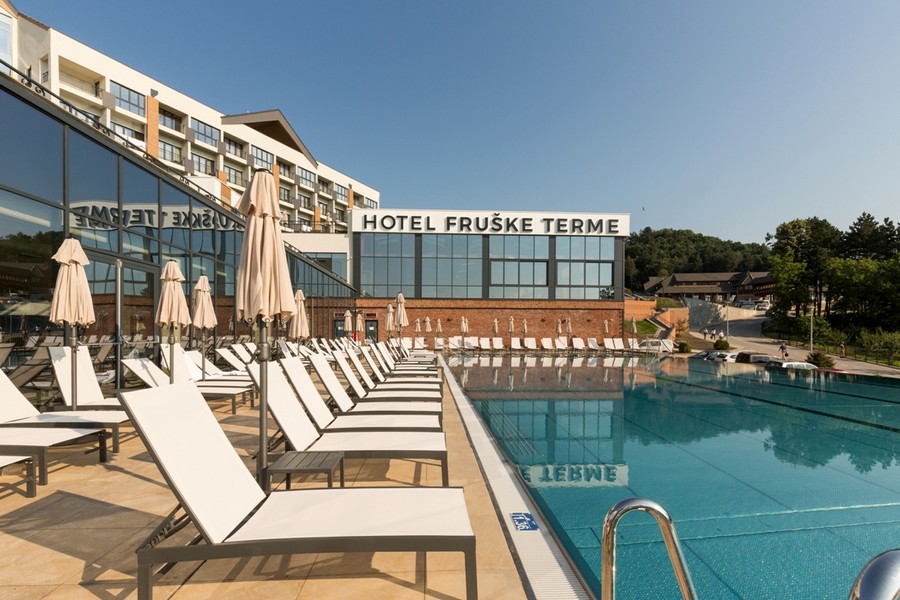
Луксузни хотелски комплекс на Фрушкој гори „Фрушке терме“ део је Promont Group d.o.o. који у оквиру свог пословања поседује огранке: хотел „Premier Aqua” (5*) и...
Прочитај више -
ТЕРМАЛНА БАЊА ПАЧИР – Пачир
Пачирска лековита вода извире на површину са 1400 метара дубине. На самом изворишту вода достиже температуру од скоро 72°C, а у кориту се охлади, те...
Прочитај више -
БАЊА ЈУНАКОВИЋ – Апатин
На крајњем северозападу Војводине, 4,5 километара удаљена од Апатина и Дунава, на самој ивици прелепе шуме налази се Бања Јунаковић.Иако су термални извори откривени још...
Прочитај више -
БАЊА КАЊИЖА – Кањижа
Бања “Кањижа” се током више од девет деценија, развила у савремени Завод за рехабилитацију. Пружа гостопримство онима, којима су потребни одмор, превентивни опоравак и медицинска...
Прочитај више -
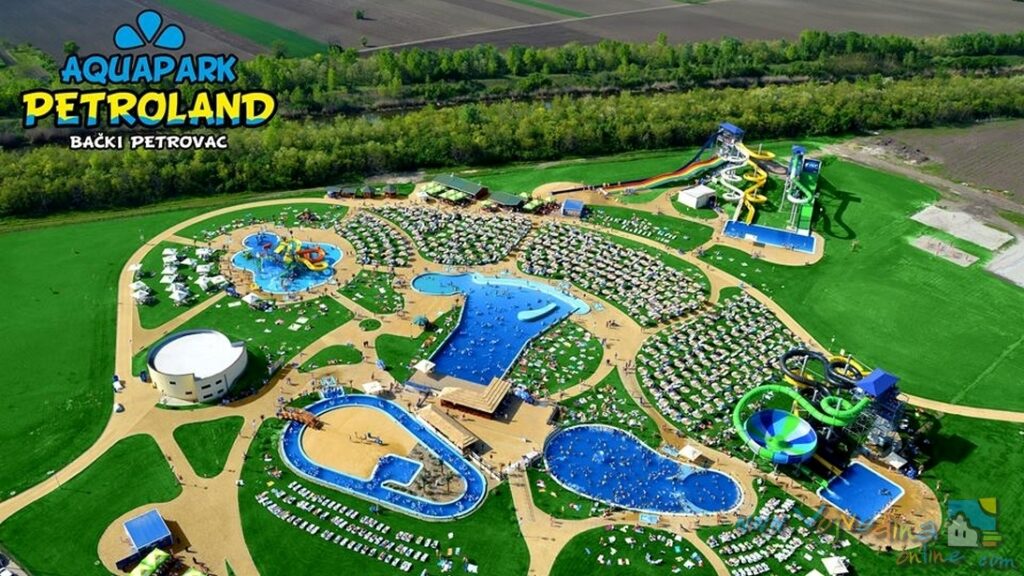
АКВАПАРК ПЕТРОЛАНД – Бачки Петровац
Аквапарк ПЕТРОЛАНД је највећа до сада изграђена туристичко-забавна атракција у Србији која се простире на 8 хектара. Налази се на територији општине Бачки Петровац, надомак...
Прочитај више -
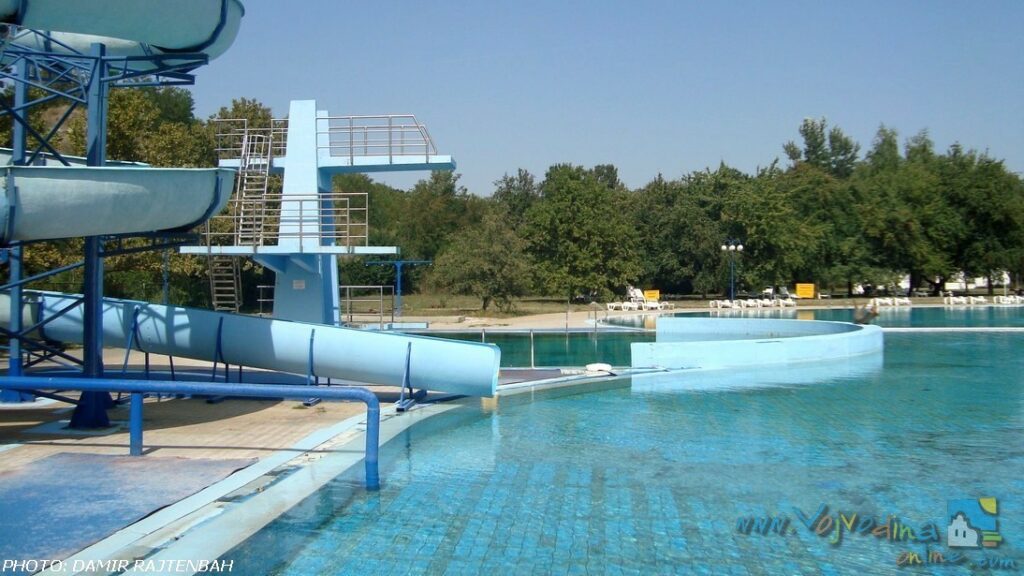
ЗАТВОРЕН БАЗЕН “СРЦ ПРОЗИВКА” – Суботица
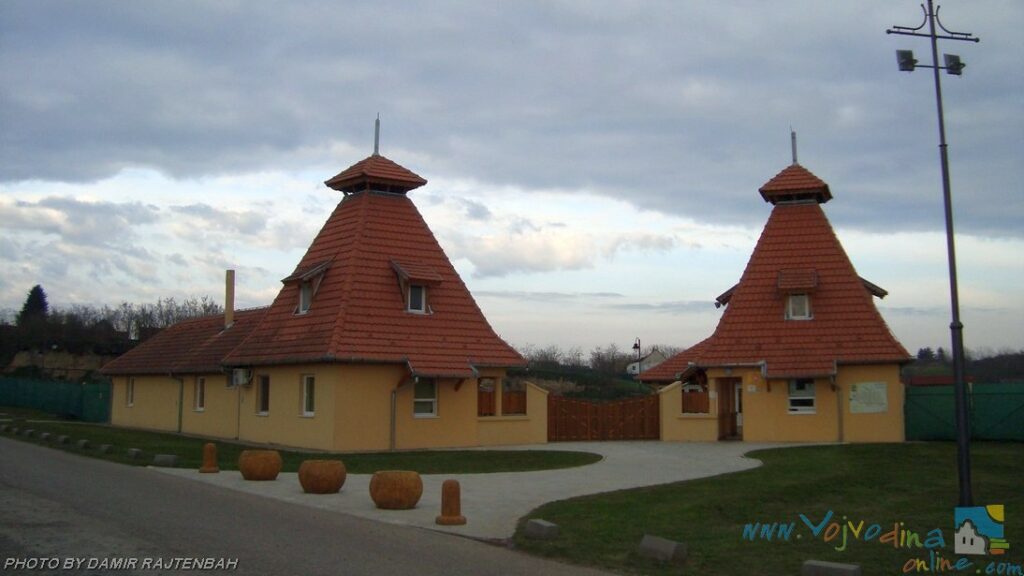
Постоје два базена у комплексу, већи (33x25x2 метара) и мањи (10x10x1,2 метара). Овде такође можете уживати и у велнес центру. Опустите се и пробајте једну...
Прочитај више

-
ЗАПЛОВИТЕ ШАЈКОМ И ДОЖИВИТЕ ЧАРОБНЕ ТРЕНУТКЕ НА ТАЛАСИМА ДУНАВА
Не пропустите обећавајуће искуство и у последњим данима лета запловите водама Дунава. Туристичка организација Ковина својом обогаћеном понудом омогућава Вам да искусите лепоте ове реке...
Прочитај више

-
СПОМЕНИК ПРИРОДЕ „СТАБЛА ХРАСТА ЛУЖЊАКА НА ПАЛИЋУ“ – Палић
Споменик природе „Стабла храста лужњака на Палићу“ је заштићено подручје III категорије које чини 31 вековно стабло у улицама Беле Бартока, Петефи Шандора и на...
Прочитај више -
ПАРК ПРИРОДЕ „ПАЛИЋ“ – Палић
Парк природе „Палић“ обухвата плитко низијско језеро Палић, Велики парк и истоимено насеље. Овај простор представља нераскидив спој богате природне баштине и вредног културно-историјског наслеђа...
Прочитај више -
СПОМЕНИК ПРИРОДЕ „БЕЛИ ДУД У БЕЛОМ БЛАТУ“
Споменик природе „Бели дуд у Белом Блату“ сврстава се у значајно природно добро, односно природно добро треће категорије. Стабло „Белог дуда у Белом Блату“ стављено...
Прочитај више -
СПОМЕНИК ПРИРОДЕ „ХРАСТ ЛУЖЊАК У ЗРЕЊАНИНУ“
Споменик природе „Храст Лужњак у Зрењанину“ сврстава се у значајно, природно добро треће категорије. Стабло храста лужњака стављено је под заштиту ради очувања једног од...
Прочитај више -
СПОМЕНИК ПРИРОДЕ „ЖУПАНИЈСКИ ПАРК У ЗРЕЊАНИНУ“
„Жупанијски парк у Зрењанину“ сврстава се у значајно природно добро, односно природно добро III категорије. Споменик природе „Жупанијски парк у Зрењанину“ ставља се под заштиту...
Прочитај више -
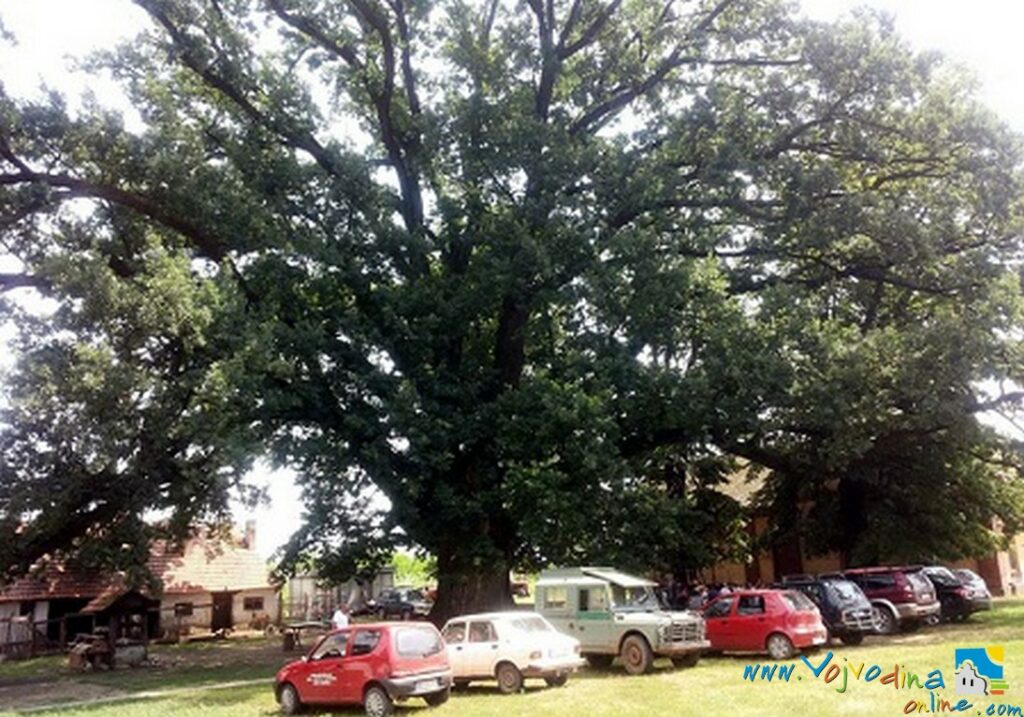
СПОМЕНИК ПРИРОДЕ СТАРИ ХРАСТ ЛУЖЊАК – Кумане
Споменик природе „Храст лужњак у дворишту црпне станице код Кумана“ налази се уз леву обалу реке Тисе у брањеном појасу, 20 м од насипа, а...
Прочитај више
-
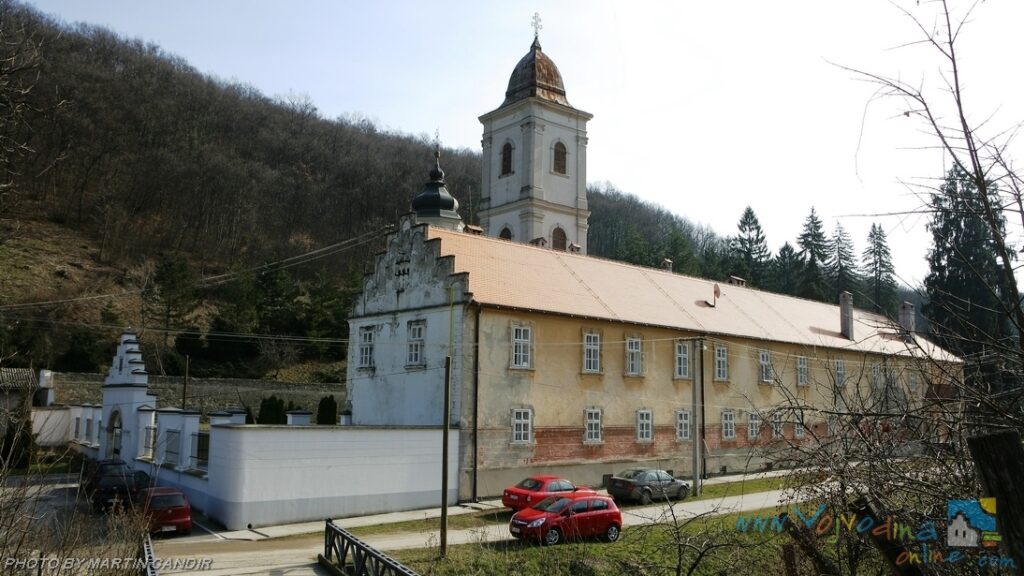
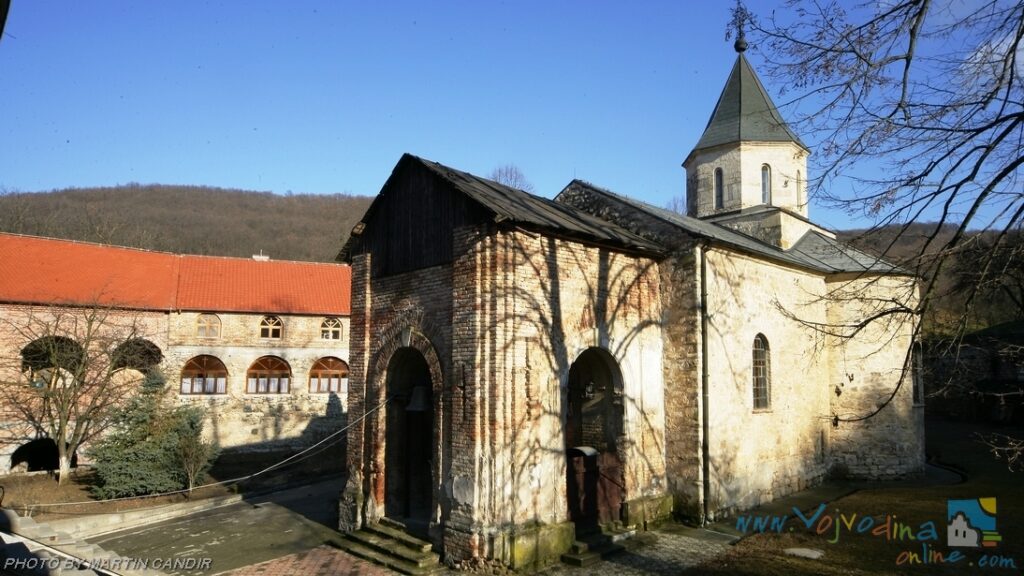
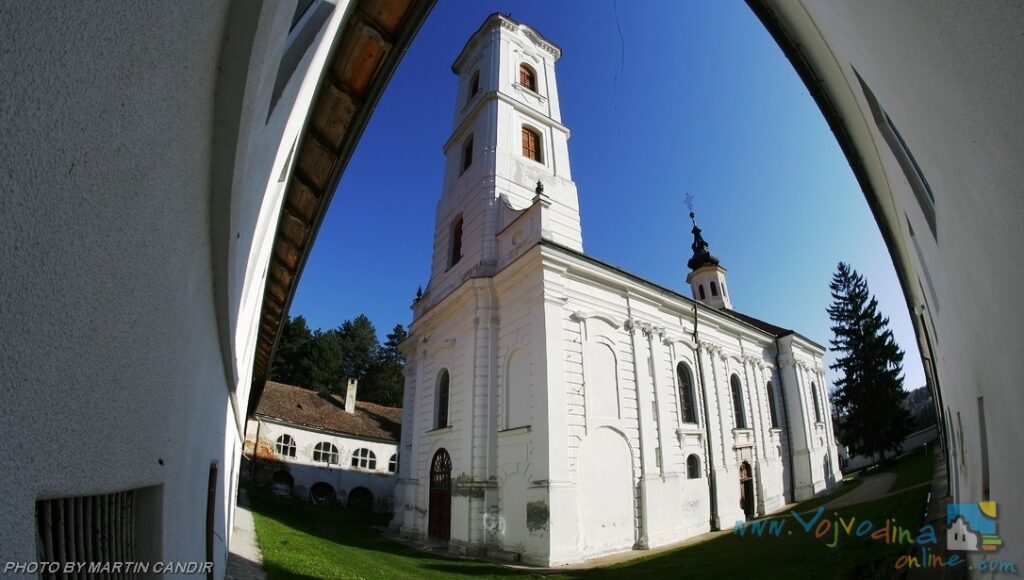
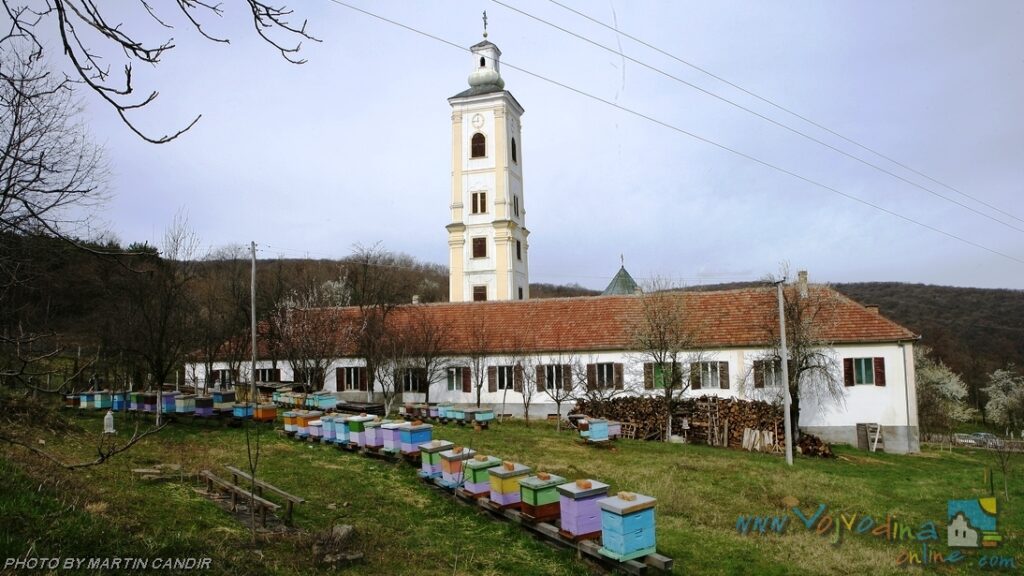
МАНАСТИР БЕОЧИН – Беочин
Манастир Беочин са манастирском црквом посвећеном празнику Вазнесења Христовог, налази се на ободу Фрушке Горе у истоименом месту. Припада Епархији сремској Српске православне цркве и...
Прочитај више -
МАНАСТИР РАКОВАЦ – Раковац
Манастир Раковац налази се на северним обронцима Фрушке горе, уз Раковачки поток на десетак километара од Новог Сада. Манастир Раковац се први пут помиње у...
Прочитај више -
МАНАСТИР РАВАНИЦА – Врдник
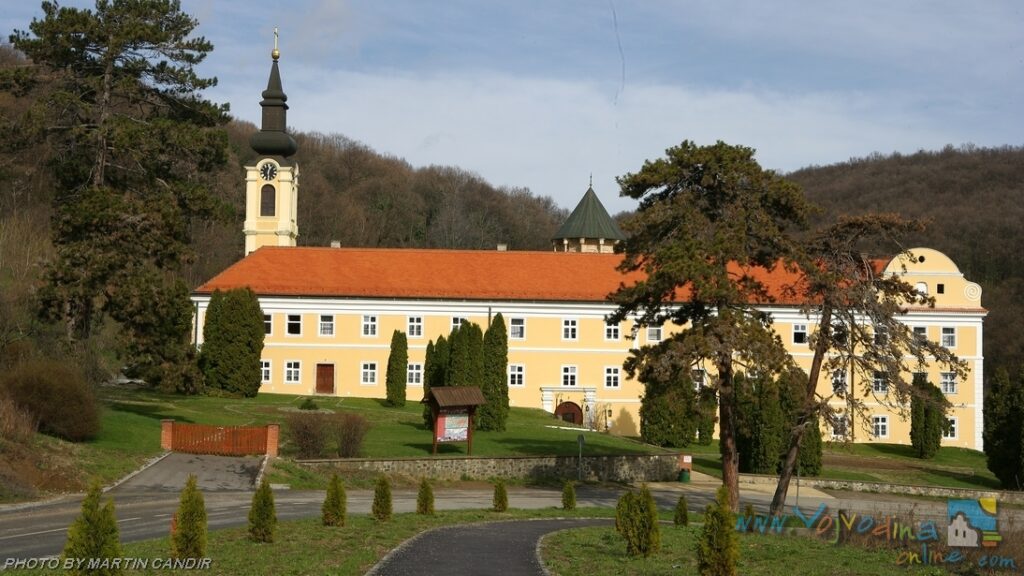
Манастир Раваница-Врдник са црквом, првобитно посвећеној светом Јовану Крститељу, данас Вазнесењу, спомиње се у документима 1566/69 године. После Велике сеобе, калуђери манастира Раваница из Србије...
Прочитај више -
МАНАСТИР ВЕЛИКА РЕМЕТА – Велика Ремета
МАНАСТИР ВЕЛИКА РЕМЕТА са црквом посвећеној св. Димитрију предање везује за краља Драгутина, али је вероватније да је настао крајем 15. или у првим деценијама...
Прочитај више -
МАНАСТИР СТАРО ХОПОВО – Ириг
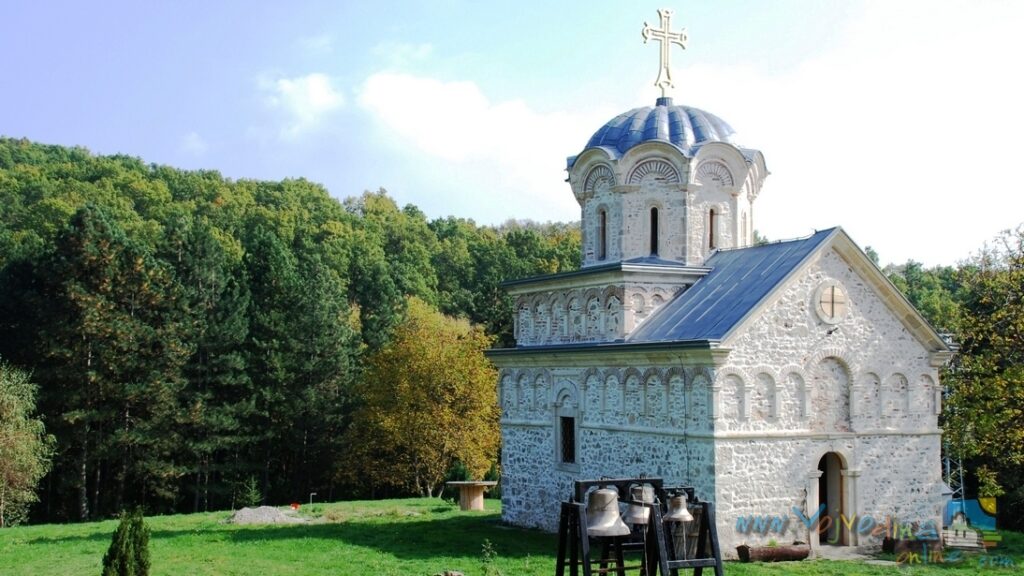
МАНАСТИР СТАРО ХОПОВО основао је, према предању, Ђорђе Бранковић. Поуздана сведочанства о манастиру потичу из 1745.-1746. године. На основу докумената из 1751. године види се...
Прочитај више -
МАНАСТИР НОВО ХОПОВО – Ириг
МАНАСТИР НОВО ХОПОВО, са црквом св. Николе по својој архитектонској вредности представља најзначајнију сакралну грађевину своје епохе на овим просторима. Први писани помен манастира је...
Прочитај више
-
ФРУШКЕ ТЕРМЕ – Врдник
Луксузни хотелски комплекс на Фрушкој гори „Фрушке терме“ део је Promont Group d.o.o. који у оквиру свог пословања поседује огранке: хотел „Premier Aqua” (5*) и...
Прочитај више -
ТЕРМАЛНА БАЊА ПАЧИР – Пачир
Пачирска лековита вода извире на површину са 1400 метара дубине. На самом изворишту вода достиже температуру од скоро 72°C, а у кориту се охлади, те...
Прочитај више -
БАЊА ЈУНАКОВИЋ – Апатин
На крајњем северозападу Војводине, 4,5 километара удаљена од Апатина и Дунава, на самој ивици прелепе шуме налази се Бања Јунаковић.Иако су термални извори откривени још...
Прочитај више -
БАЊА КАЊИЖА – Кањижа
Бања “Кањижа” се током више од девет деценија, развила у савремени Завод за рехабилитацију. Пружа гостопримство онима, којима су потребни одмор, превентивни опоравак и медицинска...
Прочитај више -
ТЕРМАЛНИ БАЗЕН – Палић
у близини Мушког штранда 50 метара од језера откривени термални базен тушеви/тоалети кабине за пресвлачење Вода је термална и лековита (натријум-хидрокарбонатно-јодно-сулфидна вода). Температура износи 36...
Прочитај више -
АКВАПАРК ПЕТРОЛАНД – Бачки Петровац
Аквапарк ПЕТРОЛАНД је највећа до сада изграђена туристичко-забавна атракција у Србији која се простире на 8 хектара. Налази се на територији општине Бачки Петровац, надомак...
Прочитај више
-
ЛОВАЧКА КУЋА – Плавна
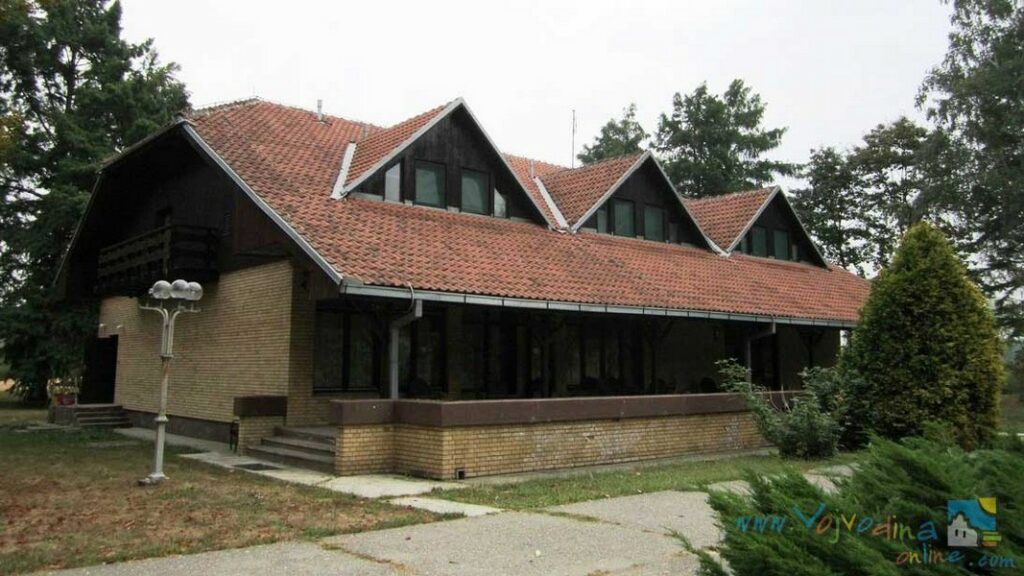
Поседује 11 двокреветних комфорних соба и апартман. Окружена је шумом и ловиштем које је богато различитим врстама дивљачи. Ловачка кућа има и конгресну салу са...
Прочитај више -

ЗОБНАТИЦА – Зобнатица
Зобнатица се налази 5 км северно од Бачке Тополе. То је туристички комплекс са дугом традицијом и разноврсном понудом атракција. Свакодневно пружа обиље идеалних садржаја...
Прочитај више -
ЛОВИШТЕ “СРЕМ – МАЧВА” – Сремска Митровица
Ловачко удружење “Сремска Митровица”, са седиштем у Сремској Митровици, газдује ловиштем “Срем-Мачва” укупне површине 68.866 ха, од чега ловне површине обухватају 58.602 ха. Удружење има...
Прочитај више -
ЛОВИШТЕ “СРПСКИ МИЛЕТИЋ” – СРПСКИ МИЛЕТИЋ
Ловиште “Српски Милетић” смештено је у оквирима истоименог рибњака и као такво веома је специфично у ловно–туристичкој понуди Оџака. Ловна дивљач су углавном дивље патке...
Прочитај више -
ЛОВИШТЕ ВАРОШКИ РИТ – Кикинда
Ловачко удружење “Кикинда” из Кикинде, газдује ловиштем “Варошки рит” укупне површине 30.529 ха, од чега ловне површине обухватају 25.000 ха. Ловиште је равничарског типа. Ловиште...
Прочитај више -
ХУБЕРТУС – Ада
Специјализовани објекат за ловни туризам са свим пратећим садржајима. Смештајни капацитет је 20 лежаја. У склопу објекта налази се ресторан капацитета 40 места, ловачка продавница,...
Прочитај више
-
ИСТОРИЈСКИ АРХИВ – Панчево
Историјски архив у Панчеву бави се заштитом покретних културних добара, прикупљањем, обрадом, сређивањем и чувањем истих, на територији града Панчева и општина Ковин, Алибунар, Опово...
Прочитај више -
АРХИВ ВОЈВОДИНЕ – Нови Сад
Архив Војводине основан је декретом Министарства унутрашњих послова Краљевине Срба, Хрвата и Словенаца од 5. августа 1926. године као Државна архива у Новом Саду, са...
Прочитај више -
ИСТОРИЈСКИ АРХИВ ГРАДА НОВОГ САДА – Петроварадин
Историјски архив у Новом Саду има статус међуопштинског архива и своју делатност врши на територији девет општина и то: Бачка Паланка, Бачки Петровац, Беочин, Жабаљ,...
Прочитај више -
ИСТОРИЈСКИ АРХИВ СУБОТИЦА – Суботица
У другој половини 19. века, са развојем историографије, као науке, у Суботици долази до схватања да су архиви незаобилазна налазишта валидних историјских извора. Пример за...
Прочитај више -
ИСТОРИЈСКИ АРХИВ “БЕЛА ЦРКВА” – Бела Црква
Радно време: Понедељак–петак: 06:30–14:30 Викендом: не ради.
Прочитај више -
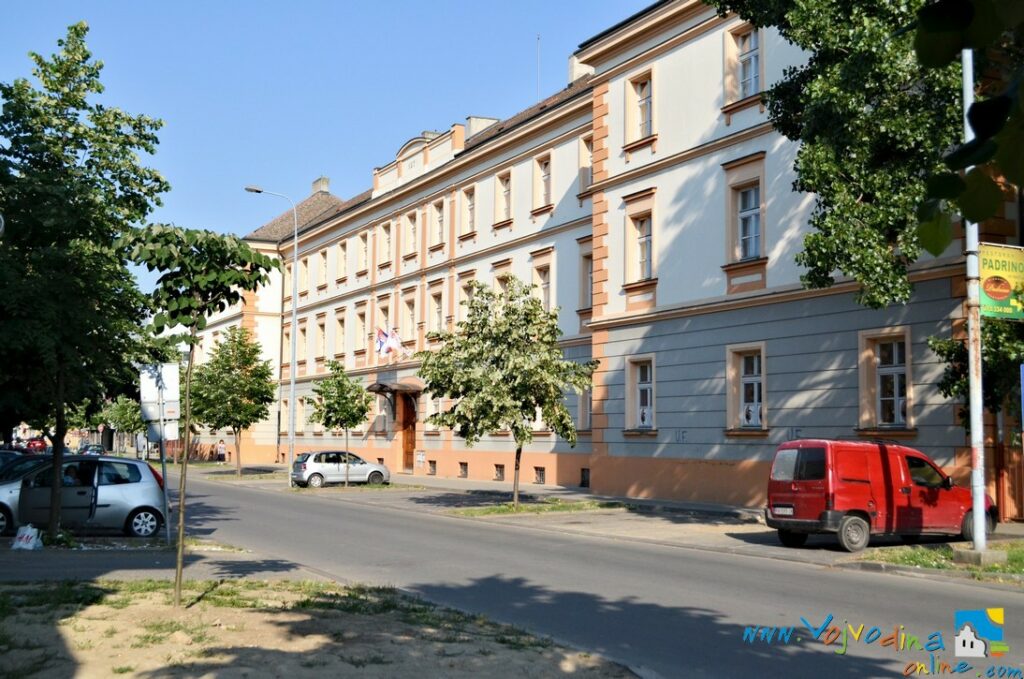
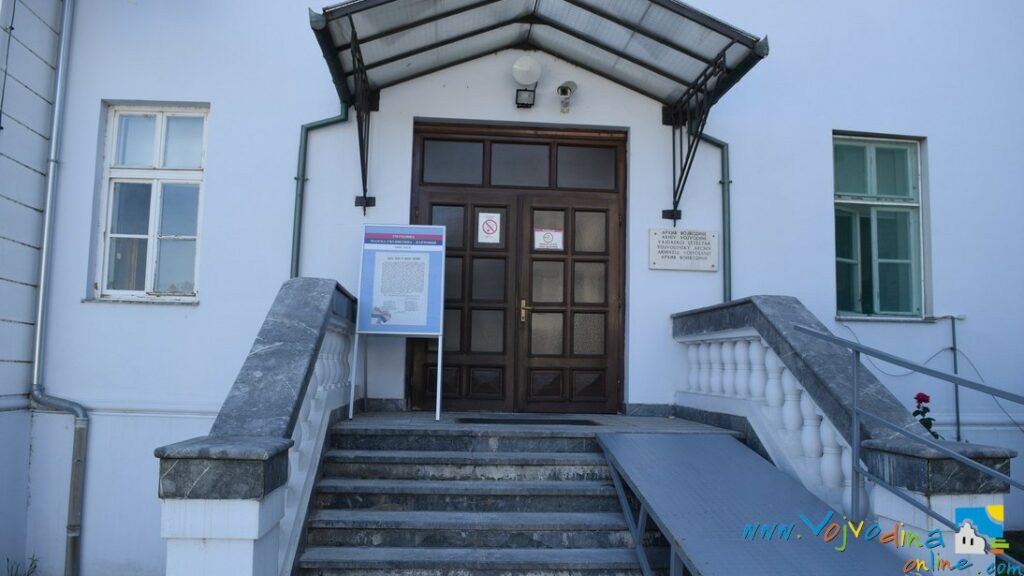
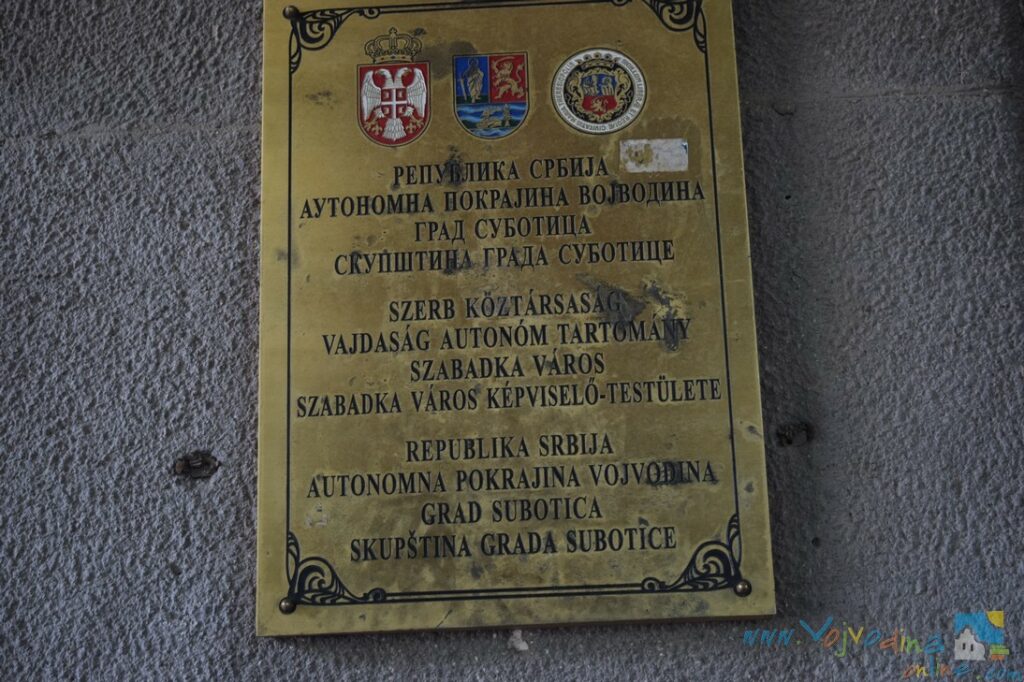
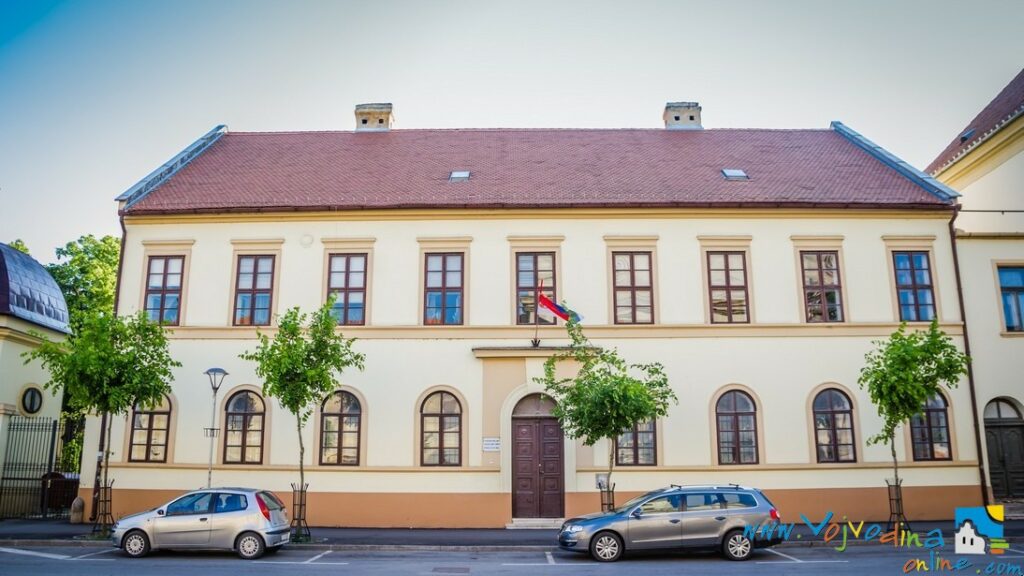
ИСТОРИЈСКИ АРХИВ “СОМБОР” (ПАШИНА КУЛА И КРУШПЕРОВА КУЋА) – Сомбор
Пашина кула је најстарије сачувано градско здање које потиче с краја 16. или с почетка 17. века. Претпоставља се да су Турци некадашњу цоборсенмихаљску тврђаву...
Прочитај више

-
ГАЛЕРИЈА-АТЕЉЕ БАКАЈИН – Сремски Карловци
Галерија-атеље Бакајин је смештена у малом градићу Сремски Карловци, центру сремске епархије, окруженом са око тринаестак фрушкогорских манастира. Дом је удружења ликовних уметника “Орфелин”. Чине...
Прочитај више -
ГАЛЕРИЈА “СЕЗАН АРТ” – Нови Сад
Радно време: Понедељак–петак: 10:00–13:00 и 16:00–20:00 Субота: 10:00–14:00 Недеља: не ради
Прочитај више -
ГАЛЕРИЈА “ЈОВАН ПОПОВИЋ” – Опово
Галерија “Јован Поповић” у Опову је специјализована установа где се одржавају изложбе различитог карактера, од музејских експоната до радова савремене уметности. Сваке године одржава се...
Прочитај више -
ЦЕНТАР ЗА КУЛТУРУ – Ковин
Центар за културу је центар културних догађања општине Ковин. Једина смо Установа на територији јужног Баната која у оквиру свог програма обједињује професионалне и аматерске...
Прочитај више -
КУЛТУРНИ ЦЕНТАР – Кула
У оквиру културног центра, ради и аматерско позориште и фолклорна и ликовна секција. Радно време: радним данима од 07:00 до 15:00
Прочитај више

-
САЛАШ СТАНКОВИЋ – Сечањ
Салаш Станковић је идеално место за породични ручак, викенд одмор или славље у природи. Посебно се издваја по сопственој фарми црног ангуса – врхунске пасмине...
Прочитај више -

САЛАШ АНТЕРО – ТЕМЕРИН
Салаш Антеро је породични салаш стар преко 60 година. Салаш ради као туристиĉко место 11 година. Налази се у темеринском атару у живописном окружењу, близу...
Прочитај више -
САЛАШ “СЕДАМ ДУДОВА” – СОМБОР
Салаш се налази у насељу Буковац, а назив је добио по седам дудова који красе салаш. Овде можете, како уосталом и доликује једном салашу, да...
Прочитај више -
НАНАНИН САЛАШ – БЕЗДАН
Нананин салаш настао је 2011. године, када су брачни пар Бероња Блаженка и Горан одлучили да градски живот замене животом у природи, на селу. Салаш...
Прочитај више -
НАШ САЛАШ – СОМБОР
На Нашем салашу, традиција није само реч – то је начин живота. Посвећеност очувању културе и обичаја Војводине огледа се у сваком детаљу – од...
Прочитај више -
ПИВЧИЈИ САЛАШ – БИКОВО
Недалеко од Суботице, налази се Биково, место у ком је млади суботачин започео свој посао и тиме показао да се уз пуно труда и воље...
Прочитај више



-
КУЋА ДИМИТРИЈА АНАСТАСИЈЕВИЋА САБОВА – Сремски Карловци
Кућа Димитрија Анастасијевића Сабова у Сремским Карловцима саграђена је 1790. године. Тринаестог августа 1791. Стефан Стратимировић дошао је са пратњом у ту кућу, где га...
Прочитај више -

ФОНТАНА КАМЕНИ ЦВЕТ – Сремска Митровица
Јужно од Трга Ћире Милекића пружа се Градски парк, који је у време Војне границе служио као вежбалиште Петроварадинског пука, егзерцириште и као Параденплатз. Претпоставља...
Прочитај више


-
ПРЕДЕО ИЗУЗЕТНИХ ОДЛИКА „КАЊИШКИ ЈАРАШИ“ – Суботица
Предео изузетних одлика „Кањишки јараши“ смештен је на крајњем северу Војводине, у североисточном делу Бачке, на територији општине Кањижа. Ово заштићено подручје II категорије простире...
Прочитај више -
ПРЕДЕО ИЗУЗЕТНИХ ОДЛИКА КАРАШ-НЕРА – Бела Црква
Скупштина АП Војводине је на скупштинској седници 8. априла 2015. године, донела одлуку о заштити Предела изузетних одлика „Караш-Нера“. Реч је пределу површине од 1.541...
Прочитај више -

ПРЕДЕО ИЗУЗЕТНИХ ОДЛИКА „СУБОТИЧКА ПЕШЧАРА“ – Суботица
Предео изузетних одлика „Суботичка пешчара“ простире се уз саму границу са Мађарском. Ово специфично подручје има карактер шумо-степе, где мозаик пешчарских, степских и мочварних станишта...
Прочитај више -

ЛЕСНИ ПРОФИЛ – Стари Сланкамен
Лесни профил у Старом Сланкамену представља, најкомплетније геонаслеђе лесних седимента у Европи стари око 800.000 година. У њима се чува тајна леденог доба, а пуних...
Прочитај више
-
ПАРАГЛАЈДИНГ – СОМБОР
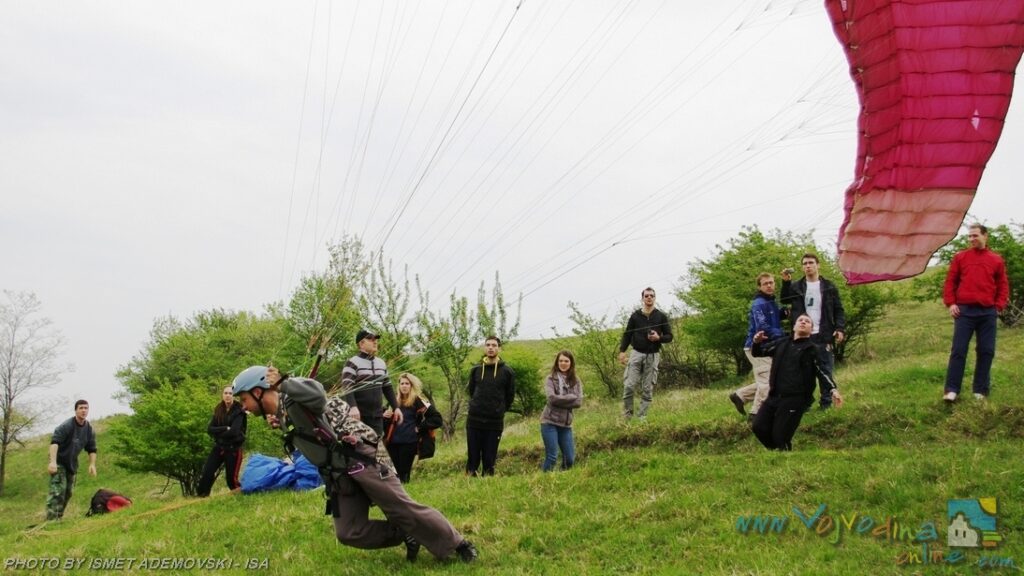
Сомборско Параглајдинг Удружење, иако релативно ново, већ је постало синоним за незаборавне тренутке у ваздуху. Постоји већ годину дана, али пилоти који чине срце овог...
Прочитај више -
АГЕНЦИЈА “EPIC ADVENTURES” – Нови Сад
“Epic Adventure” је агенција за организацију забавно-рекреативних и авантуристичких програма у природи. У оквиру својих делатности изводимо припрему и спровођење забавних и рекреативних активности, промотивних догађаја, такмичења,...
Прочитај више -
ЛЕТЕЊЕ ПАРАГЛАЈДЕРИМА
Један лет искуство за цео живот. Погледајте свет из угла који ће вам одузети дах. Тандем лет са пилотом до 600 м изнад Тителског брега.
Прочитај више -
АДРЕНАЛИН ПАРК “ЗЕМЉА ЧУДА” – Нови Сад
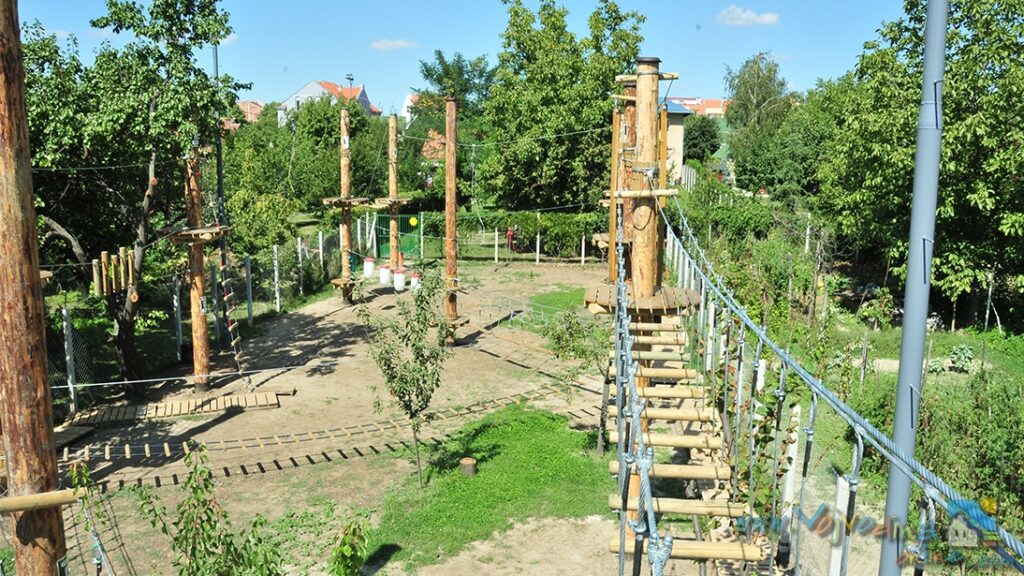
Први Адреналин парк у Војводини пружа вам узбудљиву рекреацију на справама за пењање и препрекама распоређеним по тежини, дужини и начину преласка. Организујете забавно дружење...
Прочитај више -
ПАРАГЛАЈДИНГ – Беочин
Једрење падобраном, односно параглајдером један је од најмлађих ваздухопловних спортова и један од најлакших и најједноставнијих начина да се оствари сан о летењу. Овај спорт...
Прочитај више -
ПЕЈНТБОЛ “КУГЛИЦА” – Падина
Падина од средине 2011. године је богатија за један несвакидашњи вид спорта и забаве. Паинтбалл клуб “Куглица” има полигон на излетишту Алаш површине 5.000 метара...
Прочитај више

-

ХОТЕЛ “МИЗНАХ” И ДЕПАНДАНС “КАШТЕЛ” – Зобнатица
У оквиру туристичко конгресног центра Зобнатица послује Мизнах Хотел & Ресортс са депадансом хотела Каштел, који у свом саставу поседују 30 врхински опремљених смештајних јединица...
Прочитај више -
БАЊА ЈУНАКОВИЋ – Апатин
На крајњем северозападу Војводине, 4,5 километара удаљена од Апатина и Дунава, на самој ивици прелепе шуме налази се Бања Јунаковић.Иако су термални извори откривени још...
Прочитај више
-
САЛАШ СТАНКОВИЋ – Сечањ
Салаш Станковић је идеално место за породични ручак, викенд одмор или славље у природи. Посебно се издваја по сопственој фарми црног ангуса – врхунске пасмине...
Прочитај више -
САЛАШ АНТЕРО – ТЕМЕРИН
Салаш Антеро је породични салаш стар преко 60 година. Салаш ради као туристиĉко место 11 година. Налази се у темеринском атару у живописном окружењу, близу...
Прочитај више -
САЛАШ “СЕДАМ ДУДОВА” – СОМБОР
Салаш се налази у насељу Буковац, а назив је добио по седам дудова који красе салаш. Овде можете, како уосталом и доликује једном салашу, да...
Прочитај више -
БЕЗДАНСКИ ДАМАСТ “НОВИ НОВИТЕТ ДУНАВ” – БЕЗДАН
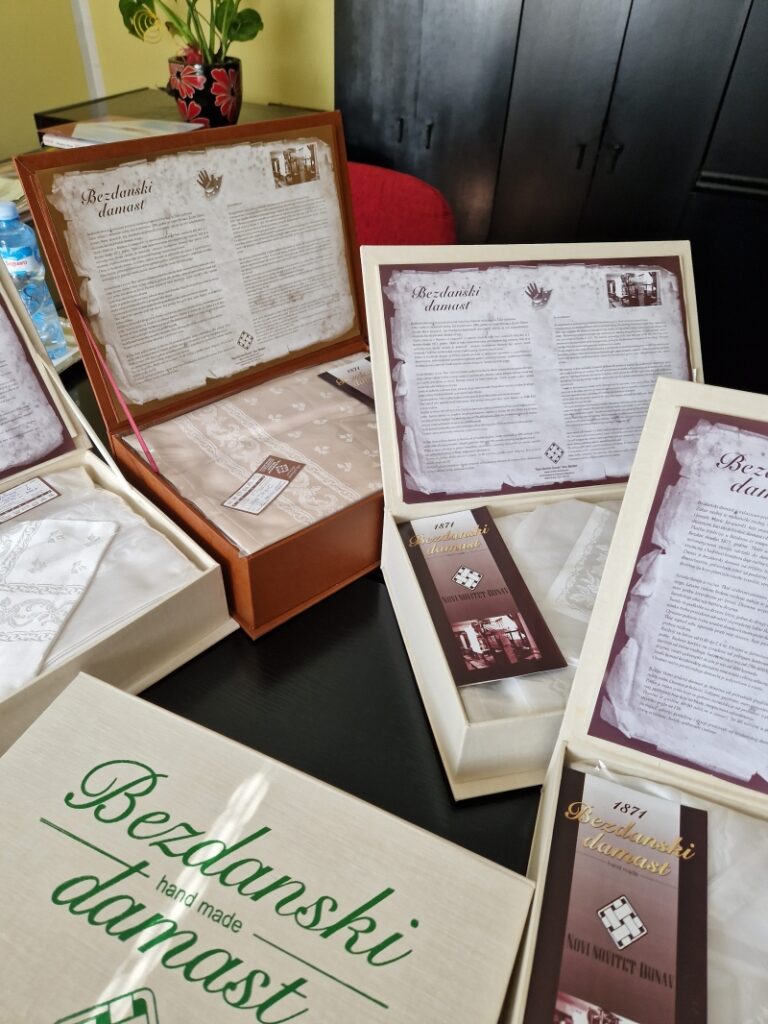
Бездански дамаст је еxлузиван производ, изузетног квалитета ручно ткан на Жакар разбојима. Жакар разбој је механички разбој, који је патентиран 1801. године од стране француза...
Прочитај више -
НАНАНИН САЛАШ – БЕЗДАН
Нананин салаш настао је 2011. године, када су брачни пар Бероња Блаженка и Горан одлучили да градски живот замене животом у природи, на селу. Салаш...
Прочитај више

-

ГРИЛ „ПОНОВО ПОД ОРАХОМ“ – Српски Милетић
Грил „Поново под орахом“ смештен у центру Српског Милетића познат је по укусној храни, брзој услузи и љубазном особљу. Аутор фотографије: Туристичка организација општине Оџаци
Прочитај више -
ЧАРДА „КОД БАЊЦА“ – Богојево
У чарди „Код Бањца“ смештена поред саме обале Језера „Штранд“, увек можете појести одличну рибљу чорбу и специјалитете од рибе, као и месо са роштиља,...
Прочитај више -

ЧАРДА КОД ШВАБЕ – Бачки Моноштор
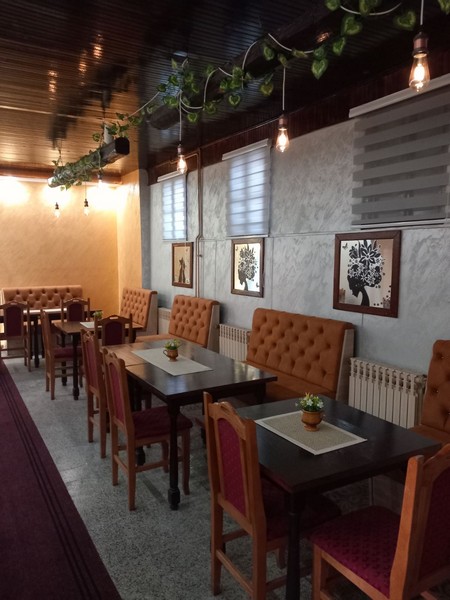
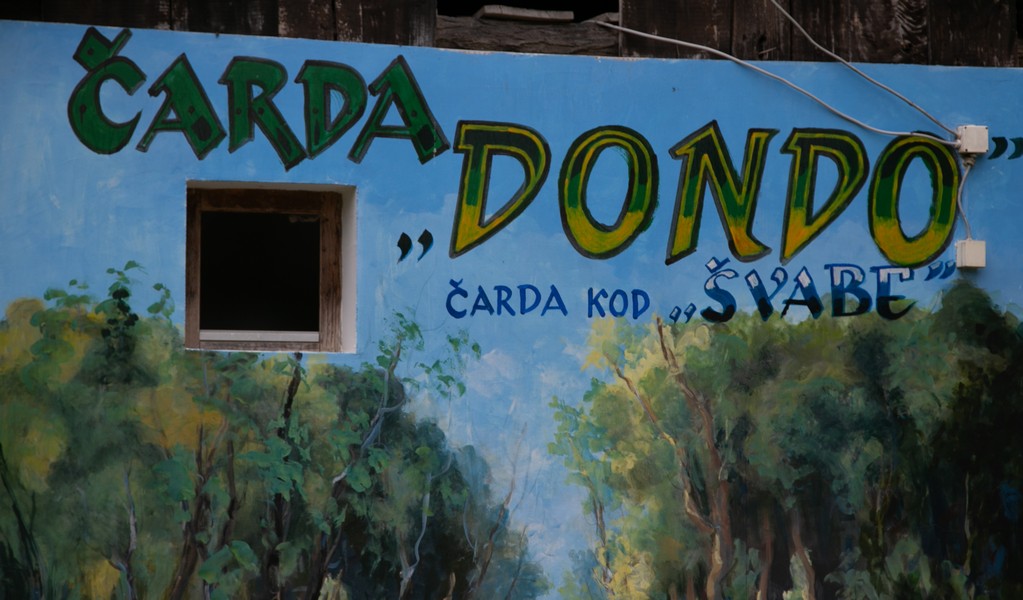
У самом срцу Специјалног резервата природе „Горње Подунавље“, у викенд насељу Дондо, на обали једног од дунавских рукаваца, налази се Чарда код Швабе – место...
Прочитај више -
ЧАРДА “БРУНАИ” – Купусина
Чарда „Брунаи“ налази се на Купусинском Дунавцу, између викенд насеља Вагони и Купусинске чарде. У својој понуди има велики избор речне и морске рибе, гирице,...
Прочитај више -
ЧАРДА “ШТУКА” – Купусина
Штука чарда представља бунгалов сомборског Удружења спортских риболоваца код Купусине, надомак Апатина. Чарда је идеална за све оне који желе да уживају у тишини и...
Прочитај више -
ЧАРДА ПЧЕЛА – Апатин
Купусинска Чарда „Пчела“ налази се у близини села Купусина, између Апатина и Сомбора. Специфичност ове чарде је да у угоститељској понуди нуде само пиће. Постоји...
Прочитај више

-
НАЦИОНАЛНИ ПАРК „ФРУШКА ГОРА“
Назив Националног парка потиче од назива истоимене планине, а назив Фрушка гора носи у свом придевском облику етник Фруг у значењу „Роман“, те на тај...
Прочитај више
-

ХРАНИЛИШТЕ – Тител
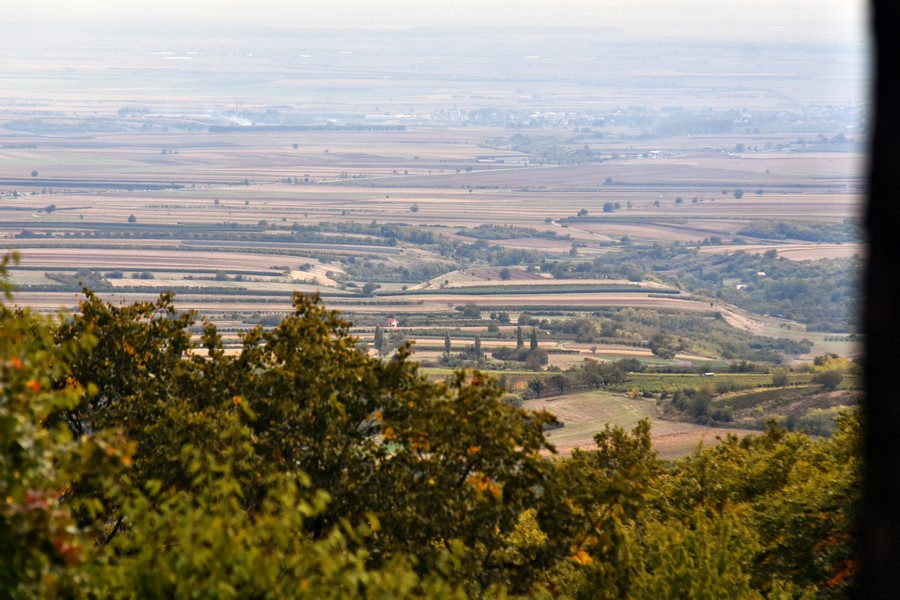
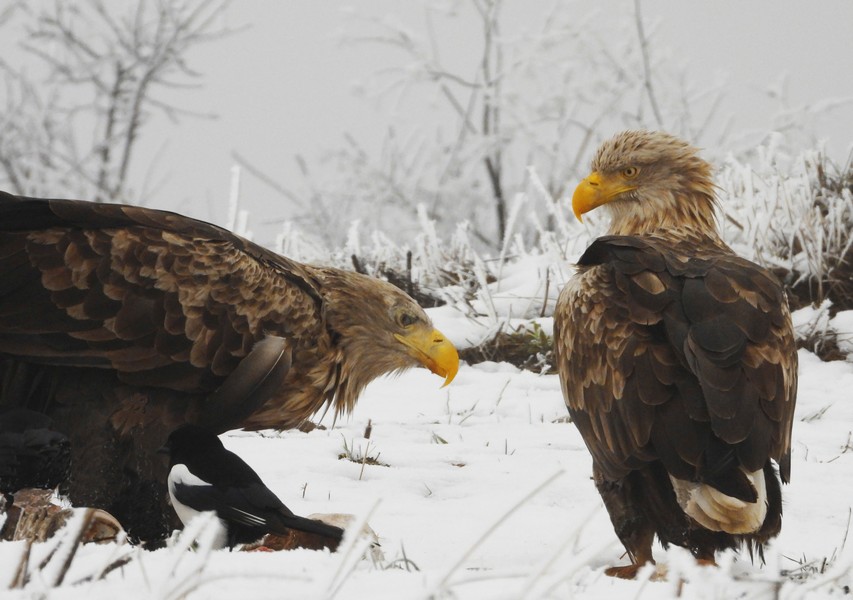
Очи у очи са орлом Како би помогла исхрану некрофагних и птица грабљивица у зимским месецима, Установа за заштиту природе „Тителски брег“ организовала је ограђено...
Прочитај више -
”NORDIC RESORT” БАЗЕНИ – Сремска Каменица
„Нордиц Ресорт“ располаже базенима у отвореном и затвореном простору, парним купатилом, сауном, сланом собом и тепидаријумом. Отворени базени: Затворени базени: Радно време: сваког дана 10.00...
Прочитај више -
БАЗЕНИ ХОТЕЛА ”СОЛЕ МИО” – Нови Сад
Хотел Соле Мио у својој понуди има комплекс затворених и отворених базена, финску сауну, благу сауну, парно купатило, топле клупе и релакс просторију. Површина комплекса...
Прочитај више -
БАЗЕНИ СПОРТСКОГ ЦЕНТРА – Футог
Спортски центар „Футог” поседује два затворена базена: олимпијски базен и дечји базен из два дела. Олимпијски базен Дечји базен (дубљи део) Дечји базен (плићи део)
Прочитај више -
ГРАДСКИ БАЗЕН – Зрењанин
Градски базен у Зрењанину представља једно од најпосећенијих летњих купалишта у граду и омиљено место за освежење током топлих месеци. Смештен у урбаном делу града,...
Прочитај више -
ГРАДСКИ БАЗЕН ВЕНУС – Бачка Топола
Пливачки базен димензија 25×21 метар, дубине од 140 до 180 цм и температуре воде од 26 до 27 °C идеалан је избор за пливање, спорт...
Прочитај више
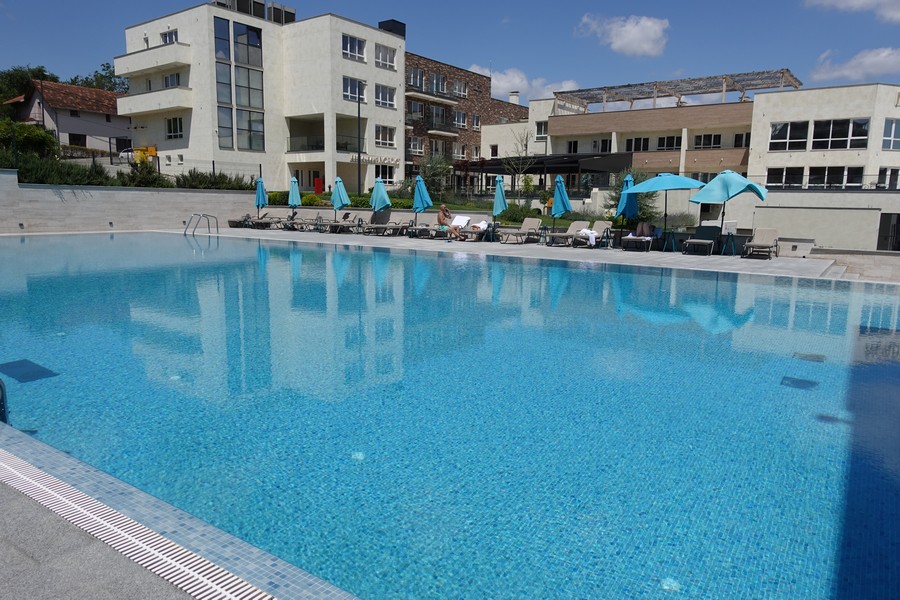
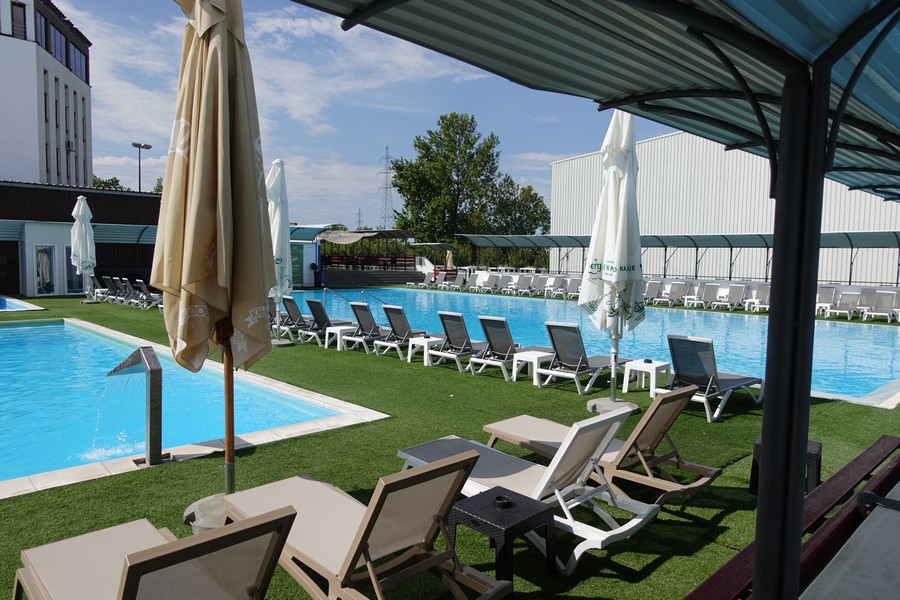
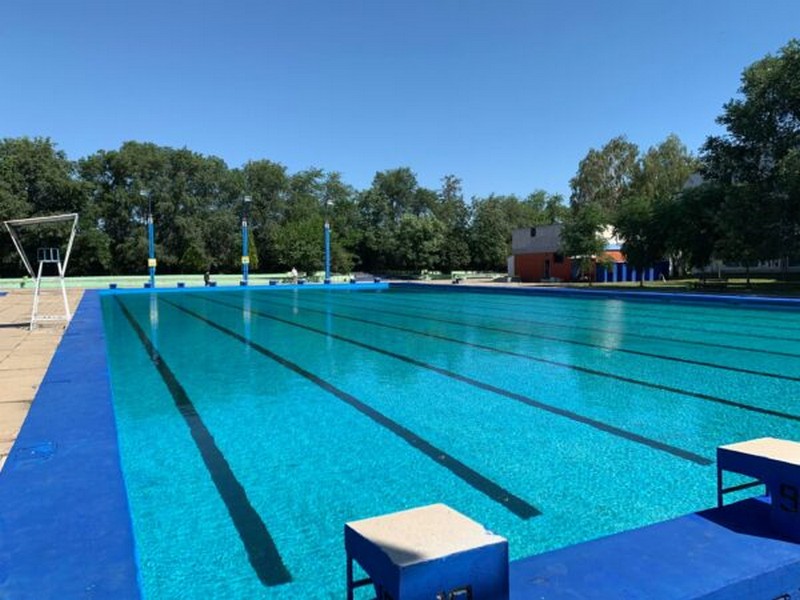
-
РЕСТОРАН „ДУКАТ“ – Оџаци
Ресторан Дукат нуди јединствену атмосферу са свечаним и елегантним амбијентом, идеалним за све врсте прослава, уживање у традиционалним јелима и уживање у врхунском угоститељству. Аутор...
Прочитај више -
РЕСТОРАН „НИШ“ – Богојево
Ресторан „Ниш“ у Богојеву је место где се добра храна, гостопримство и пријатан амбијент спајају у прави домаћински доживљај.
Прочитај више -

РЕСТОРАН „МОЈ ЗАВИЧАЈ 89“ – Бачки Грачац
Ресторан „Мој Завичај 89“ представља место где се негује традиционална атмосфера, добро гостопримство и уживање у храни. Својим амбијентом пружа гостима пријатно место за предах,...
Прочитај више -

RESTORAN „TRI LIPE“ – Odžaci
Restoran „Tri Lipe“ je mesto u kojem se tradicionalna domaća kuhinja, kvalitetna hrana i prijatan ambijent spajaju u pravi gastronomski doživjaj. Smešten daleko od gradske...
Прочитај више -
РЕСТОРАН „КОД БОБЕ И КАТЕ“ – Лалић
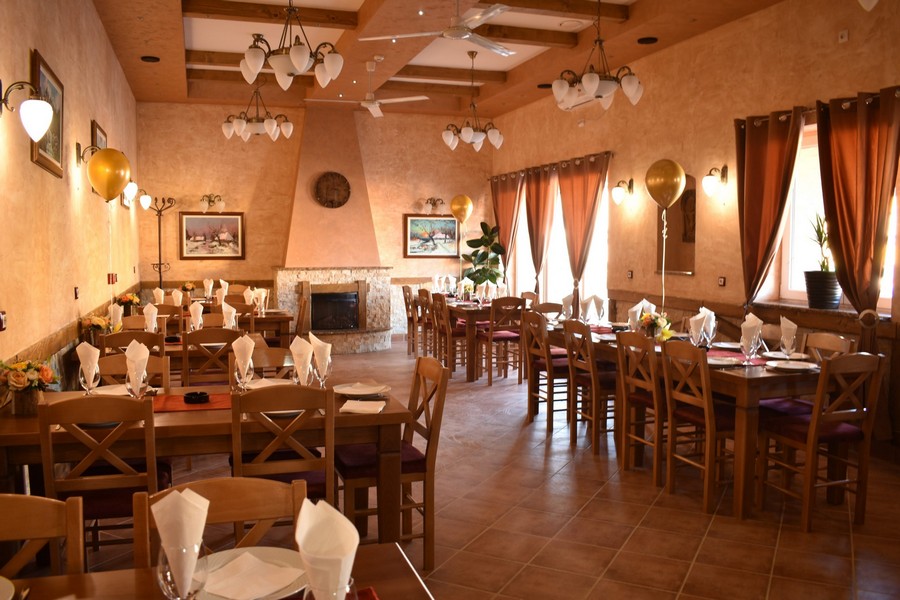
Потребан вам је ресторан домаће кухиње у Оџацима? На правом сте месту! Ресторан нуди велики избор домаћих специјалитета који су припремани по специјалним рецептурама њихових...
Прочитај више -
РЕСТОРАН „ЦАР“ – Оџаци
Ресторан Цар је ресторан домаће и интернационалне кухиње. У понуди имају јела са роштиља, рибу (шаран, пастрмка, смуђ, бранцин), телећу и пилећу чорбу, јагњетину, телетину...
Прочитај више
-

БАГЕР – Бачка Паланка
„Багер“ је културна и едукативна станица, место организација разних догађаја, манифестација попут „Златног котлића“, дечјих радионица, школа у природи и сл.На плажи се налазе и...
Прочитај више -
КАYАК ХОУСЕ – Нови Сад
Каyак хоусе доо је фирма која се бави производњом, увозом и прометом спортских и рекреативних чамаца (моторни чамци, катамарани, кајаци, суп даске, кануи и слично),...
Прочитај више -
ВОЖЊА МОТОРНИМ ЧАМЦЕМ КОВИЉСКО – ПЕТРОВАРАДИНСКИ РИТ – Ковиљ
Вожња моторним чамцем кроз Ковиљско – петроварадински рит се реализује од стране ВојводинаШуме у сарадњи са Еко-центром Ковиљ. Сваки термин се најављује 7 дана...
Прочитај више -
ЕКОТУРИСТИЧКА ПОНУДА – Сремски Карловци
Представљањем екотуристичке понуде на Карловачком Дунавцу отворена је екотуристичка сезона. У априлу месецу представљена је овогодишња екотуристичка понуда у виду вожње катамраном од 45 минута,...
Прочитај више -
КОВИНСКА ШАЈКА ПЛОВИ ДУНАВОМ
Шајке су дрвени бродови, коришћени на Дунаву и његовим притокама у периоду од краја 16. до почетка 18. века. Тада су то били лаки, уски...
Прочитај више -
ЗАПЛОВИТЕ ШАЈКОМ И ДОЖИВИТЕ ЧАРОБНЕ ТРЕНУТКЕ НА ТАЛАСИМА ДУНАВА
Не пропустите обећавајуће искуство и у последњим данима лета запловите водама Дунава. Туристичка организација Ковина својом обогаћеном понудом омогућава Вам да искусите лепоте ове реке...
Прочитај више


-
БАРА ТРСКОВАЧА – Платичево
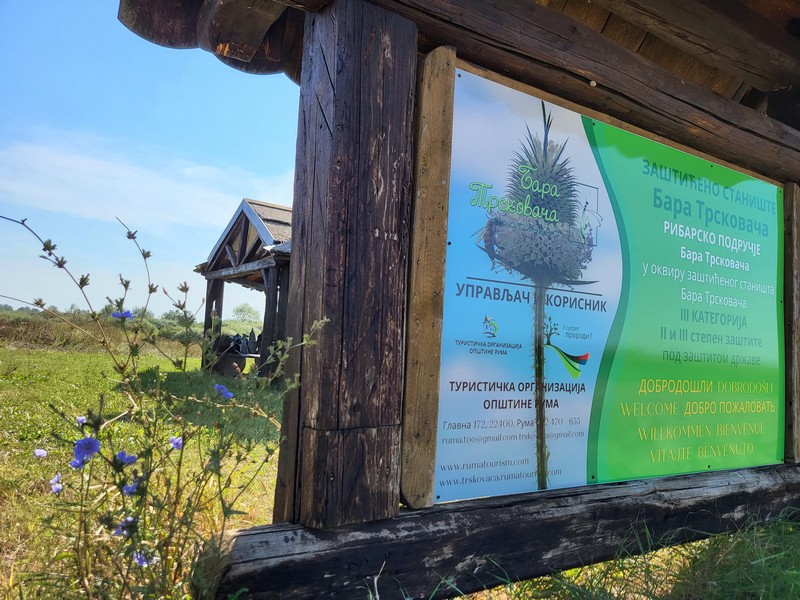
Бара Трсковача се налази на ободу села Платичева у јужном делу румске општине, а стављена је под заштиту државе ради очувања природних мрестилишта ретких аутохтоних...
Прочитај више -
ВОЖЊА ЧАМЦИМА ДУНАВОМ И РУКАВЦИМА
Излет обухвата: сремачки доручак на понтону на обали Дунава у Чортановцима, вожњу чамцима од Чортановаца испод бешчанског моста до Крчединске аде, обилазак аде, ручак на...
Прочитај више -
СПЕЦИЈАЛНИ РЕЗЕРВАТ ПРИРОДЕ „ЦАРСКА БАРА“
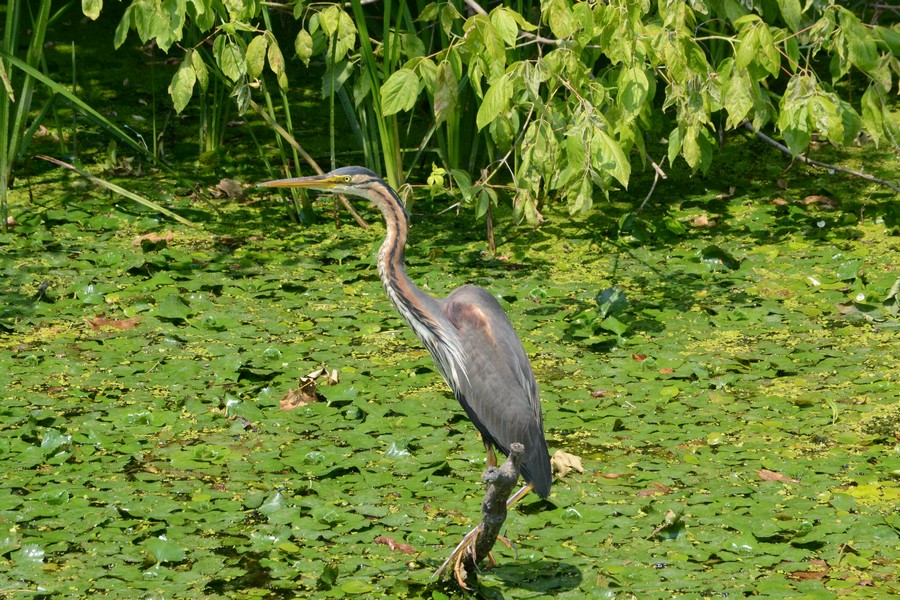
Специјални резерват природе „Царска бара“ смештен је на алувијалној равни Бегеја и Тисе, у непосредној близини друмских праваца којима је повезано са Зрењанином, Београдом, Новим...
Прочитај више
-
БОЂОШ – Нови Бечеј
Стална поставка реплика експоната у Дому културе општине Нови Бечеј.
Прочитај више -
АРХЕОЛОШКА НАЛАЗИШТА – Ковин
На територији општине Ковин пронађени су предмети из различитих епоха развоја цивилизације а најзначајнији период јесте време неолита у којима је доминантна била старчевачка култура....
Прочитај више -
АРХЕОЛОШКО НАЛАЗИШТЕ “ДОЊА БРАЊЕВИНА” – ДЕРОЊЕ
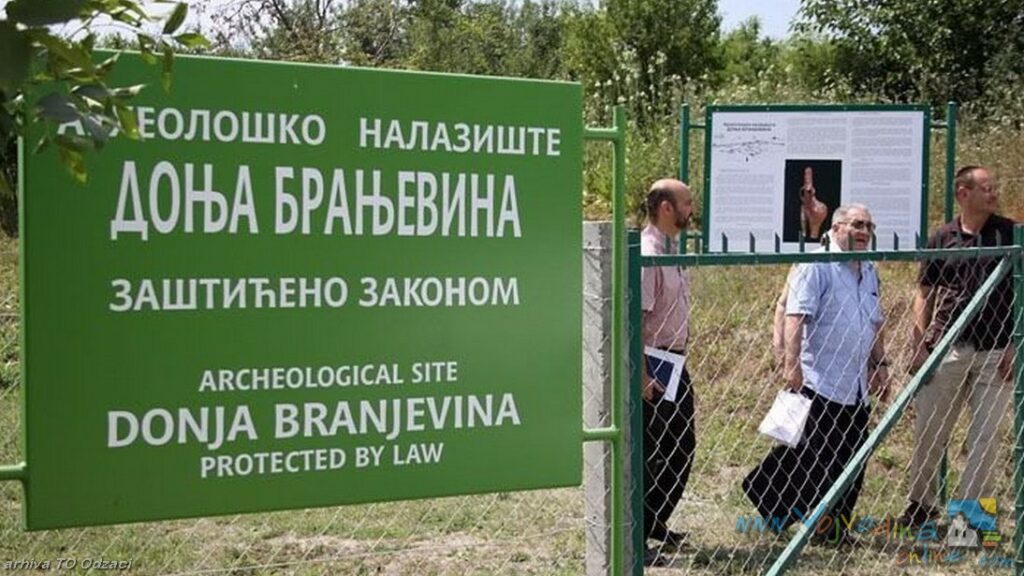
Доња Брањевина-археолошко налазиште смештено у непосредној близини насеља Дероње, крије у себи тајну најстарије ратарске културе у Европи. „Црвенокоса богиња“, најзначајнији је проналазак са овог...
Прочитај више -
АРХЕОЛОШКО НАЛАЗИШТЕ “МАТЕЈСКИ БРОД” – Нови Бечеј
Трагови сталних људских насеља на подручју новобечејске општине откривени су на Борђошу, Гарајевцу и Матејском Броду. Матејски Брод, као значајно археолошко налазиште, Решењем Завода за...
Прочитај више -
АРХЕОЛОШКО НАЛАЗИШТЕ “МАЈДАН” – Мајдан
Локација у селу Мајдан у близини сеоског гробља се повезује са хришћанским манастиром Светог Ђорђа из легенде о светом Герхарду. У том тексту с почетка...
Прочитај више -
-
ВИНОГРАДИ И ПОРОДИЧНА ВИНАРИЈА НИКОЛИЋ НЕУЗИНСКИ – Нови Сад
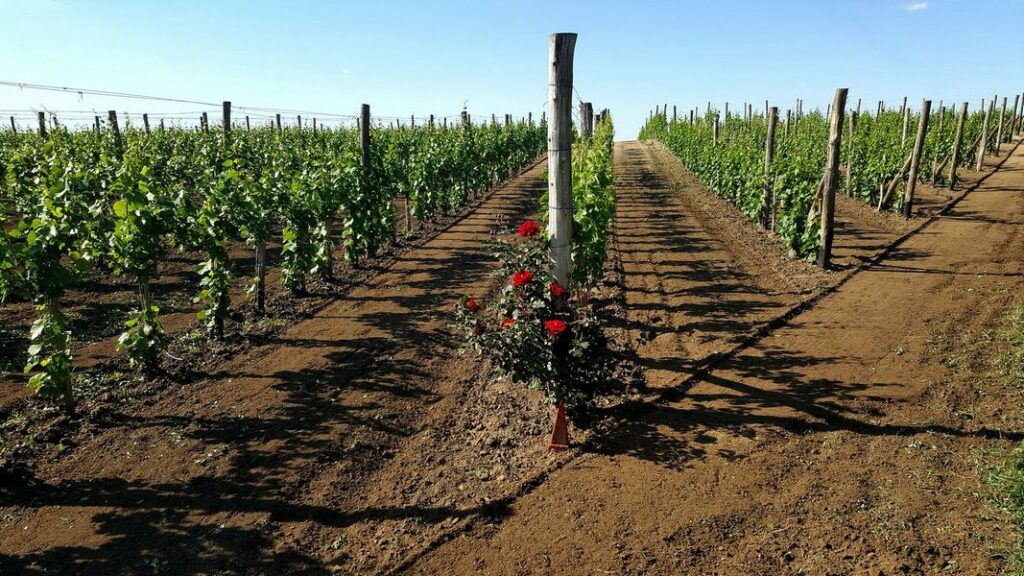
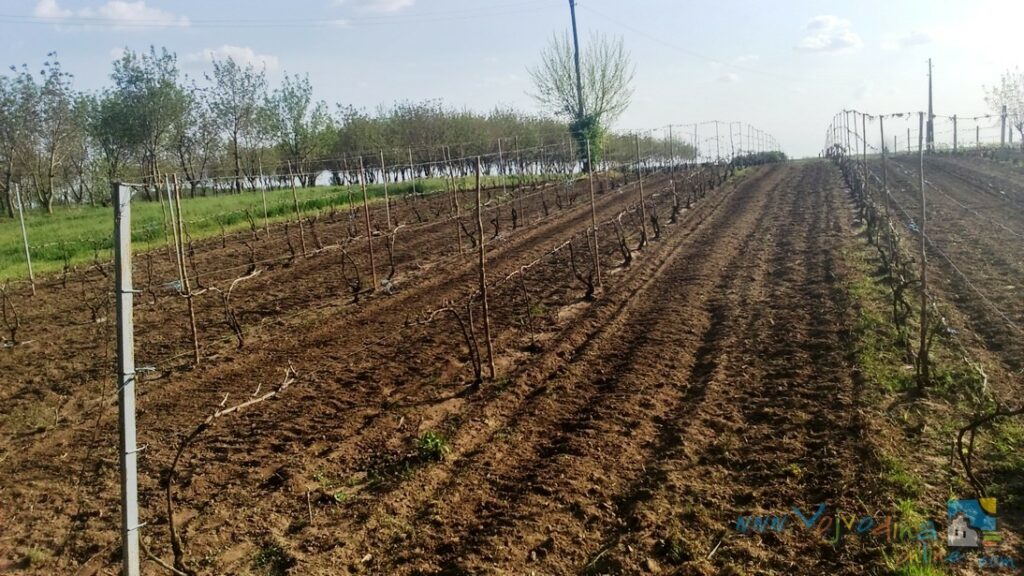
Виногради Николић Неузински се налазе у близини Европског коридора 10, на ширем подручју Новог Сада, између Ковиља и Гардиноваца, у равничарском делу виноградарског региона Војводина,...
Прочитај више -
ВИНАРИЈА КУЛА ВЕТРОВА – МАЛО СРЕДИШТЕ
Испод Гудуричког врха, окружена природом и прелепим виноградима, налази се винарија Кула ветрова. Објекат је опремљен најновијом опремом у производњи вина, салом за дегустацију, као...
Прочитај више -
УДРУЖЕЊЕ ВИНАРА И ВОЋАРА “ВИСОВИ” – КЉАЈИЋЕВО
Удружење виноградара и воћара „Висови“ има дугогодишњу традицију постојања. Од 28 чланова оснивача, Удружење је врло брзо успело да окупи више од 60 чланова, што...
Прочитај више -
УДРУЖЕЊЕ ВИНОГРАДАРА И ВИНАРА “РИЂИЧКИ ВИНОГРАДИ” – РИЂИЦА
Удружење виноградара и воћара “Ридјички виногради” је основано 2009 године. Чланови удружења у свом саставу имају око 20.000 чокота винове лозе. Најраспострањеније сорте су; италијански...
Прочитај више -

ВИНАРИЈА ШВЕЉО – РИЂИЦА
Винарија Швељо је мала породична винарија базирана на сопственој производњи грожђа и производњу вина по савременој технологији производње. Правац развоја винарије је искључиво квалитет и...
Прочитај више -

ВИНАРИЈА ЗАБА – РИЂИЦА
Винарија Заба је мала породична винарија, која узгаја грожђе на отприлике 3 хектара земље. Од белих сорти ту су Совињон блан, Рајнски ризлинг, Пињо Гриђо,...
Прочитај више




-
РЕКА КАРАШ – Бела Црква
Караш (рум. Цараş) извире у Румунији и улива се у Канал ДТД (између Дупљаје и Гребенца), а затим њен даљи ток до Дунава користи садашњи...
Прочитај више -
КАYАК ХОУСЕ – Нови Сад
Каyак хоусе доо је фирма која се бави производњом, увозом и прометом спортских и рекреативних чамаца (моторни чамци, катамарани, кајаци, суп даске, кануи и слично),...
Прочитај више -
ВОЖЊА МОТОРНИМ ЧАМЦЕМ КОВИЉСКО – ПЕТРОВАРАДИНСКИ РИТ – Ковиљ
Вожња моторним чамцем кроз Ковиљско – петроварадински рит се реализује од стране ВојводинаШуме у сарадњи са Еко-центром Ковиљ. Сваки термин се најављује 7 дана...
Прочитај више -
ЕКОТУРИСТИЧКА ПОНУДА – Сремски Карловци
Представљањем екотуристичке понуде на Карловачком Дунавцу отворена је екотуристичка сезона. У априлу месецу представљена је овогодишња екотуристичка понуда у виду вожње катамраном од 45 минута,...
Прочитај више -
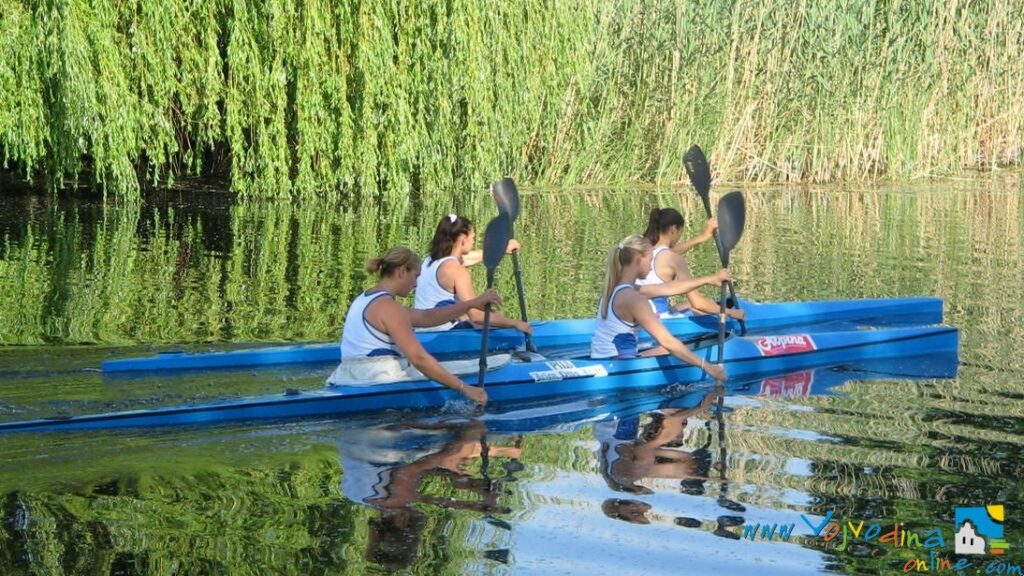
КАЈАК КЛУБ “ДУНАВ” – Бездан
Кајакашки клуб ”Бездан” је један од најтрофејнијих спортских колектива у земљи. Клуб је основан пре 20 година, а у последњој деценији освојили су више од...
Прочитај више -
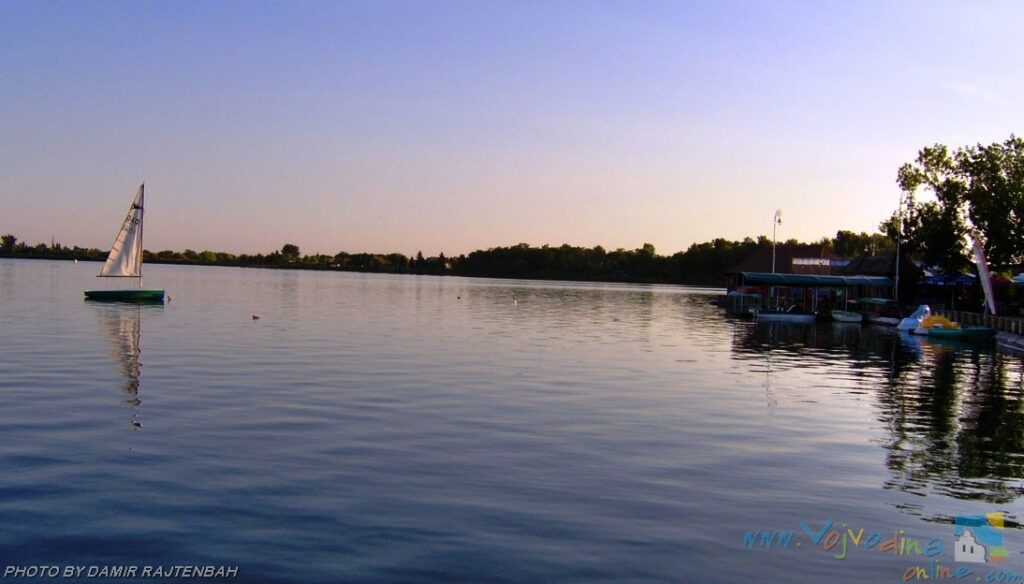
ЈЕДРЕЊЕ НА ВОДИ – Палић
Изнајмљивање или вожња једрилица уз асистенцију инструктора, у сезони; Изнајмљивање дасака за сурфовање. Контакт: Једриличарски клуб Палић
Прочитај више
-
ПЛАЖА БАР – Палић
Плажа Бар се налази на палићком шеталишту, са кога је залазак сунца најлепши. Башта је крај одбојкашког терена на плажи. Врти се искључиво најбоља музика...
Прочитај више -
КЛУБ РЕСЕТ – Сремска Каменица
Клуб Ресет представља објекат који се издаје за посебне прилике у којима ви можете бити домаћин догађаја организованог у потпуној приватности простора клуба. Објекат несвакидашњег...
Прочитај више -
КЛУБ-РЕСТОРАН “ПОЦО ЛОЦО” – ПАНЧЕВО
Опуштена атмосфера, породична брига, надахнуће, стваралаштво, здрава храна и изнад свега поштовање према госту – како према његовом оброку, тако и према ономе што плаћа,...
Прочитај више -
КАФЕ КЛУБ “РАДИО ЦАФЕ 021” – Нови Сад
У улици Светозара Милетића 45 почео је са радом први Радио кафе у Србији. Људи из најслушанијег новосадског локалног медија – Радија 021, отворили су...
Прочитај више


-
ТЕРМАЛНА БАЊА ПАЧИР – Пачир
Пачирска лековита вода извире на површину са 1400 метара дубине. На самом изворишту вода достиже температуру од скоро 72°C, а у кориту се охлади, те...
Прочитај више -
БАЊА ЈУНАКОВИЋ – Апатин
На крајњем северозападу Војводине, 4,5 километара удаљена од Апатина и Дунава, на самој ивици прелепе шуме налази се Бања Јунаковић.Иако су термални извори откривени још...
Прочитај више -
БАЊА КАЊИЖА – Кањижа
Бања “Кањижа” се током више од девет деценија, развила у савремени Завод за рехабилитацију. Пружа гостопримство онима, којима су потребни одмор, превентивни опоравак и медицинска...
Прочитај више -
СПЕЦИЈАЛНА БОЛНИЦА ЗА НЕУРОЛОШКА ОБОЉЕЊА И ПОСТРАУМАТСКА СТАЊА “ДР БОРИВОЈЕ ГЊАТИЋ” – Стари Сланкамен
У Старом Сланкамену се налази један од ретких извора слане воде на територији Војводине, Сланача, по коме је можда и ово место добило име. Вероватно...
Прочитај више
-
ВИНОГРАДИ И ПОРОДИЧНА ВИНАРИЈА НИКОЛИЋ НЕУЗИНСКИ – Нови Сад
Виногради Николић Неузински се налазе у близини Европског коридора 10, на ширем подручју Новог Сада, између Ковиља и Гардиноваца, у равничарском делу виноградарског региона Војводина,...
Прочитај више -
ВИНАРИЈА КУЛА ВЕТРОВА – МАЛО СРЕДИШТЕ
Испод Гудуричког врха, окружена природом и прелепим виноградима, налази се винарија Кула ветрова. Објекат је опремљен најновијом опремом у производњи вина, салом за дегустацију, као...
Прочитај више -
УДРУЖЕЊЕ ВИНАРА И ВОЋАРА “ВИСОВИ” – КЉАЈИЋЕВО
Удружење виноградара и воћара „Висови“ има дугогодишњу традицију постојања. Од 28 чланова оснивача, Удружење је врло брзо успело да окупи више од 60 чланова, што...
Прочитај више -
ВИНАРИЈА ШВЕЉО – РИЂИЦА
Винарија Швељо је мала породична винарија базирана на сопственој производњи грожђа и производњу вина по савременој технологији производње. Правац развоја винарије је искључиво квалитет и...
Прочитај више -
ВИНАРИЈА ЗАБА – РИЂИЦА
Винарија Заба је мала породична винарија, која узгаја грожђе на отприлике 3 хектара земље. Од белих сорти ту су Совињон блан, Рајнски ризлинг, Пињо Гриђо,...
Прочитај више -
ГРАНД ТРАДЕ ДОО – СОМБОР
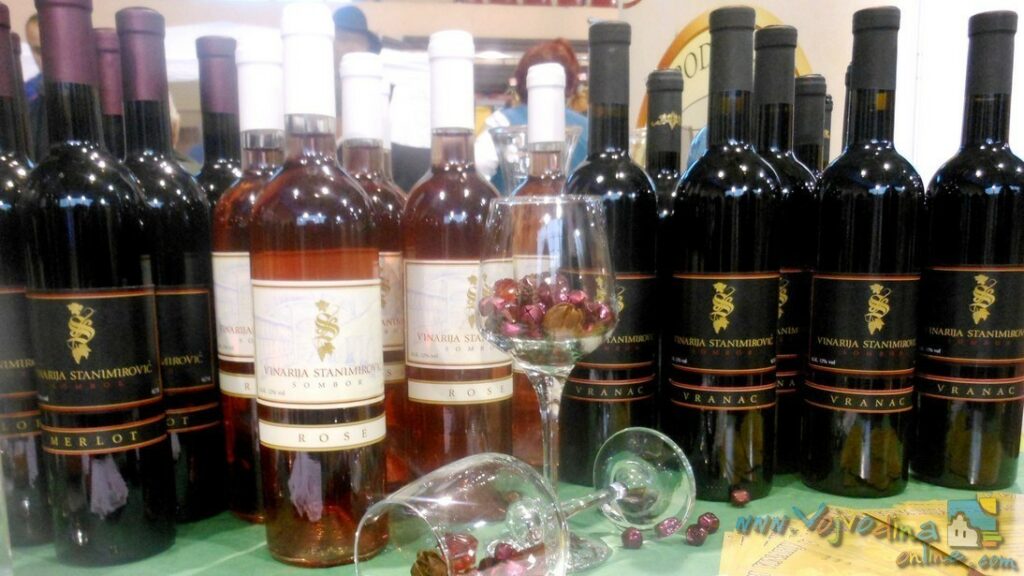
Једна од најмлађих, а можда и најмлађа винарија у Србији, је винарија „Станимировић“ из Сомбора, власника Пера Стаменковића, регистрована у октобру 2015. године, за производњу...
Прочитај више
-
ПЕШАЧКА СТАЗА ЈУЖНИ УЛАЗ – БАШАИДСКИ ПУТ – Нови Бечеј
Ова рута креће од Башаидског пута и траје све до Визиторског центра Сланог копова “Чуварска кућа”, у дужини од 25км, а процењено време трајања је...
Прочитај више -
ПЕШАЧКА СТАЗА СЕВЕРНИ УЛАЗ – МИЛОШЕВАЧКИ ПУТ – Нови Бечеј
Ова рута креће од Милошевачког пута до Визиторског центра Сланог копова “Чуварска кућа”. Дужина руте је 10км, а процењено време трајања је 30 минута. Стаза...
Прочитај више -
ПЕШАЧКЕ СТАЗЕ ПОПОВИЦА И ОРЛОВО БОЈИШТЕ – Сремска Каменица
Поповица је излетиште на Фрушкој гори (близу Новог Сада), те је и једно од посећенијих. Ово је уједно и стартна позиција Планинарског маратона, који се...
Прочитај више -
КРЛЕТОВА МЕМОРИЈАЛНА СТАЗА – Фрушка гора
Ова стаза је прописно обележена и уређена на иницијативу Соње и Вере Кокић, супруге и ћерке недавно преминулог истакнутог планинарског и друштвеног активисте Светозара Кокића...
Прочитај више -
ПЕШАЧКО – ИНСПЕКЦИОНА СТАЗА – Кула
Рута креће из Куле, од елекричног до дрвеног моста и износи 1.25км, а процењено време вожње је око 30 минута. Стаза је означена, а тежина...
Прочитај више -
ПЕШАЧКА СТАЗА ЈЕЗЕРО ЛАГУНА – Кикинда
Пешачка стаза од језера Лагуна до Банатског Великог Села износи 1.5км и потребно је отприлике 30мин за прелазак исте. Стаза је означена, а тежина руте...
Прочитај више
-
КАНАЛ ДТД – Нови Бечеј
На ушћу канала у реку Тису, у викенд зони где је вода најмирнија, дозвољено је купање, као и спортски и рекреативни риболов, а дозволе за...
Прочитај више -
ПАРК ПРИРОДЕ “СТАРА ТИСА”
Парк Природе Стара Тиса налази се са десне стране данашњег тока Тисе, између Бечеја, Бачког Градишта и Чуруга. Простире се на 391 хектара од чега...
Прочитај више -
ПЛАЖА У АДИ – Ада
Плажа у Ади је плитка и песковита те представља можда најлепшу плажу на реци Тиси. На њеној територији постоји могућност бављења разним рекреативним и спортским...
Прочитај више -

СПЕЦИЈАЛНИ РЕЗЕРВАТ ПРИРОДЕ „РИТОВИ ДОЊЕГ ПОТИСЈА“
СРП „Ритови доњег Потисја“ налази се у централном делу Војводине, уз леву и десну обалу реке Тисе, између уставе код Новог Бечеја и улива Бегеја...
Прочитај више -
ПЛОВИДБА ТИСОМ
Река Тиса (мађарски: Tisza, украјински: Tisa, словачки и румунски: Tisa и немачки: Theiß) је највећа лева притока Дунава. Протиче кроз Панонску низију. Извире у Украјини,...
Прочитај више

-
”NORDIC RESORT” БАЗЕНИ – Сремска Каменица
„Нордиц Ресорт“ располаже базенима у отвореном и затвореном простору, парним купатилом, сауном, сланом собом и тепидаријумом. Отворени базени: Затворени базени: Радно време: сваког дана 10.00...
Прочитај више -
БАЗЕНИ ХОТЕЛА ”СОЛЕ МИО” – Нови Сад
Хотел Соле Мио у својој понуди има комплекс затворених и отворених базена, финску сауну, благу сауну, парно купатило, топле клупе и релакс просторију. Површина комплекса...
Прочитај више -
БАЗЕНИ СПОРТСКОГ ЦЕНТРА – Футог
Спортски центар „Футог” поседује два затворена базена: олимпијски базен и дечји базен из два дела. Олимпијски базен Дечји базен (дубљи део) Дечји базен (плићи део)
Прочитај више -
ГРАДСКИ БАЗЕН – Зрењанин
Градски базен у Зрењанину представља једно од најпосећенијих летњих купалишта у граду и омиљено место за освежење током топлих месеци. Смештен у урбаном делу града,...
Прочитај више -
ГРАДСКИ БАЗЕН ВЕНУС – Бачка Топола
Пливачки базен димензија 25×21 метар, дубине од 140 до 180 цм и температуре воде од 26 до 27 °C идеалан је избор за пливање, спорт...
Прочитај више -
РЕКРЕАТИВНИ ЦЕНТАР – Стара Моравица
Рекреативни центар у Старој Моравици има четири базена са растегнутим воденим површинама и уграђеним осветљењем. Температура воде базена за пливање и базен за децу варира...
Прочитај више
-
СПОМЕН КУЋА МАРТИНА ЈОНАША – Ковачица
Мартин Јонаш је један од најзначајнијих представника светског наивног сликарства и водећа личност ковачичке уметничке сцене. Рођен је 1924. године у Ковачици, где је провео...
Прочитај више -
СВЕМИРСКИ МУЗЕЈ – ПЕТРОВАРАДИН
1. децембра 2023. године, на Петроварадинској тврђави почео је са радом први технички музеј у Новом Саду, који је уједно и први музеј у региону...
Прочитај више -
КУЋА ТАНОВИХ – БЕЧЕЈ
На почетку садашње улице Браће Тан 5-7, са њене десне стране, идући ка центру, налази се кућа Танових. У њој су рођена знаменита браћа Карољ...
Прочитај више -
ЕТНО МУЗЕЈ “КОЛЕВКА БАЧКЕ” – БАЧ
Изложба старих предмета, ћилима, народних ношњи карактеристичних за ово подручје. Долазак је потребно најавити.
Прочитај више -
ЕТНО КУЋА ЈАН ЧАПЕЛА – Селенча
Саграђена давне 1914. године, данас претворена у словачку етно-кућу. Власник куће је Јан Чапеља, а саградио је његов прадеда. Собе су богато опремљене старим аутентичним...
Прочитај више

-
СПОРТСКА ХАЛА – Србобран
Спортска хала у Србобрану је вишенаменског типа у чији састав улази: мала сала, велика сала, теретана, куглана, шах сала и ресторан. Корисници сале су спортски...
Прочитај више -
ГРАДСКА ХАЛА “МОСТОНГА” – Сомбор
Градска хала “Мостонга” изграђена је 1971. године и користи се за тренинге и такмичења, наставу физичког васпитања, реализацију рекреативних програма, одржавање културно – забавних и...
Прочитај више -
-
СКВОШ ЦЕНТАР – Сомбор
Први је сквош центар у Сомбору и пети у Србији. У центру су налазе два сквош терена направљена по стандардима Европске Сквош Федерације, свлачионице с...
Прочитај више -
-
ХОТЕЛ “МИЗНАХ” И ДЕПАНДАНС “КАШТЕЛ” – Зобнатица
У оквиру туристичко конгресног центра Зобнатица послује Мизнах Хотел & Ресортс са депадансом хотела Каштел, који у свом саставу поседују 30 врхински опремљених смештајних јединица...
Прочитај више -
БАЊА ЈУНАКОВИЋ – Апатин
На крајњем северозападу Војводине, 4,5 километара удаљена од Апатина и Дунава, на самој ивици прелепе шуме налази се Бања Јунаковић.Иако су термални извори откривени још...
Прочитај више -
КОНГРЕСНИ ЦЕНТАР “МАСТЕР” – Нови Сад
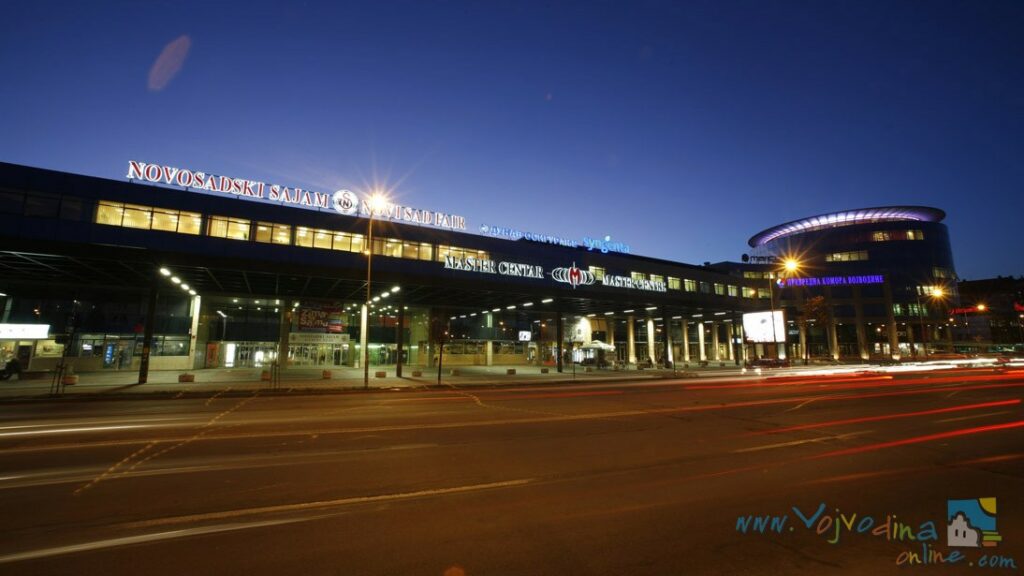
Конгресни центар “Мастер” је престижни простор на Новосадском сајму, који омогућава високо професионално организовање конгреса, конференција, симпозијума, семинара, промоција, презентација, корпоративних свечаности, модних ревија и...
Прочитај више
-
НАРОДНА БИБЛИОТЕКА – Мали Иђош
Радно време: Понедељак–петак: 09:00–17:00 Викенд: не ради.
Прочитај више -
БИБЛИОТЕКА “КОЗМА ЛАЈОШ” – Фекетић
Налази се у просторијама КУД. Ту се одвијају књижевне вечери, промоција нових књига и научна предавања. О очувању вредности библиотеке стара се управник Ержебет Нађ....
Прочитај више -
ОПШТИНСКА БИБЛИОТЕКА – Ковачица
Централна библиотека општине налази се у Ковачици. У свом фонду располаже са 25000 књига, које су подједнако заступљене на српском и словачком језику. Библиотека има...
Прочитај више -
НАРОДНА БИБЛИОТЕКА “ЂУРА ЈАКШИЋ” – Српска Црња
Општинска установа културе Народна библиотека “Ђура Јакшић” основана је 1964.године. Централна библиотека налази се у Српској Црњи и има у свом фонду укупно 33.000 књига,...
Прочитај више -
НАРОДНА БИБЛИОТЕКА – Нови Бечеј
Народна Библиотека се налази у Новом Бечеју, варошици која има 15.404 становника. Од тога броја 30% су мађарске националности Овај податак је интересантан јер оба...
Прочитај више -
НАРОДНА БИБЛИОТЕКА “БРАНКО РАДИЧЕВИЋ” – Оџаци
Општинска библиотека ради у десет одељења и то у свим селима и у самим Оџацима где засебно постоје дечије и одељење одраслих читалаца. Библиотека је...
Прочитај више
-
РУСИНСКО НАРОДНО ПОЗОРИШТЕ “ПЕТРО РИЗНИЧ ЂАЂА” – Руски Крстур
Русинско народно позориште „Ђађа“ конституисано је као Аматерско русинско позориште „Ђађа“ 1971. године са своје две сцене: сцена у Руском Крстуру и сцена у Новом...
Прочитај више -
ЦЕНТАР ЗА КУЛТУРУ – Ковин
Центар за културу је центар културних догађања општине Ковин. Једина смо Установа на територији јужног Баната која у оквиру свог програма обједињује професионалне и аматерске...
Прочитај више -
КУЛТУРНИ ЦЕНТАР – Кула
У оквиру културног центра, ради и аматерско позориште и фолклорна и ликовна секција. Радно време: радним данима од 07:00 до 15:00
Прочитај више -
ДОМ КУЛТУРЕ – Сивац
Фолклорни ансамбл Дома културе траје већ пола века, а његови наступи и успеси као ниска бисера ређају се до данашњих дана. Од дечје до изворне групе,...
Прочитај више
-
СПЕЦИЈАЛНИ РЕЗЕРВАТ ПРИРОДЕ „КРАЉЕВАЦ“
Специјални резерват природе „Краљевац“ простире се на подручју некадашњег Панонског мора, где се под утицајем ветра формирала лесна тераса у коју су усечене простране долине извора...
Прочитај више -
СПЕЦИЈАЛНИ РЕЗЕРВАТ ПРИРОДЕ „ДЕЛИБЛАТСКА ПЕШЧАРА“ – ЈП „Војводинашуме“
У југоисточном делу панонске низије, у Банату, налази се највећа европска континентална пешчара која обухвата близу 35.000 хектара површине. Елипсастог је облика и оријентисана је...
Прочитај више -
СПЕЦИЈАЛНИ РЕЗЕРВАТ ПРИРОДЕ „ОБЕДСКА БАРА“ – ЈП „Војводинашуме“
Специјални резерват природе Обедска бара је у свету чувено мочварно подручје, које је кроз своју дугу историју представљало право уточиште за живи свет, али и...
Прочитај више -
СПЕЦИЈАЛНИ РЕЗЕРВАТ ПРИРОДЕ „РИТОВИ ДОЊЕГ ПОТИСЈА“
СРП „Ритови доњег Потисја“ налази се у централном делу Војводине, уз леву и десну обалу реке Тисе, између уставе код Новог Бечеја и улива Бегеја...
Прочитај више -

СПЕЦИЈАЛНИ РЕЗЕРВАТ ПРИРОДЕ „КОВИЉСКО-ПЕТРОВАРАДИНСКИ РИТ“ – ЈП „Војводинашуме“
У околини Новог Сада се налази Специјални резерват природе Ковиљско-петроварадински рит. Он представља комплекс барско-мочварних и шумских екосистема, са бројним животним заједницама. Налази се у...
Прочитај више -
СПЕЦИЈАЛНИ РЕЗЕРВАТ ПРИРОДЕ „СЛАНО КОПОВО“ – Нови Бечеј
Слано копово представља једну од последњих очуваних бара на слатинама Војводине. Проглашено је специјалним резерватом природе 2001. године. Значајно је РАМСАР-ско, IBA и IPA подручје....
Прочитај више


-
ЕРГЕЛА “КЕЛЕБИЈА” – Келебија
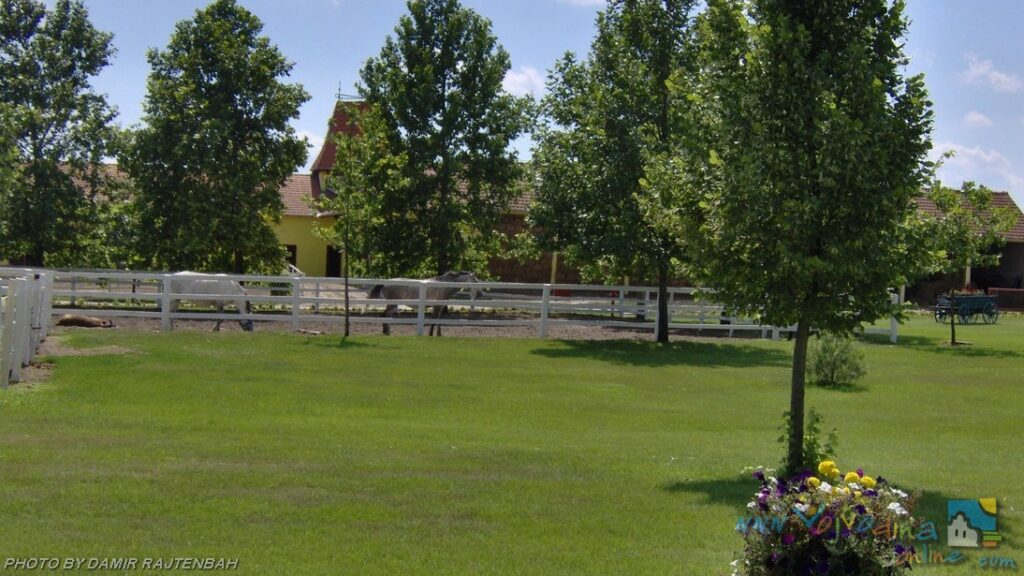
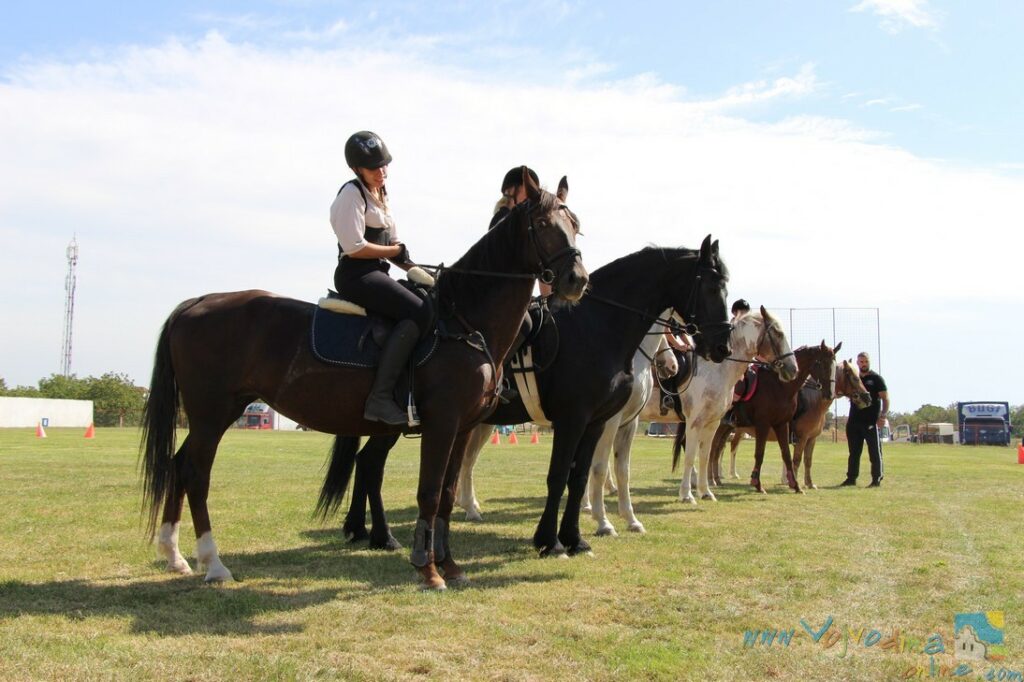
На најсевернијој тачки Србије, на самом граничном прелазу и неколико минута вожње од центра града Суботице, налази се надалеко позната ергела коња Келебија. Савремене штале...
Прочитај више -

ЕРГЕЛА И МУЗЕЈ “КАРАЂОРЂЕВО” – Карађорђево
У југозападном делу Бачке смештена је чувена ергела Карађорђево, основана још 1885. године. У почетку су на овој ергели одгајани коњи нониус расе, док се...
Прочитај више -
ЗОБНАТИЦА – Зобнатица
Зобнатица се налази 5 км северно од Бачке Тополе. То је туристички комплекс са дугом традицијом и разноврсном понудом атракција. Свакодневно пружа обиље идеалних садржаја...
Прочитај више -
-
КОЊИЧКИ КЛУБ “МИРЕЛА” – Белегиш
Коњички клуб Мирела се налази на 20 км од Београда и располаже са 20 боксова по свим европским стандардима за узгој и негу коња. У...
Прочитај више -
ЕРГЕЛА БУНФОРД – Суботица
У пријатном и опуштајућем амбијенту, гостима се пружа могућност да кроз разноврсне активности, осете дух традиције овог поднебља. Посетиоци имају могућност обиласка салаша, где могу...
Прочитај више

-
ПЕШАЧКО – ИНСПЕКЦИОНА БИЦИКЛИСТИЧКА СТАЗА – Кула
Ова рута креће из Куле, а у наставку се гради кроз Црвенку и Сивац. У Кули је стаза дугачка 3.3км, док су у изградњи стаза...
Прочитај више -
ЕУРОВЕЛО 11 – Нови Бечеј
Рута ове бициклистичке стазе се крећу од Норвешке до Грчке, у дужини од 6000 километара, док дужина руте кроз Нови Бечеј износи 79км. Стаза је...
Прочитај више -
БИЦИКЛИСТИЧКА СТАЗА ЗМАЈЕВ ТРАГ – Раковац
Ова рута се протеже од каменолома у Раковцу до старог Раковца у дужини 2км а процењено време је 7-10мин. Стаза је означена и налази се...
Прочитај више -
БИЦИКЛИСТИЧКА СТАЗА – Кикинда
Ova staza u dužini od 8km se nalazi na teritoriji opštine Kikinda i kreće od nje i prolazi do Nakova. Vreme trajanja ove rute je...
Прочитај више -
БИЦИКЛИСТИЧКА СТАЗА ЈУЛИШКА – Беочин
Бициклистичка стаза је дужине преко километар (1.1км), те представља прву званично уређену downhill стазу у Србију. Нуди све кључне сегменте за узбудљиву вожњу – уздигнути...
Прочитај више
-
РЕСТОРАН „ДУКАТ“ – Оџаци
Ресторан Дукат нуди јединствену атмосферу са свечаним и елегантним амбијентом, идеалним за све врсте прослава, уживање у традиционалним јелима и уживање у врхунском угоститељству. Аутор...
Прочитај више -
РЕСТОРАН „НИШ“ – Богојево
Ресторан „Ниш“ у Богојеву је место где се добра храна, гостопримство и пријатан амбијент спајају у прави домаћински доживљај.
Прочитај више -
РЕСТОРАН „МОЈ ЗАВИЧАЈ 89“ – Бачки Грачац
Ресторан „Мој Завичај 89“ представља место где се негује традиционална атмосфера, добро гостопримство и уживање у храни. Својим амбијентом пружа гостима пријатно место за предах,...
Прочитај више -
RESTORAN „TRI LIPE“ – Odžaci
Restoran „Tri Lipe“ je mesto u kojem se tradicionalna domaća kuhinja, kvalitetna hrana i prijatan ambijent spajaju u pravi gastronomski doživjaj. Smešten daleko od gradske...
Прочитај више -
РЕСТОРАН „КОД БОБЕ И КАТЕ“ – Лалић
Потребан вам је ресторан домаће кухиње у Оџацима? На правом сте месту! Ресторан нуди велики избор домаћих специјалитета који су припремани по специјалним рецептурама њихових...
Прочитај више -
РЕСТОРАН „ЦАР“ – Оџаци
Ресторан Цар је ресторан домаће и интернационалне кухиње. У понуди имају јела са роштиља, рибу (шаран, пастрмка, смуђ, бранцин), телећу и пилећу чорбу, јагњетину, телетину...
Прочитај више
-
ДЕСТИЛЕРИЈА ПАНДУРЕВИЋ – Пачир
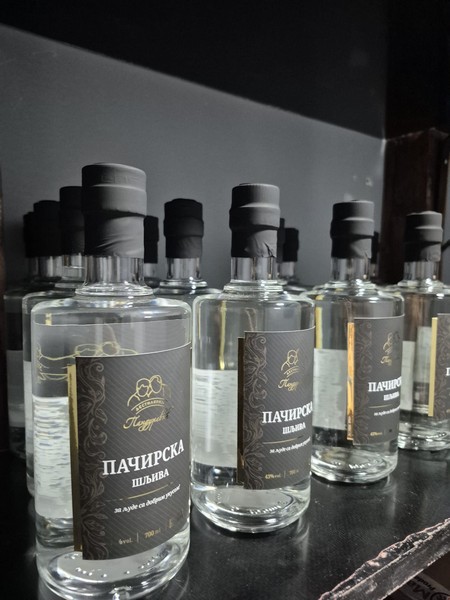
Дестилерија „Пандуревић“ налази се на северу Србије, у селу Пачир, општина Бачка Топола. Реч је о ракијама традиционалне, домаће производње, које одлежавају најмање годину дана....
Прочитај више -
ДЕСТИЛЕРИЈА СОЛЕРНАУТ – НОВИ САД
Златне ракије „Соларнаут“ производ су за савремене конзументе, истанчаног укуса, који цене квалитетан укус, модеран дизајн и стреме новим изазовима које сусрети носе.Простор за дегустације...
Прочитај више -
РАВАНГРАД ПИВАРА – СОМБОР
„Раванград Пивара“ је прва занатска пивара најзеленијег града Србије, Сомбора. Град са богатом традицијом и културом сада има нешто ново да понуди. Производња се обавља помоћу савремене...
Прочитај више -
МР. ЦХУРА ДЕСТИЛЕРИЈА – ЧУРУГ
Бранко Цхура је рођен 1888. године у Чуругу, малом месту у Војводини. Половину свог живота провео је у Сједињеним Америчким Државама, путујући светом, скупљајући знања,...
Прочитај више -
ПИВАРА “ЛИБЕЕРИ” – Инђија
Пивара ЛИБЕЕРИ је први произвођач домаћег занатског (крафт) пива на територији општине Инђија. Производни погон капацитета 1.000 литара кувања и 10.000 литара у ферменторима смештен...
Прочитај више -
РЕСТОРАН & ПИВНИЦА “ТХЕ ЦАМЕЛОТ” – Нови Сад
Ресторан- пивница Тхе Цамелот нуди доручак, ручак, вечеру, посластице, потпуно нову врсту пива (светлог, црвеног и тамног), као и стандардну понуду осталог пића. Све то...
Прочитај више


-
ПАРК ПРИРОДЕ “СТАРА ТИСА”
Парк Природе Стара Тиса налази се са десне стране данашњег тока Тисе, између Бечеја, Бачког Градишта и Чуруга. Простире се на 391 хектара од чега...
Прочитај више -
ПАРК ПРИРОДЕ “ТИКВАРА” – Бачка Паланка
Парк природе “Тиквара” налази се уз леву обалу Дунава, протежући се од 1297. до 1305. км. На простору природног добра доминирају шуме меких лишчара, а...
Прочитај више -
ПАРК ПРИРОДЕ ,,РУСАНДА” – Меленци
Русанда је највеће заслањено језеро у Србији које представља део очуваног и еколошки функционалног комплекса заслањених језера и ливада у банатском Потисју. Налази се 16...
Прочитај више -
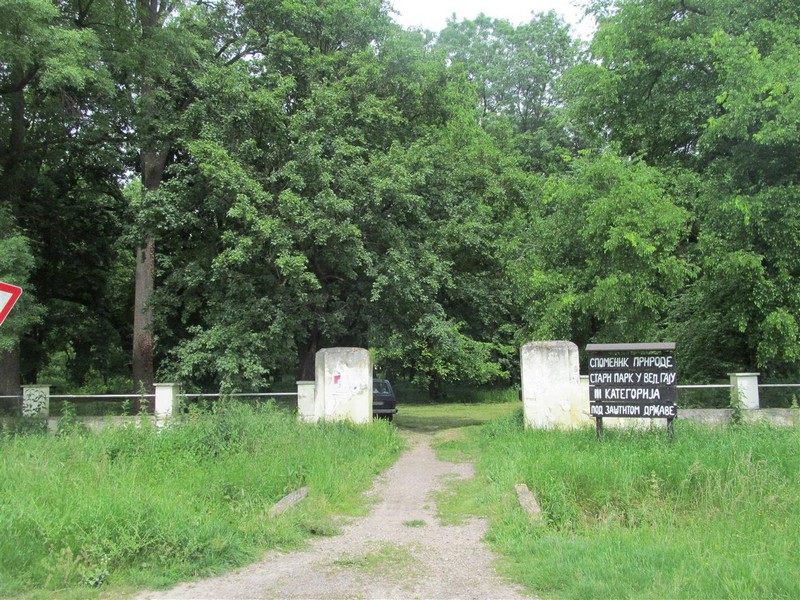
СТАРИ ПАРК У ВЕЛИКОМ ГАЈУ
Стари парк у Великом Гају из 18 века, значајно природно добро, на око 5 хектара са преко 20 врста дрвећа. Од старих стабала интересантни су...
Прочитај више -
СТАРИ ПАРК – Нови Кнежевац
На крајњем северу Баната, на левој обали реке Тисе простире се новокнежевачки парк. Заједно са дворцима племићких породица које су ту живеле чини непоновљиву целину...
Прочитај више -
ПОЊАВИЦА – Панчево
Парк природе „Поњавица“налази се у Јужном Банату, на ободу Панчевачке депресије, удаљен свега око 15 километара од Панчева, а простире се на територији два насељена...
Прочитај више
-
ПРАВОСЛАВНА ЦРКВА СВЕТОГ НИКОЛЕ – БАЧКО ПЕТРОВО СЕЛО
Овај храм посвећен празнику Преноса моштију св.Николе је подигнут између 1777. и 1780. године на месту старијег, који се у изворима помиње од почетка 17....
Прочитај више -
ХРАМ СВЕТЕ ПЕТКЕ – ПЕТРОВАРАДИН
Храм Св. Петке у Петроварадину је изграђен на раскрсници Рељковићеве улице и Прерадовићеве улице крајем 2003. и почетком 2004. године.
Прочитај више -
ЦРКВА СВЕТИХ АРХАНГЕЛА МИХАИЛА И ГАВРИЛА – БУЂАНОВЦИ
Храм Светом архангелу Гаврилу подигнут је 1763. године и освећен од митрополита Павла.
Прочитај више

-
РЕСТОРАН „ДУКАТ“ – Оџаци
Ресторан Дукат нуди јединствену атмосферу са свечаним и елегантним амбијентом, идеалним за све врсте прослава, уживање у традиционалним јелима и уживање у врхунском угоститељству. Аутор...
Прочитај више -
РЕСТОРАН „НИШ“ – Богојево
Ресторан „Ниш“ у Богојеву је место где се добра храна, гостопримство и пријатан амбијент спајају у прави домаћински доживљај.
Прочитај више -
РЕСТОРАН „МОЈ ЗАВИЧАЈ 89“ – Бачки Грачац
Ресторан „Мој Завичај 89“ представља место где се негује традиционална атмосфера, добро гостопримство и уживање у храни. Својим амбијентом пружа гостима пријатно место за предах,...
Прочитај више -
RESTORAN „TRI LIPE“ – Odžaci
Restoran „Tri Lipe“ je mesto u kojem se tradicionalna domaća kuhinja, kvalitetna hrana i prijatan ambijent spajaju u pravi gastronomski doživjaj. Smešten daleko od gradske...
Прочитај више -
РЕСТОРАН „КОД БОБЕ И КАТЕ“ – Лалић
Потребан вам је ресторан домаће кухиње у Оџацима? На правом сте месту! Ресторан нуди велики избор домаћих специјалитета који су припремани по специјалним рецептурама њихових...
Прочитај више -
РЕСТОРАН „ЦАР“ – Оџаци
Ресторан Цар је ресторан домаће и интернационалне кухиње. У понуди имају јела са роштиља, рибу (шаран, пастрмка, смуђ, бранцин), телећу и пилећу чорбу, јагњетину, телетину...
Прочитај више
-
ПЧЕЛАРСКО ДОМАЋИНСТВО ПЕРИШКИЋ – Бачки Моноштор
Пчеларска учионица Перишкић у Бачком Моноштору пружа јединствену прилику да посетиоци упознају свет пчела, традиционално пчеларство и значај ових вредних инсеката за очување природе. Кроз...
Прочитај више -
САЛАШ “СЕДАМ ДУДОВА” – СОМБОР
Салаш се налази у насељу Буковац, а назив је добио по седам дудова који красе салаш. Овде можете, како уосталом и доликује једном салашу, да...
Прочитај више -
ЕТНО КУЋА “КОД ТАШТЕ” – ВРДНИК
Етно кућа „КОД ТАШТЕ“, сеоско туристичко домаћинство, налази се у мирном делу Врдника – 2,4 км од термалне бање. Објекат нуди могућност смештаја у два...
Прочитај више -
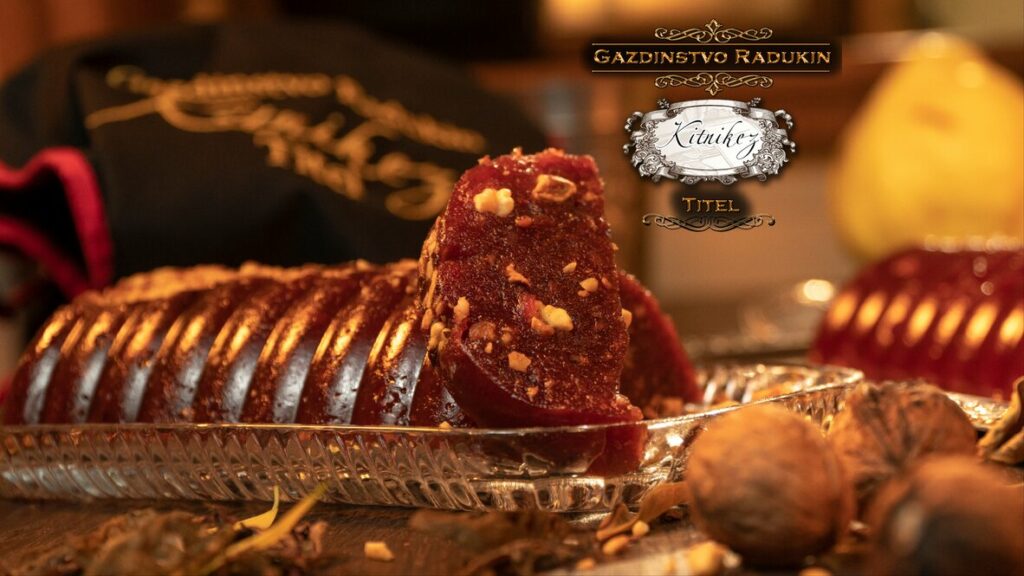
ГАЗДИНСТВО “РАДУКИН” – Тител
Газдинство Радукин из Титела је пољопривредно газдинство које се бави производњом поврћа и воћа, али и пастеризоване зимнице. Први су у Тителу почели са...
Прочитај више -
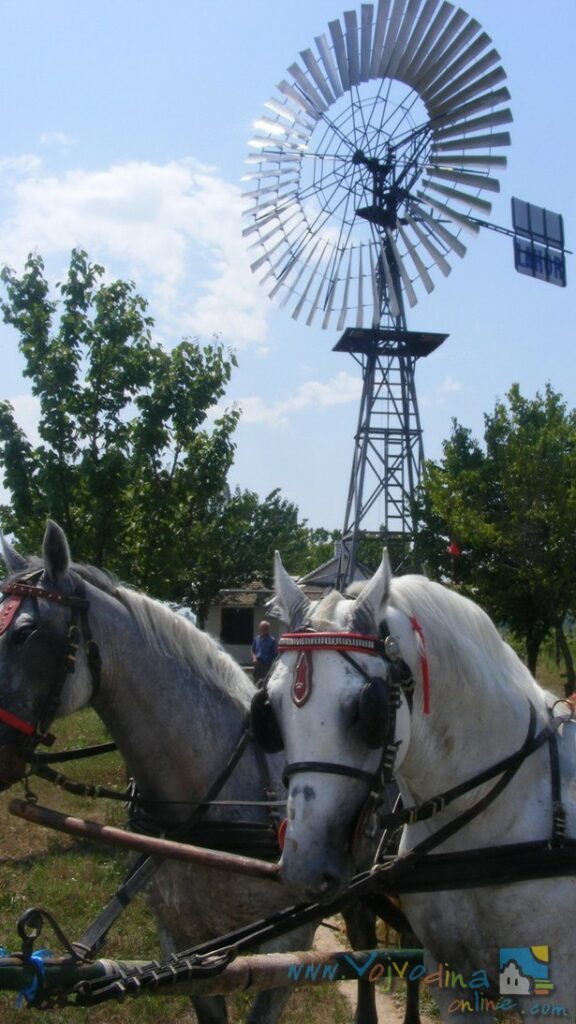
ДОМАЋИНСТВО “САВИЋЕВЕ ВЕТРЕЊАЧЕ” – ДЕРОЊЕ
У близини Вуковог салаша су и Савићеве ветрењаче, мало домаћинство на коме је постављено неколико ветрењача које је домаћин сам израдио и ставио у погон....
Прочитај више

-
БАНАТСКИ КУЛТУРНИ ЦЕНТАР – Ново Милошево
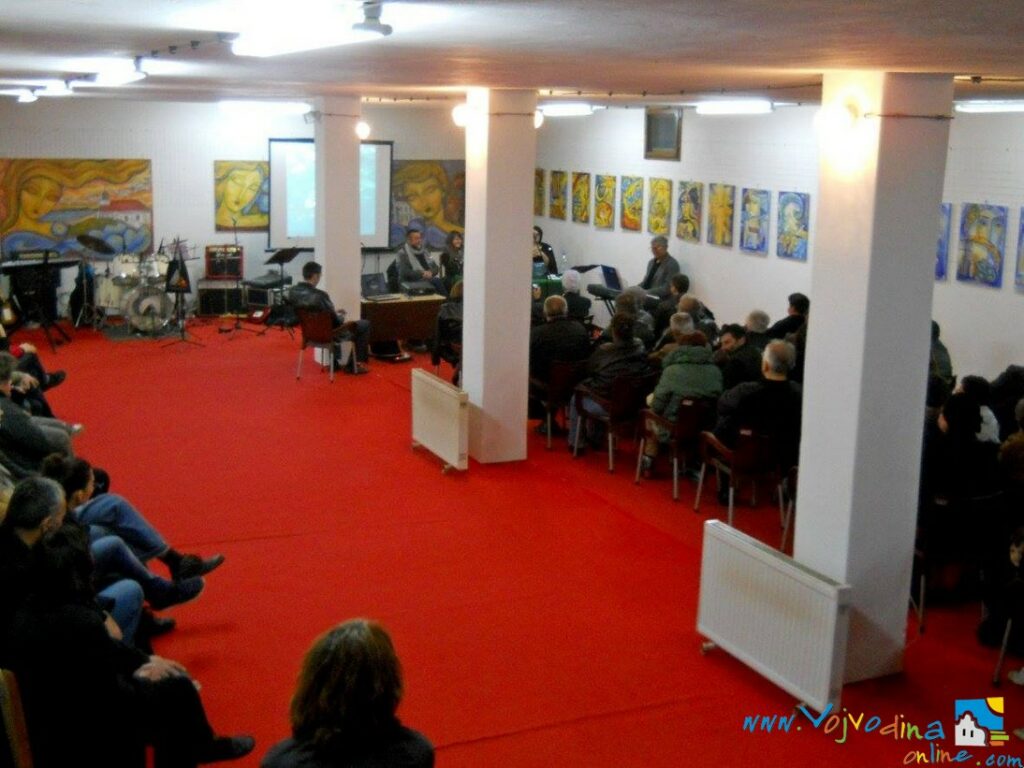
Банатски културни центар је први приватни културни центар у Србији. Ова породична креативна индустрија бави се уметничким стваралаштвом, продукцијом и различитим видовима деловања у култури....
Прочитај више -
ЦЕНТАР ЗА КУЛТУРУ – Ковин
Центар за културу је центар културних догађања општине Ковин. Једина смо Установа на територији јужног Баната која у оквиру свог програма обједињује професионалне и аматерске...
Прочитај више -
КУЛТУРНО-ПРОСВЕТНА ЗАЈЕДНИЦА – Кула
Културно-просветна заједница општине Кула је основана 9. маја 1957. године. Културно-просветну заједницу су стварали и чине људи, активисти из области културе, школства и других организација,...
Прочитај више -
КУЛТУРНИ ЦЕНТАР – Кула
У оквиру културног центра, ради и аматерско позориште и фолклорна и ликовна секција. Радно време: радним данима од 07:00 до 15:00
Прочитај више


-
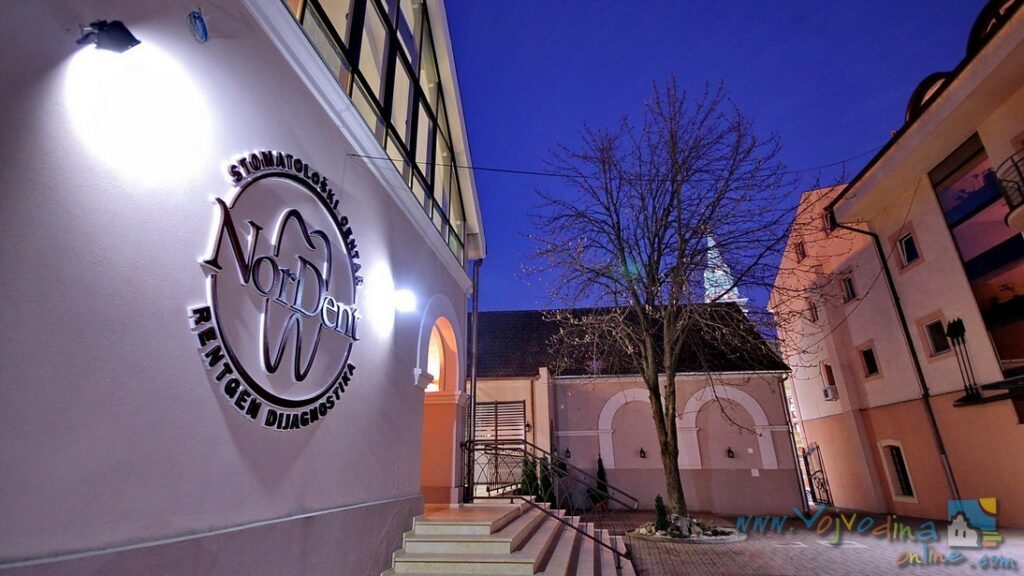
СТОМАТОЛОШКИ ЦЕНТАР НОРДЕНТ – Суботица
Праћењем глобалних тенденција туризма, Стоматолошки Центар Нордент је постао лидер денталног туризма у Србији. Разграната мрежа обучених и високообразованих агената у највећим земљама Европске Уније...
Прочитај више
-
ЦРЕПАЈАЧКИ ЕКОЛОШКИ ВРТ „ЈЕЗЕРО“ – Црепаја
У срцу Баната, у селу Црепаја, налази се оаза мира и природе — Црепајачки еколошки врт „Језеро“, некадашња циглана, данас трансформисана у прелепо излетиште за...
Прочитај више -
ЈЕЗЕРО ПРОВАЛА – Вајска
Удаљено 14 км од Бача и 1 км од насеља Вајска, језеро „Провала“, настало је као последица поплаве када је 1926. године Дунав провалио насип....
Прочитај више -
ИЗЛЕТИШТЕ ЗМАЈЕВАЦ – Фрушка гора
Излетиште се налази на око 5 км западно гребенским путем од Иришког венца и на око 5 км од Врдника, на раскршћу Партизанског пута и...
Прочитај више -
ПЛАНТАЖА ЛАВАНДЕ КОД ТЕМЕРИНА – ТЕМЕРИН
Плантажа је отворена радним даном од 16 до 20 часова. Викендом преподне од 9 до 12 часова и послеподне од 16 до 20 часова. Налази...
Прочитај више -
БАРА ТРСКОВАЧА – Платичево
Бара Трсковача се налази на ободу села Платичева у јужном делу румске општине, а стављена је под заштиту државе ради очувања природних мрестилишта ретких аутохтоних...
Прочитај више -
ЈЕЗЕРО МЕЂЕШ – Шатринци
Језеро је богато смуђем, бабушком, амуром, шараном и белом рибом. Позната дестинација за спортски риболов. Обале су понегде неприступачне. Језеро се налази на потоку Међаш...
Прочитај више

-
БЕЗДАНСКИ ДАМАСТ “НОВИ НОВИТЕТ ДУНАВ” – БЕЗДАН
Бездански дамаст је еxлузиван производ, изузетног квалитета ручно ткан на Жакар разбојима. Жакар разбој је механички разбој, који је патентиран 1801. године од стране француза...
Прочитај више -
БЕЗДАНСКИ ДАМАСТ “НОВИТЕТ – ДУНАВ” – БЕЗДАН
Ткачница је културно добро под заштитом државе. Израда производа и данас се врши искључиво на ручним разбојима жакард ткања са бушеним картицама, које датирају из...
Прочитај више -
РИЗНИЦА ПАНОНИЈЕ – НОВИ САД
Ризница Паноније је продавница сувенира, локалних производа (малих локалних произвођача), уметнина и старих заната. Ушушкана међу зидинама моћне Петроварадинске тврђаве, Ризница Паноније жели да вас...
Прочитај више -
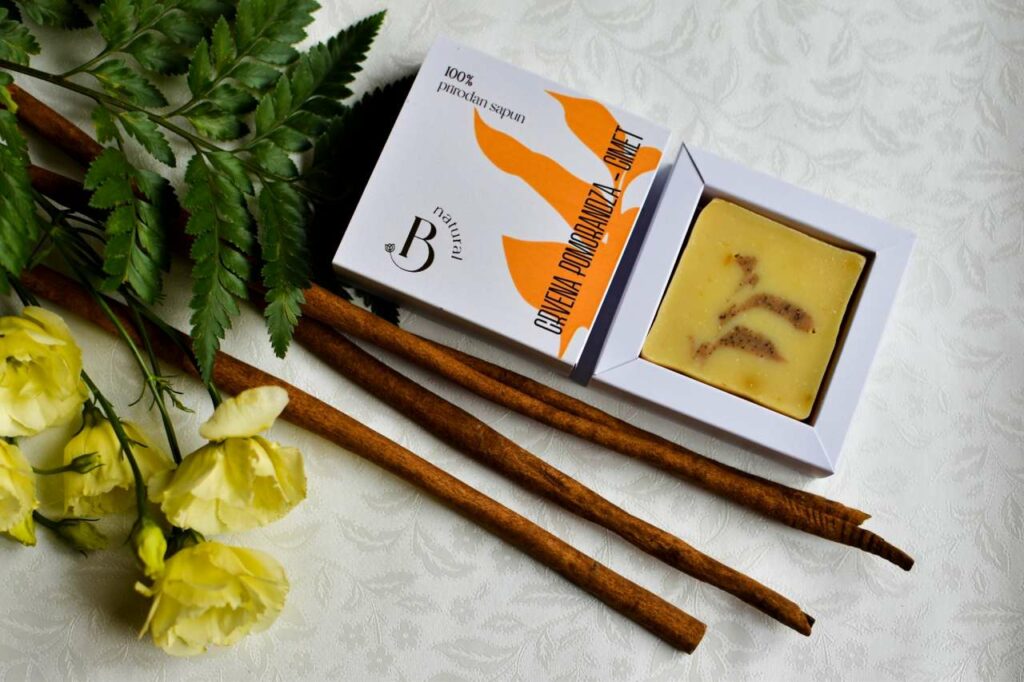
Удружење “Биљини магнетићи” – Кикинда
Удружење “Биљини магнетићи” је основано 2020.године са циљем да пренесе и покаже шта спретне руке праве. Наиме, све је почело као хоби пре дванаест година...
Прочитај више -
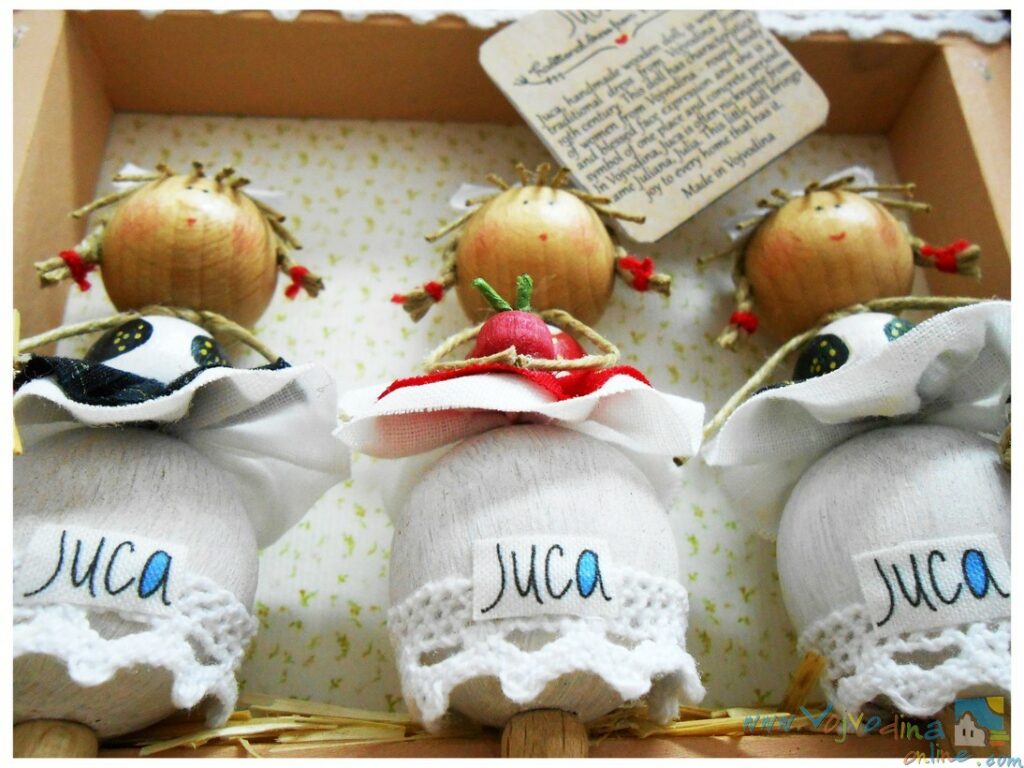
ЈУЦИН ДУЋАН ПРОДАВНИЦА РУЧНИХ РАДОВА
„Јуцин дућан“ галерија ручних радова и сувенира налази се на Интерент продавници: https://jucinducan.com/ Заштитни знак дућана је ЈУЦА, мала ручно рађена сувенир луткица, прављена од...
Прочитај више


-
МАНАСТИР СВЕТОГ МАРКА – НОВИ КАРЛОВЦИ
Манастир Светог Марка се налази у атару Нових Карловаца, у близини ауто-пута Е-75. Предање каже да је ту у првим деценијама 19. века на дан...
Прочитај више -
МАНАСТИР ВОДИЦА – БАЧКО ПЕТРОВО СЕЛО
Манастир Водица ( манастир Успења Пресвете Богородице ) се налази у Бачком Петровом Селу. Смештен је на левој обали реке Чик. Потиче из 18.века. Поред...
Прочитај више -
МАНАСТИР МАЛЕ ГОСПОЈИНЕ – Баваниште
Када се из Панчева стигне у Баваниште пут оштро наставља десно за Ковин. За манастир се настави право, поред трафо станице, око 500 метара, до...
Прочитај више -
МАНАСТИР ВОЈЛОВИЦА – ВОЈЛОВИЦА
Манастир Војловица налази се североисточно од Панчева, у кругу Рафинерије “Панчево”, на око 5,5 км према Старчевy, и на 4 км од ушћа Тамиша у...
Прочитај више -
МАНАСТИР БЕОЧИН – Беочин
Манастир Беочин са манастирском црквом посвећеном празнику Вазнесења Христовог, налази се на ободу Фрушке Горе у истоименом месту. Припада Епархији сремској Српске православне цркве и...
Прочитај више -
МАНАСТИР РАКОВАЦ – Раковац
Манастир Раковац налази се на северним обронцима Фрушке горе, уз Раковачки поток на десетак километара од Новог Сада. Манастир Раковац се први пут помиње у...
Прочитај више


-
КОВИНСКА ШАЈКА ПЛОВИ ДУНАВОМ
Шајке су дрвени бродови, коришћени на Дунаву и његовим притокама у периоду од краја 16. до почетка 18. века. Тада су то били лаки, уски...
Прочитај више -
ЗАПЛОВИТЕ ШАЈКОМ И ДОЖИВИТЕ ЧАРОБНЕ ТРЕНУТКЕ НА ТАЛАСИМА ДУНАВА
Не пропустите обећавајуће искуство и у последњим данима лета запловите водама Дунава. Туристичка организација Ковина својом обогаћеном понудом омогућава Вам да искусите лепоте ове реке...
Прочитај више -
КАНАЛ ДТД – Нови Бечеј
На ушћу канала у реку Тису, у викенд зони где је вода најмирнија, дозвољено је купање, као и спортски и рекреативни риболов, а дозволе за...
Прочитај више -
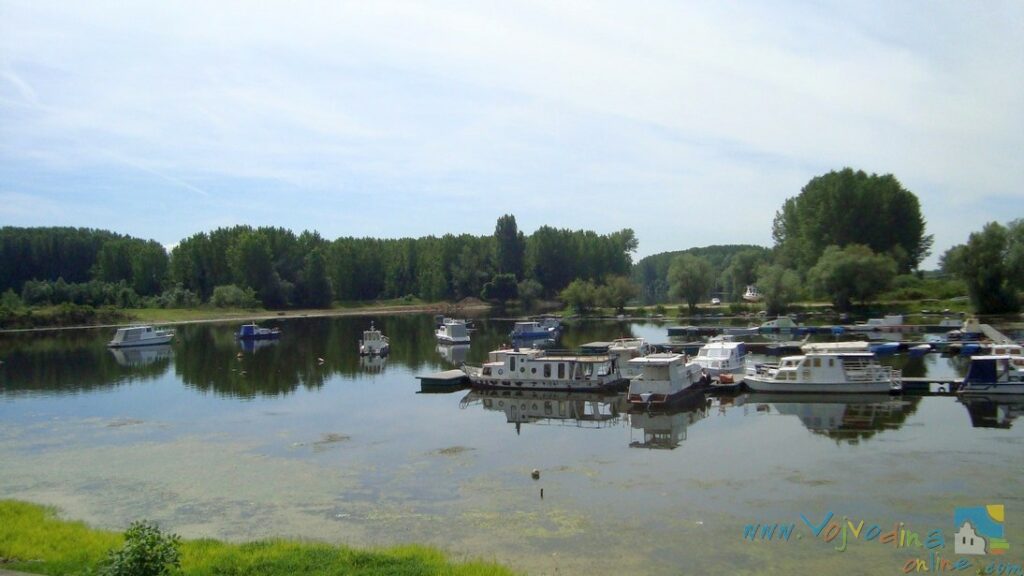
МАРИНА КОВИН – Ковин
Марина у Ковину се налази у природном рукавцу Дунава, удаљена 1,5 километара од отвореног тока Дунава, погодна као зимовник. Поседује 130 везова за рибарске чамце...
Прочитај више -
ПЛАЖА НА ДУНАВУ – Беочин
Плажа код Караша у Беочину једна је од најлепших песковитих плажа дуж целог тока Дунава кроз Србију. Лепо уређен простор који може да прими близу...
Прочитај више -
ПЛОВИДБА ДУНАВОМ
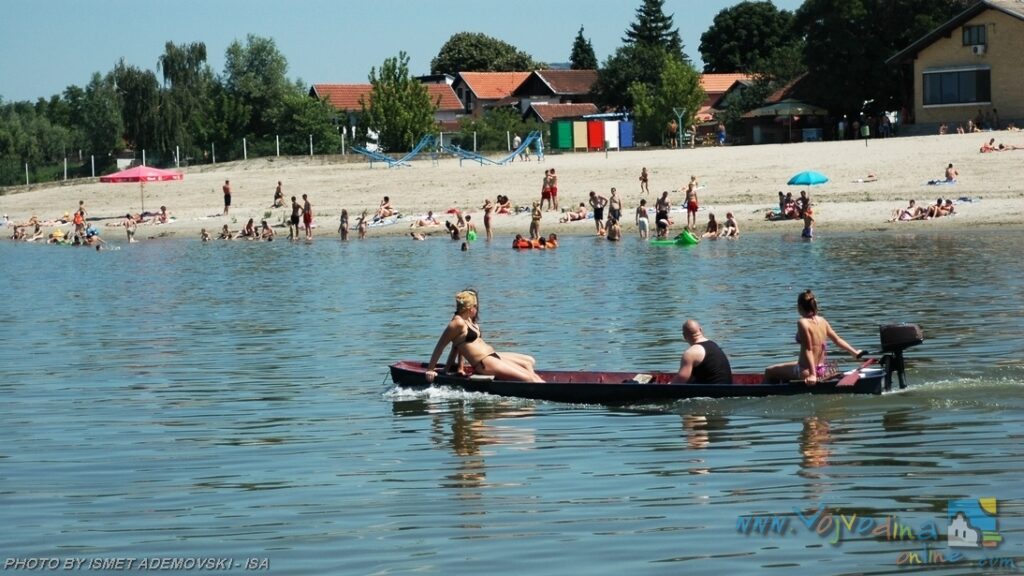
Дунав (нем. Донау , слов. Дунај, мађ. Дуна, украјински Дунай, рум. Дунăре, тур. Туна) је најдужа река у Европској унији и друга најдужа река у...
Прочитај више
-
ХРАНИЛИШТЕ – Тител
Очи у очи са орлом Како би помогла исхрану некрофагних и птица грабљивица у зимским месецима, Установа за заштиту природе „Тителски брег“ организовала је ограђено...
Прочитај више -
ЦРЕПАЈАЧКИ ЕКОЛОШКИ ВРТ „ЈЕЗЕРО“ – Црепаја
У срцу Баната, у селу Црепаја, налази се оаза мира и природе — Црепајачки еколошки врт „Језеро“, некадашња циглана, данас трансформисана у прелепо излетиште за...
Прочитај више -
ПАРК ПРИРОДЕ “СТАРА ТИСА”
Парк Природе Стара Тиса налази се са десне стране данашњег тока Тисе, између Бечеја, Бачког Градишта и Чуруга. Простире се на 391 хектара од чега...
Прочитај више -
РИБЊАК – Бечеј
Рибњак Бечеј има опремљене објекте за спортски риболов и ловни туризам. Основан је 1968. године. Изграден је поред пута Бечеј – Бачко Градиште, и обухвата...
Прочитај више -
СПЕЦИЈАЛНИ РЕЗЕРВАТ ПРИРОДЕ „ДЕЛИБЛАТСКА ПЕШЧАРА“ – ЈП „Војводинашуме“
У југоисточном делу панонске низије, у Банату, налази се највећа европска континентална пешчара која обухвата близу 35.000 хектара површине. Елипсастог је облика и оријентисана је...
Прочитај више -
СПЕЦИЈАЛНИ РЕЗЕРВАТ ПРИРОДЕ „ОБЕДСКА БАРА“ – ЈП „Војводинашуме“
Специјални резерват природе Обедска бара је у свету чувено мочварно подручје, које је кроз своју дугу историју представљало право уточиште за живи свет, али и...
Прочитај више
-
РИБЊАК ЈЕЗЕРО ЦИГЛАНА – ТЕМЕРИН
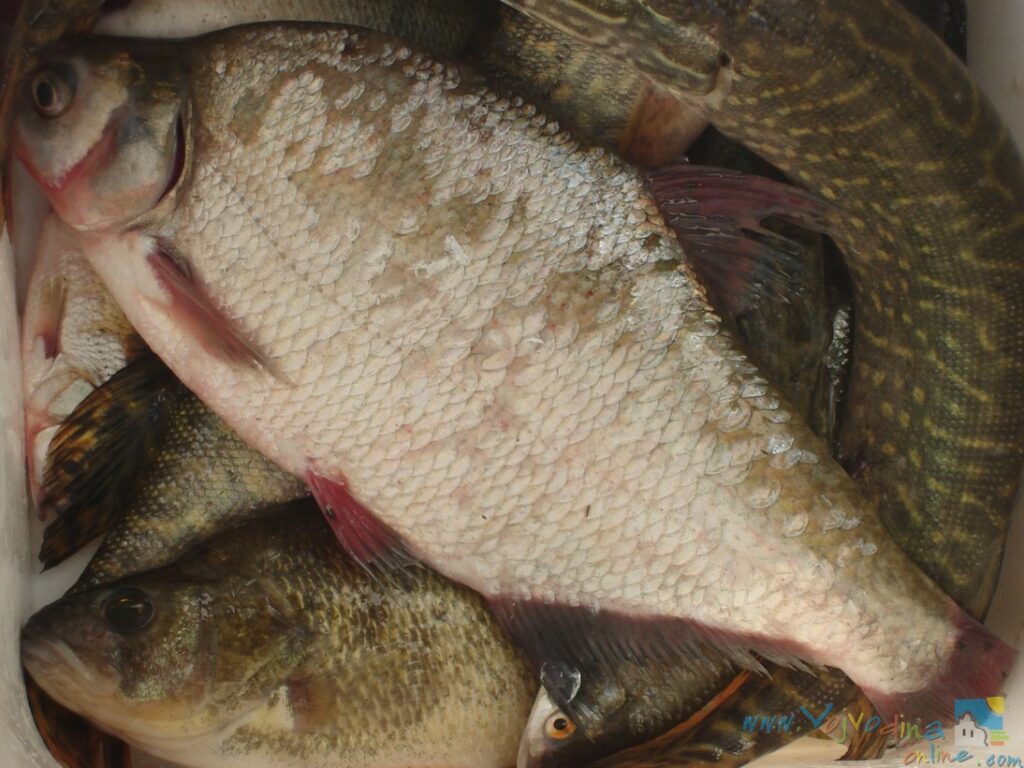
Jezero Ciglana nalazi se na izlazu iz Temerina na gospođinačkom putu. Jezero je poribljeno i posećuju ga kako šarandžije, tako i ljubitelji pecanja grabljivica u...
Прочитај више -
КАНАЛ ДТД – Нови Бечеј
На ушћу канала у реку Тису, у викенд зони где је вода најмирнија, дозвољено је купање, као и спортски и рекреативни риболов, а дозволе за...
Прочитај више -
ВЕЛИКИ БАЧКИ КАНАЛ – КИШОВ КАНАЛ – Сомбор
Настаје код Бездана уставом на Дунаву и протиче поред Бачког Моноштора, Сомбора, Кљајићева. Канал је изузетно чист, богат воденим растињем и разноликом рибљом популацијом. Лове...
Прочитај више -
КАНАЛИ „ДТД“ – Врбас
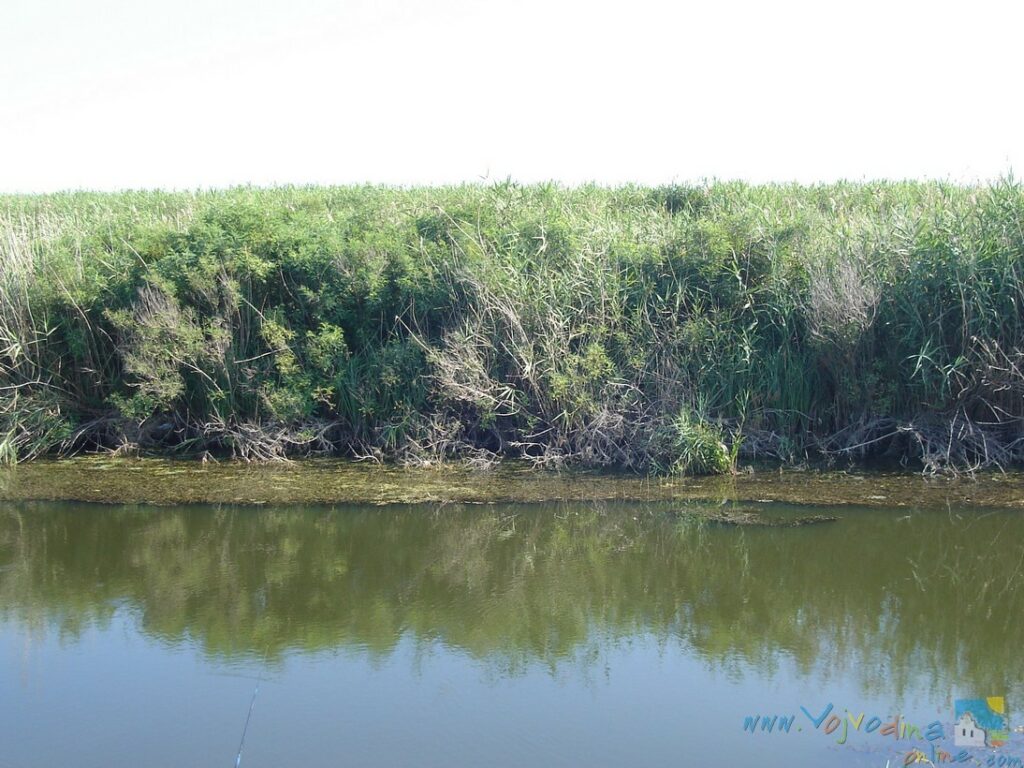
Канал ДТД кроз општину Врбас протиче у дужини од 39 километара, а простор око њега пружа идеално место за излет, камповање, рекреацију. Локалитети који се...
Прочитај више -
РИБЊАК БУШИДО – ТЕМЕРИН
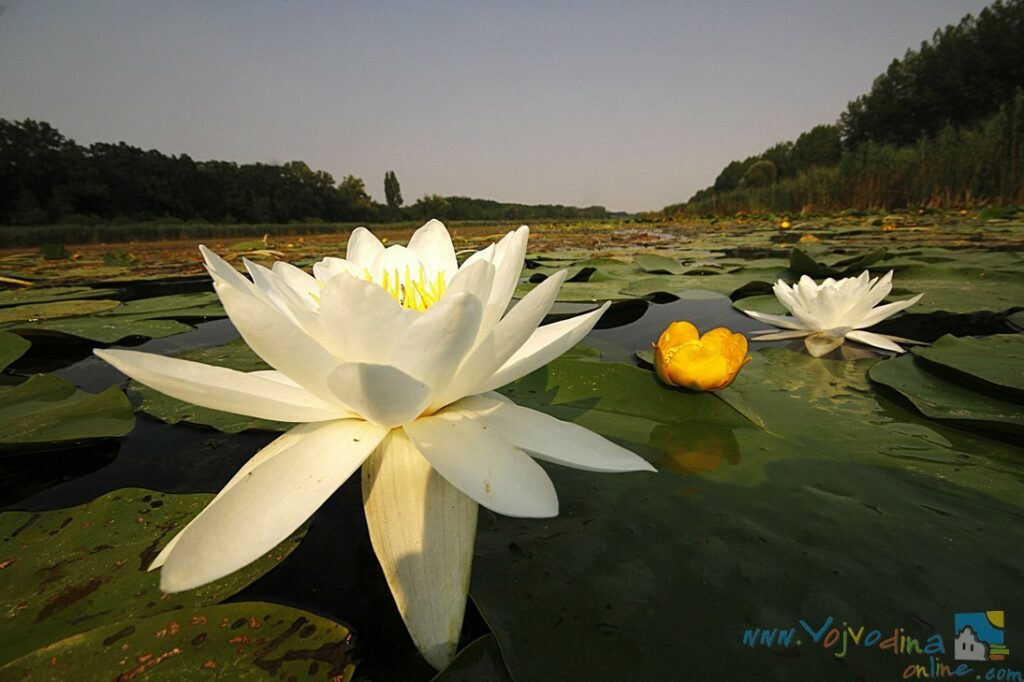
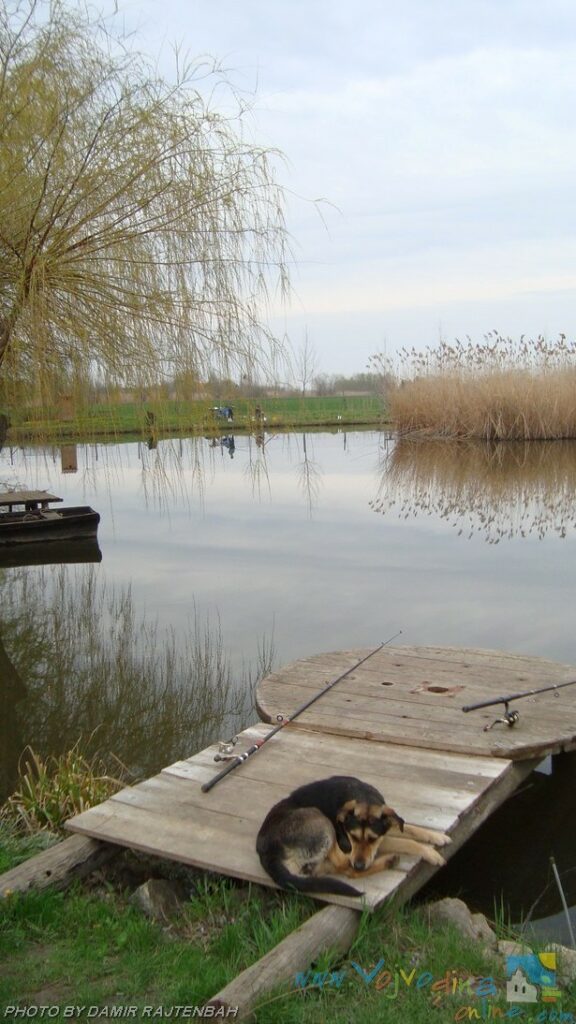
Рибњак „Бушидо“ смештен је у војвођанској питомини, на трећем километру пута од изласка из Темерина у правцу Бечеја. Настао је 1998. године преграђивањем рукавца реке...
Прочитај више
-
РИМОКАТОЛИЧКА КАПЕЛА- КРАЉИЦА СВЕТЕ КРУНИЦЕ – АЛИБУНАР
Римокатоличка капела -Краљица круне налази се у центру насеља, скромнијих димензија. Саграђена је 1913. године када је и освештена. На самој фасади осликавају се неокласицистички...
Прочитај више -
Капела Васкрсења Господњег — Нова Пазова
Капела је подигнута 1999. године, када ју је осветио Епископ сремски Господин Василије. С обзиром на чињеницу да се над овим здањем не уздиже уобичајени...
Прочитај више -
КАПЕЛА НА ВОДИЦЕ ПОСВЕЋЕНА СВЕТОМ ИЛИЈИ (1850) – СТАРА ПАЗОВА
Испред улаза у порту православне цркве у улици Вука Караџића налази се капела посвећена Светом Илији. Капела је саграђена око 1850. године трудом неког чобанина...
Прочитај више -
КАПЕЛА СВЕТОГ ПАНТЕЛЕЈМОНА (1904) – БЕЛЕГИШ
Капела Светог Пантелејмона налази се на сеоском гробљу у Белегишу, а подигао је 1904. године белегишки свештеник Спиридон Мауковић са супругом Катицом. У капели на...
Прочитај више -
КАПЕЛА НА ВОДИЦЕ ПОСВЕЋЕНА СВ.НИКОЛИ (1889) – ГОЛУБИНЦИ
Према црквеном летопису водица је прихваћена од стране цркве 1856.године, када је поред исцелитељског бунара постављен дрвени крст са иконом Светог Николе. Како је у...
Прочитај више -
КАПЕЛА СВЕТИХ ЖЕНА МИРОНОСИЦА – ПЕЋИНЦИ
Саграђена је 2010. године за потребе верника као гробљанска капела, према пројекту дипл. инж. архитектуре Јелене Масникосић из Пећинаца. Изградња је финансирана средствима Општине Пећинци....
Прочитај више


-
ДВОРАЦ ФРИЦ-ХРИСТИЋ – Бачко Ново Село
Дворац Фриц-Христић се налази у Бачком Новом Селу, у насељу смештеном у општини Бач, на самој обали Дунава, и више пута је ово село девастирано...
Прочитај више -
КАШТЕЛ “БАНАТЕРРА” – Српска Црња
Каштел Банатера је летњи дворац немачког генерала Франца Нојхаузена (Франз Неухаусен) саграђен за време Другог светског рата и припада најмлађој генерацији двораца у Војводини. Дворац...
Прочитај више -
ЛЕТЊИКОВАЦ ПОРОДИЦЕ ПЕЦЕ – Мали Иђош
Летњиковац у Малом Иђошу су изградили Пеце Петар и његов брат Ернест почетком 20. века 1923. године и по свим елементима припада вишој групи сличних...
Прочитај више -
ДВОРАЦ “СОКОЛАЦ” – Нови Бечеј
Када кренете из Бечеја за Нови Бечеј стотинак метара пре скретања за Кумане са десне стране ћете видети таблу за пољопривредно добро Соколац. Скренете десно...
Прочитај више -
ДВОРАЦ “КАРАЧОЊИ” – Ново Милошево
Саградио га је 1857. Лајош Карачони на свом имању у Беодри (данас спојено са Новим Милошевом). Грађен је као репрезентативан резиденцијални објекат који својом просторном...
Прочитај више -


-
СПОМЕНИК ПРИРОДЕ „СТАБЛА ХРАСТА ЛУЖЊАКА НА ПАЛИЋУ“ – Палић
Споменик природе „Стабла храста лужњака на Палићу“ је заштићено подручје III категорије које чини 31 вековно стабло у улицама Беле Бартока, Петефи Шандора и на...
Прочитај више -
ПАРК ПРИРОДЕ „ПАЛИЋ“ – Палић
Парк природе „Палић“ обухвата плитко низијско језеро Палић, Велики парк и истоимено насеље. Овај простор представља нераскидив спој богате природне баштине и вредног културно-историјског наслеђа...
Прочитај више -
ПРЕДЕО ИЗУЗЕТНИХ ОДЛИКА „КАЊИШКИ ЈАРАШИ“ – Суботица
Предео изузетних одлика „Кањишки јараши“ смештен је на крајњем северу Војводине, у североисточном делу Бачке, на територији општине Кањижа. Ово заштићено подручје II категорије простире...
Прочитај више -
ЦРЕПАЈАЧКИ ЕКОЛОШКИ ВРТ „ЈЕЗЕРО“ – Црепаја
У срцу Баната, у селу Црепаја, налази се оаза мира и природе — Црепајачки еколошки врт „Језеро“, некадашња циглана, данас трансформисана у прелепо излетиште за...
Прочитај више -
ЈЕЗЕРО ПРОВАЛА – Вајска
Удаљено 14 км од Бача и 1 км од насеља Вајска, језеро „Провала“, настало је као последица поплаве када је 1926. године Дунав провалио насип....
Прочитај више -
ИЗЛЕТИШТЕ ЗМАЈЕВАЦ – Фрушка гора
Излетиште се налази на око 5 км западно гребенским путем од Иришког венца и на око 5 км од Врдника, на раскршћу Партизанског пута и...
Прочитај више
-
СИНАГОГА – Суботица
Синагога у Суботици је саграђена 1902. године у стилу сецесије. Синагога је 1974. проглашена за споменик културе од изузетног значаја. Грађена је по пројекту будимпештанских...
Прочитај више -
АПАТИНСКА СИНАГОГА – Апатин
Када су припадници константно малобројне јеврејске заједнице толико економски ојачали да су могли да финансирају изградњу наменски грађене богомоље за задовољавање њихових религиозних потреба, сакупљена...
Прочитај више -
СИНАГОГА – Нови Сад
Синагога са црквеном општином и бившом јеврејском школом налази се у Јеврејској улици. Подигнута 1909. године, у стилу мађарске сецесије, према пројекту пештанског архитекте Липота...
Прочитај више -
МАЛА СИНАГОГА – Суботица
Такозвана Мала синагога налази се у приземљу зграде Јеврејске општине. Својевремено је она служила као зимска синагога. Украшена је минуциозним зидним сликарством. Витраж са представом...
Прочитај више

-
ШУНКА
Осушен задњи свињски бут, с три прста сланине и пуно меса, симбол је једног од насласнијих војвођанских залогаја. Шунка се припрема у новембру и децембру...
Прочитај више -
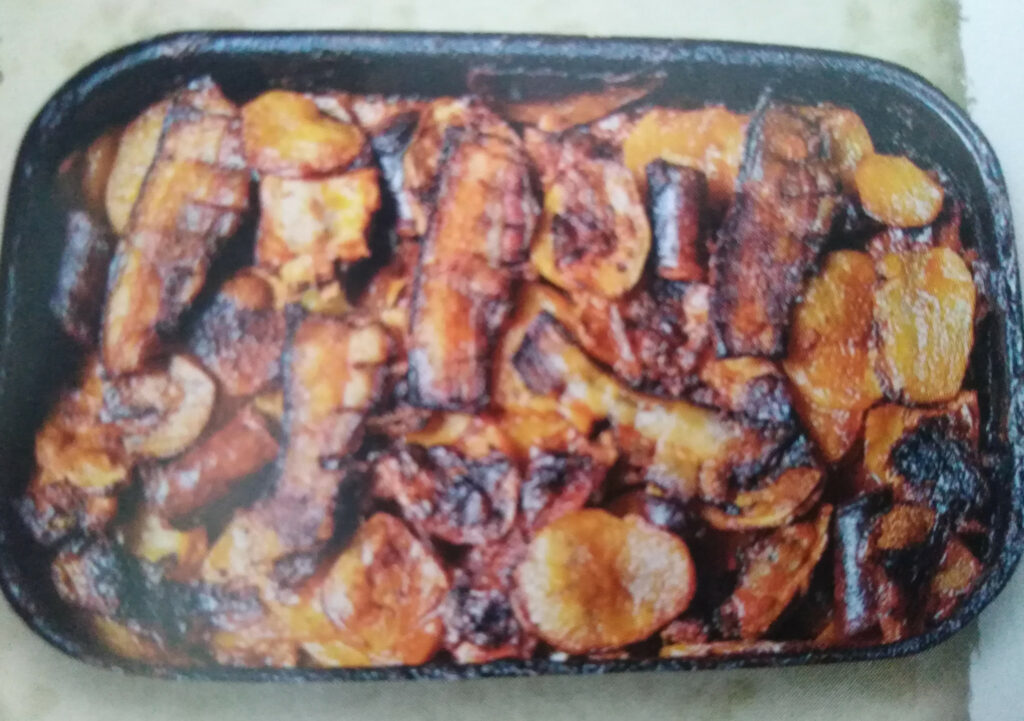
КРОМПИРАЧА
Зимска чаролија из паорске пећи! Кромпирача. Врућа, упурњана, запечена, црвенкаста, са пуно кромпира исечених на колутове и још изразитијим комадима крменадле, сланине, кобасице и џигерњаче....
Прочитај више -
ШТРУДЛА СА МАКОМ
Штрудла са маком најчешће је нуђени десерт традиционалне домаће кухиње у Војводини. Саставни део менија који се нуди туристичким групама, на недељним ручковима и бројним...
Прочитај више -
ФУТОШКА САРМА
Војвођански укус сарме је сличан сарми са других меридијана, ал’ је малчице друкчији! Разлика је је у томе што се углавном завија у листове аутохтоног...
Прочитај више -
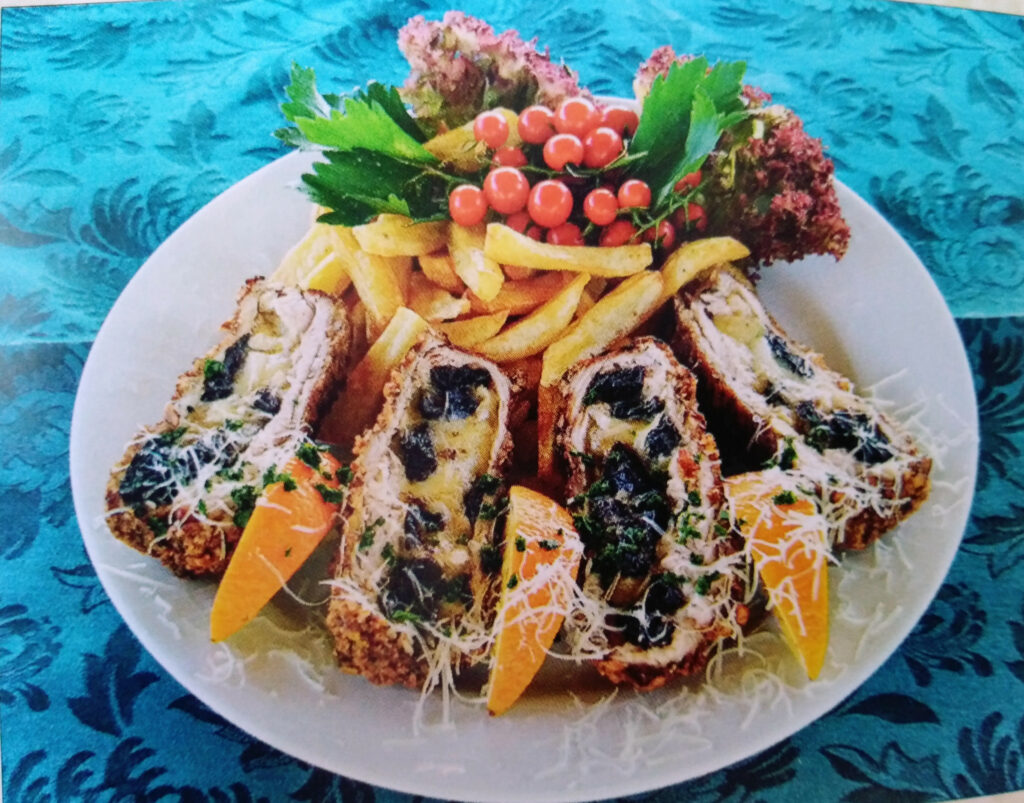
ЋУРЕЋА ШНИЦЛА СА СУВИМ ШЉИВАМА
Овдашња кухиња повукла је корене из немачких и аустријских добрих обичаја, који налажу да уз печено или пржено месо, поготову оно суво, најбоље пристаје воће....
Прочитај више -
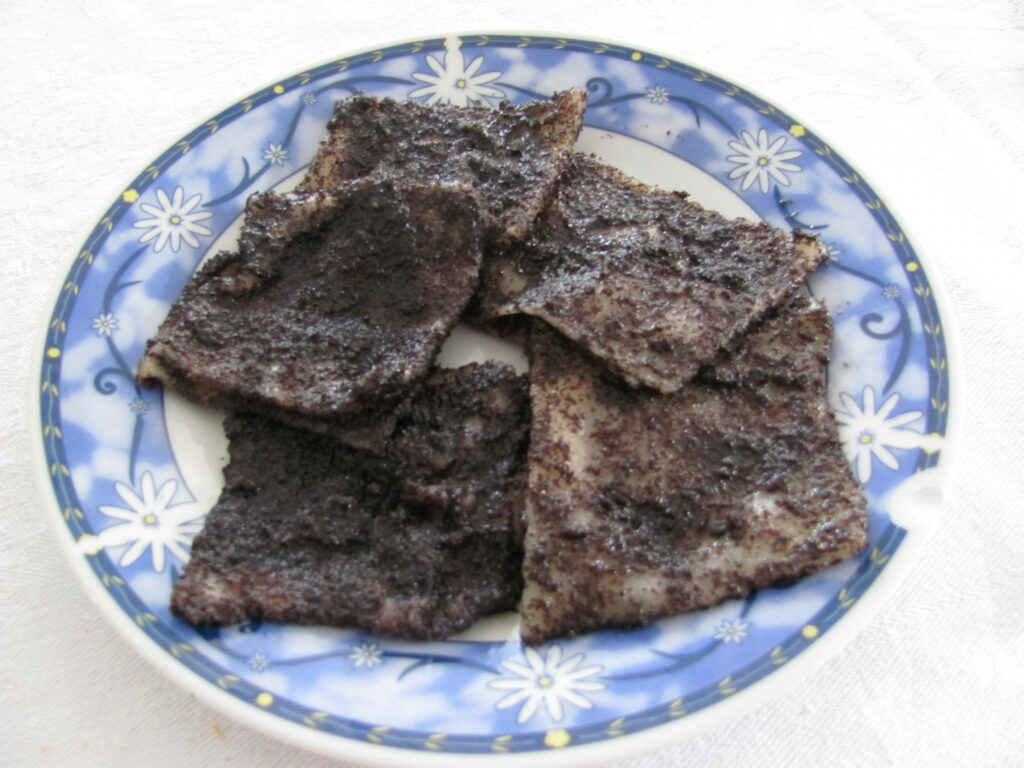
НАСУВО СА МАКОМ
Резанци, или насуво са маком, култно је јело из чувене песме Ђорђа Балашевића “Ал’ се некад добро јело!” Они су и посни и мрсни, свечани...
Прочитај више