
“GOMOLAVA” ARCHEOLOGICAL SITE – Hrtkovci
Gomolava is a prehistoric archaeological site located near Hrtkovci, not far from Ruma, on the left bank of the Sava River. It was inhabited for six millennia and ranks among the most well-known archaeological sites in Europe. This multi-layered site represents a settlement with recorded habitation horizons from the Late Vinča period, the Eneolithic, the Early Bronze Age, and the Iron Age. The first excavations were carried out in 1904, while systematic research began in 1953 and, with interruptions, continues to this day. The earliest settlement was formed during the Late Neolithic and consisted of large rectangular houses built from wood and clay. The settlement was destroyed by fire; on its remains, new inhabitants established their dwellings, belonging first to the Sopot–Lengyel culture, followed by communities of the Baden, Kostolac, and Vučedol cultures. During the Bronze Age, bearers of the Vatin and Belegiš cultures formed settlements composed of fragile, semi-subterranean huts. In the Early Iron Age, a tribe of eastern origin lived in modest huts. The most prominent layers date from the Late Iron Age. Within these layers, houses made of wattle and daub were discovered, along with a large number of ceramic kilns and pits containing rich indigenous material as well as Italic imports. At the foot of Gomolava lies a large Roman necropolis. From the 12th to the 15th century, a rural necropolis with a cemetery church was located at the site.
Nearby attractions
-

“GOMOLAVA” ARCHEOLOGICAL SITE – Hrtkovci
Gomolava is a prehistoric archaeological site located near Hrtkovci, not far from Ruma, on the left bank of the Sava River. It was inhabited for...
Read more

-
“GOMOLAVA” ARCHEOLOGICAL SITE – Hrtkovci
Gomolava is a prehistoric archaeological site located near Hrtkovci, not far from Ruma, on the left bank of the Sava River. It was inhabited for...
Read more -
 Udaljeno 10.5 km
CHURCH OF SAINT ARCHANGEL GABRIEL – Brestač
Devoted to the synod of the Saint Archangel Gabriel, 26 July. The Holy temple was erected in 1750, and the belfry was erected in 1792....
Read more

-
Udaljeno 10.5 km
CHURCH OF SAINT ARCHANGEL GABRIEL – Brestač
Devoted to the synod of the Saint Archangel Gabriel, 26 July. The Holy temple was erected in 1750, and the belfry was erected in 1792....
Read more -
Udaljeno 12.8 km
CHURCH OF SAINT NICHOLAS – Sibač
The Holy Temple Sibac was built in 1767 and devoted to translation of the relics of the Saint Nicholas. The temple was completely renovated and...
Read more

-
Udaljeno 10.5 km
CHURCH OF SAINT ARCHANGEL GABRIEL – Brestač
Devoted to the synod of the Saint Archangel Gabriel, 26 July. The Holy temple was erected in 1750, and the belfry was erected in 1792....
Read more -
Udaljeno 12.8 km
CHURCH OF SAINT NICHOLAS – Sibač
The Holy Temple Sibac was built in 1767 and devoted to translation of the relics of the Saint Nicholas. The temple was completely renovated and...
Read more
-
Udaljeno 4.4 km
THE ETHNO HOUSE “TOŠINA KUĆA” – Jarak
Srem`s village Jarak has its long tradition. On the earth where always were passers by, attractive to different nations and conquerors, Jarak has always been...
Read more -
Udaljeno 13.0 km
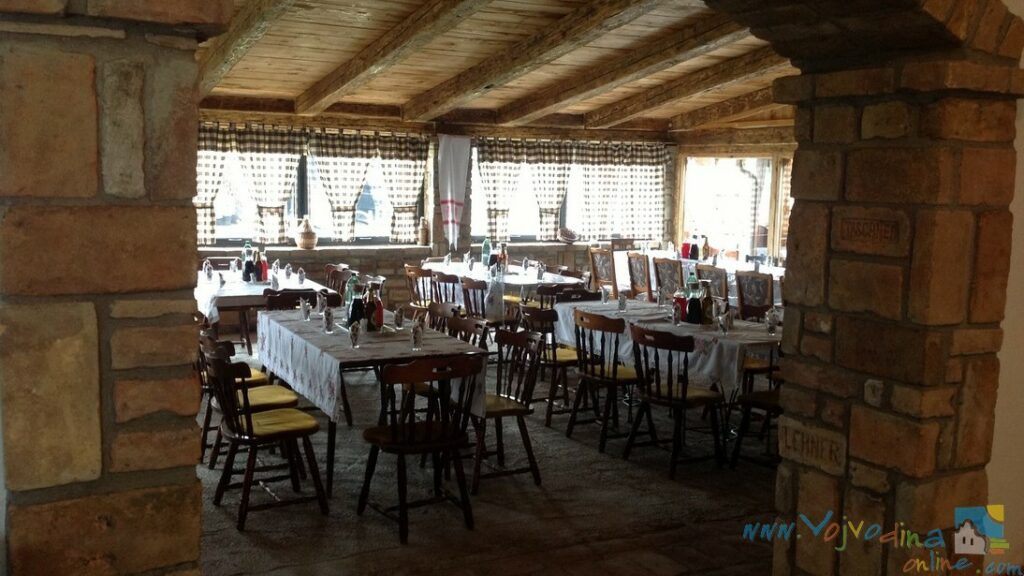
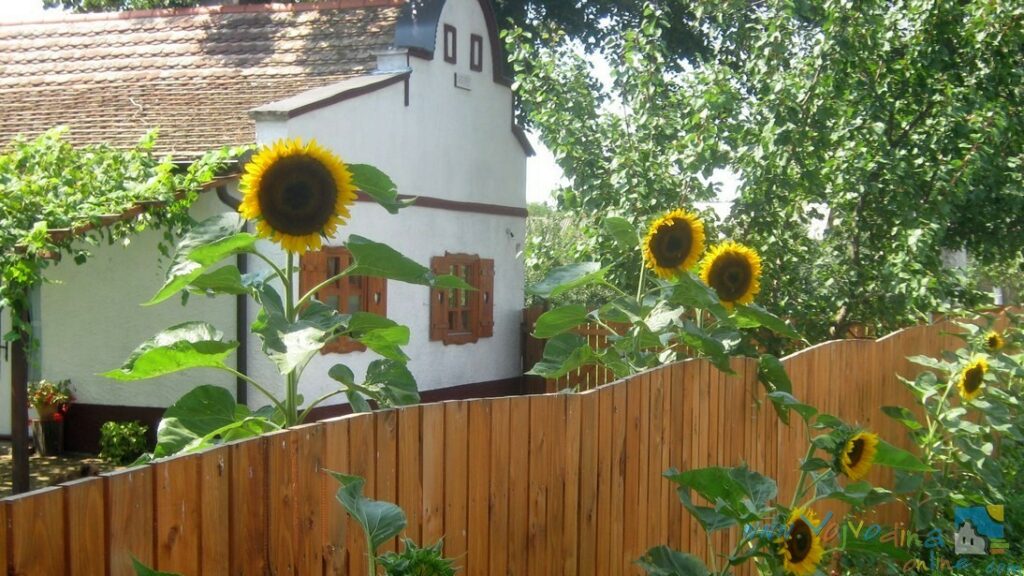
SALAŠ ISAILOVI – Sremska Mitrovica
The Grange “Isailovi” has been existing for more than 5 generations, and now it is opening the door to all guests, visitors, and tourists. The...
Read more
-
Udaljeno 13.0 km
SALAŠ ISAILOVI – Sremska Mitrovica
The Grange “Isailovi” has been existing for more than 5 generations, and now it is opening the door to all guests, visitors, and tourists. The...
Read more
-
“GOMOLAVA” ARCHEOLOGICAL SITE – Hrtkovci
Gomolava is a prehistoric archaeological site located near Hrtkovci, not far from Ruma, on the left bank of the Sava River. It was inhabited for...
Read more
-
Udaljeno 4.4 km
THE ETHNO HOUSE “TOŠINA KUĆA” – Jarak
Srem`s village Jarak has its long tradition. On the earth where always were passers by, attractive to different nations and conquerors, Jarak has always been...
Read more